
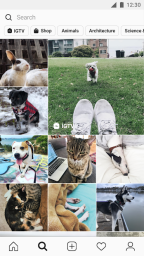
Instagram Summary
Get From the Official Digital Markets
All trademarks belong to their
respective owners.
Instagram is no longer just the pretty square-photo app people remember from the early smartphone era. It is now a full social platform where photos, Reels, Stories, DMs, Notes, creators, shops, ads, memes, friends, brands, and algorithmic recommendations all fight for the same tiny rectangle of attention. I still think Instagram can be excellent when it helps people share moments, discover creative work, follow interests, or keep up with friends. I also think it can become exhausting when the feed turns into a competition between real life, performance, advertising, and the eternal question: why am I watching a stranger reorganize a fridge at 1:14 a.m.?
The Product List Places Instagram as an Active Social App
Your product list marks Instagram as an active app in the Social category, with both Google Play and App Store links and a Combine type. That fits the current identity of the platform. Instagram is not just a photo editor or a messaging tool. It is a broad social network built around visual sharing, short video, private communication, creator discovery, and public profiles.
I would describe Instagram as one of the most important social apps for creators, brands, influencers, casual users, small businesses, and anyone who wants a visual online presence. The app can be personal, professional, entertaining, useful, or completely distracting depending on how it is used. That flexibility is its strength and its danger.
-
Instagram is listed as an active Social app in your product table;
-
The product entry includes both Android and iOS links;
-
The app now combines photos, videos, messages, Stories, Reels, Notes, and creator tools;
-
Its value depends heavily on whether the user shapes the platform intentionally or lets the algorithm shape the whole experience;
The App’s Core Promise Is Still Sharing What You Are Into
Google Play describes Instagram with the phrase “Share what you’re up to and into,” then lists features such as Stories, Notes, group chats, Close Friends, Feed posts, Reels, templates, music, stickers, and filters. That is a good summary of the modern app. Instagram is built around showing identity through visual moments: what someone saw, made, ate, wore, visited, watched, bought, laughed at, or wants others to believe they are casually doing.
I like Instagram most when it feels like a lightweight way to share life and interests. A travel photo, a quick Story, a funny Reel, a creative carousel, or a DM sent to a friend can all feel natural. The app becomes less enjoyable when every post feels optimized, polished, sponsored, or secretly auditioning for an invisible engagement judge.
Feed Posts Are Still the App’s Backbone
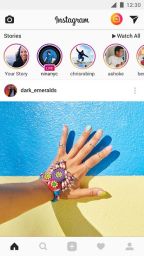
Instagram may have grown far beyond photo sharing, but Feed posts still matter. They are the more permanent layer of the app: photos, carousels, captions, comments, and profile identity. Reels may grab attention quickly, but the Feed still helps define what a person, brand, creator, or business looks like at a glance.
I like Feed posts because they slow Instagram down slightly. A carousel can tell a story, show a before-and-after, explain a process, share a mini guide, or document an event. For creators and businesses, Feed posts also serve as a portfolio. A profile grid is basically a storefront window, even if the store is just someone’s personality wearing good lighting.
-
Feed posts give profiles a more permanent visual identity;
-
Carousels are useful for storytelling, tutorials, lists, and product showcases;
-
Captions allow more context than quick video formats;
-
The Feed remains important for creators, brands, photographers, artists, and small businesses;
Reels Turn Instagram Into an Entertainment App
Instagram’s official features page highlights Reels as one of the platform’s main formats, alongside Stories, Feed, and messages. Reels changed Instagram’s center of gravity. The app is no longer only about people you follow. It is also about algorithmic discovery: short videos from creators, brands, comedians, educators, musicians, shops, and random people who somehow know exactly what your attention will tolerate.
I understand why Reels became so central. They are fast, addictive, and easy to consume. A good Reel can teach, entertain, sell, joke, inspire, or make a trend spread quickly. For creators, Reels can reach beyond existing followers. For users, they can become a never-ending entertainment feed. That is useful and dangerous in equal measure, like snacks that refill themselves.
Stories Keep Instagram Feeling Immediate
Google Play notes that Instagram Stories and Notes disappear after 24 hours, while Instagram’s official features page presents Stories as a place to post moments from everyday life. Stories are one of the app’s best social formats because they feel less permanent than Feed posts and less performance-heavy than Reels.
I like Stories because they support casual sharing. A quick photo, poll, repost, reaction, link, update, or Close Friends moment can feel more conversational than a polished post. Stories are also powerful for creators and businesses because they keep audiences warm between bigger posts. They are the app’s daily heartbeat.
-
Stories disappear after 24 hours, which makes them feel more casual;
-
Polls, stickers, links, questions, and reactions support interaction;
-
Close Friends makes sharing feel more private and selective;
-
Stories are useful for daily updates, behind-the-scenes content, and community touchpoints;
DMs Are Now One of Instagram’s Most Important Features
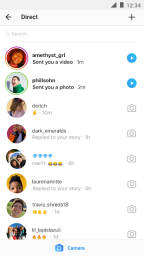
Instagram’s official features page describes private messages as a way to send photos, videos, and messages privately to friends, while Google Play also mentions group chats and Close Friends sharing. This matters because Instagram is not only public posting anymore. For many people, DMs are the real app.
I like Instagram DMs because they turn discovery into conversation. A friend sends a Reel. Someone reacts to a Story. A creator answers a question. A small business replies to a customer. A group chat becomes a constant stream of jokes and plans. DMs make Instagram feel less like a stage and more like a social space, although the stage is still very much there, wearing ring lights.
Notes Add a Small Status Layer
Google Play mentions Notes as one of the features that disappear after 24 hours. Notes are small, lightweight updates that sit closer to casual status messages than full posts. They are not the most powerful Instagram feature, but they make sense inside an app where quick signals matter.
I see Notes as Instagram’s “tiny mood board for text.” They can be jokes, song lyrics, quick thoughts, availability signals, or low-pressure updates. They are not essential, but they help Instagram compete with the casual conversational feel of messaging apps.
-
Notes provide quick, temporary text-based updates;
-
They support casual expression without needing a photo or video;
-
They are useful for small mood, joke, or status signals;
-
The feature fits Instagram’s shift toward messaging and lightweight social presence;
Instagram Is a Creator Platform as Much as a Social App
Instagram has become essential for creators because it combines discovery, audience building, visual branding, short video, direct communication, and monetization-adjacent opportunities. A creator can post Reels for reach, Stories for community, carousels for depth, Feed posts for portfolio value, and DMs for relationship building.
I like Instagram as a creator tool when it rewards clear voice and consistent format. A fitness coach can post quick tips. A makeup artist can show transformations. A game reviewer can create Reels and carousel recommendations. A travel creator can combine location guides with Stories. The app gives many content surfaces, which means creators can build an entire mini-media brand without leaving the platform.
For Businesses, Instagram Is a Visual Storefront
Instagram is especially useful for businesses that depend on visual trust: fashion, beauty, restaurants, fitness, travel, design, home decor, events, games, apps, and local services. A profile can show products, testimonials, behind-the-scenes clips, customer reactions, offers, and brand personality. Even when the final sale happens elsewhere, Instagram often shapes the first impression.
I like how small businesses can use the app without needing huge production. A bakery can show fresh pastries. A barber can show before-and-after cuts. A game site can share clips and review snippets. A course creator can use Stories for Q&A and Reels for hooks. Instagram rewards businesses that can show value quickly and visually.
-
Profiles work like visual storefronts for brands and creators;
-
Reels can help businesses reach people beyond existing followers;
-
Stories are useful for offers, reminders, polls, and behind-the-scenes content;
-
DMs can support customer questions, bookings, and relationship building;
The Editing Tools Make Everyday Content Look Better
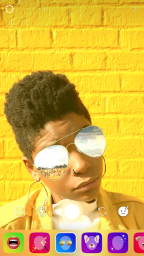
Google Play highlights Instagram’s templates, music, stickers, and filters as part of the posting experience. These tools are important because Instagram lowers the barrier between capturing something and making it feel presentable. Users do not need professional editing software to create a decent Story or Reel.
I like that Instagram gives casual users quick creative polish. A sticker, song, caption, filter, or template can make a simple clip feel more expressive. The danger is sameness. When everyone uses the same templates and trends, feeds can start to feel like a very stylish copy machine. The best creators use tools as support, not as a replacement for personality.
The Algorithm Can Be Helpful or Exhausting
Instagram’s recommendation systems are one of the main reasons the app is addictive. They help users discover Reels, creators, products, trends, recipes, workouts, memes, tutorials, and communities. They also make the app harder to leave because the next piece of content might be exactly interesting enough to keep scrolling.
I think the algorithm is both the engine and the problem. It can introduce users to genuinely useful content. It can also pull attention away from friends and toward endless recommendations. Instagram is best when users actively train their experience: follow intentionally, use “not interested,” mute accounts, save useful posts, and avoid letting every idle moment become a scrolling session.
-
The algorithm helps users discover new creators, Reels, products, and interests;
-
Recommendations can make Instagram feel less personal than it used to;
-
Users can improve the experience by muting, unfollowing, saving, and managing interactions;
-
The app becomes healthier when it is used intentionally rather than automatically;
Instagram Is Excellent for Discovery
When Instagram works well, it is a powerful discovery engine. I can find artists, recipes, local restaurants, travel ideas, fashion references, workouts, game clips, movie edits, small businesses, educational explainers, and creators I would never search for directly. Visual discovery is the app’s greatest advantage.
I like Instagram for inspiration. A mood board, design reference, quick tutorial, or mini-review can appear at exactly the right time. For content managers and marketers, the platform is also a living trend board. Hooks, formats, captions, thumbnails, sounds, comment patterns, and creative angles can all be studied in real time.
The App Can Create Too Much Comparison
Instagram’s visual strength also creates one of its biggest emotional weaknesses. The app shows polished moments: vacations, bodies, homes, meals, outfits, relationships, wins, launches, milestones, and lifestyles. Even when users know the content is curated, constant exposure can still create comparison.
I think this is where Instagram needs self-awareness from users. The app is not a neutral mirror of real life. It is a selection engine. People post the angle, not the whole room. They post the celebration, not always the effort, boredom, anxiety, debt, or 37 failed attempts behind it. Instagram is easier to enjoy when I remember that the feed is edited reality, not a universal scoreboard.
-
Polished visual content can encourage comparison;
-
Creators and brands often show highlights rather than full context;
-
Users may need boundaries around scrolling and self-image;
-
The app feels better when treated as media, not as a complete picture of other people’s lives;
Teen Safety Is Now a Major Part of the Instagram Conversation
Instagram’s Help Center says Teen Account settings are designed to help keep teens safe by limiting unwanted contact, showing age-appropriate content, and helping them manage time in the app. Meta also says Teen Accounts include built-in protections that limit who can contact teens and what content they see.
I think this is necessary because Instagram is powerful, social, visual, and algorithmic. That combination can be difficult for younger users. Built-in teen protections are useful, but parents and guardians still need to talk with teens about privacy, strangers, body image, scams, oversharing, DMs, screen time, and how the algorithm works. Safety settings help, but they are not a substitute for conversation.
Privacy Settings Deserve Real Attention
Instagram is a public-facing social app by default for many users, so privacy decisions matter. Users should think about whether their account is public or private, who can message them, who can comment, who can tag or mention them, who can add them to groups, and what personal details appear in posts or Stories.
I like Instagram more when privacy is configured deliberately. A private account is better for many casual users. Close Friends is useful for personal Stories. Comment filters and message controls can reduce unwanted interactions. People should not need to become security experts just to post a photo, but they should know the basics before sharing their life with the internet’s entire extended family.
-
Private accounts can be better for casual personal use;
-
Close Friends helps separate public and personal sharing;
-
Message and comment controls can reduce unwanted contact;
-
Users should avoid posting sensitive location, identity, or personal information without thinking carefully;
Instagram Is Also an Advertising Machine
Instagram’s free access is supported heavily by advertising and commerce. Ads appear in Feed, Stories, Reels, Explore, and other placements. Some ads are relevant. Some feel random. Some are so precisely timed that they make the user briefly question whether their phone has developed social intuition.
I do not mind ads when they are clearly labeled, relevant, and not overwhelming. Instagram can be useful for discovering products, apps, games, courses, clothes, restaurants, or services. But the ad load matters. If a user sees too many sponsored posts, the app starts to feel less like a social network and more like a shopping mall with friends trapped inside.
The App Is Extremely Useful for Marketing Research
For a content manager, Instagram is not only a publishing platform. It is a research tool. Reels hooks, carousel structures, trending sounds, creator collaborations, comment questions, visual styles, niche memes, product demonstrations, and ad creatives can all reveal what audiences respond to right now.
I like Instagram as a creative intelligence tool. It shows formats in the wild. A brand can study how competitors explain benefits, how creators frame pain points, how users respond in comments, and what visual patterns repeat across a niche. For games, apps, movies, courses, beauty, fitness, education, and entertainment, Instagram can be a daily trend radar.
-
Reels reveal current hook styles and short-form editing patterns;
-
Carousels show how creators package educational or promotional content;
-
Comments reveal objections, questions, jokes, and audience language;
-
Stories show how brands build daily touchpoints and informal trust;
The Best Content Feels Native, Not Forced
Instagram content works best when it understands the platform’s rhythm. A polished TV-style ad may not perform as well as a fast, direct, creator-style Reel. A stiff brand caption may feel less natural than a useful carousel. A product demonstration often beats a vague lifestyle promise.
I think the strongest Instagram content usually has one of three qualities: it teaches, entertains, or reveals something. A Reel that solves a problem, a carousel that gives a clear checklist, a Story that shows behind-the-scenes reality, or a post that makes someone feel seen can work better than generic posting. The app rewards clarity and emotional recognition.
Instagram Can Be a Portfolio
For photographers, designers, artists, stylists, creators, writers, fitness coaches, chefs, musicians, tattoo artists, and many small businesses, Instagram can act like a living portfolio. It shows style, consistency, skill, and social proof. Even if someone has a website, Instagram may be the place where potential clients first check whether the work feels real.
I like this portfolio function because it gives visual professionals a simple showcase. But it also creates pressure to keep posting. A neglected profile can make a business look inactive, even if the business is busy offline. Instagram visibility becomes part of reputation management.
-
Instagram profiles can function as visual portfolios;
-
Highlights help organize services, FAQs, testimonials, and offers;
-
Consistent posting can build trust and recognition;
-
Inactive or messy profiles may weaken first impressions for businesses and creators;
The App’s Biggest Strength Is Format Variety
Instagram’s current feature set includes Reels, Stories, Feed posts, private messages, Notes, music, stickers, filters, and templates. That variety makes the app useful for many communication styles. A user can post a polished carousel, share a messy Story, send a private Reel, publish a quick Note, or build a short video around a trend.
I like that Instagram does not force every expression into one format. Some ideas need video. Some need a photo. Some need a carousel. Some should only be a DM to one friend because the public does not need to see every thought wearing shoes. Format choice is part of the app’s creative value.
The Biggest Weakness Is Attention Drain
Instagram is designed to be easy to open and hard to close. Reels autoplay. Stories continue. Notifications pull users back. DMs create social urgency. Recommendations always offer something new. The app is good because it is engaging, and difficult because it is engaging.
I think this is the most honest criticism. Instagram can be useful, creative, inspiring, and socially valuable. It can also eat time quietly. The difference often comes down to boundaries: disabling unnecessary notifications, setting time limits, unfollowing accounts that create stress, and using the app for specific purposes instead of drifting into it whenever boredom appears.
-
Reels and recommendations can make scrolling feel endless;
-
Notifications can create constant re-entry points;
-
DMs can add social pressure to respond quickly;
-
Intentional use and time boundaries make the app healthier;
Instagram Is Not Equally Good for Every Type of User
Instagram is excellent for visual creators, social users, lifestyle brands, entertainment content, local businesses, educators, influencers, and people who enjoy short video discovery. It is less ideal for users who want quiet communication, chronological updates only, minimal ads, or a low-pressure private space.
I like Instagram, but I do not think everyone needs it in the same way. A creator may need it for audience growth. A small business may need it for trust and discovery. A casual user may only need DMs and Stories. Someone overwhelmed by comparison or attention drain may be better off limiting use heavily. The app is powerful, but powerful tools still need rules.
The Best Audience Is Visual Social Media Users
Instagram is easiest to recommend to people who enjoy visual communication: photos, videos, Stories, Reels, memes, fashion, beauty, travel, food, fitness, art, design, entertainment, games, movies, and creator culture. It is also valuable for businesses that need brand visibility and social proof.
It is less easy to recommend to users who dislike algorithmic feeds, targeted ads, influencer culture, or constant social comparison. Instagram can be very useful, but it is rarely neutral. It changes how people present themselves and how audiences consume everyday life.
-
Best for creators, brands, visual storytellers, small businesses, and social users;
-
Useful for discovery, trend research, community building, and direct messaging;
-
Less ideal for people who want a calm, chronological, low-distraction social space;
-
Healthier when users actively manage follows, privacy, notifications, and time spent;
Where Instagram Feels Most Effective
Instagram feels most effective when it connects people to something they genuinely care about. A friend’s Story, a creator’s useful Reel, an artist’s portfolio, a local restaurant’s update, a brand’s behind-the-scenes clip, or a DM that starts a real conversation can all make the app feel valuable.
The platform also works beautifully as a creative testing ground. A creator can publish quickly, learn from engagement, adjust the format, and build a recognizable voice. For modern social media, that feedback loop is one of Instagram’s biggest strengths.
Where Instagram Feels Less Strong
Instagram feels less strong when the app becomes more algorithm than relationship. If the Feed fills with recommendations, ads, and content from strangers while actual friends disappear, the social feeling weakens. Reels may entertain, but they can also make Instagram feel like any other short-video machine.
It also feels less strong when comparison, privacy worries, or attention drain outweigh the benefits. Instagram is best when it is curated intentionally. Without that, it can become noisy, performative, and strangely tiring for an app that technically fits in a pocket.