
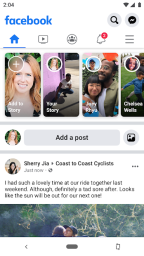
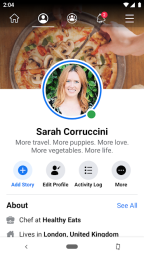
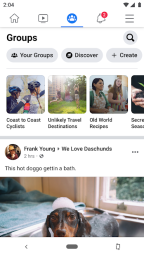
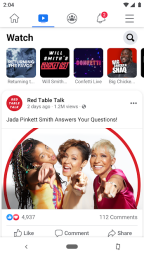

Facebook is one of those apps that feels less like a single product and more like a digital neighborhood that kept expanding until it included the town square, flea market, birthday calendar, video feed, event board, family photo album, local club, and several arguments nobody remembers starting. It is older than many of the social apps it now competes with, but it has not stayed frozen in its early identity. Modern Facebook is still about friends and family, but it is also about Groups, Reels, Marketplace, Events, creators, local discovery, AI tools, and a Feed that tries to mix personal updates with recommended content. That makes it useful, noisy, familiar, and occasionally exhausting all at once.
The Main Strength Is That Facebook Contains Many Social Habits at Once
Facebook’s official app listings describe it as a place where real people can fuel curiosity, whether users are thrifting gear, showing Reels to groups that understand them, sharing AI-reimagined images, shopping Marketplace, personalizing Feed, or asking Meta AI for information. That description captures the current app well. Facebook is not only a place to post status updates anymore. It is a multi-purpose social layer.
I like Facebook most when I treat it as a utility rather than a perfect social experience. It is useful for checking a community group, finding a local event, selling an old chair, remembering a birthday, following a school page, or seeing what relatives are posting. The app’s strength is not elegance. It is coverage. So many social functions live in one place that even people who complain about Facebook often keep returning for one practical reason or another.
-
Feed, Groups, Reels, Marketplace, Events, Pages, and friend updates all live inside one app;
-
The platform is useful for both personal connections and local discovery;
-
Marketplace and Groups give Facebook practical value beyond entertainment;
-
The app’s biggest advantage is breadth, not simplicity;
The Feed Is Still the Center, but It Has Changed
The Facebook Feed used to feel more like a direct window into friends and pages. Now it is a mixture of personal updates, recommended posts, Reels, group content, ads, creator material, and algorithmic suggestions. Meta has also worked on controls that let users personalize Feed by seeing more of what they like and less of what they do not.
I find the modern Feed useful but inconsistent. Some days it shows a good mix of friends, local updates, and funny posts. Other days it feels like the app is guessing loudly. The personalization controls help, but users still need to manage the experience actively. Facebook rewards people who prune their Feed, mute what they dislike, follow useful pages, and stop expecting the default algorithm to understand their entire personality.
The Friends Layer Is Still Emotionally Important
Facebook’s homepage still defines the service around connecting with friends, family, and people users know, plus sharing photos, videos, messages, and updates. That original identity still matters, even if the app has grown around it. Birthdays, old classmates, extended family, wedding photos, life updates, memories, and private posts remain a major reason people keep accounts.
I like the friends layer because it is where Facebook feels most human. A post from someone I actually know can cut through the noise quickly. A birthday reminder may be simple, but it is useful. A family update may not belong on a trend-driven short-video app. Facebook still has a place for slower, more personal social maintenance.
-
Friends and family updates keep Facebook connected to its original purpose;
-
Birthdays, memories, albums, and life updates still have practical emotional value;
-
Private sharing works better here than on many trend-first platforms;
-
The friend experience is strongest when the Feed is not overwhelmed by recommendations;
Groups Are One of Facebook’s Best Modern Features
Facebook Groups may be the app’s most durable advantage. Groups can support parents, neighborhoods, schools, hobbyists, gamers, collectors, job seekers, health communities, local residents, creators, and tiny niche interests that would never justify a full standalone platform. Meta has also tested AI tools connected to public groups, including AI comment summaries and customizable Group AI to help members find answers.
I like Groups because they make Facebook feel purposeful. A good group can answer a local question faster than a search engine. It can help someone find a lost pet, compare baby strollers, discuss a game update, organize a community cleanup, or troubleshoot a car problem. The quality depends heavily on moderation, but when a group is healthy, Facebook becomes genuinely useful.
Marketplace Gives the App Real Everyday Utility
Marketplace is one of the clearest reasons many people still open Facebook even if they barely post. The Google Play listing specifically highlights shopping Marketplace for hidden gems and taking hobbies to the next level. For local buying and selling, that is a powerful feature because Facebook already knows where many users and community networks are.
I enjoy Marketplace because it makes the app feel practical. It is not just scrolling. It can help someone find a used desk, sell a bicycle, compare prices, or discover hobby gear nearby. The downside is trust. Buyers and sellers still need to be careful, check profiles, meet safely, avoid suspicious payment requests, and use common sense. Marketplace is useful, but it is still people on the internet with furniture.
-
Marketplace is useful for local buying, selling, and casual deal hunting;
-
It connects naturally with location, profiles, and community habits;
-
Hobby gear, furniture, baby items, vehicles, and household goods are common use cases;
-
Users still need caution around scams, unsafe meetups, and suspicious payments;
Reels Keep Facebook Competing for Short-Video Attention
Reels are now a major part of Facebook’s entertainment identity. Meta’s own app-store copy mentions showing Reels to groups that get it, and Meta has tested a full-screen Video tab that gives Reels a more prominent home on Facebook. That shows how much the app has shifted toward video discovery.
I think Reels are useful when they match a real interest. A cooking tip, craft idea, local clip, gaming joke, or quick tutorial can be fun. But Reels can also make Facebook feel less personal. The more the app pushes video discovery, the more it competes with TikTok, Instagram, and YouTube Shorts. That may keep users watching, but it can blur Facebook’s identity.
Events and Local Discovery Are Still Underrated
Facebook Events remain useful because they connect social planning to existing communities. Meta has tested Local and Explore tabs that pull together content from Reels, Marketplace, Groups, and Events to help users find what interests them. That local layer is one area where Facebook still has a strong advantage over many newer apps.
I like using Facebook for local discovery because it often catches things that do not appear in polished city guides. A small market, local concert, school fundraiser, neighborhood meeting, hobby meetup, or community class may exist mainly as a Facebook event or group post. The app is messy, but local life is messy too. That match can be useful.
-
Events help users discover local gatherings, classes, markets, and community activities;
-
Local and Explore-style discovery can connect Groups, Events, Reels, and Marketplace;
-
Small organizations often rely on Facebook instead of dedicated websites;
-
The local experience depends heavily on how active a user’s area is;
Meta AI Adds a New Layer to the App
Meta’s current Facebook listing says users can ask Meta AI for information and get answers instantly. Meta has also tested AI comment summaries and group-related AI tools. This makes Facebook feel less like a static social feed and more like a platform where AI can help summarize, generate, search, or guide interactions.
I see the AI layer as useful but still something users should approach carefully. Summaries can help in long comment threads. AI search can make discovery easier. Creative image features can add fun. But social context is delicate. A summary of a heated discussion may miss tone. An AI suggestion may not understand community rules. AI can help reduce friction, but it should not replace judgment.
The App Is Powerful Because Everyone Is Already There
Facebook’s biggest network advantage is obvious: many people, organizations, communities, schools, small businesses, relatives, and local groups already use it. That existing social graph is difficult to replace. A technically cleaner app may still feel empty if the right people are not there.
This is why Facebook remains sticky. People may prefer other apps for photos, short videos, messaging, or professional networking, but Facebook often remains the place where different parts of life overlap. Grandparents, neighborhood groups, school announcements, local sellers, hobby communities, and old friends can all exist under one roof. The roof is crowded, but it is still standing.
-
The large existing user base gives Facebook strong practical value;
-
Small businesses and community organizations often maintain Facebook pages;
-
Older friendships and family networks remain active there for many users;
-
Network effects keep the app relevant even when users prefer other platforms for specific tasks;
The Interface Can Feel Overloaded
Facebook’s biggest usability problem is that it does so much. Feed, notifications, groups, friend requests, pages, events, video, Marketplace, memories, gaming, ads, settings, privacy controls, AI, and creator tools all compete for attention. The app is not hard to open, but it can be hard to use calmly.
I often feel that Facebook’s usefulness is buried under its own ambition. A simple task, like checking one group post, can turn into ten minutes of unrelated scrolling. The app is designed to keep attention moving, and that can be dangerous for focus. Facebook is best when I enter with a purpose and leave before the algorithm starts handing me side quests.
Privacy Controls Matter More Here Than Almost Anywhere
Facebook holds a lot of personal context: friends, family, location-related activity, photos, groups, events, likes, comments, Marketplace interactions, and old posts. That means privacy settings are not optional decoration. Users should understand who can see posts, who can find them, what appears on their profile, how tagging works, and what data they are sharing.
I like that Facebook gives many controls, but I do not think every user understands them easily. The settings can feel scattered. A good Facebook experience usually requires occasional maintenance: review audiences, clean old posts, check app permissions, manage ad preferences, and think before joining sensitive groups. Social convenience has a privacy cost, and Facebook makes that very visible.
-
Users should review post audience settings and profile visibility;
-
Tagging, old posts, and group memberships can reveal more than expected;
-
Marketplace and local activity can expose location-related patterns;
-
Privacy maintenance is part of using Facebook responsibly;
Notifications Can Become Too Much
Facebook notifications are useful when they involve real people or important groups. A message from a family member, an event change, a group approval, or a Marketplace reply can matter. But notifications can also become cluttered with suggestions, reminders, reactions, recommendations, and prompts that feel less urgent.
I think the app becomes much better after notification cleanup. Turning off low-value alerts, muting noisy groups, and limiting push notifications can make Facebook feel less invasive. Without that cleanup, the app can feel like a doorbell installed inside the brain.
Facebook Is Still Useful for Small Businesses and Creators
Facebook Pages, groups, Reels, comments, local discovery, and Marketplace can all support small businesses and creators. Meta’s 2025 update around creation and discovery also emphasized simplified creation for Stories and Feed posts, streamlined comments across Feed, Groups, and Reels, and expanded controls for group admins and creators.
I like Facebook for small businesses when the audience is local or community-based. A bakery, tutor, repair service, local shop, children’s activity center, or neighborhood event organizer can still get value from Facebook because people use it to search socially. The downside is competition for attention. Organic reach is not guaranteed, and creators often need to understand posting formats, groups, Reels, and paid promotion to get consistent results.
-
Pages and groups can help small businesses reach local audiences;
-
Reels and Feed posts give creators multiple publishing formats;
-
Comment tools and admin controls can support community management;
-
Organic visibility can be inconsistent, especially for business content;
The App Is Better When Users Curate It Aggressively
Facebook can be overwhelming by default, but it improves when users curate it actively. Follow useful pages. Unfollow noisy accounts. Leave dead groups. Mute arguments. Hide irrelevant posts. Save good content. Adjust Feed preferences. Pin important groups. Treat the app like a garden, not a weather system.
This is one reason user experiences differ so widely. One person’s Facebook is local news, family photos, and hobby groups. Another person’s Facebook is rage posts, scams, and recycled memes. The platform provides the machinery, but users have to manage what they allow into their space.
The Mobile App Is Convenient but Heavy
Your product entry includes both Android and iOS links, which matches Facebook’s role as a mobile-first social app. The mobile app is convenient because it brings Feed, Messenger-related prompts, Groups, Marketplace, videos, notifications, events, and profile management into one place. It is easy to use quickly, which is both the benefit and the problem.
I like the mobile app for checking practical things on the go, especially Marketplace replies, event details, or group posts. But the app can feel heavy because it wants to do everything. Storage, battery, notifications, background activity, and attention cost all matter. For users who only need basic functions, Facebook Lite may be a better fit in some regions because Meta describes it as smaller and suitable for slower conditions.
-
The main app offers the full Facebook experience on Android and iOS;
-
Mobile access is especially useful for groups, events, Marketplace, and quick posting;
-
The app can feel heavy because it combines many services and notifications;
-
Facebook Lite may suit users who need a smaller app or lighter connection demands;
The Social Experience Depends on Age, Region, and Community
Facebook does not feel the same for everyone. In some regions, it remains central to daily social life. In others, younger users may prefer Instagram, TikTok, Snapchat, Discord, WhatsApp, or Telegram for everyday communication. A user’s experience depends heavily on who they know, what groups are active, and what local organizations still post there.
I think that unevenness is important. Facebook is not universally “dead” or universally essential. It is very alive in some contexts and mostly a utility in others. The app’s value is not abstract. It depends on whether the people, groups, businesses, and communities a user cares about are active there.
Safety and Scams Are Real Concerns
Because Facebook is huge, it attracts scams, fake accounts, impersonation, spam, misleading posts, suspicious Marketplace listings, and low-quality engagement bait. The platform has tools for reporting and moderation, but users still need caution. Any app with this much social and commercial activity requires digital street smarts.
I am especially careful with Marketplace, friend requests from unfamiliar accounts, miracle offers, suspicious links, fake giveaways, and emotional manipulation posts. Facebook can be useful, but it is not a trust machine. It is a social network where trust must be earned, checked, and sometimes declined politely.
-
Marketplace users should avoid suspicious payments and unsafe meetups;
-
Friend requests from unknown profiles deserve caution;
-
Links, giveaways, and urgent requests can be scam vectors;
-
Reporting and blocking tools are important parts of normal Facebook use;
The Best Audience Is People Who Need Community Utility
Facebook is easiest to recommend to users who need local groups, family updates, community events, Marketplace, school pages, small business discovery, or broad social maintenance. It is also useful for people who manage communities, sell locally, organize events, or keep up with relatives who do not use newer apps.
It is less satisfying for users who want a calm minimalist social experience. Facebook is not minimalist. It is crowded, feature-rich, algorithmic, and sometimes messy. The app is most useful when the user has clear reasons to open it.
Where Facebook Feels Most Effective
Facebook feels most effective when it solves a practical social problem. I need to find a local repair recommendation. I need to check a school group. I need to sell a table. I need to remember a birthday. I need to see event details. I need to ask a niche hobby question. In those moments, Facebook still feels valuable because it connects people, places, and everyday needs.
The app also works well when personal and community content are balanced. A good Facebook session can include a friend’s life update, a useful group answer, a local event, and a Marketplace find. That mix is hard for more specialized apps to copy.
Where Facebook Feels Less Strong
Facebook feels less strong when the Feed becomes too algorithmic, crowded, or emotionally draining. Recommended posts, ads, arguments, and low-quality content can bury the people and communities that make the platform useful. The app often needs active cleanup to remain pleasant.
It also struggles with trust. Scams, misinformation, spam, fake profiles, and noisy comment sections can damage the experience. Facebook’s size is its advantage, but scale also creates moderation problems. The app is powerful, but it asks users to be careful.
Pros
- Combines friends, family updates, Groups, Marketplace, Events, Reels, Pages, and Feed in one widely used social app
- Groups and local communities make Facebook genuinely useful for recommendations, hobbies, schools, neighborhoods, and support networks
- Marketplace gives the platform strong practical value for local buying, selling, and discovery
- Reels, creator tools, Meta AI, and improved discovery features keep the app evolving beyond its original social-network format
- Large network effects mean many relatives, businesses, organizations, and local communities are still reachable there
Cons
- The app can feel overloaded because too many features, notifications, recommendations, ads, and content types compete for attention
- The Feed can become noisy or impersonal when recommended content overwhelms real friends and useful groups
- Privacy settings, old posts, tagging, groups, and Marketplace activity require regular review and careful management
- Scams, spam, fake profiles, misleading posts, and unsafe Marketplace behavior remain real user risks
- Facebook is most useful when a user’s real communities are active there, so value can vary strongly by age group, region, and social circle