

Kahoot! feels like a classroom quiz that discovered stage lights, music, bright colors, and the power of friendly panic. I have used it less like a traditional study tool and more like a social game built around questions, timing, competition, and instant reactions. It takes something ordinary, answering quiz questions, and turns it into an event. The screen lights up, the music starts, nicknames appear, and suddenly even a simple multiple-choice question feels more dramatic than it has any right to be.
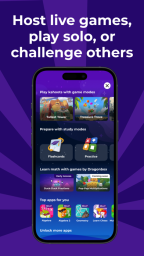
What I like most about Kahoot! is how quickly it changes the mood of a room. A quiet group can become energetic in seconds because the format is so easy to understand. Players join with a code, answer questions on their own devices, and watch the leaderboard shift after each round. There is almost no barrier to participation, which makes it useful for classrooms, workshops, training sessions, team meetings, language practice, family games, and casual events where people need a reason to pay attention.
A Bright Quiz Show Aesthetic That Makes Learning Feel Less Heavy
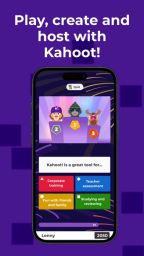
The visual style of Kahoot! is one of its most recognizable qualities. It uses bold colors, large shapes, clear answer buttons, playful icons, and fast transitions. Nothing about it feels quiet or academic in the old-fashioned sense. It looks more like a digital game show than a test, and that is exactly why it works.
I enjoy how readable the interface is. Each answer option has a color and shape, so players can respond quickly even when the room is moving fast. This is especially useful for younger learners or mixed groups where not everyone is equally comfortable with digital tools. The design reduces hesitation and keeps attention on the question.
The music also contributes to the aesthetic. It creates urgency, sometimes too much urgency, but it gives the experience a clear rhythm. A Kahoot! session rarely feels flat. The combination of timer, colors, sounds, and rankings makes the quiz feel alive, even when the topic itself is ordinary.
The Main Characters Are the Players in the Room
Kahoot! does not have main characters in a story-driven sense. The main characters are the players themselves. Their nicknames, reactions, guesses, victories, mistakes, and sudden leaderboard jumps create the entertainment. That is one of the platform’s smartest qualities: it turns participants into the show.
I like how the nickname system adds personality before the quiz even begins. A group of students, coworkers, or friends can instantly make the session feel more playful through the names they choose. The host becomes part teacher, part presenter, and part referee, guiding the experience while the players compete for points.
The leaderboard gives every session a small narrative. Someone starts strong. Someone climbs unexpectedly. Someone answers too quickly and drops. Someone guesses correctly at the last second and suddenly becomes a threat. These tiny shifts keep people emotionally invested, even when the quiz is only a few minutes long.
The Gameplay Is Simple, Fast, and Very Social
The core gameplay is beautifully simple. I read or listen to a question, choose an answer before the timer ends, and earn points based on correctness and speed. That simplicity is the foundation of Kahoot!’s appeal. Players do not need a long tutorial. They understand the rules almost immediately.
The speed-based scoring adds tension. It is not enough to know the answer; I also need to respond quickly. This creates excitement, but it can also change how people think. Sometimes I feel the pressure to tap fast instead of carefully reading every option. That can be fun in casual sessions, but in serious learning contexts, the host needs to balance speed with comprehension.
What makes the format work especially well is the shared screen experience. Everyone looks at the same question, answers privately, and then reacts together when the result appears. That group rhythm makes Kahoot! more social than a standard online quiz. It is not just assessment. It is a shared moment.
Great for Review, Practice, and Energy Shifts
Kahoot! is at its best when used for review or reinforcement. If a group has already learned a topic, a Kahoot! quiz can refresh memory, reveal weak spots, and make repetition feel less boring. I find it especially useful for vocabulary, facts, definitions, basic concepts, training checks, and quick knowledge warm-ups.
It also works well as an energy reset. In a long class, webinar, or meeting, attention can drop quickly. A short Kahoot! session can wake people up because it asks them to act, compete, and react. The format turns passive listeners into active participants almost instantly.
I would not use it as the only teaching method, though. Kahoot! is strongest as a companion tool. It can test recognition, encourage recall, and create engagement, but deeper explanation still needs discussion, examples, practice, or follow-up tasks. The platform sparks attention; the learning design around it determines how much knowledge actually sticks.
Creating a Quiz Is Easy, But Good Questions Still Matter
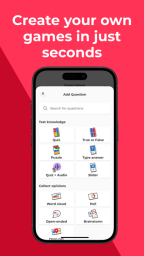
Making a Kahoot! quiz is fairly straightforward. I can create questions, add answer options, mark the correct response, set timers, include images, and arrange the flow. The editor is approachable, which is important because teachers, trainers, and presenters often need to build content quickly.
However, the quality of the experience depends heavily on question design. A weak quiz can feel shallow, even if the platform looks exciting. Good Kahoot! questions need clarity, fair answer options, appropriate timing, and a useful learning purpose. The best questions make players think without confusing them.
I also like when hosts mix question types and pacing. A session made only of obvious multiple-choice questions can become repetitive. Adding images, true-or-false prompts, polls, puzzles, or discussion breaks can make the quiz feel more varied. Kahoot! gives the tools, but the host still needs to shape the experience thoughtfully.
Competition Can Motivate, But It Needs Care
The competitive side of Kahoot! is one of its biggest strengths. Points, streaks, rankings, and podium moments make players care about the outcome. I have seen people become surprisingly invested in answering a simple quiz question because they want to keep their position on the leaderboard.
That motivation can be powerful. Competition adds urgency and encourages focus. It makes review feel like a challenge rather than a chore. For many groups, that is exactly what makes Kahoot! memorable.
At the same time, competition can create pressure. Some learners may feel embarrassed if they fall behind, answer incorrectly, or struggle with speed. This is why I think the host’s tone matters. When the atmosphere stays playful, the leaderboard is fun. When it feels too serious, the same ranking system can become stressful. Kahoot! works best when winning is exciting but mistakes remain safe.
The Platform Works Across Many Settings
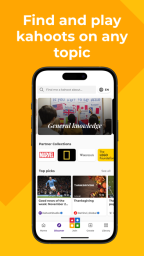
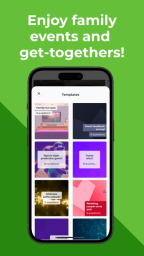
One of Kahoot!’s biggest advantages is flexibility. It can fit a school classroom, university lecture, corporate training session, online workshop, language lesson, onboarding program, or family game night. The same basic format adapts easily because almost any topic can become a quiz.
I especially like how useful it is for mixed-device environments. Players can join from phones, tablets, or computers, which makes participation convenient. The joining process is simple enough that most groups can start quickly once they have the game PIN.
Remote and hybrid sessions can also benefit from Kahoot!, though the energy feels different from an in-person room. Online, the quiz still creates interaction, but some of the laughter and immediate reactions depend on whether people are using cameras, chat, or voice. The platform provides the structure; the host still has to create the social atmosphere.
Reports and Feedback Add Practical Value
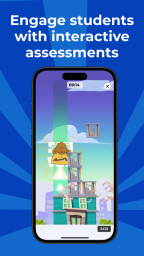
Beyond the fun, Kahoot! can be useful because it provides feedback. After a session, results can show which questions were difficult, which players struggled, and which concepts need more review. This makes it more than a party quiz tool when used properly.
I like that the data can help a teacher or trainer adjust the next step. If most players miss the same question, that is a sign the concept needs explanation. If only a few players struggle, the host can offer targeted support. The quiz becomes a quick diagnostic tool.
The feedback is not perfect, because speed-based answers do not always show deep understanding. Someone may know the concept but tap too slowly. Someone else may guess quickly and get lucky. Still, the results are useful when interpreted carefully and combined with other forms of assessment.
Where Kahoot! Feels Best and Where It Feels Limited
Kahoot! feels best when the goal is engagement, review, recall, or group participation. It makes learning feel less static and gives people a reason to interact with the material. For quick checks and lively sessions, it is one of the most effective tools I have used.
It feels more limited when the topic requires deep reasoning, long written answers, complex problem-solving, or reflective discussion. The platform can support some variety, but its strongest identity is still fast-response quiz play. Not every subject fits that rhythm equally well.
I also notice that the excitement can become routine if used too often. Kahoot! works best as a well-timed activity rather than the only engagement strategy. When it appears at the right moment, it can make a lesson or meeting feel fresh. When every session depends on it, the novelty may fade.
Pros
- Works across phones, tablets, computers, and shared screens
- Quiz creation tools are approachable for teachers and presenters
- Reports can help identify weak topics and guide follow-up learning
Cons
- Speed-based scoring can reward quick tapping over careful thinking
- Competition may feel stressful for some learners
- Repetitive use can reduce the excitement over time