
That's not my Neighbor Summary
Get From the Official Digital Markets
All trademarks belong to their
respective owners.
That’s Not My Neighbor feels like a game built around a simple question that quickly turns into a tense test of observation and decision-making. I entered it expecting a straightforward identification challenge, but what impressed me most was how effectively the game creates suspense through small details. Instead of relying on complicated mechanics, it asks me to pay attention, analyze information, and trust my judgment.
What makes That’s Not My Neighbor interesting is the way it transforms an everyday situation into something mysterious. The idea is easy to understand, but every interaction creates uncertainty. A small mistake, a missed detail, or a wrong decision can completely change the outcome.
I like games that make ordinary actions feel important. Checking information, comparing details, and deciding who belongs where become surprisingly engaging because the atmosphere creates constant pressure.
A Strange Building Full of Secrets
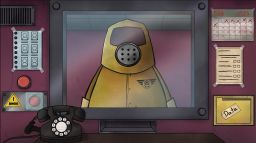
The setting of That’s Not My Neighbor immediately creates a unique atmosphere. The game takes place in a familiar environment, but something feels unusual from the beginning.
I enjoy how the location feels simple yet mysterious. The building itself becomes part of the experience because every visitor, document, and detail can contain important information.
The design creates a feeling of curiosity. Instead of exploring a huge world, I focus on a small space where every element matters.
The Player Becomes the Investigator
The main character in That’s Not My Neighbor is essentially the player’s perspective. I am responsible for observing, checking information, and making decisions based on what I discover.
I like this approach because it creates personal involvement. The game does not give me a powerful hero or complicated abilities. My attention and reasoning become the main tools.
This makes success feel earned. When I make the correct decision, it feels like the result of careful observation rather than luck.
Observation Becomes the Main Gameplay Mechanic
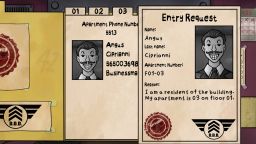
The strongest part of That’s Not My Neighbor is the focus on details. The game encourages me to carefully examine information instead of making quick assumptions.
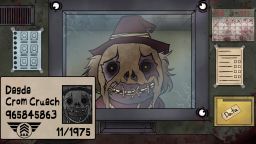
I enjoy how small differences become important. Appearance, documents, behavior, and other details can influence my choices.
This creates a unique type of challenge because the game rewards patience. Rushing often leads to mistakes, while careful attention creates better results.
The Suspense Comes From Uncertainty
That’s Not My Neighbor creates tension without needing constant action. The suspense comes from not knowing whether a situation is safe or suspicious.
I like this style because it creates a psychological challenge. The game makes me question my decisions and think carefully about every interaction.
The uncertainty keeps the experience engaging because each encounter feels like a new problem to solve.
The Characters Create the Mystery
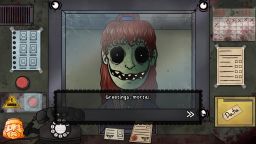
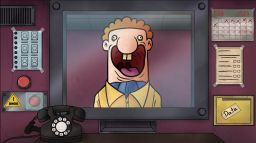
The visitors and characters in That’s Not My Neighbor are what make the game memorable. Each interaction creates questions and encourages closer attention.
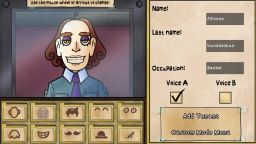
I enjoy how characters are designed to create curiosity. Their appearances and behaviors become part of the investigation process.
The unusual designs also add personality. The game uses strange and memorable characters to strengthen the mysterious atmosphere.
The Visual Style Builds an Uncomfortable Mood
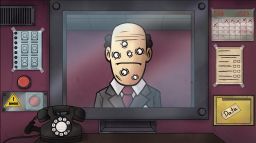
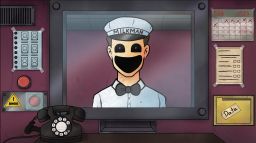
The visual design of That’s Not My Neighbor plays a major role in creating the game’s atmosphere. The style feels simple, but that simplicity helps maintain focus on the important details.
I like how the visuals create tension without overwhelming the player. The unusual character designs and environment details make the experience memorable.
The presentation supports the mystery because it encourages me to look closer and question what I see.
The Horror Elements Depend on Atmosphere
Unlike many horror games that focus on direct threats, That’s Not My Neighbor creates fear through anticipation. The uncomfortable feeling comes from uncertainty and the possibility of making the wrong choice.
I appreciate this approach because it shows that horror does not always require constant action. A tense situation and a difficult decision can create just as much impact.
The atmosphere makes even simple tasks feel meaningful.
The Gameplay Loop Is Simple but Effective
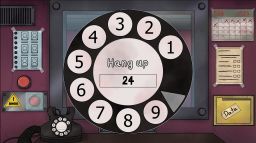
The main gameplay loop of checking, comparing, and deciding is easy to understand. However, the simplicity allows the focus to remain on strategy and observation.
I enjoy games where a small number of mechanics are used creatively. That’s Not My Neighbor proves that a clear concept can create an engaging experience.
The challenge comes from improving my own judgment rather than unlocking complicated systems.
The Sound Design Strengthens the Tension
Sound plays an important role in creating the atmosphere of That’s Not My Neighbor. Small audio details help build suspense and make interactions feel more serious.
I like how sound supports the feeling of uncertainty. A quiet environment can sometimes create more tension than a loud and chaotic one.
The audio design helps make the player feel focused and alert.
The Learning Curve Rewards Experience
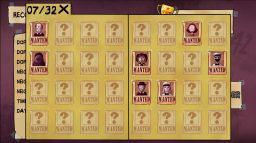
One of the most satisfying parts of That’s Not My Neighbor is how improvement comes from experience. At first, situations may feel confusing, but over time I become better at noticing important details.
I appreciate games where knowledge becomes the main advantage. Progress is not only about completing objectives but also about becoming more observant.
This creates a rewarding feeling because improvement is connected to personal skill.
The Replay Value Comes From Better Decisions
Replay value in That’s Not My Neighbor comes from the desire to improve. After learning from mistakes, I can return and make smarter decisions.
I like how repeated attempts can feel different because my understanding changes. The same situation can create a completely different result depending on my choices.
This encourages players to continue experimenting and improving.
The Community Adds to the Experience
Games like That’s Not My Neighbor often become more interesting when players share discoveries, theories, and reactions.
I enjoy how a mysterious game can create conversations between players. Discussing unusual situations and comparing experiences adds another layer to the enjoyment.
The community aspect helps keep interest alive beyond the first playthrough.
Where That’s Not My Neighbor Feels Strongest and Where It Has Limits
That’s Not My Neighbor feels strongest when it focuses on observation, atmosphere, and psychological tension. The game creates an engaging experience by making simple decisions feel important.
The main limitation is that players who prefer action-heavy gameplay or large adventures may find the experience too focused on one central mechanic.
For me, That’s Not My Neighbor succeeds because it understands the power of a simple idea. Careful observation, uncertainty, and atmosphere are enough to create a memorable challenge.