Get From the Official Digital Markets
All trademarks belong to their
respective owners.
Coco Summary
Coco Photo Gallery
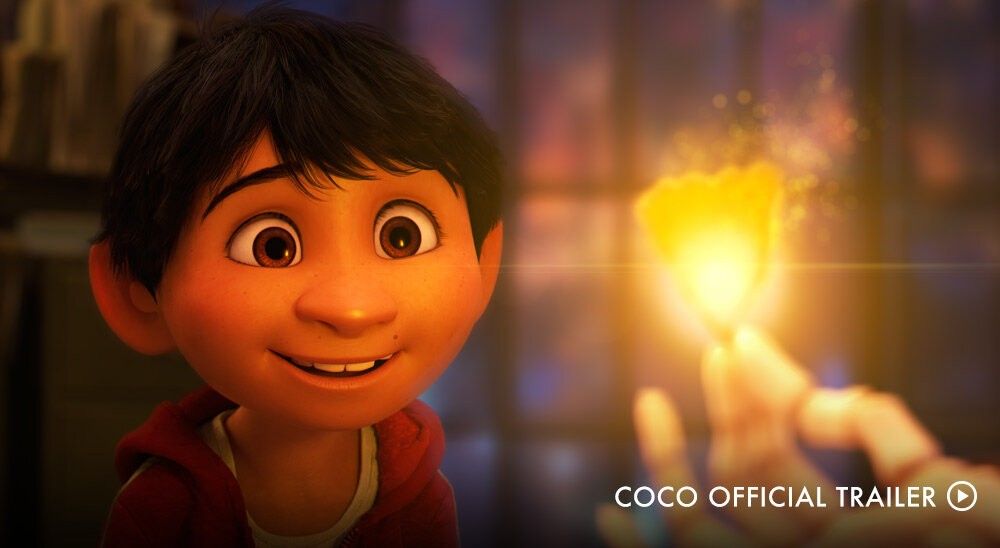
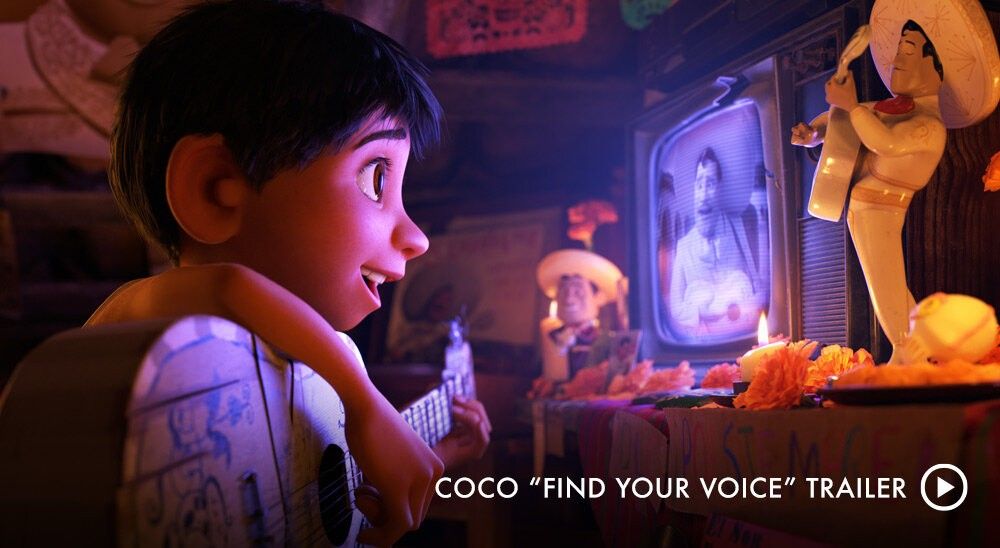
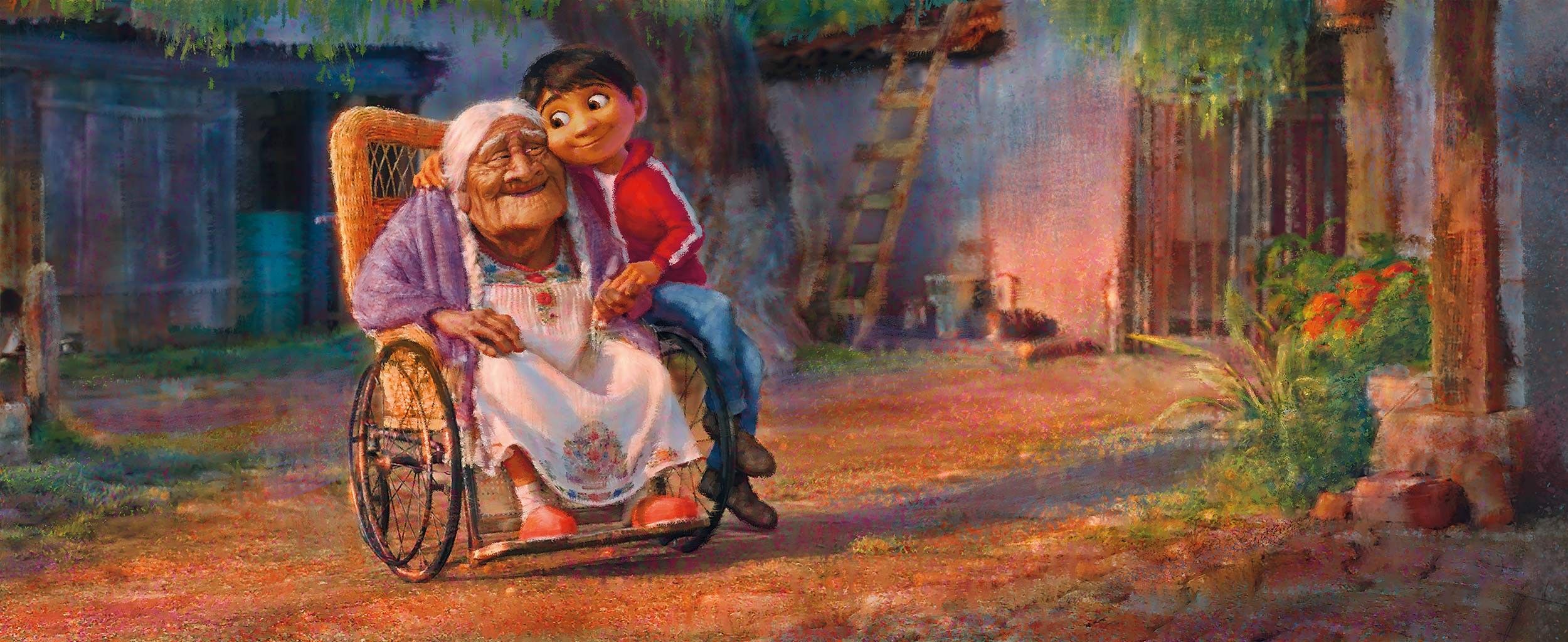
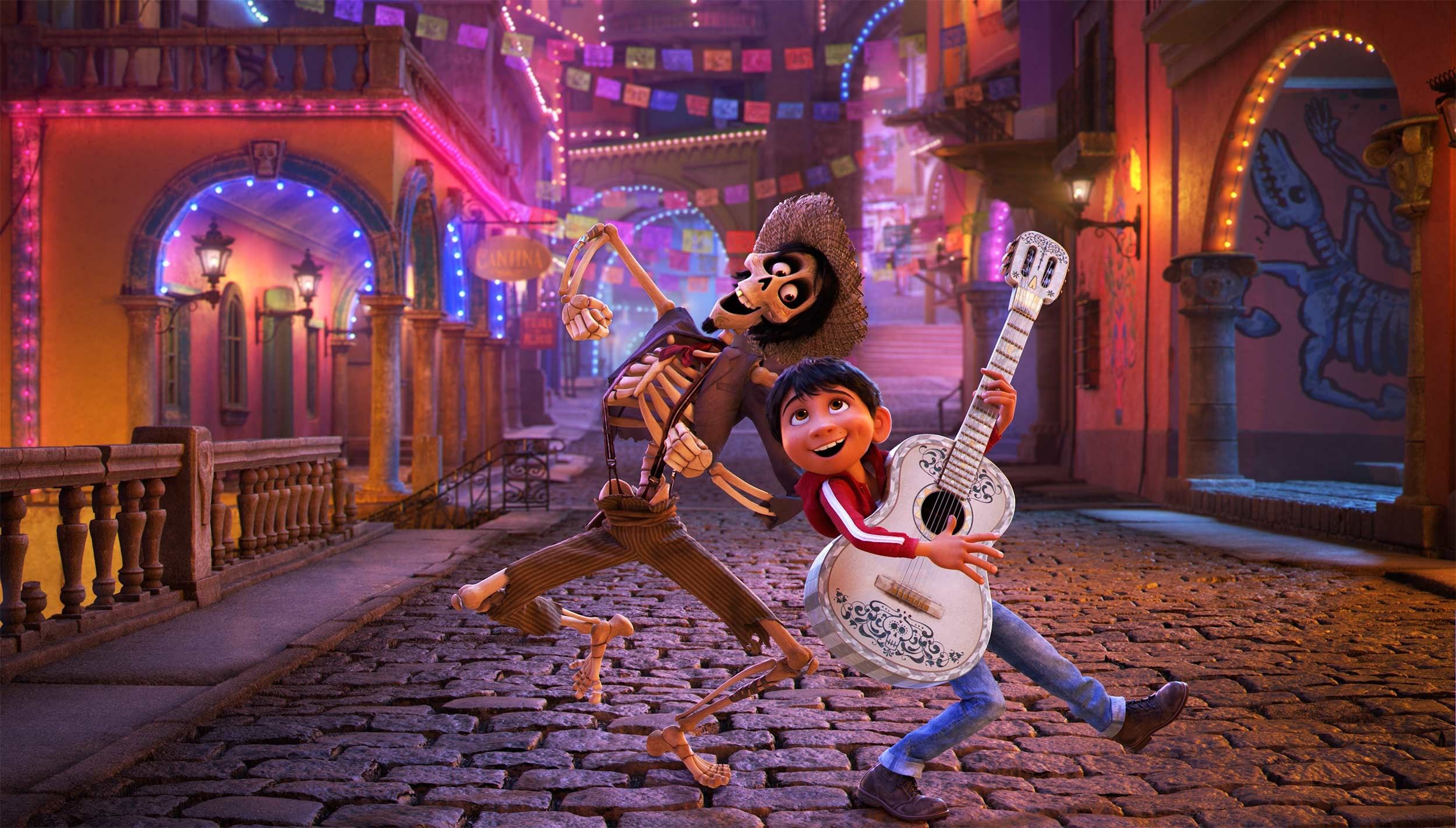


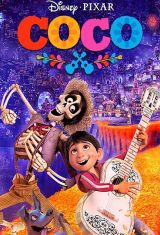
There are animated films that entertain for ninety minutes, and then there are animated films that quietly rearrange the way a viewer thinks about family stories. Coco belongs to the second group. It is colorful, musical, funny, and full of visual imagination, but its strongest power comes from a very human question: what happens to people when no one remembers them? That idea gives the movie a tenderness that stays long after the final song. Coco is not only about a boy chasing a dream of becoming a musician. It is about memory as love, music as inheritance, and family history as something that can hurt, heal, confuse, and connect generations.
Miguel Makes the Story Feel Personal Before It Becomes Magical
Miguel is the emotional doorway into Coco. He is young, passionate, impatient, and convinced that music is not just a hobby but the center of who he is. His family’s ban on music creates an immediate conflict that is easy to understand. He does not simply want to rebel for the sake of rebellion. He wants permission to be himself.
IMDb’s synopsis describes Miguel as a boy who dreams of becoming a musician like his idol Ernesto de la Cruz, despite his family’s generations-old ban on music. That setup works because it gives Miguel a clear emotional goal before the fantasy adventure begins. By the time he enters the Land of the Dead, I already understand why music matters to him so much.
The Land of the Dead Is One of Pixar’s Most Beautiful Worlds
The Land of the Dead is visually stunning because it feels enormous without losing warmth. Towers of glowing homes rise upward like memory itself has become architecture. Bridges made of marigold petals shimmer with golden light. Skeleton crowds move through streets, stations, parties, offices, and family spaces as if the afterlife has its own busy social rhythm.
I love that the world does not feel like a gloomy place. Coco imagines the Land of the Dead as colorful, active, and deeply connected to family remembrance. The design turns a heavy subject into something approachable without making it shallow. The movie lets children see the afterlife as a place of connection, while adults can feel the sadness underneath the beauty.
-
The marigold bridge gives the film one of its most memorable images;
-
The vertical city design makes the Land of the Dead feel huge and layered;
-
The skeleton characters are expressive rather than frightening;
-
The bright color palette helps the movie discuss loss without becoming visually cold;
Music Is Not Decoration Here
In Coco, music is not just something added to make the film more entertaining. It is the story’s emotional engine. Miguel uses music to express identity. Ernesto de la Cruz represents fame, performance, and myth. Héctor carries music as memory, regret, and love. The Rivera family’s rejection of music is not random; it is tied to pain passed down through generations.
That is why the songs feel meaningful. They are not simply pauses between plot points. They reveal what characters believe, hide, desire, or remember. The film’s most famous song works so well because it changes meaning depending on who sings it, who hears it, and what the audience has learned by that moment. Coco understands that a song can be a secret, a promise, a wound, and a bridge.
Héctor Gives the Movie Its Most Human Sadness
Héctor begins as a comic trickster, and that first impression is useful. He is messy, desperate, charming, and clearly not as important as he wants people to believe. But the more time the story spends with him, the more he becomes the film’s emotional center. His humor slowly reveals loneliness, fear, and a longing to be remembered.
Rotten Tomatoes summarizes Miguel and Héctor’s journey as an adventure to unlock the real story behind Miguel’s family history. That description is simple, but the emotional turn is powerful. Héctor is not only helping Miguel get home. He is also fighting against disappearance. His story makes the movie’s idea of remembrance feel urgent rather than decorative.
Ernesto de la Cruz Is a Clever Twist on Celebrity Myth
Ernesto de la Cruz is a fascinating figure because he represents the fantasy Miguel thinks he wants. He is glamorous, adored, theatrical, and remembered by everyone. His image is everywhere, and his songs have become part of public memory. At first, he looks like proof that following music leads to greatness.
What I like is that Coco gradually questions the difference between being famous and being loved. Ernesto has statues, recordings, fans, and a heroic public image, but the film asks whether public memory is the same as truth. That theme feels very modern, even though the movie is rooted in family tradition. Coco understands that legends can be built from performance, while real love often survives in quieter places.
-
Ernesto represents fame, ambition, and public image;
-
Héctor represents memory, regret, and personal love;
-
Miguel is caught between admiration and truth;
-
The film contrasts celebrity legacy with family remembrance;
The Rivera Family Conflict Feels Painful Because Both Sides Have a Reason
One of Coco’s smartest choices is that Miguel’s family is not simply wrong in a cartoonish way. Their ban on music comes from inherited hurt. Abuelita’s strictness may be frustrating, but it comes from a protective tradition shaped by family pain. The movie gives Miguel a real reason to resist, but it also gives the family a real reason to fear what music represents.
This makes the conflict stronger. If the family were only unreasonable, Miguel’s journey would be too simple. Instead, Coco shows how families can protect old wounds so fiercely that they accidentally wound the next generation. That idea feels honest. Love can preserve memory, but it can also preserve misunderstanding.
Mamá Coco Is Quiet, but She Holds the Whole Film Together
Mamá Coco does not need many lines to matter. Her presence gives the film its title, its emotional mystery, and its deepest meaning. She represents memory at its most fragile. The story around her is not loud, but it is devastating because the movie understands how much can be held in a face, a song, or a name.
Ana Ofelia Murguía is listed among the voice cast, and her role as Mamá Coco became one of the film’s most emotionally remembered elements. The character works because she is not used as a gimmick. She is the living connection between past and present, between family myth and family truth.
The Cultural Detail Gives the Movie Its Texture
Coco is inspired by Mexico’s Día de los Muertos, and the film’s respect for that tradition is one of the reasons it feels so rich. Vanity Fair reported that Pixar used cultural consultants and conducted research trips to Mexico, visiting families and studying local traditions, while also noting the importance of Adrian Molina’s own background in a multi-generational Mexican household.
That research matters because the film feels specific rather than generic. The ofrendas, marigolds, music, family photos, food, shoes, streets, colors, and community rhythms all help create a world with cultural personality. Coco’s emotional themes are universal, but the movie is stronger because it tells them through a specific tradition rather than sanding everything into bland global fantasy.
-
Día de los Muertos gives the story its spiritual and visual framework;
-
Family photos become active symbols of memory;
-
Music connects personal dreams with cultural inheritance;
-
The film’s specificity makes its universal themes feel more grounded;
The Animation Balances Spectacle With Small Emotional Details
Pixar’s animation in Coco is technically impressive, but the film’s beauty is not only in big wide shots. The small details matter just as much. The movement of skeleton characters, the glow of petals, the texture of old photographs, the warmth of candlelight, and the expression in Miguel’s face all create emotional clarity.
I especially appreciate how readable the skeleton characters are. They could have looked stiff or strange, but the animation gives them personality, humor, and softness. The film manages to make bones and skulls feel lively without losing the story’s connection to mortality. That is a delicate tonal achievement.
The Humor Helps the Heavy Themes Feel Accessible
Coco deals with memory, loss, family wounds, and the fear of being forgotten, but it is never only heavy. Dante, the skeletal crowds, Héctor’s schemes, the bureaucracy of the afterlife, and Miguel’s awkward improvisations keep the film playful. The humor is important because it gives younger viewers space to breathe.
I like that the comedy usually grows from character and worldbuilding rather than random noise. Dante is silly, but he also becomes part of the story’s spiritual texture. Héctor is funny, but his jokes hide desperation. The afterlife rules are amusing, but they also reveal the stakes. Coco’s humor supports the emotion instead of distracting from it.
The Story Rewards Careful Attention
Coco is easy to follow, but it is also carefully structured. Family details introduced early return with new meaning later. Songs shift emotional weight. Character images change as the truth becomes clearer. The film has the satisfying feeling of a mystery that was hiding in plain sight.
That structure makes the movie rewatchable. On a first viewing, the adventure carries the story forward. On later viewings, the small clues and emotional echoes become more visible. I notice how carefully the film places names, photos, songs, and family rules. It is not only beautiful; it is tightly built.
-
Early family details become more meaningful later;
-
Songs change meaning as the story reveals new information;
-
The family mystery gives the adventure emotional direction;
-
Rewatching makes the structure feel even more deliberate;
The Voice Cast Gives the Film Warmth and Identity
The voice cast helps Coco feel alive. Anthony Gonzalez gives Miguel energy and sincerity. Gael García Bernal makes Héctor charming, funny, and wounded. Benjamin Bratt gives Ernesto de la Cruz the polished confidence of a performer who knows how to own a stage. The cast list also includes Alanna Ubach, Renée Victor, Ana Ofelia Murguía, and Edward James Olmos.
I think the performances work because they feel emotionally specific. Miguel’s excitement never feels fake. Héctor’s humor has sadness under it. Ernesto’s grandeur has a theatrical shine. The family members feel loud, loving, stubborn, and deeply connected. The voices give the animation cultural and emotional texture.
The Movie’s Message Is Simple, but Not Shallow
Coco’s central message could be summarized very simply: remember your family, but do not lose yourself inside family expectations. What makes the film strong is that it explores both halves of that idea. Miguel must respect the past, but his family must also understand that love cannot mean controlling the future.
This balance keeps the movie from becoming a one-sided lesson. Miguel is not told to abandon his dream. His family is not told to abandon tradition. The answer is more generous: truth can repair memory, and memory can make room for new life. That is a beautiful idea for a family film.
Coco 2 Makes the Original Feel Even More Important
Disney and Pixar have announced that Coco 2 is in development, with the original creative team including Lee Unkrich and Adrian Molina returning, and the sequel expected for theaters in 2029. AP also reported that the first film grossed more than $814 million globally and won two Oscars, among other awards.
That future sequel makes the original worth revisiting carefully. Coco became beloved because it felt complete, emotionally precise, and culturally specific. Any continuation has a difficult task ahead, because the first film’s ending is so satisfying. The original does not feel like a setup. It feels like a finished family song.
Where Coco Feels Most Effective
Coco is most effective when music, memory, and family truth all meet in the same scene. The film’s biggest emotional moments do not rely only on spectacle. They rely on recognition: a face remembering, a song returning, a name becoming important again, a child understanding that family history is more complicated than he thought.
The movie also succeeds because it trusts children with serious emotions. It does not hide sadness, but it presents sadness through beauty, humor, and warmth. That is why Coco works for different ages. Children can follow Miguel’s adventure. Adults may feel the deeper ache of memory, aging, and unfinished goodbyes.
Where Coco Feels Less Strong
The film is so emotionally polished that some plot turns may feel easy to predict for experienced viewers. The structure follows a clear family mystery path, and the villain reveal may not surprise everyone. Still, the emotional execution is strong enough that predictability does not weaken the impact very much.
Another possible limitation is that the film’s intensity may be heavier than some families expect from a bright Pixar adventure. Coco is warm and funny, but it deals directly with death, remembrance, and separation. For many viewers, that is exactly what makes it meaningful. For very sensitive children, it may need a little conversation afterward.