Ms Rachel Summary
Get From the Official Digital Markets
All trademarks belong to their
respective owners.
Ms Rachel is a rare example of children’s content that understands one simple idea: young children do not just watch, they participate. The experience is built around looking at faces, repeating sounds, singing songs, copying gestures, answering questions, and feeling like the person on screen is actually communicating with them. Instead of creating a fast-moving cartoon world full of constant visual surprises, Ms Rachel builds a calmer learning environment where interaction becomes the main feature.
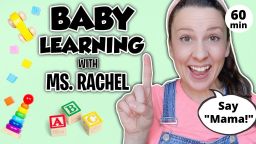
When I look at Ms Rachel as a product, I do not see it as just another kids’ video channel. It works more like a digital learning companion for toddlers and preschoolers. The format combines songs, repetition, language exercises, early concepts, movement, and simple conversations. The result is content designed to feel like playtime while quietly encouraging children to practice communication and observation skills.
The Product List Places Ms Rachel as Educational Video Content
Your product list marks Ms Rachel as an active Movies & TV Series entry, with the type listed as Other and a YouTube channel link. That classification makes sense because Ms Rachel is not a traditional movie or TV franchise. It is an educational media brand built around online videos, streaming collections, and learning-focused entertainment.
The official Ms Rachel website describes videos created for different ages and stages, including early language development, phonics, and learning to read. Netflix also presents Ms Rachel as an interactive kids series focused on letters, numbers, colors, shapes, animals, speech development, and songs.
-
The uploaded list identifies Ms Rachel as active;
-
The product belongs to Movies & TV Series but functions as educational media;
-
The main platform connection is YouTube;
-
The strongest search intent is around toddlers, speech development, learning videos, songs, and educational content;
The Biggest Strength Is Direct Interaction
Many children’s videos are designed to entertain from a distance. Ms Rachel tries to remove that distance. The host looks directly at the camera, pauses for responses, models sounds, repeats words, uses gestures, and encourages children to copy actions. That creates a feeling closer to a real conversation.
I think this is the reason the format works so well for young viewers. Toddlers often learn through imitation. Seeing a person clearly pronounce words, exaggerate expressions, and wait for a response creates opportunities for participation instead of passive watching.
The official YouTube description for Ms Rachel’s learning videos highlights strategies for encouraging first words, first sentences, gestures, colors, animals, and imaginative play.
The Learning Style Feels More Like Play Than a Lesson
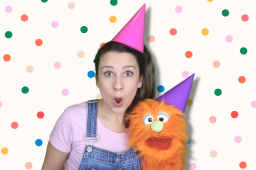
The best educational content for young children rarely feels like homework. Ms Rachel understands that. Instead of presenting information like a classroom lecture, the videos use songs, movement, repetition, puppets, and playful scenarios.
I like this approach because toddlers are naturally curious but have limited attention spans. A traditional explanation about letters or sounds may lose them quickly. A song about the same concept can keep them engaged long enough for learning to happen naturally.
-
Songs make repetition feel enjoyable;
-
Gestures give children another way to understand concepts;
-
Simple language supports early communication practice;
-
Playful presentation helps children stay interested longer;
Speech Development Is the Main Identity of the Brand
One of the biggest reasons families discover Ms Rachel is the focus on speech and communication. The videos frequently model sounds, words, expressions, and conversational patterns that encourage children to respond.
I think the strongest part of the format is that it gives parents ideas too. Adults watching alongside children can learn songs, gestures, and interaction techniques that they can repeat away from the screen. The content works best when it becomes a starting point for real communication, not a replacement for it.
The official website also notes that the videos are designed to support learning and development but are not a replacement for professional speech therapy.
The Host Makes the Content Feel Personal
A major difference between Ms Rachel and many educational channels is the personality of the host. The videos are not only about information. They are about connection. The tone is warm, patient, expressive, and intentionally repetitive.
For very young children, personality matters. A child may not remember a lesson about a letter, but they may remember the person who made learning feel exciting. Ms Rachel creates familiarity, which can make children more comfortable participating.
The Songs Are the Memory Engine
Songs are one of the strongest tools in early learning, and Ms Rachel uses them constantly. Music creates patterns, repetition, rhythm, and emotional connection. Children often remember melodies before they understand every word.
I think the musical structure is what makes the videos easy to revisit. A toddler can hear a song many times and still find it enjoyable because repetition itself becomes part of the experience. For parents, this can mean hearing the same song hundreds of times. Educational success occasionally comes with a soundtrack that permanently moves into your brain.
-
Music supports repetition and memory;
-
Songs encourage children to participate physically;
-
Rhythm makes language practice feel natural;
-
Repeated formats create comfort and familiarity;
The Visual Style Is Intentionally Simple
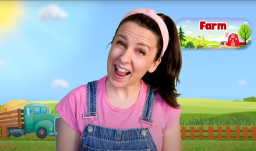
Ms Rachel does not compete with children’s content by creating the loudest or most visually intense experience. The presentation is usually simple: a person, a clear background, songs, objects, books, toys, and recognizable actions.
I appreciate this because younger children do not always need maximum stimulation. Clear visuals help them focus on faces, sounds, movements, and words. The simplicity is part of the educational design.
The Netflix Expansion Makes the Brand More Accessible
Ms Rachel expanded beyond YouTube through Netflix, where the series provides curated educational episodes focused on early learning topics. This makes the content easier for families who prefer streaming platforms with organized children’s sections.
I think this expansion helps the brand reach more households. YouTube offers flexibility and a huge library, while Netflix provides a more controlled viewing experience. Different families will prefer different formats, but the core idea remains the same: interactive learning through songs and communication.
It Works Best When Adults Participate
Although children can watch Ms Rachel independently, the strongest experience happens when caregivers join in. Singing together, repeating words, asking questions, and copying gestures transform screen time into shared activity.
I like that the content naturally encourages this. The videos often create pauses where a child can respond. That makes them feel less like a show playing in the background and more like an invitation to interact.
-
Parents can turn videos into shared learning moments;
-
Children can practice communication outside the screen;
-
Interaction makes the educational value stronger;
-
The content works best as a tool, not a replacement for real-world play;
The Brand Has a Clear Audience
Ms Rachel is clearly designed for babies, toddlers, preschoolers, and families interested in early learning. It is not trying to entertain every age group. That focus is one of its strengths.
I think many children’s brands become weaker when they try to appeal to everyone. Ms Rachel succeeds because it understands exactly who it serves. The pacing, language, visuals, and activities are built around young children developing foundational skills.
The Content Can Become Repetitive
The same repetition that makes Ms Rachel effective can also become its biggest limitation. Adults may find the songs, phrases, and structures repetitive after many views. But for toddlers, repetition is often exactly what makes learning possible.
This creates an interesting balance. What feels repetitive to adults may feel reassuring and useful to children. The key is variety outside the videos as well: books, conversations, outdoor play, creative activities, and real-world exploration should all remain part of learning.
-
Repetition supports early learning but may test adult patience;
-
Families benefit from combining videos with offline activities;
-
The format is intentionally consistent rather than constantly changing;
-
Young viewers often enjoy repetition more than adults expect;
The Educational Approach Feels Thoughtful
The official Ms Rachel materials describe the videos as playful and research-backed, covering areas such as communication, social-emotional learning, motor skills, and cognitive development.
I like that the content focuses on small developmental steps rather than trying to rush children toward advanced skills. Early learning is built from tiny moments: recognizing sounds, copying actions, naming objects, asking questions, and building confidence.
Ms Rachel Is More Than Entertainment
The reason Ms Rachel stands out is that it sits between entertainment and education. It is not a digital textbook, but it is also not just a collection of children’s songs. It creates a structured environment where fun and learning happen together.
I think this balance explains the popularity. Parents want content that feels meaningful. Children want content that feels enjoyable. Ms Rachel tries to satisfy both sides without making learning feel like a chore.
The Best Audience Is Families With Young Children
Ms Rachel is easiest to recommend to parents, caregivers, toddlers, preschoolers, and families looking for gentle educational content. It is especially appealing for children who enjoy songs, repetition, imitation, and interactive activities.
It is less ideal for families searching for advanced educational lessons, older children’s entertainment, or completely independent learning without caregiver involvement. The strength of Ms Rachel comes from connection.
-
Best for toddlers and preschool-aged children;
-
Strong for early language, songs, gestures, and basic concepts;
-
Useful for families who want interactive screen time;
-
Less suitable for older children seeking complex educational content;
Where Ms Rachel Feels Most Effective
Ms Rachel feels most effective when a child watches, responds, sings, points, moves, and interacts. The videos create opportunities for small learning moments that feel natural. A child repeats a word. Copies a gesture. Recognizes a color. Joins a song. Those small achievements are the entire point.
The brand succeeds because it respects how young children learn. It does not rush. It does not overwhelm. It creates a friendly space where curiosity and repetition work together.
Where Ms Rachel Feels Less Strong
Ms Rachel feels less strong when used as passive background entertainment for long periods. The content is designed around interaction, so the biggest value comes from participation.
It can also feel limited for children who have moved beyond early learning stages. The same qualities that make it effective for toddlers may make it less interesting for older kids.