Get From the Official Digital Markets
All trademarks belong to their
respective owners.
Dog Man Summary
Dog Man Photo Gallery
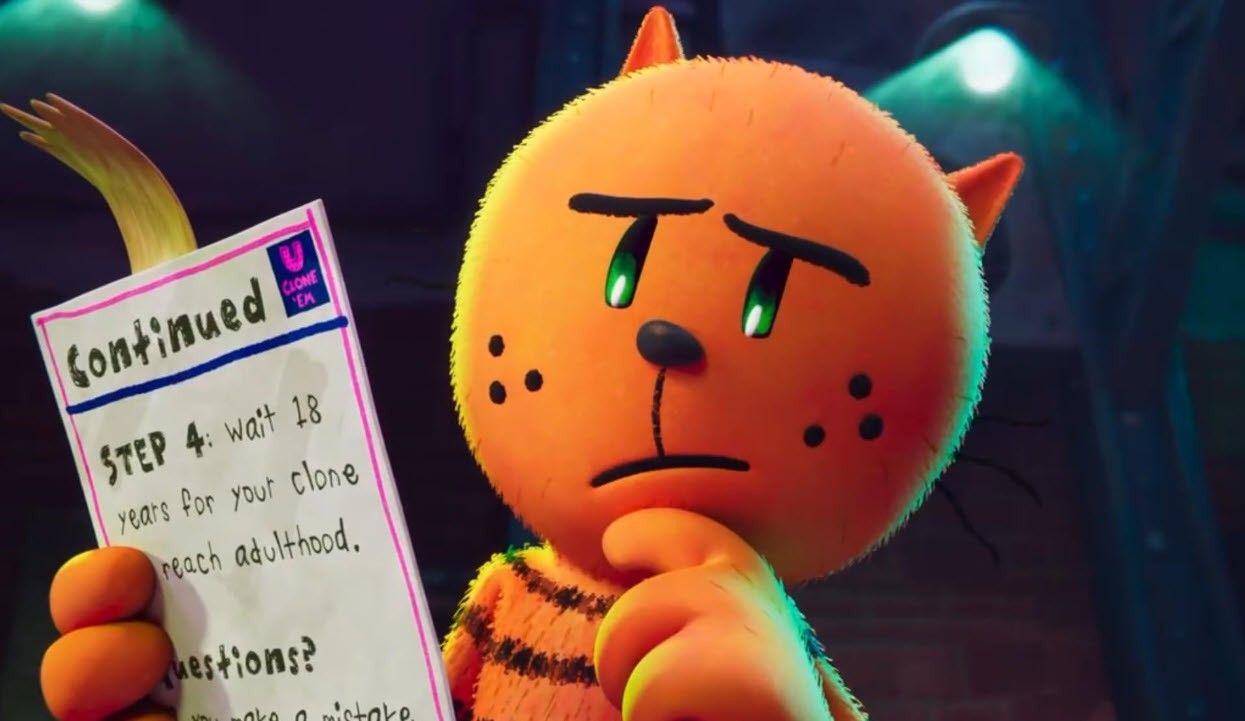
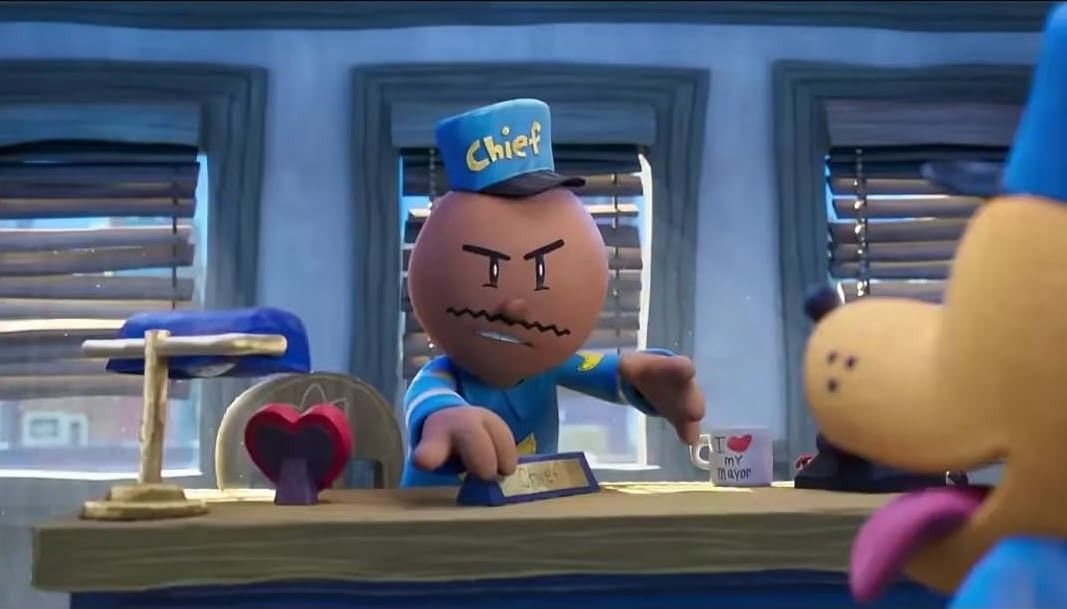
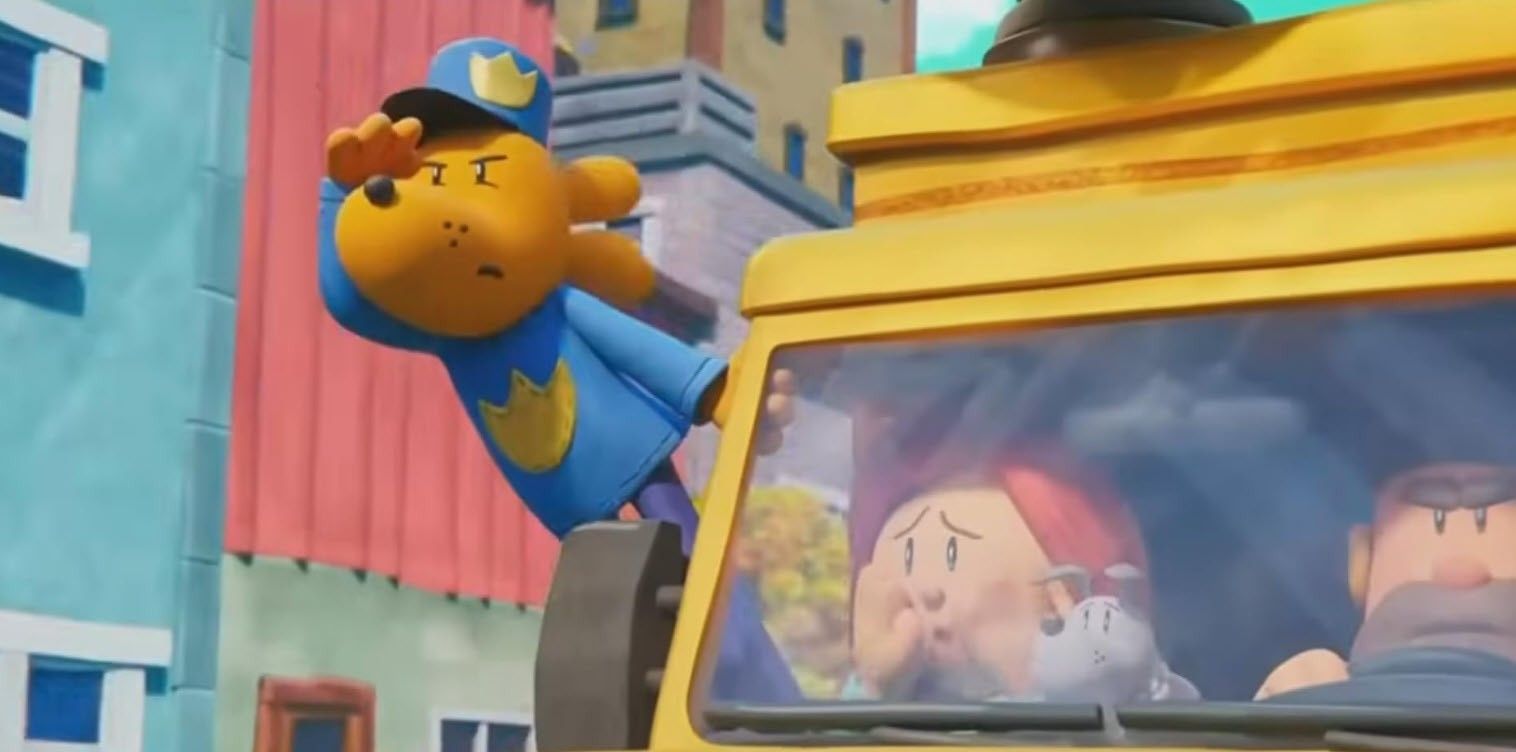
Dog Man arrives with the energy of a kid’s notebook that somehow escaped the desk, found a movie budget, and sprinted straight into a police chase. It is messy in a deliberate way, full of childish jokes, sudden action, visual exaggeration, goofy villainy, and emotional sweetness hiding under a mountain of nonsense. That is exactly the point. DreamWorks does not try to sand Dav Pilkey’s graphic-novel spirit into a polished superhero formula. The movie works best when it feels like a child is telling the story too quickly, laughing before the punchline, and still somehow landing on something sincere about friendship, forgiveness, and found family.
The Premise Is Absurd in the Best Possible Way
Dog Man begins from a very simple comic-book idea: a police officer and his dog are fused into one hero. IMDb summarizes the setup around a policeman and his police dog being combined after an accident, creating the title character. That sounds ridiculous because it is ridiculous, but the film understands that the absurdity is the appeal. Dog Man does not need a realistic origin story. He needs a premise that children can repeat in one sentence and immediately understand.
I like how quickly the movie accepts its own logic. It does not stop every few minutes to explain whether Dog Man is more dog, more man, or how the world legally handles a police officer with a tail. The story simply moves. Dog Man is here, he fights trouble, he wants approval, and he behaves with a sweet mix of heroic loyalty and canine instinct.
-
The origin is easy for young viewers to grasp immediately;
-
The dog-cop hybrid idea creates instant visual comedy;
-
The movie does not overexplain its own silliness;
-
The premise keeps the superhero story playful instead of serious;
Dog Man Works Because He Does Not Speak Like a Normal Hero
Dog Man is not a talkative superhero, and that helps the comedy. Instead of dramatic speeches, he communicates through movement, expressions, barks, loyalty, confusion, and action. That makes him feel closer to a silent cartoon character than a standard animated lead. The official DreamWorks site lists Peter Hastings as director, while IMDb also credits Hastings with the film and broader Dog Man material.
This mostly silent approach gives the character a broad physical appeal. Dog Man can be funny because he reacts like a dog in situations where everyone expects a professional officer. He can also be touching because his loyalty feels simple and direct. He does not need to explain his feelings every time. His behavior carries the joke and the heart.
Petey the Cat Gives the Movie Its Best Comic Rival
Petey is the kind of villain who works because he thinks he is much cooler than he is. Pete Davidson voices him, and that casting fits the character’s sarcastic, self-impressed energy. Rotten Tomatoes describes the story around Dog Man and Petey reluctantly joining forces when Li’l Petey falls into danger. That reluctant teamwork becomes the film’s strongest emotional engine.
I enjoy Petey because he gives the movie a sharper comic voice. Dog Man is physical and sincere. Petey is verbal, petty, insecure, and convinced he deserves more respect than the world gives him. That contrast makes their rivalry fun. The movie becomes more interesting when Petey is not only a villain to defeat, but a character whose own emotional gaps start to matter.
-
Petey gives the story sarcasm and villain comedy;
-
His rivalry with Dog Man creates a clear central conflict;
-
Pete Davidson’s voice performance fits Petey’s smug insecurity;
-
The character becomes more engaging when the story reveals his softer side;
Li’l Petey Adds the Heart That Balances the Noise
Li’l Petey is essential because the movie needs more than jokes and chases. He softens Petey’s story and gives Dog Man a reason to act beyond duty. The emotional material around Li’l Petey is simple, but it works because children’s stories often need direct emotional clarity. A small character asking for care can change the whole tone.
I like that Li’l Petey helps the film talk about family without becoming too heavy. Petey’s relationship with him is not instantly perfect. That is part of the charm. The movie lets affection arrive through discomfort, confusion, and reluctant responsibility. For a film with so many silly jokes, that emotional line is surprisingly useful.
The Movie Understands Dav Pilkey’s Kid-Logic Humor
Dog Man is based on Dav Pilkey’s bestselling children’s graphic novel series, itself connected to the Captain Underpants universe. People reported that the Dog Man books had sold more than 60 million copies worldwide and had been translated into 47 languages, which explains why the film arrived with such a large built-in audience.
The humor reflects that kid-first identity. There are puns, exaggerated reactions, silly names, cartoon violence, animal jokes, villain tantrums, and visual gags that feel intentionally immature. I do not think that is a weakness. Dog Man is not trying to be a sophisticated adult animation with a few child-friendly moments. It is children’s comedy first, and it is most honest when it embraces that.
-
The jokes feel connected to the original book series’ playful tone;
-
Childish humor is treated as a feature rather than something to hide;
-
Fast visual gags keep the story moving for younger viewers;
-
Adults may find some jokes very silly, but that matches the target audience;
The Animation Feels Like a Graphic Novel Jumping Around
DreamWorks gives Dog Man a bright, exaggerated visual style that suits the source material. The movie does not chase realism. It leans into squishy character movement, big expressions, simple shapes, bold staging, and action that feels more like comic panels coming alive than a traditional superhero blockbuster.
I think that is the right choice. A highly realistic Dog Man would probably look strange in the wrong way. The character needs a world where absurd police action, giant reactions, animal behavior, and emotional sweetness can all sit together. The animation keeps the tone bouncy enough that even danger feels safe for family audiences.
Ohkay City Is a Playground for Chaos
Ohkay City works as a loose cartoon environment rather than a deeply detailed fictional metropolis. It is a place where police stations, villain schemes, news reports, gadgets, chases, and public disasters can happen quickly without slowing the story. The city’s name itself feels like a joke, which fits the film’s personality.
I like that the setting does not ask for much realism. It exists to support momentum. Dog Man can run, leap, crash, chase, and rescue without the movie needing to explain municipal planning. The world feels like a comic strip expanded into a feature-length playground.
-
Ohkay City supports quick action and broad jokes;
-
The setting feels cartoonish rather than realistic;
-
Police and superhero elements are simplified for family comedy;
-
The city gives Dog Man and Petey plenty of room for visual chaos;
The Action Is Light, Fast, and Easy to Follow
Dog Man is full of action, but it is not intense in a serious superhero way. The action is readable, colorful, and built around comedy. Chases are less about suspense and more about speed, timing, and silly escalation. That makes the movie friendly for younger viewers who want excitement without heavy danger.
I appreciate that the film keeps the action visually clear. Young viewers should always know who is chasing whom, what went wrong, and why the joke landed. The movie’s energy can be frantic, but the staging usually remains easy enough to follow.
The Voice Cast Keeps the Comedy Moving
The film’s voice cast includes Pete Davidson, Poppy Liu, Lil Rel Howery, Isla Fisher, and Ricky Gervais, according to IMDb. The performances help sell the movie’s broad comic tone because the characters are not meant to sound naturalistic. They are heightened cartoon personalities.
Lil Rel Howery’s Chief adds a lot of irritated authority, while Isla Fisher’s reporter energy helps the city feel noisy and media-aware. Ricky Gervais brings a recognizable comic edge to Flippy. The cast works because everyone seems to understand the tone: big, bright, fast, and just ridiculous enough.
-
Pete Davidson gives Petey a sarcastic, restless voice;
-
Lil Rel Howery makes Chief’s frustration feel funny rather than harsh;
-
Isla Fisher adds lively reporter energy to the city scenes;
-
The cast supports the film’s exaggerated comic rhythm;
The Story Is Simple, but It Has a Real Emotional Spine
Dog Man does not have a complicated plot, and it does not need one. The movie is mainly about Dog Man, Petey, Li’l Petey, villain trouble, public chaos, and a reluctant shift from rivalry toward cooperation. The emotional spine comes from whether characters who seem built for conflict can learn care, trust, and responsibility.
I like that the movie finds some tenderness without abandoning silliness. It does not suddenly become a heavy drama. Instead, it lets emotional moments peek out between jokes. That is usually the best way to adapt this kind of children’s comedy: keep the laughs constant, but make sure the characters are not hollow.
The Family Message Is Direct and Useful
The film’s family message is easy to understand: people can change, care can arrive in unexpected ways, and even characters who act selfishly may need connection. Dog Man himself represents loyalty, while Petey’s arc gives the movie more emotional movement. Li’l Petey brings out questions of responsibility and affection without making the movie too serious.
This message works for children because it is not buried under complex symbolism. Dog Man is a loud, silly film, but it is also about learning not to treat relationships like inconveniences. That is a solid emotional idea for a movie built around a dog-headed police hero.
-
Dog Man represents loyalty and simple-hearted courage;
-
Petey’s arc adds responsibility and emotional growth;
-
Li’l Petey makes the family theme easier for children to feel;
-
The message is direct without turning the movie into a lecture;
The Pacing Is Very Fast, Sometimes Too Fast
Dog Man moves quickly, which makes sense for the target audience and source material. Box Office Mojo lists the runtime at 1 hour and 29 minutes, which keeps the movie compact. The short runtime helps the film avoid dragging, especially for younger viewers.
At the same time, the pace can feel crowded. Some jokes arrive before the previous one has fully landed. Some emotional beats could use a little more breathing room. The movie often chooses energy over reflection, and while that fits the brand, it can make the story feel slightly rushed in places.
The Movie Is Best for Children Who Already Like the Books
Dog Man is clearly made with Dav Pilkey’s readers in mind. The graphic-novel energy, humor, character names, and emotional simplicity all point toward children who already enjoy the books or similar chaotic school-library comedy. People noted that the books form a major publishing phenomenon, which makes the film’s built-in appeal easy to understand.
I think fans of the books will get more from the adaptation than viewers coming in cold. They are already prepared for the tone. They know the humor is supposed to be silly. They know Dog Man is not trying to be a conventional superhero. New viewers can still enjoy it, but Pilkey fans are the natural audience.
-
Book fans will understand the tone immediately;
-
The movie preserves the silly, fast, childlike spirit of the source;
-
New viewers can follow the story without deep franchise knowledge;
-
Adults who dislike juvenile humor may find the comedy too noisy;
The Box Office Shows the Brand Had Real Power
Dog Man performed strongly for a family animated release. Box Office Mojo lists its worldwide box office at about $146 million, with roughly $98 million domestic and $48 million international. AP also reported that the film opened at number one domestically with $36 million and had an “A” CinemaScore, showing strong early audience response.
That performance makes sense because the movie had several advantages: a popular book series, DreamWorks branding, a clear family audience, and a premise children can understand instantly. It is not a massive four-quadrant animated epic, but it did what it needed to do very well.
The Home Release Makes It Easy to Rewatch
DreamWorks’ official movie site says Dog Man is available now on Digital, Blu-ray and DVD. Universal’s home entertainment release also promoted deleted scenes, how-to-draw tutorials, recording booth bloopers, and Blu-ray/DVD availability from April 1, 2025.
I think that format fits the movie. Dog Man feels like the kind of film children may rewatch in pieces, returning to favorite jokes, chase scenes, and Petey moments. Bonus drawing materials also make sense because the original books are so connected to kid creativity, doodles, and comic-making energy.
-
Digital and disc availability makes the movie easy to revisit;
-
Bonus drawing materials fit the Dav Pilkey creative spirit;
-
The short runtime supports repeat family viewing;
-
The movie’s joke-heavy style works well for casual rewatching;
The UK Streaming Situation Is Clear Enough
Your product entry links to the UK JustWatch page, and that page currently lists Dog Man as streaming on Sky Go and Now TV Cinema, with buy options on Apple TV Store, Rakuten TV, Amazon Video, and Sky Store. That makes it fairly easy for UK viewers to find without confusing it with unrelated titles that share similar names.
This matters because there are other “Dog Man” or “Dogman” titles on streaming platforms. Using the DreamWorks-related JustWatch listing is important for avoiding the wrong movie. The correct film is the animated 2025 DreamWorks adaptation, not a documentary or unrelated thriller with a similar title.
The Humor Will Not Work for Everyone
Dog Man’s humor is proudly juvenile. That is not an insult; it is a description of the target. The movie likes silly names, animal gags, fast reactions, slapstick, exaggerated villain behavior, and jokes that feel like they were invented during recess. For children, that can be perfect. For adults expecting layered satire, it may feel thin.
I think the best way to approach Dog Man is to meet it on its own terms. It wants to be a funny, quick, child-friendly superhero comedy with a little heart. It is not trying to be a Pixar-style emotional drama or a sophisticated animated adventure. Its messiness is part of its design.
-
The comedy is aimed strongly at children and book fans;
-
Some adults may find the jokes too silly or repetitive;
-
The movie’s fast pace can make the humor feel crowded;
-
The emotional beats work best when accepted as simple and direct;
The Adaptation Respects Child Creativity
One of the best things about Dog Man is that it feels connected to the way children create stories. Kids often combine ideas without worrying whether adults think they match: police officer, dog, cat villain, clone kitten, city chaos, superhero action, silly jokes, big feelings. Dog Man celebrates that kind of imagination instead of correcting it.
I like that the movie does not seem embarrassed by its own source. The adaptation could have tried to make everything cooler, sleeker, or more adult. Instead, it keeps the core tone loud and playful. That respect for kid creativity is important because it is one of the reasons Pilkey’s work became so popular in the first place.
The Best Audience Is Younger Viewers and Pilkey Fans
Dog Man is easiest to recommend to children who already like the books, Captain Underpants-style humor, superhero silliness, and fast animated comedy. It is also a good family pick when parents want something light, short, and energetic rather than emotionally intense.
Adults may enjoy the movie more if they watch how children respond to it. Some jokes are not built for adult sophistication. They are built for laughter that arrives quickly and loudly. When viewed that way, Dog Man becomes easier to appreciate as a successful adaptation of a very specific children’s comedy voice.
Where Dog Man Feels Most Effective
Dog Man feels most effective when it lets absurdity and sincerity exist side by side. A chase scene can be ridiculous, Petey can be sarcastic, Dog Man can behave like a loyal pet, and Li’l Petey can still bring out a genuine emotional response. That mixture is the movie’s strongest flavor.
The film also succeeds because it knows its audience. It is quick, colorful, silly, and emotionally clear. It does not waste time pretending to be something else. For families looking for a kid-first animated comedy with action and heart, that confidence is useful.
Where Dog Man Feels Less Strong
The biggest weakness is that the story can feel too frantic. The movie moves from joke to chase to emotional beat very quickly, and some scenes might have worked better with more breathing room. The pace helps younger viewers stay engaged, but it can make the film feel slightly overstuffed.
The second weakness is limited adult depth. Dog Man has heart, but it is not layered in the way some family films are. Adults who want sophisticated humor, rich worldbuilding, or subtle character arcs may find the movie too simple. Children who want silly action and lovable chaos will probably be much happier.