Get From the Official Digital Markets
All trademarks belong to their
respective owners.
Coraline Summary
Coraline Photo Gallery
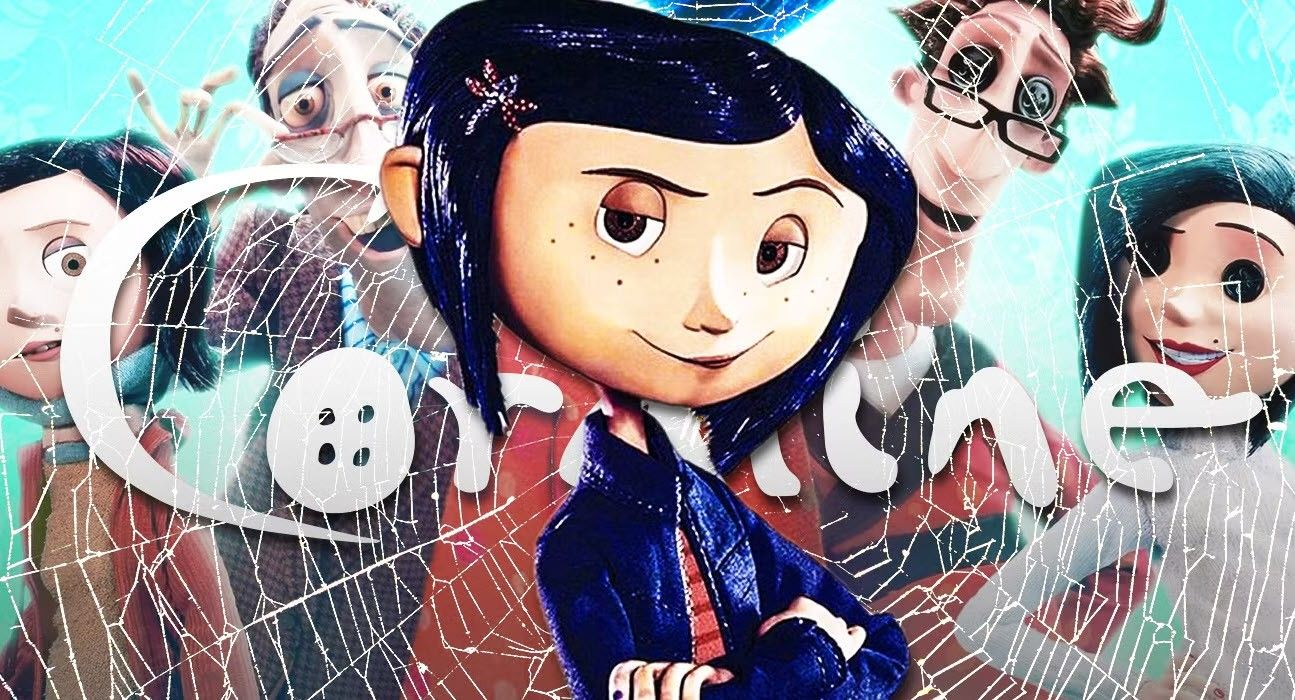
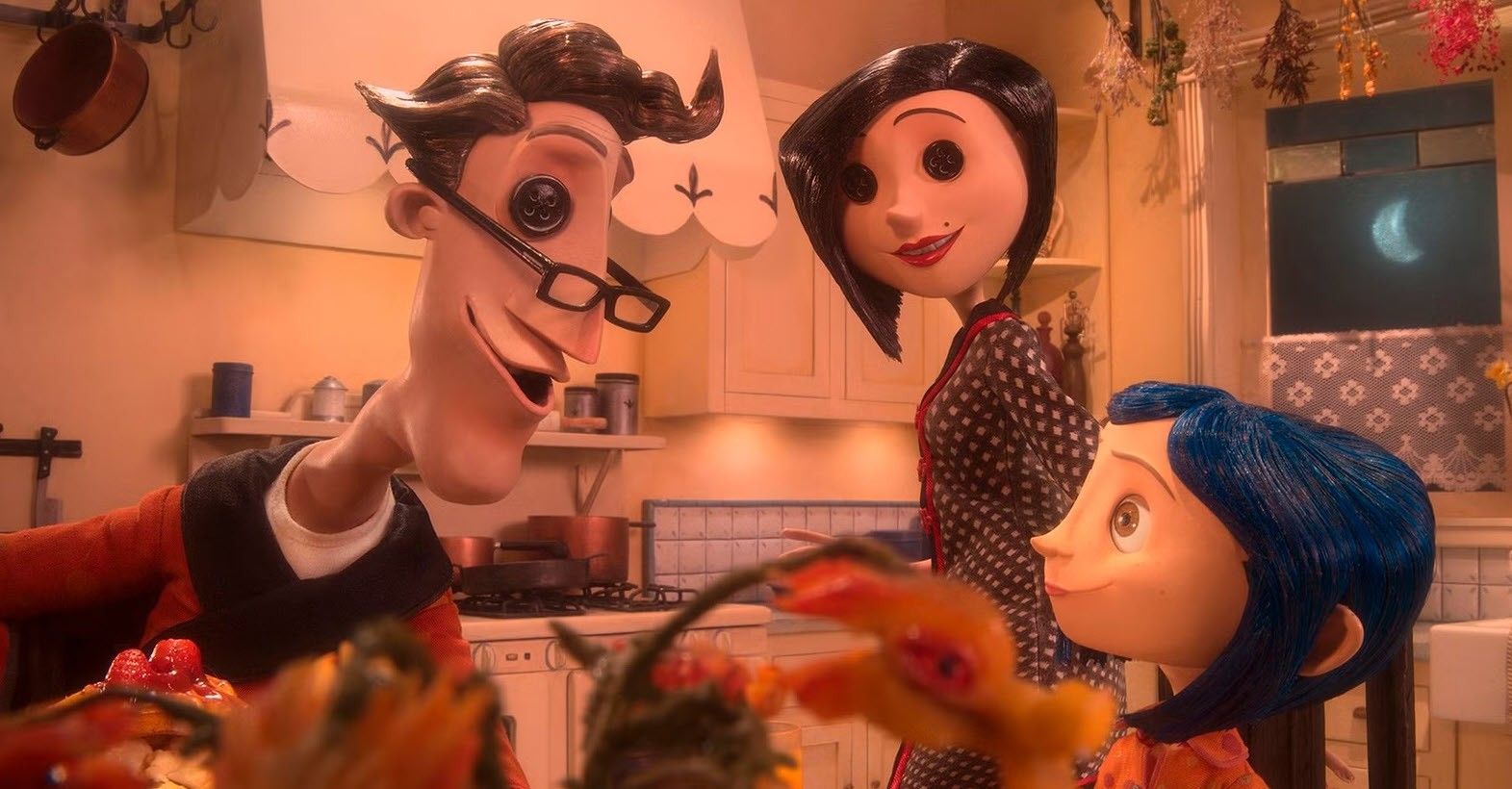
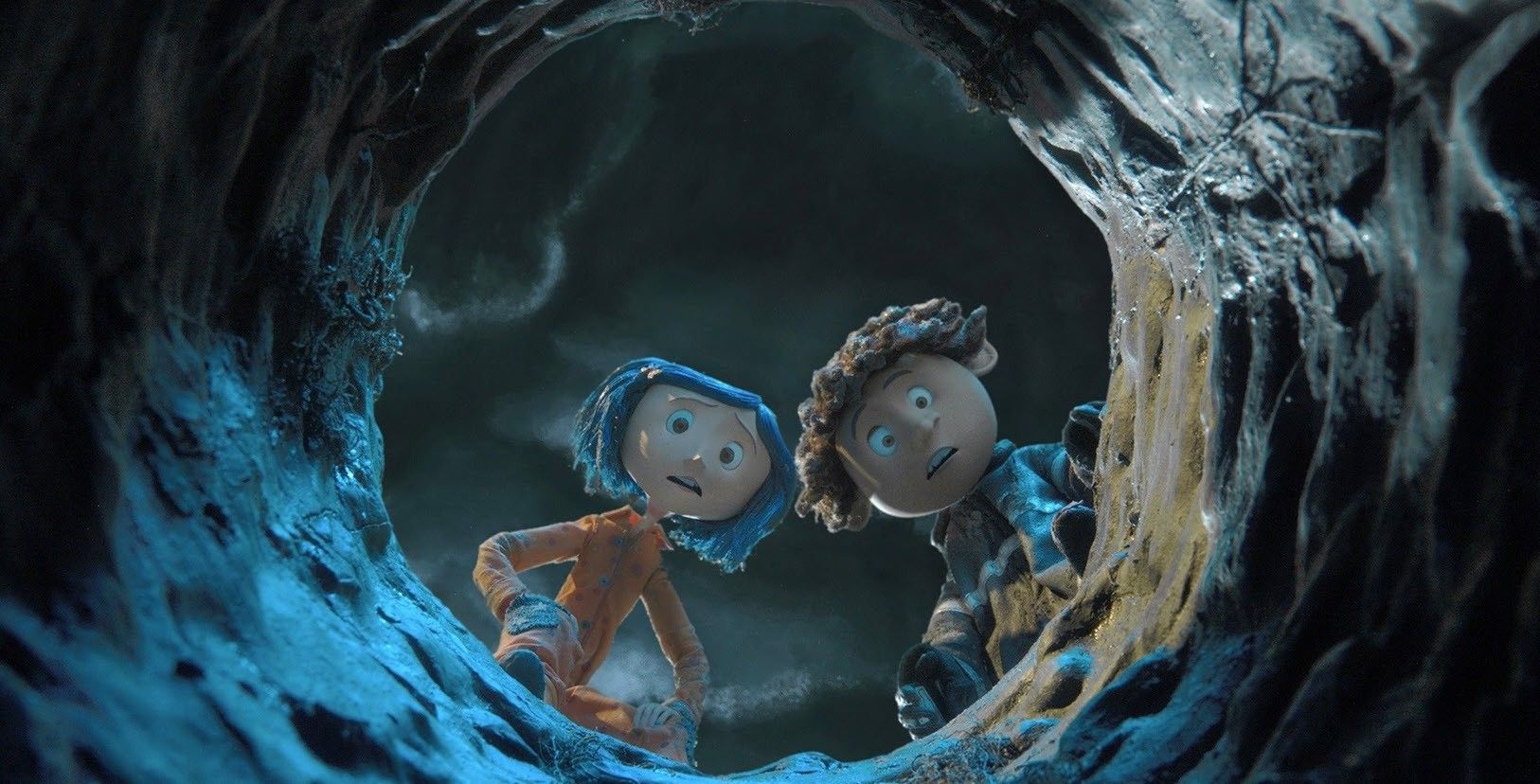
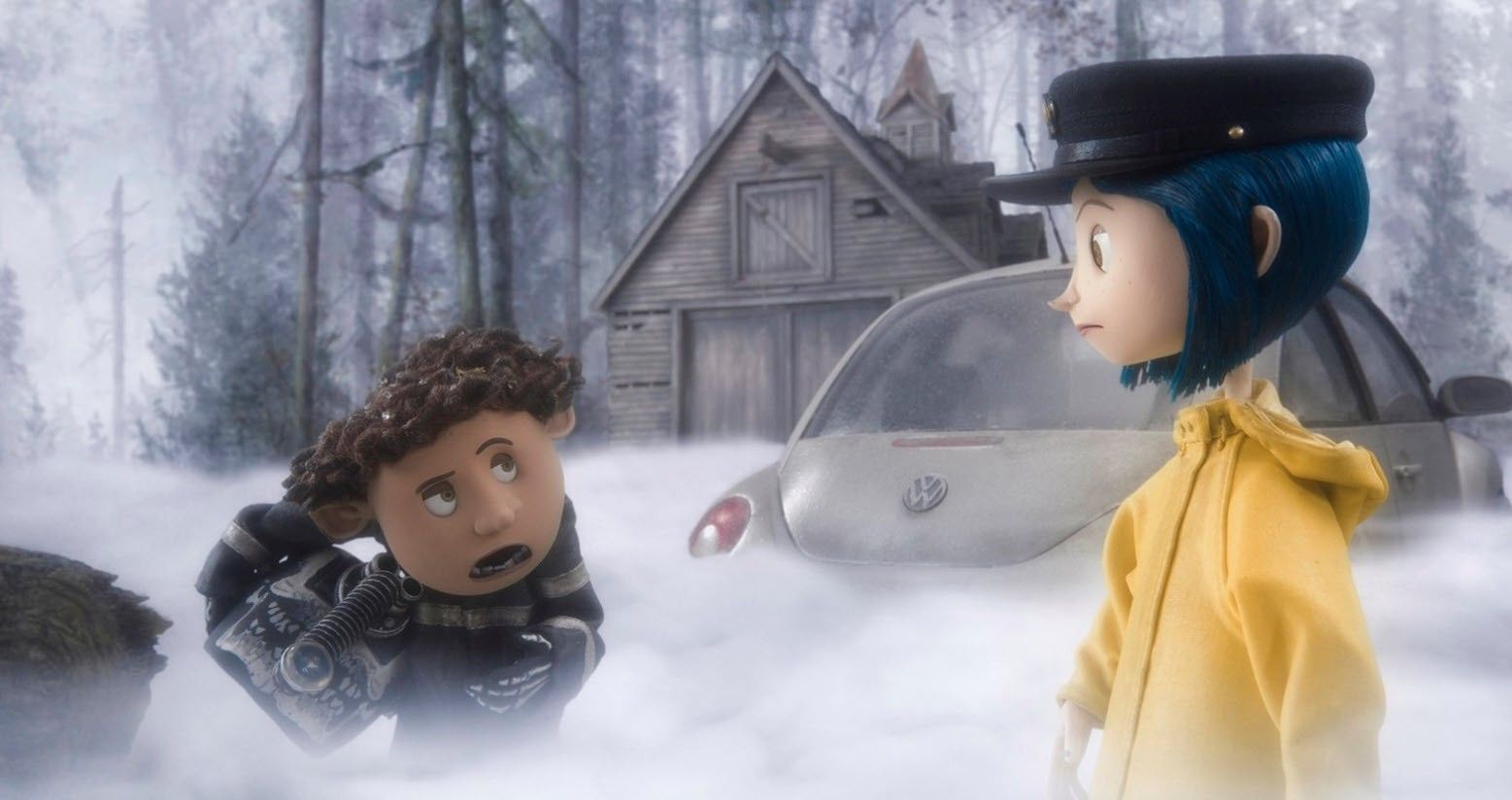
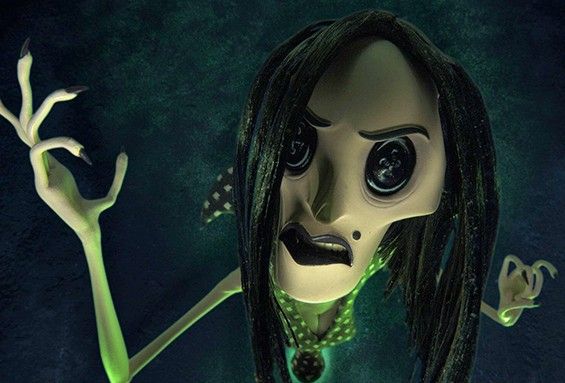
Coraline has the rare kind of darkness that feels handmade. Every hallway, button, garden, doll, tunnel, and crooked smile seems carefully placed to make the world feel inviting and wrong at the same time. That is why the movie still works so well. It is not only spooky because of monsters or shadows. It is spooky because it understands a very specific childhood fear: what if the thing you wished for arrived, looked perfect, and slowly revealed that it wanted something from you? Coraline turns boredom, loneliness, and family frustration into a gorgeous stop-motion trap, then lets its young heroine discover that comfort without freedom is not love.
Coraline Jones Is Curious in a Way That Feels Real
Coraline is a strong main character because she is not written as a perfectly grateful child. She is bored, sharp, restless, and frustrated by adults who are too busy to notice what she needs. Her new home feels dull, her parents are distracted, and the rainy world around the Pink Palace Apartments seems to offer very little excitement. That emotional setup matters because the Other World does not tempt her randomly. It offers exactly what she feels she is missing.
Dakota Fanning’s voice performance gives Coraline the right mix of bravery and irritation. She sounds like a child who wants attention but does not want to beg for it. That makes her journey more believable. She does not enter the secret door because she is foolish. She enters because curiosity and loneliness can make danger look like adventure.
The Pink Palace Feels Ordinary Until It Does Not
The real world in Coraline is not ugly, but it is muted, damp, and emotionally flat. The Pink Palace Apartments feel like a place with history, strange neighbors, and too many quiet corners. This grounded dullness is essential because it makes the Other World’s first appearance feel magical. If Coraline’s normal life were already bright and exciting, the temptation would be weaker.
I like how the real world is not treated as worthless. At first, Coraline sees it as boring. Later, the movie slowly teaches her and the viewer to value its imperfections. Real parents can be tired. Real food can be plain. Real neighbors can be odd. Real life can disappoint. But it is still real, and that becomes more precious once the Other World reveals its price.
-
The real world feels muted, chilly, and emotionally distant;
-
The Pink Palace gives the story a strong haunted-house personality;
-
The ordinary setting makes the secret door more tempting;
-
The film gradually makes imperfect reality feel more valuable;
The Other World Is Beautiful Because It Knows How to Lie
The Other World is one of the film’s greatest achievements. At first, it feels like everything Coraline wants: warmer parents, better food, brighter colors, a more exciting garden, improved neighbors, and a version of home where everyone seems focused on her happiness. IMDb summarizes the premise as Coraline discovering a hidden door to an idealized version of her life that seems too good to be true.
That phrase, “too good to be true,” is the whole secret of the movie. The Other World is not frightening at first because it does not begin as a threat. It begins as wish fulfillment. The colors are richer, the food is better, and the attention feels intoxicating. The danger is hidden inside generosity. That is far more unsettling than a world that looks evil immediately.
The Other Mother Is One of Modern Animation’s Great Villains
The Other Mother works because she changes gradually. At first, she is warm, playful, and attentive. She cooks, smiles, listens, and seems to understand Coraline better than her real mother does. Then the button eyes become harder to ignore. The smile feels too fixed. The affection begins to feel conditional. Her love has rules, and those rules are horrifying.
Teri Hatcher’s dual performance as Coraline’s real mother and the Other Mother makes the contrast especially effective. The real mother is tired and imperfect, but human. The Other Mother is charming and performative, but controlling. That contrast gives the film its clearest emotional warning: love that demands ownership is not love at all.
-
The Other Mother begins as comfort before becoming control;
-
The button eyes turn warmth into something deeply unnatural;
-
Her charm makes the danger more effective than simple aggression;
-
The contrast with Coraline’s real mother gives the story emotional depth;
The Button Eyes Are a Perfect Visual Idea
Few animated images are as instantly memorable as the button eyes in Coraline. They are simple, clean, and terrifying without needing much explanation. A button is an ordinary object, even a domestic object, but placed where eyes should be, it becomes a sign that something living has been replaced by something made.
I love how the film uses the buttons as both design and theme. Eyes represent perception, identity, and personhood. Replacing them with buttons suggests that the Other Mother does not want Coraline to see freely. She wants Coraline remade into part of her world. The image is so strong because it communicates the threat before the dialogue needs to explain it.
LAIKA’s Stop-Motion Gives the Film Its Soul
Coraline was the first feature film produced by LAIKA, and its stop-motion craft remains one of the main reasons the movie feels so alive. The handmade quality matters. The world has texture. Clothes, faces, hair, furniture, walls, gardens, and tiny props all feel physically present. That material presence makes the fantasy more convincing.
Stop-motion is perfect for Coraline because the story is about things that look almost real but not quite. The medium naturally carries a slight uncanniness. Characters move with life, yet the viewer can feel the physical construction beneath them. That quality makes the Other World even more disturbing. It feels built, arranged, and watched over by someone with too much patience.
-
Stop-motion gives the world a tactile, handmade atmosphere;
-
The slight uncanniness of the medium supports the story’s mood;
-
Practical textures make the fantasy feel physically believable;
-
LAIKA’s craft gives the film a lasting visual identity;
The Color Design Tells the Story Before the Characters Do
The film’s color palette is one of its smartest storytelling tools. The real world feels gray, blue, damp, and restrained. The Other World begins with warmer, richer, more inviting colors. Later, those same colors become excessive and threatening. The movie uses visual pleasure as bait, then slowly corrupts it.
This contrast helps the viewer experience Coraline’s temptation. I understand why she wants to return to the Other World at first. It looks better. It feels more alive. But once the illusion begins to collapse, the color becomes part of the trap. The movie teaches the viewer to distrust beauty when it arrives without honesty.
The Cat Is Mysterious Without Being Overexplained
The Cat is one of the film’s best supporting characters because he remains strange. Keith David gives him a smooth, amused voice that makes him feel ancient, independent, and slightly judgmental. He helps Coraline, but he never becomes a cuddly sidekick. He seems to know more than he says, and that makes him more interesting.
I like that the Cat can move between worlds without following the same rules as everyone else. He is part guide, part warning, part observer. In a movie full of false comfort, the Cat’s dry honesty feels refreshing. He does not flatter Coraline. He does not rescue her from every mistake. He gives her information and lets her prove herself.
Wybie Adds a Useful Human Connection
Wybie is not in Neil Gaiman’s original novella in the same way, but in the film he gives Coraline another child to react against. Robert Bailey Jr. voices him with an awkward energy that fits the character well. Wybie is talkative, nervous, odd, and sometimes annoying, but he also makes the world outside Coraline’s family feel more alive.
I think Wybie helps the movie because Coraline needs someone who reflects her isolation differently. He is not glamorous or idealized. He is real, imperfect, and strange. His connection to the doll and his family history also gives the mystery more shape. Most importantly, his presence makes Coraline’s final courage feel less solitary without taking away her agency.
-
The Cat gives Coraline guidance without becoming too sentimental;
-
Wybie adds awkward human warmth to the real world;
-
Both characters help Coraline understand the danger more clearly;
-
Neither character replaces Coraline’s own bravery;
The Neighbors Make the Pink Palace Feel Like a Storybook Building
Miss Spink, Miss Forcible, and Mr. Bobinsky are wonderfully strange. They could have been simple comic relief, but the film uses them to make the Pink Palace feel like a place full of forgotten lives and eccentric histories. Jennifer Saunders, Dawn French, and Ian McShane bring big personalities to characters who might otherwise feel like background decoration.
The Other World versions of these neighbors are especially memorable because they turn their real-world quirks into exaggerated performances. The movie understands that fantasy often takes ordinary people and makes their hidden theatrical side visible. But again, the Other World version is not simply better. It is brighter, louder, and less safe.
The Film Is Scary Because It Respects Children’s Fears
Coraline is often described as family-friendly, but it is not afraid to be genuinely unsettling. That is one of its strengths. The movie does not treat children as incapable of handling fear. Instead, it gives fear a shape that can be understood: false love, trapped children, stolen identity, unsafe comfort, and the possibility that adults may not see the danger quickly enough.
What makes the fear effective is that it is emotional before it is visual. The scariest idea is not just the Other Mother’s final form. It is the realization that Coraline’s deepest wish has been studied and weaponized against her. The film understands that being known by the wrong person can be terrifying.
-
The horror grows from emotional manipulation, not only creature design;
-
The film trusts young viewers with real tension;
-
The danger is clear without becoming empty shock;
-
The fear supports Coraline’s growth rather than overwhelming the story;
The Ghost Children Add Sadness Beneath the Adventure
The ghost children shift the story into a deeper emotional register. They are not only clues or victims of the Other Mother. They represent what happens when children accept the false world too completely. Their presence shows Coraline the real stakes. The Other Mother has played this game before.
I like that the ghost children make the movie feel older and sadder. Their voices and memories suggest a cycle of temptation and loss that predates Coraline. This gives the story a fairy-tale quality. Coraline is not only escaping a trap. She is breaking a pattern that has consumed others.
The Doll Is Small, Quiet, and Extremely Creepy
The doll that looks like Coraline is one of the film’s most effective objects. It does not need to move dramatically to feel wrong. Its existence is enough. A child receiving a doll that resembles her could be charming in another movie. Here, it feels like surveillance disguised as a gift.
The doll works because it represents the Other Mother’s method. She watches, studies, copies, and customizes temptation. The Other World is not a random fantasy. It is a personalized trap. That idea makes the movie much more disturbing because Coraline is not facing a general monster. She is facing someone who has paid close attention to what she wants.
The Music Makes the Movie Feel Like a Dark Lullaby
Bruno Coulais’ music gives Coraline a sound that feels delicate, strange, and slightly otherworldly. The score does not simply tell the audience when to be scared. It creates a mood of curiosity and unease, like a lullaby drifting from a room that should be empty.
I especially like how the music supports the handmade visual style. It feels whimsical but not safe, melodic but not fully comforting. That balance is perfect for the film. Coraline is a dark fantasy, but it is also a story about childhood longing, and the music keeps those two tones connected.
-
The score gives the film a strange fairy-tale atmosphere;
-
Soft musical textures make the scary moments more elegant;
-
The sound supports mystery rather than relying only on loud scares;
-
The music helps the film feel beautiful and unsettling at once;
The Film’s PG Darkness Is Part of Its Legacy
Coraline has remained popular partly because it occupies a special space: it is accessible to younger audiences, but it does not sand away its darker edges. Focus Features released the film in the United States on February 6, 2009, and it has continued to be discussed as one of the defining modern stop-motion films.
That lasting reputation makes sense. Many family films are gentle. Many horror films are intense. Coraline sits somewhere between them, using craft, atmosphere, and emotional danger to create a story that can grow with the viewer. A child may remember the buttons. An adult may notice the manipulation, neglect, and longing more clearly.
The Story Is a Warning About Perfect Alternatives
At its core, Coraline is about learning to distrust perfection when it asks for surrender. The Other Mother offers Coraline a better version of everything: better food, better attention, better neighbors, better entertainment, better color, better magic. But every improvement is conditional. Coraline can have the fantasy only if she gives up something essential.
This theme feels even sharper now. The movie understands the appeal of customized worlds that flatter every desire. Coraline’s mistake is not wanting more from life. Her mistake would be accepting a world where every pleasure is designed to make her easier to control. That makes the film feel timeless rather than only spooky.
The Ending Works Because Coraline Earns Her Courage
Coraline’s bravery is satisfying because it is not instant. She is curious first, then tempted, then frightened, then determined. The film lets her make mistakes and learn from them. By the end, her courage feels practical. She observes, negotiates, hides fear, uses help, trusts her instincts, and keeps moving.
I like that the movie does not solve everything through adult rescue. Coraline is a child, but she is the one who understands the trap most clearly. Her parents matter, her friends matter, and the Cat matters, but the central act of resistance belongs to her. That makes the story empowering without becoming simplistic.
-
Coraline’s bravery develops gradually through mistakes and danger;
-
The final conflict rewards observation, courage, and emotional clarity;
-
The story lets a child character be capable without making adults irrelevant;
-
The ending values imperfect real love over perfect false attention;
The Streaming Availability Is Straightforward for U.S. Viewers
Your product entry links to JustWatch for Coraline, and JustWatch currently lists the movie in the U.S. as available to rent or buy through services such as Amazon Video, Apple TV Store, Fandango At Home, and Spectrum On Demand, with physical DVD and Blu-ray purchase options also shown.
That fits the film’s long afterlife. Coraline is the kind of movie people revisit seasonally, especially around autumn or Halloween, but it is strong enough to watch outside that context. It is not just a spooky-night pick. It is one of those animated films where the craft and themes reward repeat viewing.
Where Coraline Feels Most Effective
Coraline feels most effective when beauty and danger occupy the same image. A glowing garden, a smiling Other Mother, a magical performance, a delicious dinner, or a secret tunnel can feel wonderful and threatening at once. The film understands that temptation is more interesting than simple fear.
It also succeeds because Coraline herself remains emotionally believable. Her frustration with her real life is understandable. Her attraction to the Other World is understandable. Her fear is understandable. Her courage is earned. That emotional clarity keeps the film grounded even when the fantasy becomes surreal.
Where Coraline Feels Less Strong
The film may feel too unsettling for very young or highly sensitive viewers. Its imagery is beautiful, but the button eyes, trapped children, identity threat, and Other Mother transformation can leave a strong impression. For some families, it may work better as a slightly older-child film than a casual preschool-friendly animation.
Another small limitation is that some side characters are more atmospheric than deeply developed. Miss Spink, Miss Forcible, Mr. Bobinsky, and Wybie all add flavor, but the emotional center clearly belongs to Coraline and the Other Mother. That focus works, though viewers who love the neighbors may wish the film spent even more time with them.