Get From the Official Digital Markets
All trademarks belong to their
respective owners.
Bluey Summary
Bluey Photo Gallery

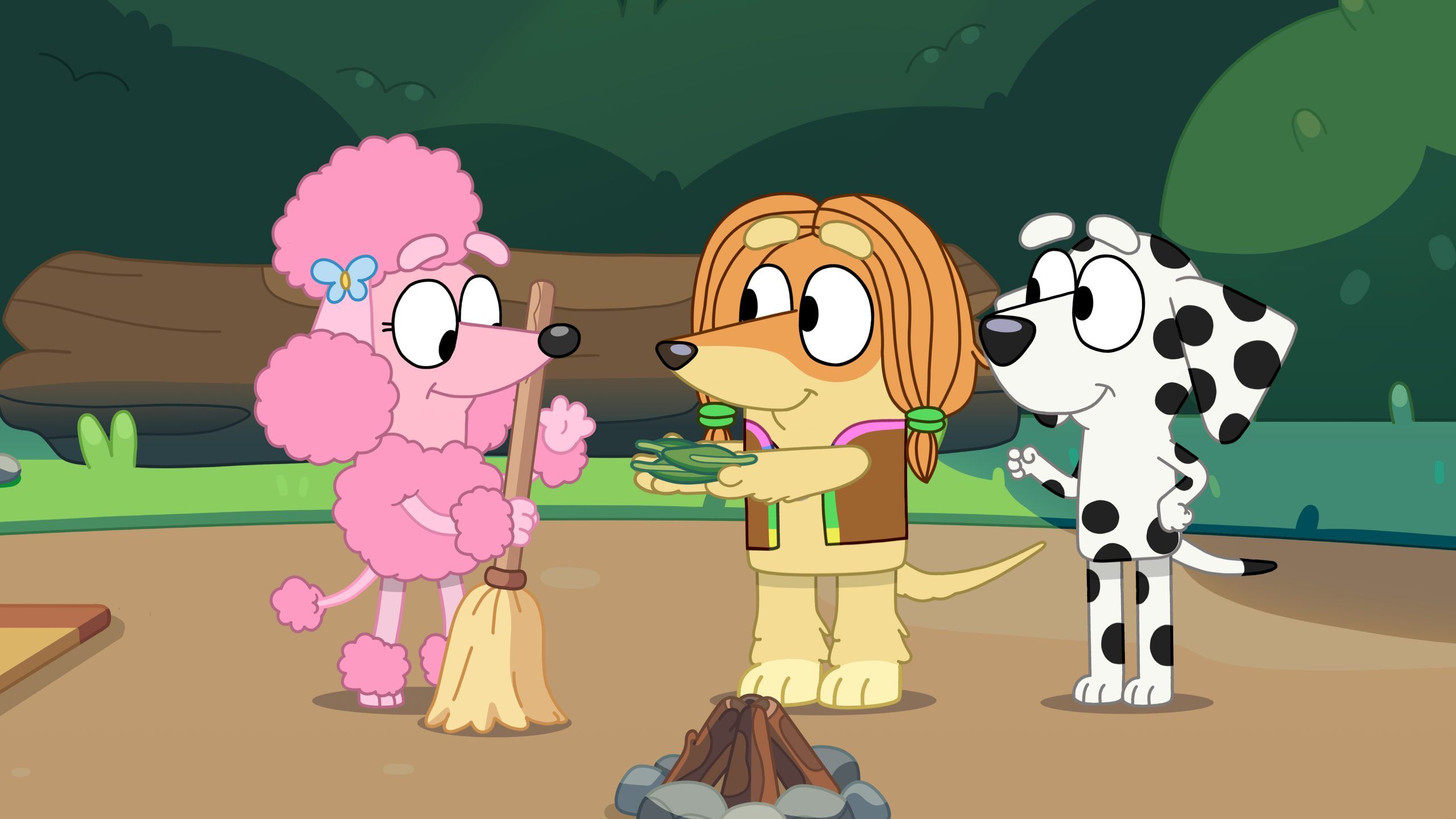
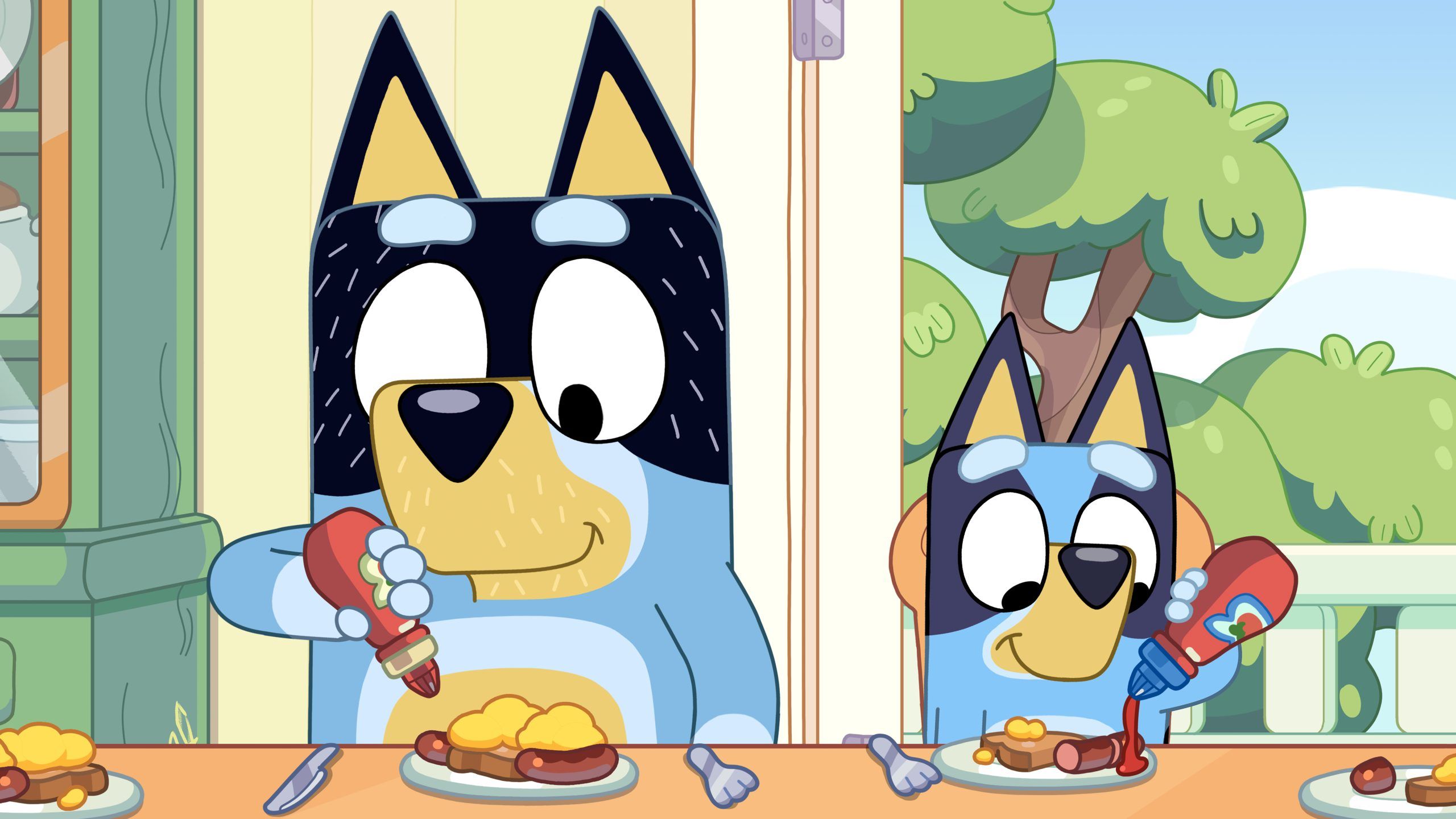
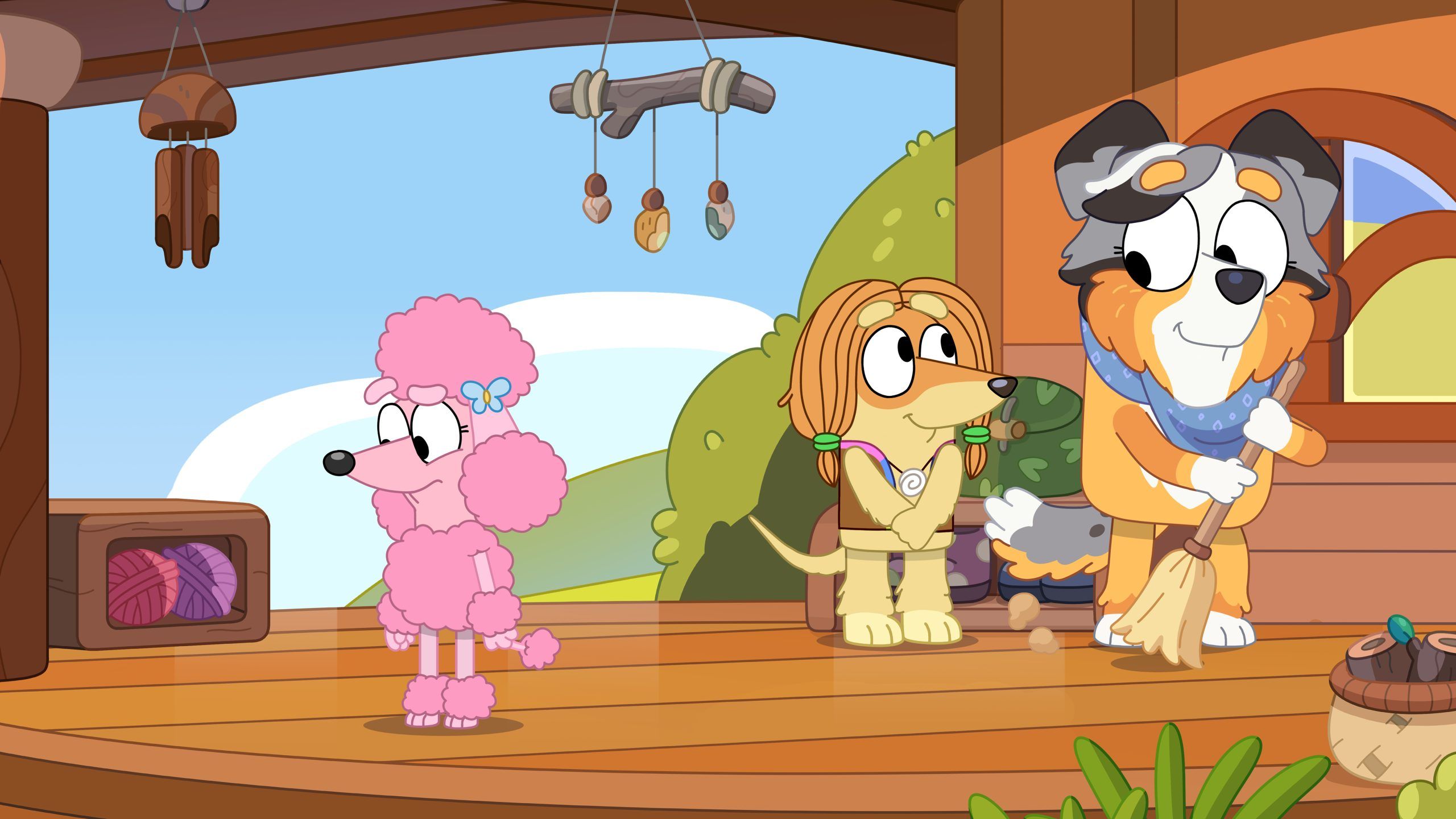
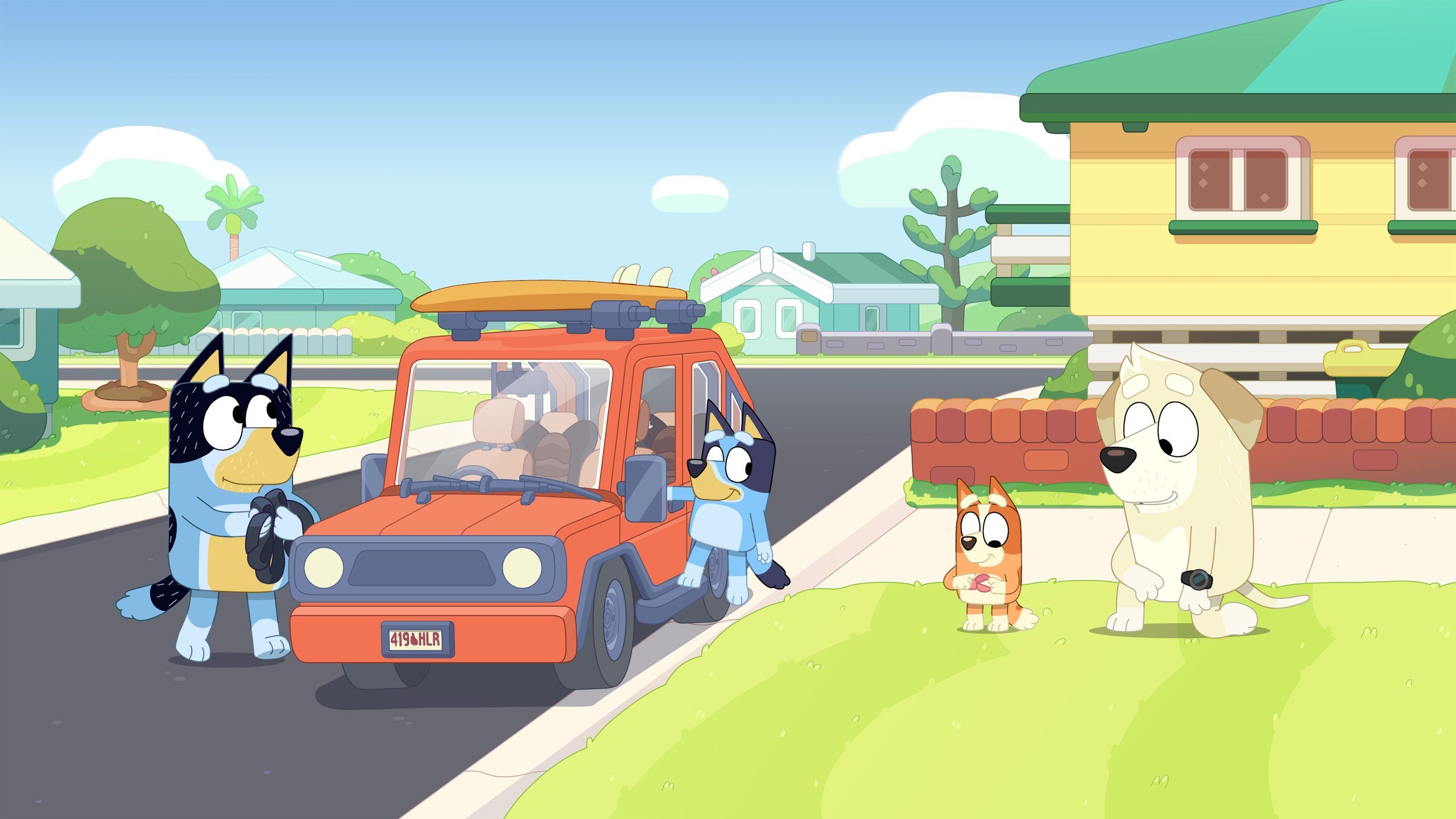
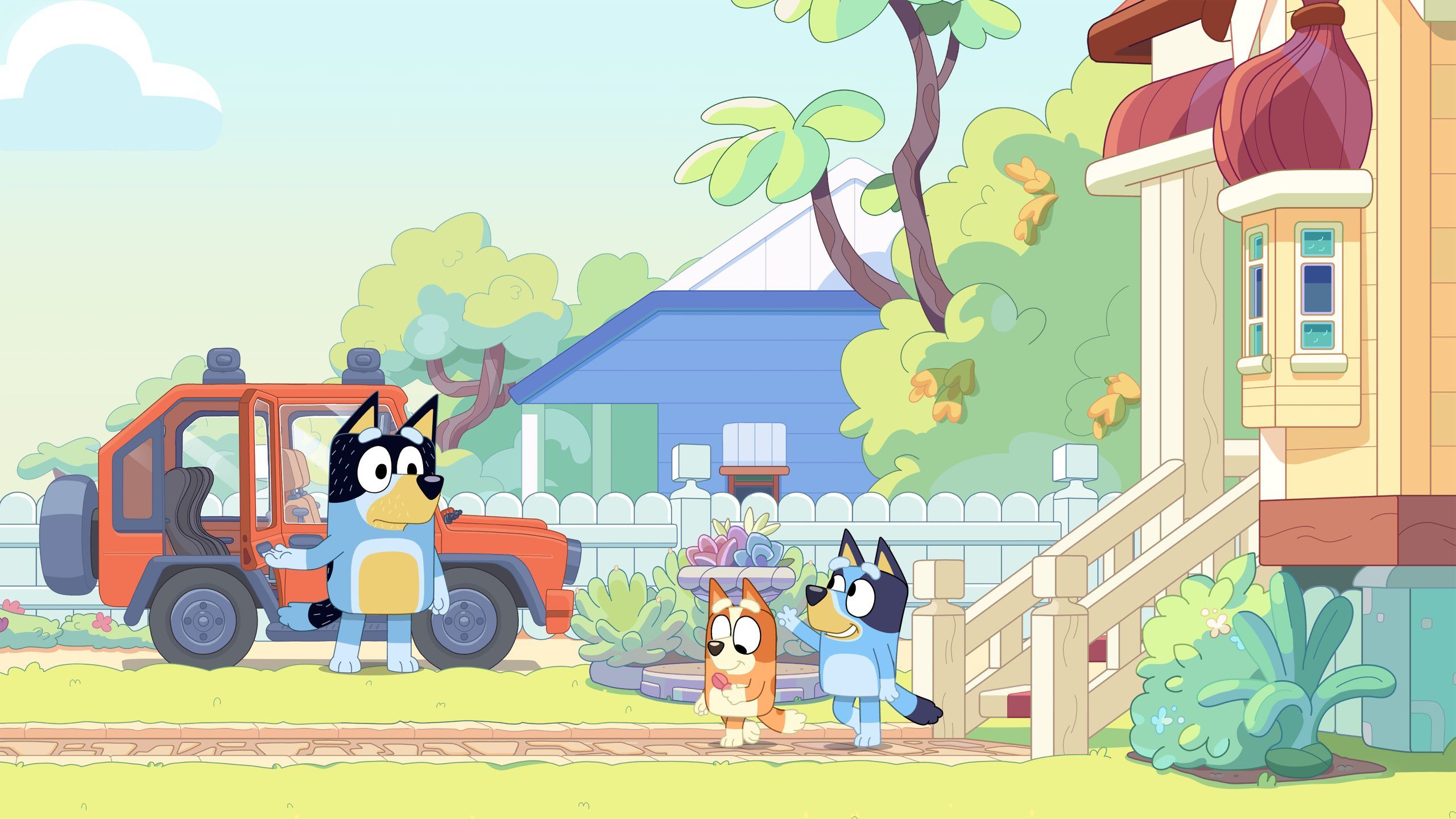
I started watching Bluey expecting a sweet animated show for young children, and that expectation was technically correct, but also nowhere near enough. Bluey is bright, funny, short, and easy for kids to enjoy, yet its real magic is how honestly it understands family life. The show takes tiny everyday moments and turns them into imaginative adventures without losing the emotional truth underneath. A game in the living room can become a lesson about patience. A walk can become a story about independence. A silly argument can reveal something about siblings, parents, or the difficulty of growing up. I like Bluey because it never treats children as simple, and it never treats parents as perfect. It sees the whole household as a living comedy with love, chaos, fatigue, and little miracles happening all at once.
The Premise Is Simple, but the Emotional Range Is Huge
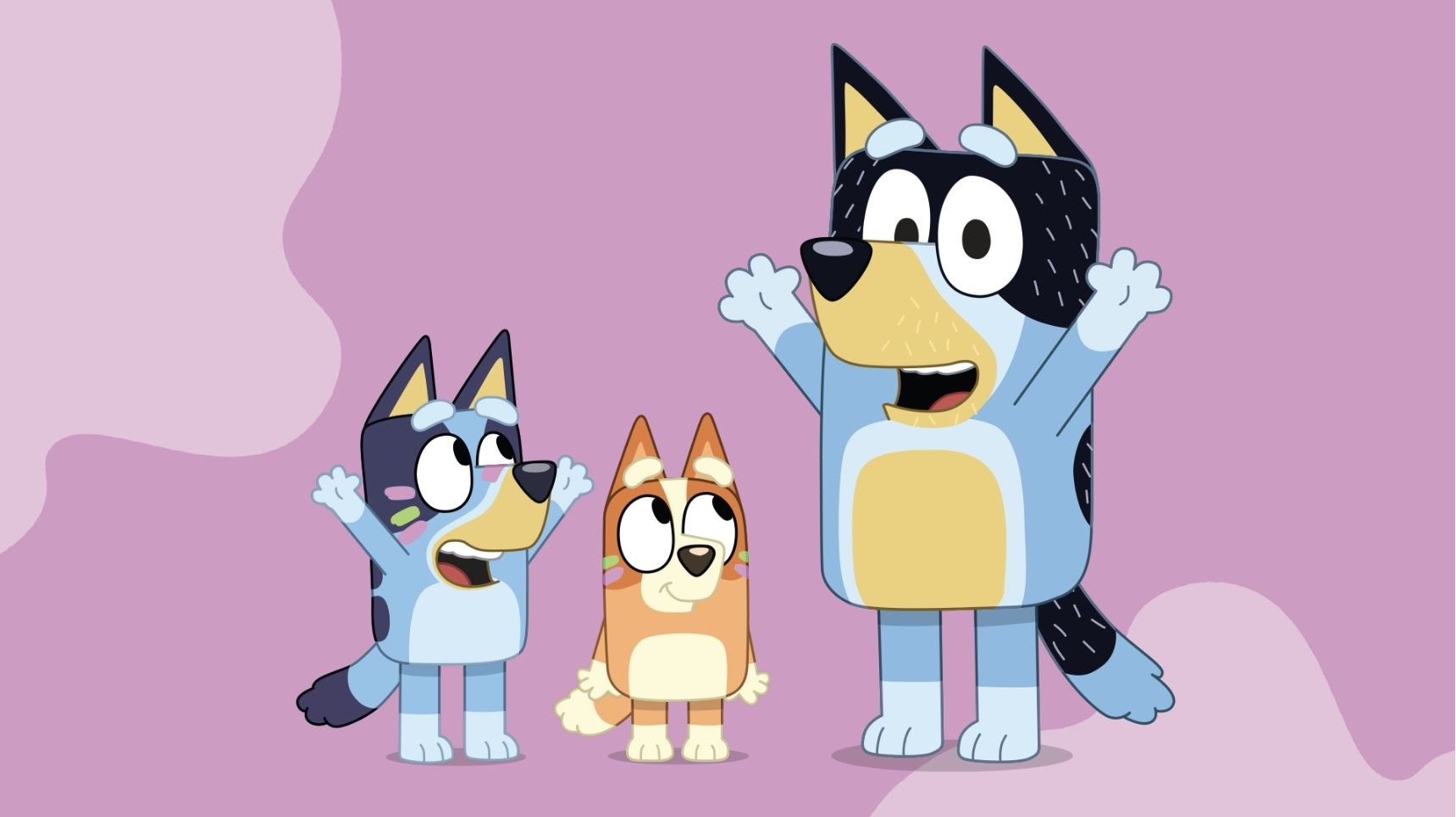
Bluey follows Bluey, a six-year-old Blue Heeler puppy, her younger sister Bingo, and their parents Bandit and Chilli. On paper, that sounds like a very ordinary family cartoon. In practice, the show uses that ordinary setup to explore imagination, conflict, disappointment, boredom, creativity, fear, cooperation, jealousy, confidence, and tenderness in ways that feel surprisingly rich.
The JustWatch synopsis describes Bluey as an inexhaustible six-year-old Blue Heeler who loves to play and turns everyday family life into extraordinary adventures, helping develop imagination and emotional resilience. That description gets close to the heart of the series. Bluey is not about huge fantasy worlds. It is about how children use play to understand the world they already live in.
Bluey Herself Feels Like a Real Child, Not a Lesson Machine
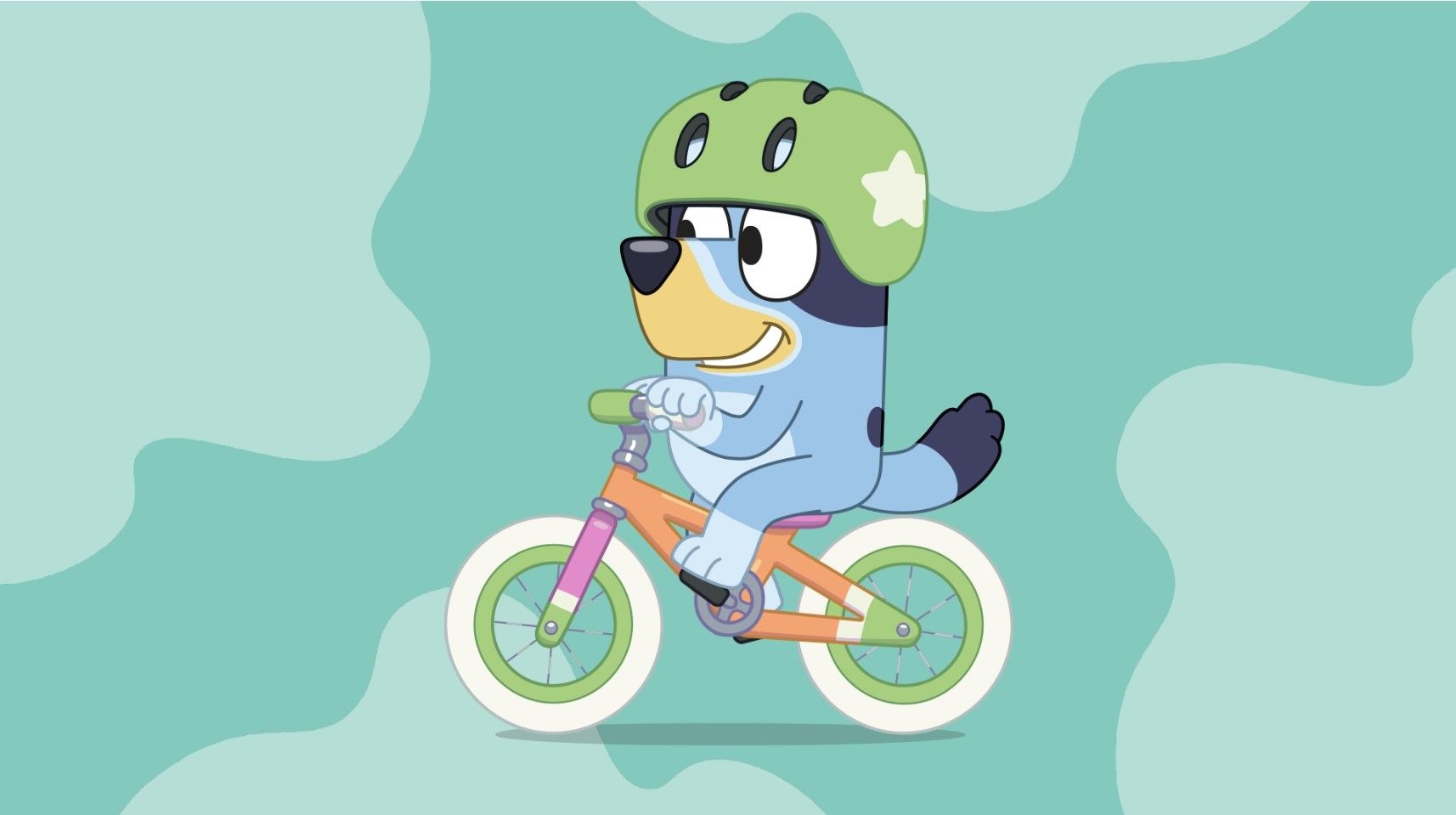
One reason Bluey works so well is that Bluey is not written as a tiny adult or a perfect role model. She can be curious, kind, bossy, impatient, dramatic, thoughtful, and wildly imaginative. That mix makes her believable. Children are rarely one thing for long, and Bluey captures that shifting energy beautifully.
I enjoy how the show lets Bluey make mistakes without turning every episode into a heavy moral lecture. Sometimes she learns something. Sometimes she only understands a piece of it. Sometimes the adults learn too. That flexibility makes the show feel warmer and more honest than children’s programming that forces every story into a neat lesson.
-
Bluey’s curiosity makes simple situations feel playful;
-
Her flaws keep her from feeling artificially perfect;
-
Her imagination gives the show endless story possibilities;
-
Her emotional reactions feel recognizable for both kids and adults;
Bingo Gives the Show Its Softer Heart
Bingo is one of the best parts of Bluey because she brings a different emotional rhythm. She is gentler, quieter, and often more sensitive than Bluey, which creates a lovely sibling contrast. Their relationship feels real because it is full of affection, competition, misunderstanding, imitation, and small acts of care.
I like that Bingo is not only there to follow Bluey’s lead. Some episodes center her feelings in a way that feels delicate and patient. She can be uncertain, disappointed, brave, or quietly funny. The show understands that younger siblings have their own inner world, not just a supporting role in someone else’s game.
Bandit Is Funny Because He Is Playful and Exhausted
Bandit has become one of the most beloved animated dads for a good reason. He is deeply involved in his children’s play, but the show also lets him be tired, silly, awkward, distracted, and occasionally outmatched by the games he agrees to join. That balance is important. He is not a fantasy of perfect parenting. He is a parent trying, improvising, and sometimes quietly hoping the game ends soon.
I find Bandit especially funny when he commits too seriously to ridiculous play. He may become a patient, a customer, a horse, a villain, a statue, or whatever the children’s world requires. The joke is not only that he plays along. It is that he understands play as a language his children use to communicate.
-
Bandit’s humor comes from commitment to silly situations;
-
He feels loving without being unrealistically flawless;
-
His parenting style shows patience, flexibility, and occasional fatigue;
-
His bond with Bluey and Bingo gives many episodes their emotional base;
Chilli Brings Calm, Intelligence, and Emotional Balance
Chilli is just as essential, even when her role is quieter. She often brings emotional clarity to the family dynamic. She can be playful, firm, warm, practical, and reflective. I appreciate that the show does not make her only the serious parent while Bandit gets all the fun. Chilli has her own humor and her own emotional texture.
Some of the show’s most touching moments come when Chilli responds to a child’s feeling with calm understanding rather than instant correction. She often notices what is really happening beneath the game. That makes her feel like a grounded presence in a household full of imagination and movement.
The Episodes Are Short, but They Rarely Feel Small
Bluey episodes are famously brief, which helps the show stay sharp. The short format forces each story to focus on one emotional idea, one game, or one family moment. That is part of why the series is so easy to rewatch. It does not waste much space.
What impresses me is how much feeling the show can fit into such a small runtime. A few minutes can move from comedy to tenderness without feeling manipulative. The writing trusts small details: a pause, a look, a repeated phrase, a parent’s tired reaction, a child misunderstanding something in a painfully believable way. Bluey often proves that emotional depth does not require long episodes.
The Imaginative Play Is the Show’s Greatest Story Engine
Almost everything in Bluey comes back to play. The official Bluey site presents the brand around games, clips, activities, crafts, music, events, and family-friendly extensions, which fits the spirit of the series itself. Play is not decoration in Bluey. It is how characters solve problems, test roles, express anxiety, build confidence, and connect with each other.
I love that the games often begin with silly rules and then reveal something deeper. A pretend shop can become a lesson in fairness. A make-believe hospital can show vulnerability. A chase game can reveal confidence or fear. The show understands that for children, play is serious work disguised as fun.
-
Games help children express feelings they cannot fully explain;
-
Play makes ordinary rooms feel full of possibility;
-
Parents become part of the story rather than distant supervisors;
-
Imagination lets the show explore big feelings in gentle ways;
The Humor Works for Children and Adults at the Same Time
Bluey is genuinely funny, and not only in a preschool-cartoon way. Kids can laugh at the physical comedy, silly voices, rules of the games, and sibling chaos. Adults can laugh at Bandit and Chilli’s exhaustion, the tiny social truths, and the way parenting sometimes becomes live improvisational theater with no rehearsal and very little dignity.
I think this dual humor is one reason Bluey became so widely loved. It does not insert adult jokes that feel inappropriate for children. Instead, it finds adult comedy inside the reality of raising kids. A parent lying on the floor while children create a complicated game around them may be funny to a child for one reason and funny to an adult for a completely different reason.
The Australian Identity Gives the Show a Fresh Texture
Bluey’s Australian setting is not just background flavor. It gives the show a distinct rhythm, sound, and visual warmth. The accents, houses, landscapes, school life, parks, beaches, and family routines help the series feel specific rather than generic. That specificity makes the world more charming.
Coverage of Bluey notes that it is produced by Ludo Studio for ABC Kids in Australia and co-commissioned by ABC Children’s and BBC Studios Kids & Family, with the series created, written, animated, and post-produced in Brisbane, Queensland. That local creative identity matters because Bluey feels rooted in a real cultural place while still being emotionally universal.
The Animation Style Is Simple, Warm, and Extremely Readable
The animation in Bluey looks simple at first, but that simplicity is part of its strength. Character shapes are clean, colors are warm, and expressions are easy to read. The show does not need hyper-detailed visuals because its stories depend on timing, movement, and emotional clarity.
I like how the visual style makes the Heeler family instantly recognizable. Bluey and Bingo are cute without feeling sugary, and the world around them feels cozy but not overly polished. The animation gives children enough visual playfulness while leaving room for adults to notice the writing and character behavior.
-
Clean character designs make emotions easy to read;
-
Warm colors support the show’s gentle family tone;
-
Simple animation keeps attention on behavior and dialogue;
-
The visual style is memorable without becoming visually noisy;
The Parenting Moments Feel Honest Without Being Preachy
Bluey has a reputation among parents because it shows family life with unusual emotional intelligence. It does not present one perfect method for handling every situation. Instead, it shows parents listening, reacting, failing, adapting, apologizing, and joining the imaginative world of their children when it matters.
I appreciate that the show respects the difficulty of parenting. Bandit and Chilli are loving, but they are not magical problem-solvers. They get tired. They make imperfect choices. They sometimes need a moment to understand what their children are really asking for. That honesty makes the series comforting rather than judgmental.
The Emotional Episodes Are Small Masterclasses in Restraint
Some Bluey episodes are light and silly. Others quietly hit harder than expected. The show can explore sadness, aging, disappointment, separation, confidence, pregnancy loss implications, memory, independence, and family change with remarkable restraint. It rarely overplays these moments. That restraint makes them stronger.
I find the emotional writing especially impressive because it trusts viewers of all ages. Children may understand the feeling before they understand the theme. Adults may understand the deeper layer immediately. Bluey does not need to explain everything. It lets a scene breathe, then moves on with the gentleness of real family life.
The Series Became Big Because It Feels Personal
Bluey’s global popularity makes sense because the show is highly shareable but also deeply personal. It is easy to recommend as a children’s show, but many adults end up talking about it as a parenting show, a family comedy, or even a tiny emotional survival guide. That cross-generational appeal is rare.
The official Bluey presence includes videos, activities, games, music, events, and merchandise, which shows how naturally the series has expanded beyond episodes. But the reason that expansion works is still the writing. People do not connect with Bluey only because it is cute. They connect because it makes ordinary family moments feel seen.
Where Bluey Feels Most Effective
Bluey works best when it turns one small domestic moment into something emotionally complete. A game in the backyard, a sibling conflict, a parent’s tired joke, or a child’s small disappointment can become a whole story. That is the show’s gift: it notices the drama inside normal life without making it feel too heavy.
I also think Bluey succeeds because it respects everyone in the family. Bluey and Bingo are not just adorable children. Bandit and Chilli are not just lesson-delivery machines. Each character has feelings, limitations, humor, and a role in the family system. That makes the show feel generous.
Where Bluey Feels Less Strong
Bluey’s biggest weakness may simply be that its gentle style is not for every viewer. People looking for fast action, dramatic conflict, or complicated serialized storytelling may find it too small or too soft. The show’s power is in ordinary moments, and not everyone wants that pace.
Some episodes may also feel almost too idealized for parents who are living through much messier family circumstances. Bandit and Chilli are imperfect, but the show still presents a warm and emotionally available household. That is part of the appeal, though it may feel aspirational rather than fully realistic for some viewers.