Get From the Official Digital Markets
All trademarks belong to their
respective owners.
Animal Farm Summary
Animal Farm Photo Gallery
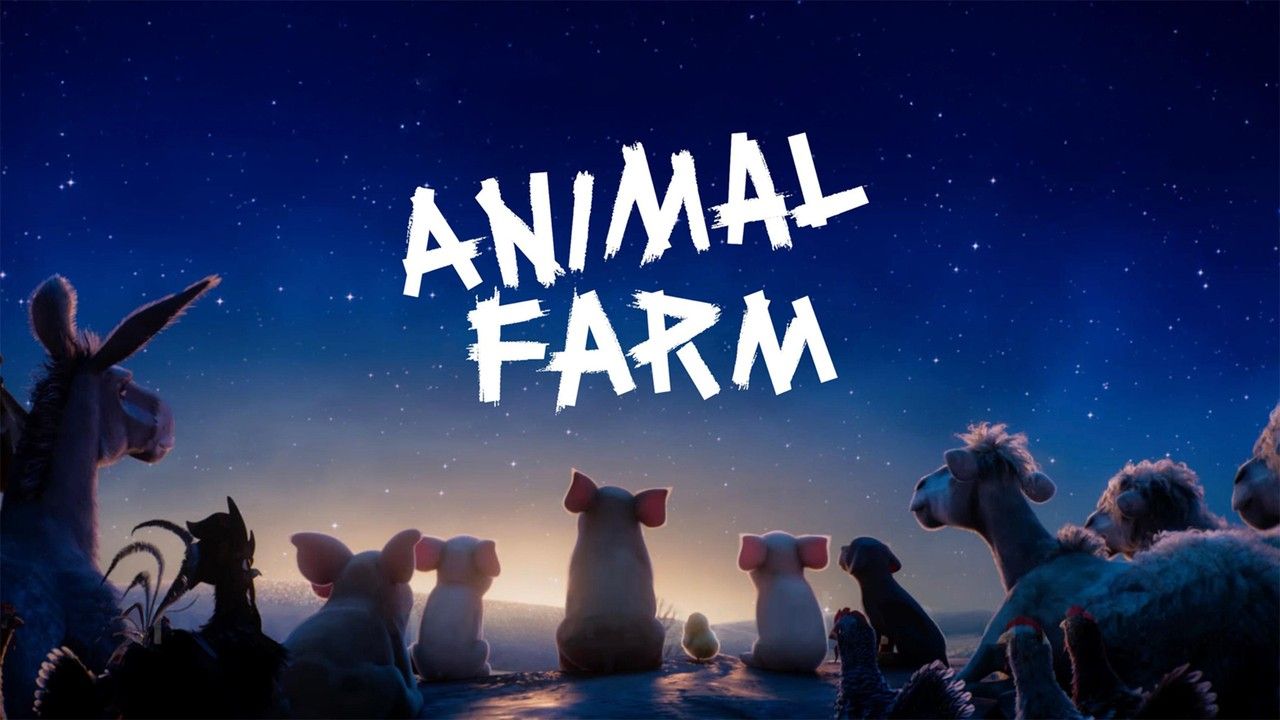
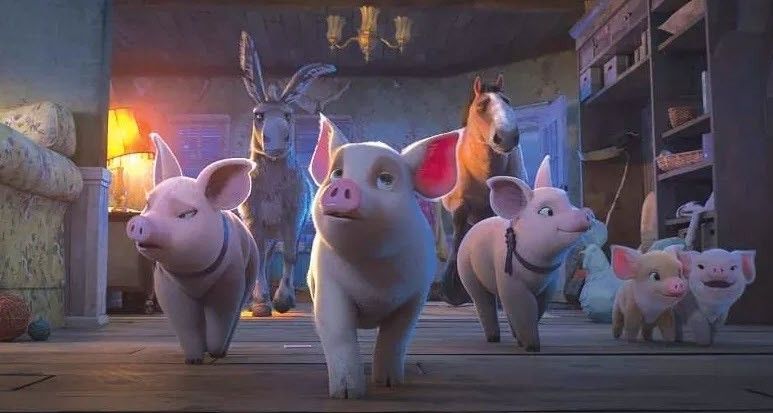
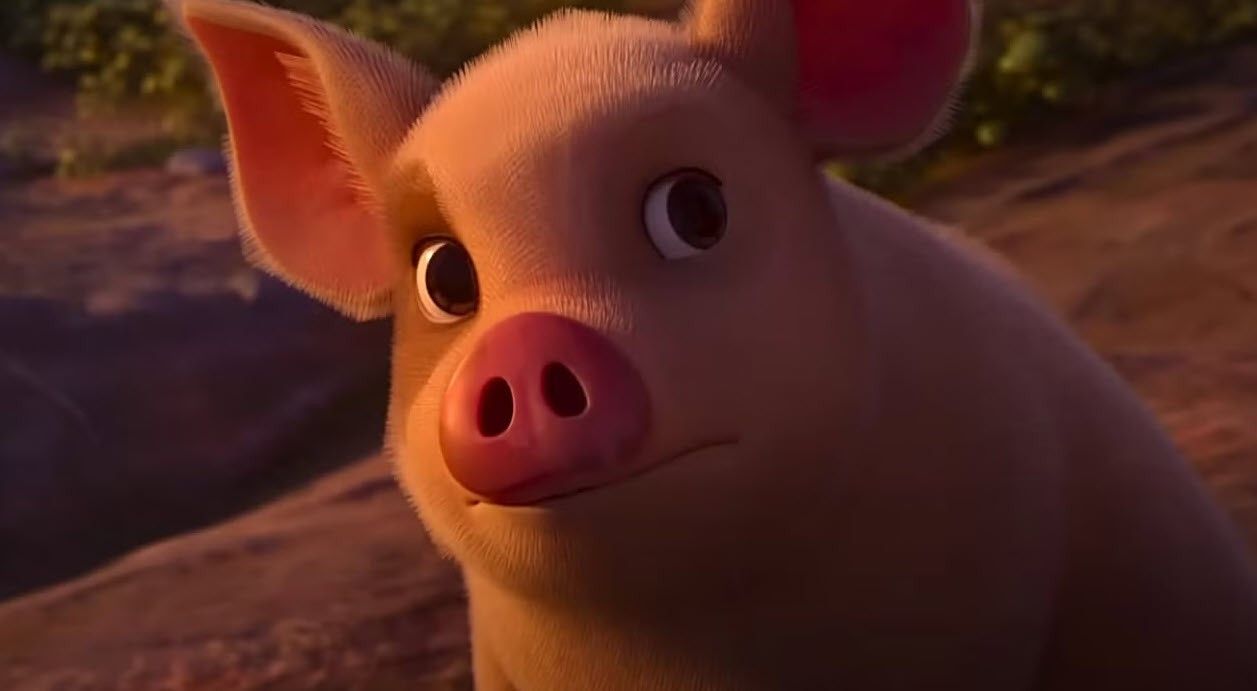
I watched Animal Farm with the strange feeling that I was entering two stories at once. One is the famous George Orwell fable about animals who rise against human control and slowly discover that power can corrupt even those who speak the language of freedom. The other is a modern animated feature trying to make that idea accessible, energetic, funny, and emotionally readable for a broader audience. That tension defines the whole film. I did not experience it as a quiet, faithful literary adaptation. I experienced it as a restless reinterpretation that wants to speak to today’s viewers while still carrying the shadow of Orwell’s warning. Sometimes that makes the film sharp. Sometimes it makes it feel tonally crowded. Either way, it is not a passive watch.
The Farm Feels Like a Political Stage in Animal Disguise
The setting works because the farm is never only a farm. Barns, fences, fields, stalls, mud, tools, and feeding areas all become part of a power system. At first, the space feels like a place of labor and frustration. Later, it becomes a place where slogans, rules, fear, and control begin to reshape everyday life. I liked how the movie keeps the physical world simple enough for younger viewers while still making the political structure visible.
That is the lasting genius of Animal Farm as a premise. Animals make the story approachable, but the behavior is painfully human. A pig giving orders, a horse carrying the burden, a sheep repeating slogans, or a cynical donkey watching everything with tired eyes can say more about society than a long speech. The animated format makes that symbolism immediate.
The Animation Makes the Allegory More Playful and More Uneasy
The visual style gives the movie a softer surface than the story’s ideas might suggest. The characters are expressive, the farm has movement and color, and the animation often leans into accessibility. That can make the film feel more family-friendly than the original material’s reputation, but I also found that contrast interesting. The brighter the surface becomes, the more unsettling the power shifts underneath can feel.
Still, the tone may divide viewers. Some scenes feel like political satire, while others lean toward animated adventure or comedy. I did not always feel those modes blended perfectly. Yet the animation does help the film move quickly, especially when the farm’s social order starts changing. The movie seems determined not to let Orwell’s ideas sit still on the page.
-
The animal designs make social roles easy to understand;
-
The animated farm gives the story a wider family-viewing appeal;
-
Expressive faces help the political allegory feel emotional;
-
The lighter visual surface can sometimes clash with the darker themes;
Napoleon Works Best as a Charismatic Warning Sign
Seth Rogen’s Napoleon is one of the film’s most important voice performances because the character has to be persuasive before he becomes openly dangerous. Napoleon cannot simply sound unpleasant from the start. He has to represent the kind of figure others might follow, excuse, or underestimate. That is what makes him disturbing as a symbol.
I liked the moments where the performance suggests charm and manipulation existing together. Napoleon’s power does not come only from force. It comes from messaging, timing, insecurity, and the ability to make others believe that obedience is the same thing as safety. The film works best when it shows how control can be built gradually, one adjustment at a time.
Lucky Adds a More Modern Emotional Entry Point
Gaten Matarazzo voices Lucky, a newer character who helps give this version a more accessible coming-of-age angle. That choice changes the feel of the story. Instead of only watching the farm transform from a broad historical distance, the viewer gets a more personal perspective through someone younger, less settled, and more open to hope.
I had mixed feelings about this addition, but I understand why it exists. Lucky gives the film a character who can ask questions, react emotionally, and guide viewers who may not know Orwell’s original fable. The risk is that the story can feel less severe than the source material. The benefit is that the film becomes easier for a modern family audience to enter.
Boxer Gives the Story Its Most Painful Sense of Labor
Woody Harrelson’s Boxer carries one of the most emotionally direct roles in the movie. Boxer has always represented loyalty, labor, and the heartbreaking vulnerability of those who believe that working harder will solve a system designed to use them. That idea still lands. In fact, it may be the part of Animal Farm that feels most timeless.
What I found effective is that Boxer does not need to be intellectually complex to matter. His sincerity is the point. He believes in effort, duty, and the promise that the farm can become better. Watching that belief become useful to people with more power gives the story its sharpest sadness. Boxer makes the political message feel human without needing a human character.
Squealer Shows How Language Becomes a Tool of Control
Kieran Culkin’s Squealer is essential because Animal Farm is not only about who holds power. It is about who explains power to everyone else. Squealer’s function is to bend meaning, soften contradictions, reframe failure, and make the latest version of reality sound inevitable. That kind of character feels especially modern.
I liked how the film uses Squealer to show that control often arrives through words before it fully arrives through rules. The audience can see the farm changing, but Squealer’s job is to tell everyone that nothing important has changed or that every change is necessary. That dynamic is one of the strongest reasons Orwell’s story continues to feel relevant.
-
Napoleon represents ambition disguised as leadership;
-
Squealer represents propaganda and verbal manipulation;
-
Boxer represents exploited loyalty and honest labor;
-
Benjamin represents memory, doubt, and exhausted awareness;
Benjamin Brings Cynicism That Feels Earned
Kathleen Turner’s Benjamin gives the film a voice of weary observation. Benjamin has always been one of the most interesting figures in Animal Farm because he understands more than he says. He is not easily fooled, but his skepticism does not automatically become action. That makes him uncomfortable to watch in a useful way.
I found Benjamin compelling because the character raises a hard question: is seeing through the system enough if you do not intervene? His cynicism protects him from naive belief, but it also isolates him. In a story where slogans spread quickly, Benjamin’s silence feels both wise and troubling.
The Voice Cast Gives the Film Personality and Familiarity
The cast is one of the film’s most marketable strengths. IMDb and other listings identify a large voice ensemble that includes Seth Rogen, Gaten Matarazzo, Steve Buscemi, Glenn Close, Laverne Cox, Kieran Culkin, Woody Harrelson, Jim Parsons, Andy Serkis, Kathleen Turner, and Iman Vellani. That range gives the movie a recognizable modern voice identity.
For me, the cast works best when the voices serve the allegory rather than distract from it. Some familiar voices bring warmth or wit, while others add sharper satirical energy. The challenge is that star-studded animation can sometimes make characters feel like celebrity showcases. Animal Farm is strongest when I stop thinking about the actor and start thinking about what each animal represents.
The Comedy Changes the Weight of Orwell’s Story
This adaptation’s lighter and more comedic approach has already been debated. Some coverage notes that the film shifts the material toward animated comedy adventure and modern political satire rather than a strict version of Orwell’s original anti-totalitarian allegory. I felt that tension while watching.
Comedy can help younger or broader audiences approach heavy ideas, but it can also soften the danger. When a joke lands, the story becomes easier to watch. When a joke arrives at the wrong moment, the warning can feel less sharp. I did not think the comedy ruined the film, but I did feel it changed the moral temperature of the story.
The Modern Satire Makes the Adaptation Feel Less Like a Museum Piece
One thing I appreciated is that the movie does not treat Animal Farm as an untouchable school assignment. It tries to make the fable speak to a world of branding, greed, inequality, public messaging, and performative leadership. That modern angle will not satisfy every Orwell purist, but it gives the adaptation a reason to exist now.
The risk, of course, is that updating Orwell can make the message feel less precise. The original story has a specific historical force, and changing the target can blur that force if handled carelessly. Still, I would rather watch an adaptation that takes a swing than one that simply illustrates the book without fresh energy.
-
The updated satire may help new viewers connect the fable to current systems;
-
The lighter tone can make the story more accessible to younger audiences;
-
The changes may frustrate viewers who want a stricter Orwell adaptation;
-
The film is most effective when humor and warning support each other;
The Aesthetic Mixes Farmyard Warmth With Political Decay
Visually, I found the movie most interesting when the farm begins to change emotionally. Early scenes can feel active, busy, and almost hopeful. Later, the same spaces start to feel controlled, reorganized, and less innocent. That gradual shift gives the animation a useful dramatic function.
The farm’s transformation matters because Animal Farm depends on the audience noticing how ideals become rituals, then rules, then excuses. A wall with commandments, a public gathering, a work routine, or a leader’s elevated position can all show the new hierarchy without needing too much exposition. The visual storytelling is strongest when it lets power appear in the layout of the farm itself.
The Film Works Best When It Trusts the Allegory
Animal Farm is strongest when it remembers that its central idea is already powerful. Animals repeating slogans, watching rules change, working harder for less, and accepting new contradictions can be chilling without extra explanation. The fable does not need to shout to be understood.
That is why my favorite scenes are usually the ones where the comedy pulls back and the allegory takes over. The story becomes most effective when I can see the animals slowly adapting to worse conditions because the language around them keeps changing. That is where the film’s warning feels sharpest.
Where Animal Farm Feels Most Effective
The film works well as an entry point for viewers who may know the title but not the full story. It has recognizable voices, accessible animation, a clearer emotional guide through Lucky, and enough movement to avoid feeling like a classroom lecture. For families, younger viewers, or casual audiences, that approach may make Orwell’s ideas easier to begin discussing.
I also think the film succeeds when it shows how power uses repetition. The same phrases, promises, fears, and justifications begin to shape the animals’ reality. That is the part I kept noticing. The movie may be more energetic than the original fable, but the best moments still understand that political control often sounds ordinary before it becomes obvious.
Where Animal Farm Feels Less Strong
The biggest issue is tonal balance. The film wants to be funny, adventurous, emotional, and politically pointed at the same time. Sometimes those elements support each other. Sometimes they compete. Viewers expecting a darker, more faithful adaptation may find the lighter approach frustrating.
The modernized satire may also feel broad depending on what someone wants from Animal Farm. Orwell’s story is famous because its simplicity has sharp edges. When an adaptation adds more contemporary framing, new characters, and extra comic energy, it risks making the fable feel busier but not always deeper.