
Shazam - Discover songs & lyrics in seconds
All trademarks belong to their respective owners.






Shazam - Discover songs & lyrics in seconds Summary
Get From the Official Digital Markets
All trademarks belong to their
respective owners.
Shazam feels like one of those apps that solves a very specific problem so well that it becomes almost impossible to imagine daily life without it. I opened it expecting a simple music recognition tool, but what impressed me was how quickly it turns a few seconds of sound into useful information. A song playing in a café, a track in a video, a melody from a store, or a tune I cannot identify anymore suddenly becomes something I can discover.
What makes Shazam special is its simplicity. I do not need to describe the song, remember lyrics, or search through endless playlists. I simply let the app listen, and within moments I get an answer. This direct approach is what makes the experience feel almost magical.
I like that Shazam focuses on one main purpose but expands around it with additional features. It is not trying to become an overwhelming music platform. Instead, it acts as a bridge between a mysterious sound and the information I want to find.
A Simple Interface Built Around Discovery
The design of Shazam is one of its biggest strengths. The main function is immediately visible, which means I can use the app quickly even when I discover a song unexpectedly. There are no unnecessary steps between opening the app and starting recognition.
I appreciate this because music discovery is often a spontaneous moment. If I hear something interesting, I usually want an answer immediately. A complicated interface would ruin that experience, but Shazam keeps everything focused.
The clean design also makes the app accessible for different types of users. Someone who uses it every day and someone opening it for the first time can understand the basic function instantly.
The Main Character Is Every Unknown Song
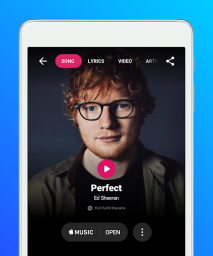
Shazam does not have traditional characters, but every unidentified song becomes the center of the experience. The app transforms unknown music into something familiar by revealing the artist, title, album, and additional information.
I like this feeling of discovery because music is often connected to emotions and memories. Finding a song is not only about identifying audio. It can mean discovering a new favorite artist, remembering a special moment, or adding something new to a personal playlist.
The app turns random sounds into personal discoveries. A song I might have forgotten after hearing it once can become something I listen to repeatedly.
Music Recognition Is the Core Experience
The main feature of Shazam works because it removes the frustration of searching manually. Before apps like this, identifying a song often required remembering a lyric, asking someone else, or searching through descriptions.
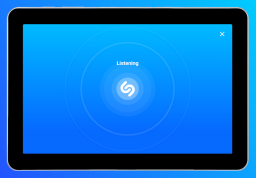
I enjoy how the recognition process feels effortless. A few seconds of listening can provide the information I need, which makes the app useful in many everyday situations.
The technology behind the experience stays mostly invisible, and that is actually part of the appeal. I do not need to understand how it works to appreciate the result. The app simply turns a question into an answer.
Lyrics Add Another Layer to Music Discovery
One feature I find especially useful is access to lyrics. Identifying a song is often only the first step. After discovering the title, I may want to understand the words, sing along, or explore the meaning behind the track.
I like how lyrics make the connection with music stronger. A song is not only a melody. The words, emotions, and story behind the track are also important parts of the experience.
This feature is particularly helpful when I hear a song in another language or when the vocals are difficult to understand. Instead of guessing, I can explore the full context.
Playlists and Streaming Connections Make the App More Useful
Shazam becomes more valuable when discovery connects with listening. After finding a song, I can continue exploring it through music services and add it to my personal collection.
I like this transition because it turns a short moment of curiosity into a longer music experience. A song discovered by accident can become part of my daily routine within minutes.
The app works well as the first step in discovering music. It does not need to replace streaming platforms because its role is different. It helps me find something new and then continue listening wherever I prefer.
The App Fits Modern Music Habits
Modern music discovery often happens outside traditional album releases. People hear songs in short videos, advertisements, social media clips, public places, and online content. Shazam fits perfectly into this environment because it helps identify music wherever it appears.
I like how the app matches the way people actually discover songs today. Music is no longer limited to radio stations or personal collections. A random moment can introduce me to a new artist.
This makes Shazam feel less like a search tool and more like a companion for curiosity. It supports the natural habit of asking, “What song is this?”
Speed Creates the Best User Experience
The biggest reason Shazam works so well is speed. When I hear a song, the moment of curiosity is usually short. If the process takes too long, the opportunity disappears.
I appreciate how quickly the app allows me to act. The simple process creates a feeling of immediate interaction with the world around me.
This speed is especially valuable in situations where the song may stop soon or where I cannot control the audio source. The faster the answer arrives, the more useful the app becomes.
Personal Music History Makes Discoveries More Meaningful
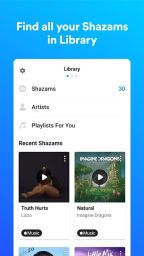
Saving previous discoveries adds a personal element to the experience. Over time, Shazam can become a record of musical moments I encountered throughout daily life.
I like this idea because the history is not just a list of songs. Each result can represent a place, a day, an event, or a feeling connected with when I found it.
This personal archive makes the app more than a temporary tool. It becomes a small collection of musical memories.
Accuracy Defines the Trust in the App
For a recognition app, accuracy is everything. The entire experience depends on whether the app can correctly identify what I hear.
I appreciate that Shazam is designed around this single responsibility. A mistake is more noticeable here than in many other apps because the main purpose is discovery.
When recognition works well, the experience feels effortless. When the app cannot identify something, the limitation becomes clear, especially with unusual recordings, background noise, or unclear audio.
The App Is Powerful Because It Stays Focused
Many apps try to do everything, but Shazam’s strength comes from maintaining a clear purpose. It does not need endless features to be useful. The core idea is simple and effective.
I like tools that solve one problem exceptionally well. Shazam succeeds because it understands the value of speed, simplicity, and convenience.
The additional features support the main function instead of distracting from it. This creates a balanced experience where every part of the app feels connected to music discovery.
Where Shazam Feels Strongest and Where It Has Limits
Shazam feels strongest when I discover a song unexpectedly and want an immediate answer. The combination of fast recognition, music information, lyrics, and listening options creates a smooth experience.
The main limitation is that the app depends on having recognizable audio. Live performances, remixes, background noise, or unfamiliar recordings can sometimes make identification more difficult.
For me, Shazam succeeds because it captures a universal human curiosity. Music is everywhere, and the app makes it easier to follow that curiosity whenever a new sound catches my attention.