
Hulu: Stream TV shows, hit movies, series & more
All trademarks belong to their respective owners.










Hulu: Stream TV shows, hit movies, series & more Summary
Get From the Official Digital Markets
All trademarks belong to their
respective owners.
Hulu is one of those streaming apps that feels less like a single library and more like a messy but useful entertainment drawer. Open it, and there might be a prestige drama, a network comedy from last night, a reality show everyone is pretending not to watch, a horror movie, an animated series, a Hulu Original, or a live-TV package waiting behind a more expensive door. It is not the cleanest streaming service in the world, and it is not always the calmest. But as a flexible app for TV shows, movies, current hits, originals, and live channels, Hulu remains one of the most practical entertainment platforms in the United States.
The Product List Positions Hulu as an Entertainment App
Your product list places Hulu: Stream TV shows, hit movies, series & more in the Entertainment category, marks it as active, and includes both Google Play and App Store links. That fits the current public positioning of the app. Google Play describes Hulu as a place to stream TV shows, films, award-winning classics, blockbuster movies, current hits, and exclusive Originals.
I like that the app’s purpose is immediately clear. Hulu is not trying to be a social network, a game platform, or a creator tool. It is an entertainment app built around watching. The interesting part is how broad that watching can become depending on the plan: on-demand streaming, ad-supported viewing, ad-free viewing, and live TV.
-
Hulu is listed in your table as an active Entertainment app;
-
The product entry includes both Android and iOS store links;
-
The service focuses on TV shows, movies, Originals, and optional live TV;
-
The app works best for viewers who want flexible streaming rather than only one narrow content category;
The Main Strength Is TV Variety
Hulu’s strongest identity has always been television. The official Hulu + Live TV page highlights “most new episodes on Hulu the day after they air,” while the App Store listing emphasizes thousands of TV episodes and movies, current hits, blockbuster movies, and exclusive Originals. That makes Hulu especially useful for people who still follow current series but do not want a traditional cable routine.
I like Hulu most when I use it as a TV catch-up machine. It feels built for viewers who want current episodes, familiar network-style browsing, and a rotating mix of shows without jumping between five different apps. It is not always elegant, but the library often feels useful in a very everyday way.
Hulu Originals Give the App a Clearer Personality
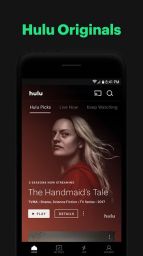
Google Play describes Hulu as a place for exclusive Originals, while the App Store mentions exclusive Originals as one of the app’s core selling points. Originals matter because streaming services need more than licensed catalogs. A good exclusive show gives users a reason to keep the app installed instead of treating it like a temporary rental shelf.
I think Hulu’s original identity is interesting because it tends to sit between mainstream TV comfort and sharper prestige-style storytelling. The service can host serious dramas, comedies, documentaries, reality programming, and genre titles without feeling locked into one brand mood. That flexibility is useful, even if it sometimes makes Hulu feel less instantly recognizable than Disney+, Netflix, or HBO Max.
-
Hulu Originals help the app stand apart from basic licensed-content libraries;
-
The service can support drama, comedy, reality, documentary, horror, and animation;
-
Exclusive shows give subscribers a stronger reason to stay;
-
The broad brand identity is practical, though sometimes less visually distinct than competitors;
The Movie Library Is Useful, but Not Always Predictable
Both Google Play and the App Store frame Hulu as a place to stream films, blockbuster movies, award-winning classics, and current hits. That makes the app more than a TV-only service. It can work for weekend movie browsing, especially when the library has strong seasonal additions or licensed titles.
I like Hulu’s movie side when I am in discovery mode rather than searching for one exact title. Streaming movie catalogs shift constantly because licensing changes, so Hulu is strongest when I browse by mood: comedy, thriller, horror, documentary, action, romance, or “something I can watch while folding laundry and still understand.” That is a legitimate genre, spiritually if not officially.
The Plans Give Flexibility, but Also Complexity
The App Store listing says users can choose from Hulu With Ads, Hulu No Ads, or Hulu + Live TV, with regional restrictions, blackouts, and additional terms applying to the live-TV option. Hulu’s help page also explains that standalone Hulu plans give access to thousands of hit shows, movies, and more from the Hulu streaming library.
I appreciate the choice, but the plan structure can feel a little complicated. Some viewers only want cheap access to the library. Others want no ads. Others want live sports, news, and channels. Hulu supports all of those, but users need to read carefully before subscribing. The difference between Hulu, Hulu No Ads, and Hulu + Live TV is not just price; it changes the whole use case.
-
Hulu With Ads is the cheaper entry point for on-demand streaming;
-
Hulu No Ads is better for viewers who dislike interruptions;
-
Hulu + Live TV targets people who want live channels, sports, and news;
-
Plan details, regional restrictions, and blackout rules should be checked before subscribing;
Hulu + Live TV Is the Cable-Replacement Side
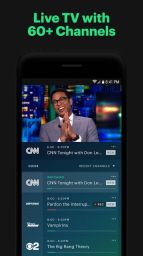
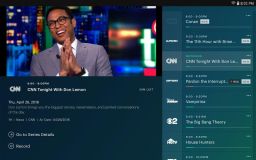
Hulu’s official Live TV page says Hulu + Live TV includes 95+ live TV channels, Disney+, and ESPN Select, with access to sports, news, TV shows, movies, college football, and NFL games. That makes Hulu + Live TV a very different product from the basic streaming library. It is closer to a cable replacement with streaming attached.
I like that Hulu has this option because not every household wants to fully abandon live TV. Sports, local news, big events, and channel surfing still matter for many people. Hulu + Live TV tries to serve those viewers while keeping the familiar Hulu on-demand library nearby. The downside is obvious: live-TV bundles are much more expensive than basic on-demand plans.
Sports and News Make Hulu More Practical for Households
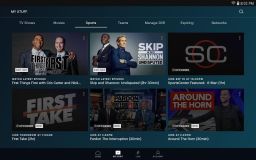
The Hulu + Live TV page specifically highlights live sports, news, TV shows, movies, college football, and NFL games, plus 95+ live TV channels. That makes the service useful for households where not everyone watches the same kind of content. One person may want scripted shows. Another wants sports. Another wants live news. Another wants reality TV and refuses to explain why.
I think this household flexibility is one of Hulu’s biggest advantages. A single subscription can cover several viewing habits, especially with the Live TV option. But the value depends heavily on whether the household actually uses those channels. Paying live-TV prices only to watch three on-demand shows is like buying a minivan because you occasionally carry a sandwich.
-
Live TV makes Hulu more useful for sports and news viewers;
-
The 95+ channel package can support broader household viewing needs;
-
Disney+ and ESPN Select inclusion strengthens the bundle value;
-
The higher price only makes sense if users actually need live channels;
The Disney Connection Is Now Central
Disney+ currently describes itself as the streaming home for Disney, Hulu, ESPN, Pixar, Marvel, Star Wars, National Geographic, and more, and says it includes a limited selection of hit Hulu series and movies in the Hulu hub on Disney+. This is important because Hulu no longer feels completely separate from Disney’s broader streaming ecosystem.
I like the idea of the Hulu hub inside Disney+ because it can reduce app-switching. Families may want Disney, Pixar, Marvel, Star Wars, ESPN Select, and general-entertainment Hulu content in one place. The risk is brand confusion. Hulu used to feel like the more adult/general entertainment sibling. As Disney integrates more content, users may need to understand what lives where and which subscription unlocks what.
The App Works Best When It Gets Out of the Way
Hulu’s mobile app is available through Google Play and the App Store, and both store pages position it as a streaming app for shows and movies. For a streaming app, the goal is simple: help me find something, start it quickly, remember my place, and not make me feel like I need a treasure map to continue episode four.
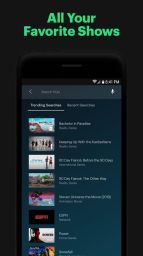
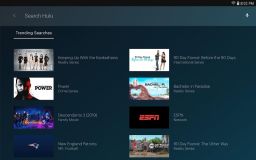
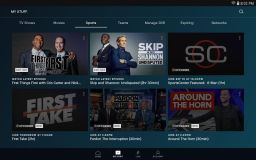
I like Hulu when the interface feels direct. Continue watching, search, categories, recommendations, and episode pages need to work smoothly because viewers are usually not opening a streaming app to admire navigation architecture. They want a show. Preferably the one they were watching before the app briefly forgot they existed.
-
The app is strongest when search and Continue Watching work smoothly;
-
Clear episode organization matters for TV-heavy viewing;
-
Recommendations help when browsing a large library;
-
Streaming apps need reliability more than flashy interface tricks;
Mobile Viewing Is a Natural Fit
Your product list includes the Android package and iOS App Store link for Hulu, matching its current official mobile availability. Google Play and the App Store both frame Hulu as a way to stream TV shows and movies on mobile devices.
I think Hulu works well on phones and tablets because TV episodes often fit mobile viewing better than long movies. A sitcom episode, reality segment, late-night clip, animated episode, or drama chapter can fit into a commute, lunch break, or evening wind-down. Movies still work, but Hulu’s TV-first personality feels especially mobile-friendly.
Downloads Can Matter for Travel
The App Store’s app subtitle describes Hulu as a place to watch films and download series. Downloads are important because streaming is not always convenient. Flights, trains, weak hotel Wi-Fi, and mobile-data limits can make offline viewing feel essential rather than optional.
I like downloading episodes before travel because it turns the app into a more reliable entertainment tool. Streaming services sometimes act like the internet will always be stable, which is adorable and false. Offline access, when included with the right plan and content rights, can make Hulu much more practical.
-
Downloads can help during travel or weak internet situations;
-
Offline viewing is especially useful for TV episodes;
-
Download rights may depend on plan, device, and content licensing;
-
Users should check download availability before relying on it for trips;
Ads Are the Biggest Trade-Off
The App Store listing clearly separates Hulu With Ads from Hulu No Ads. That choice is central to the Hulu experience. The cheaper plan can be a good value, but ad breaks change the rhythm of viewing. For some viewers, that is acceptable. For others, it makes a dramatic scene feel like it has been tackled by a detergent commercial.
I do not think ads automatically ruin Hulu. Many viewers accept them to save money. But the ad-supported experience works best when interruptions are reasonable, predictable, and not repetitive. If the same ad appears too often, the viewer may begin to develop a personal rivalry with a product they have never bought.
Hulu Is Strongest for Current-TV Viewers
Hulu’s Live TV page emphasizes that most new episodes are available on Hulu the day after they air, while the App Store description highlights current hits alongside classics, movies, and Originals. That makes Hulu especially valuable for viewers who still think in weekly TV rhythms.
I like this because not every streaming viewer wants to wait for full seasons or browse endless originals. Sometimes the practical question is simple: where can I watch the episode people are discussing today? Hulu often serves that need better than services focused only on complete seasons or franchise libraries.
-
Next-day episode access is a major Hulu advantage;
-
The service fits viewers who follow current broadcast or cable-adjacent shows;
-
It works well for weekly viewing habits, not only binge watching;
-
Current TV access helps Hulu stand apart from pure archive-style libraries;
The Library Can Feel Busy
Hulu’s catalog spans TV shows, movies, current hits, classics, Originals, and optional live channels. That range is useful, but it can also feel crowded. A broad app needs strong organization, otherwise browsing becomes a long scroll through thumbnails while dinner gets cold.
I sometimes find Hulu’s identity harder to describe than more focused services. Disney+ is family franchises. ESPN is sports. Netflix is huge global streaming. Hulu is a mix: current TV, adult animation, reality, originals, films, FX-style prestige, broadcast catch-up, and live TV if you pay more. That mixed identity is a strength for variety but a weakness for clarity.
The Price Question Depends on Your Habits
Hulu’s help page explains standalone plans for the streaming library, while the Live TV page presents a larger bundle with 95+ channels, Disney+, and ESPN Select. That means Hulu can be either a relatively simple on-demand subscription or a much bigger household TV package.
I think the best way to judge Hulu is by viewing habits. Someone who watches current TV, Hulu Originals, and a few movies each month may get solid value from the basic plans. A household replacing cable may consider Hulu + Live TV. A viewer who only wants one show should probably subscribe briefly, watch it, and leave before the monthly bill starts developing emotional attachment.
-
Basic Hulu plans make sense for on-demand TV and movie viewers;
-
Hulu No Ads is better for heavy watchers who dislike interruptions;
-
Hulu + Live TV makes sense mainly for households that need live channels;
-
The best value depends on how often the library and live channels are actually used;
The Device Coverage Is Practical
Hulu’s Live TV page says users can watch on favorite devices including TV, laptop, phone, or tablet. That cross-device availability matters because streaming rarely happens on one screen anymore. A viewer may start on a living-room TV, continue on a phone, and finish on a tablet while pretending that counts as multitasking.
I like that Hulu fits common viewing patterns. Big-screen viewing is best for movies and live events. Mobile is great for shorter episodes. Laptops work for travel or background watching. A good streaming service needs to follow the viewer across those situations without making the experience feel completely different each time.
The App Is Most Useful in the United States
The Hulu app listing and Hulu’s official pages primarily target U.S. service availability, while the App Store result is specifically the U.S. listing. This matters for international users because Hulu availability is not the same everywhere, and some Hulu content may appear through Disney+ hubs or other regional brands instead.
I would be careful when writing for a global audience. Hulu is a very recognizable U.S. streaming name, but users outside the United States may not be able to access the standalone app or the same content library. For international SEO, it is worth mentioning that availability, catalog, downloads, and plans can vary by region.
-
Hulu is most directly relevant to U.S. streaming users;
-
International availability can differ from the U.S. catalog and app experience;
-
Some Hulu content may appear through Disney+ in selected markets;
-
Users should check local app-store and subscription availability before planning around Hulu;
The Disney+ Hulu Hub Is Helpful, but Not a Full Replacement for Everyone
Disney+ says its Hulu hub includes a limited selection of hit Hulu series and movies, not necessarily the full Hulu standalone library. That distinction is important. Users may see Hulu content inside Disney+, but that does not automatically mean every standalone Hulu feature, title, or live-TV option is identical there.
I like the hub as a convenience feature, especially for households already using Disney+. But heavy Hulu viewers may still need to understand the difference between the Disney+ Hulu hub, standalone Hulu, and Hulu + Live TV. Streaming companies love bundles almost as much as viewers love not needing a spreadsheet, and sometimes those two feelings collide.
The Best Hulu Experience Is Intentional
Hulu can be excellent when used with a clear purpose. Current episodes? Good fit. Hulu Originals? Good fit. A cable-replacement bundle? Possibly a good fit. Random movie browsing? Often useful. International all-in-one entertainment? More complicated.
I like Hulu best when I know what I want from it. The app’s variety is powerful, but variety can turn into subscription fog if I am not paying attention. Hulu rewards viewers who choose the right plan and actually use the parts they are paying for.
-
Current-TV fans may get the clearest value from Hulu;
-
Movie browsers can benefit from the rotating catalog;
-
Live-TV households should compare channel needs before subscribing;
-
Disney Bundle users should understand what content appears in each app or hub;
Where Hulu Feels Most Effective
Hulu feels most effective when I want a practical streaming app rather than a perfectly curated prestige museum. It gives me shows, movies, Originals, current episodes, and optional live TV in one ecosystem. The result is not always elegant, but it is useful.
The service also works because it bridges old and new viewing habits. It can behave like a modern on-demand app, but with the Live TV plan it can also support channel-based viewing, sports, and news. That flexibility is Hulu’s biggest selling point.
Where Hulu Feels Less Strong
Hulu feels less strong when the plan structure becomes confusing or when ads interrupt the rhythm too often. The difference between ad-supported Hulu, Hulu No Ads, Hulu + Live TV, Disney+ bundles, ESPN Select, and Hulu content inside Disney+ can be a lot for casual users to parse.
It also feels less strong outside the U.S. context, where standalone availability and catalog access can vary. Hulu is a powerful entertainment brand, but it is not a simple global streaming answer in the same way everywhere.