



Boddle Summary
Get From the Official Digital Markets
All trademarks belong to their
respective owners.
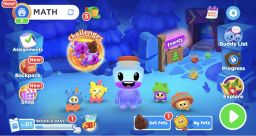
I opened Boddle expecting a simple educational app with a few game elements placed around math practice, but it feels more ambitious than that. Boddle wants to make learning look and feel like a 3D adventure, where children move through a colorful world, customize characters, answer questions, earn rewards, and keep progressing without the atmosphere of a traditional worksheet. The official positioning is clear: Boddle is built for K–6 learners and focuses on math, English language arts, and science through interactive gameplay. What I found most interesting is that the game does not hide its educational purpose, but it tries hard to make that purpose feel playful rather than heavy. It is not a replacement for a teacher, parent, or deeper lesson, but as a practice tool, it understands how motivation works for many kids.
The 3D World Gives Practice a Stronger Sense of Place
Boddle stands out because it does not present learning only as a flat quiz screen. The 3D world gives the platform a more game-like identity, which matters for younger students who may resist traditional drill practice. When an educational app feels like a place to explore instead of a page to complete, the emotional tone changes immediately.
I like that Boddle uses its world to make progress feel visible. Children are not only answering questions and watching a percentage increase. They are moving through a playful environment where rewards, avatars, and game systems help frame practice as part of a larger journey. That kind of presentation can make repeated skill work feel less repetitive.
The Learning Loop Is Simple Enough for Young Students
The core loop of Boddle is easy to understand: students play, answer curriculum-style questions, earn rewards, and continue progressing. That clarity is important because educational games can become frustrating when the game layer is too complicated or the learning layer is buried under too many menus.
I appreciate that Boddle keeps the educational action close to the surface. The child knows they are learning, but the game gives them enough color, motion, and reward to keep the process from feeling cold. For K–6 learners, that balance is useful. The app needs to feel fun without becoming so distracting that the learning disappears.
-
The gameplay gives children a reason to keep practicing;
-
The question-answer structure keeps learning easy to follow;
-
Rewards help make repetition feel more satisfying;
-
The 3D presentation makes the app feel less like a normal worksheet;
Math Practice Feels Like the Strongest Foundation
Boddle is especially associated with math practice, and that makes sense. Math benefits from repetition, immediate feedback, and adaptive pacing. A child may need to solve many problems before a skill becomes comfortable, and a game structure can make that repetition easier to accept.
I liked how Boddle turns math into something less intimidating. The app does not make every question feel like a test. Instead, practice becomes part of a playful rhythm. That can help students who already feel anxious about math, because the surrounding environment is softer and more encouraging than a blank worksheet full of problems.
Reading and Science Make the Platform Feel Broader
The Google Play and App Store descriptions both describe Boddle as a game for practicing math, reading, and science, which gives it a broader educational identity than a single-subject app. That is useful for families and classrooms that want one familiar platform rather than switching between several different tools.
I think the broader subject coverage also helps Boddle feel more like a learning habit than a one-purpose math game. A student can return to the same playful environment for different types of practice. That consistency can reduce friction, especially for younger children who benefit from familiar routines.
-
Math practice gives the platform a clear academic core;
-
Reading and ELA support make it useful beyond number skills;
-
Science content adds more variety to learning sessions;
-
One familiar environment can make regular practice easier for kids;
The Character Design Makes Learning Feel More Personal
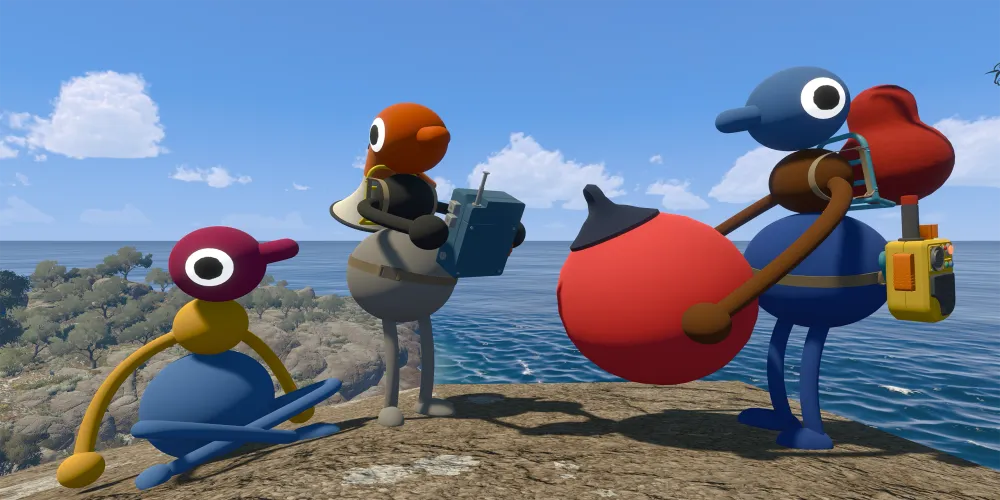
Boddle’s character style is one of its most recognizable features. The little bottle-shaped avatars are unusual, cute, and easy to remember. For an educational product, that kind of visual identity matters. Children often connect more strongly with learning tools when they can personalize or recognize their character inside the experience.
I found the character design effective because it gives Boddle a personality separate from other quiz platforms. The game does not look like a generic classroom tool with cartoon stickers added later. It has a specific visual language, and that helps the product feel like a world instead of a utility.
Customization and Rewards Support Motivation
Educational games often depend on reward systems, and Boddle clearly understands that. Customization, collectibles, progress, and playful feedback can help students feel that their effort is producing something visible. That does not automatically guarantee learning, but it can help children stay willing to practice long enough for learning to happen.
I like rewards most when they support effort rather than replace it. In Boddle, the best use of rewards is not simply to distract children with prizes. It is to make academic persistence feel recognized. A child who keeps trying, answers questions, and returns to practice gets a sense of forward motion.
The Teacher Portal Makes Boddle More Useful in Classrooms
Boddle is not only designed for children playing at home. Its teacher page describes a Teacher Portal with progress reports, classroom tools, and features meant to help teachers support student growth. This is important because classroom learning games need more than student-facing fun. Teachers need visibility.
I appreciate that Boddle gives adults a way to monitor progress rather than simply trusting that screen time equals learning. In a classroom, a game is only truly useful if the teacher can understand what students are practicing, where they are struggling, and how the activity connects to learning goals. Boddle’s teacher-facing structure gives the platform more educational weight.
-
Progress reports help teachers see student performance;
-
Classroom tools make the platform more practical for school use;
-
Teacher visibility helps separate learning time from empty screen time;
-
The portal gives adults a clearer role in guiding student practice;
The Parent Experience Is Built Around Healthy Screen Time
Boddle’s parent page presents the product as a 3D math adventure game and specifically frames it around healthy screen time that helps children improve in math. I think that positioning is smart because many parents are not against screens entirely; they are against screen time that feels passive or endless.
Boddle gives parents a more constructive option. A child can still enjoy a colorful digital world, but the time is tied to academic practice. That does not mean parents should treat it as unlimited screen time, but it does make the app easier to justify than entertainment-only games.
The Game Works Best as Practice, Not Full Teaching
Boddle is most effective when used as a practice layer. It can help children repeat skills, build confidence, and stay engaged with academic content. However, I would not treat it as a complete replacement for instruction. Children still need explanations, discussion, examples, feedback, and real-world problem solving from teachers or parents.
This distinction matters. Boddle can make learning more engaging, but engagement is not the whole learning process. The app is strongest when it supports lessons that are already being taught elsewhere. It gives students a fun place to practice, but adults still need to provide context and guidance.
The Classroom Appeal Comes From Engagement
In a classroom, Boddle’s strongest value is engagement. Students who might resist ordinary review can become more willing to participate when the activity looks like a game. That can be especially helpful for warm-ups, skill reinforcement, math practice blocks, independent centers, homework alternatives, or enrichment time.
I like that the app can give teachers another way to reach students who need repetition but dislike repetitive formats. The 3D world, characters, rewards, and game rhythm can reduce the emotional resistance that sometimes comes with practice. For teachers, that can make a real difference during busy school days.
-
It can make independent practice feel more inviting;
-
It gives teachers a playful option for skill reinforcement;
-
It may help reluctant learners approach repeated practice with less resistance;
-
It works well when paired with clear classroom expectations;
The Game Layer Can Also Become a Distraction
The biggest risk with Boddle is the same risk that comes with many educational games: the game layer can sometimes become more interesting than the learning layer. If a child is focused only on rewards, customization, or movement through the world, they may rush through questions instead of thinking carefully.
This does not make the platform weak, but it does mean adult involvement matters. Teachers and parents should watch whether a child is actually practicing thoughtfully. A good educational game should motivate learning, not train students to click quickly for prizes. Boddle works best when adults help keep the learning goal visible.
The Visual Style Is Friendly, But Not for Every Age
Boddle’s look is bright, cute, and clearly designed for elementary learners. For younger students, that is a strength. The characters are approachable, the world feels playful, and the overall tone is non-threatening. It looks like a place where mistakes are part of the journey rather than a reason to feel embarrassed.
Older students, especially near the top of the K–6 range, may respond differently depending on personality. Some will enjoy the game-like world, while others may feel it looks too childish. That is not unusual for elementary learning platforms, but it is worth considering when choosing Boddle for a specific class or child.
The Mobile Access Makes It Easier to Use at Home
Your product list includes Boddle with Google Play and App Store links, which fits the product’s mobile-friendly nature. Google Play and App Store listings show Boddle available as an app for mobile devices, giving families and students more ways to access practice beyond a classroom computer.
I like this because learning tools become more useful when they fit real routines. A child might practice after school, during a homework block, while traveling, or as part of a parent-guided screen-time schedule. Mobile access does not automatically create consistency, but it removes one barrier.
The Progress Insight Matters for Adults
One of the strongest claims in the app store descriptions is that Boddle provides adults with insight and assurance of learning progress. This matters because parents and teachers need more than a child saying, “I played.” They need to know whether the child is improving, practicing the right skills, and spending time productively.
I think progress insight is what separates a useful educational game from a purely entertaining one. The child experiences the playful layer, but the adult can look behind it and make better decisions. That combination is valuable because it serves both sides of the learning relationship.
-
Students get a playful learning environment;
-
Parents get a more constructive screen-time option;
-
Teachers get classroom tools and progress visibility;
-
The platform works best when all three roles support one another;
The Tone Feels Encouraging Rather Than Strict
Boddle’s tone is one of its advantages. It does not feel like a punishment tool disguised as a game. It feels cheerful, encouraging, and designed to make learning feel less intimidating. That is important for children who are already nervous about school subjects, especially math.
A supportive tone can change how students approach mistakes. If the app makes practice feel safe, children may be more willing to keep trying after a wrong answer. For elementary learners, that emotional safety can matter as much as the content itself.
The Product Is Best for Families and Teachers Who Want Practice With Personality
Boddle is strongest for families and classrooms looking for skill practice that does not feel plain. It is a good fit for younger learners who like avatars, rewards, game worlds, and visual progress. It is also useful for adults who want educational screen time with some reporting and structure.
I would not choose Boddle for a child who needs a quiet, minimalist learning environment with no distractions. I also would not use it as the only source of instruction. But for practice, reinforcement, and motivation, it has a clear identity. It makes academic repetition feel more like a journey and less like a chore.
Where Boddle Feels Most Effective
Boddle feels most effective when a child needs repeated practice but lacks motivation. The 3D world, character design, rewards, and classroom support create a more inviting path into learning. The platform understands that children are more likely to practice when the process feels alive.
I also think Boddle works well when adults set a clear purpose. A teacher can use it to reinforce a skill. A parent can use it as part of a healthy screen-time routine. A student can use it to build confidence without feeling like every practice session is a formal test. That flexibility is one of its biggest strengths.
Where Boddle Feels Less Strong
Boddle’s weaknesses come from the same things that make it appealing. The game layer can be motivating, but it can also distract. The visual style is friendly, but it may feel too young for some older elementary students. The platform supports learning, but it cannot replace adult explanation or deeper instruction.
It is also important to remember that educational value depends on consistent use and the quality of the learning path. A game can make practice easier to start, but progress still requires time, attention, and guidance. Boddle gives students a more playful route, but adults still help make the journey meaningful.