
PBS KIDS Games Summary
Get From the Official Digital Markets
All trademarks belong to their
respective owners.
PBS KIDS Games feels like a digital playground where learning and entertainment are mixed together in a way that does not make children feel like they are completing homework. I approached it expecting a simple collection of educational mini-games, but what stood out to me was how carefully the experience is built around curiosity, exploration, creativity, and friendly characters. Instead of focusing only on rewards or competition, the game collection creates a comfortable space where children can play while naturally practicing different skills.
What I like most about PBS KIDS Games is that it understands its audience. The experience is not designed around complicated systems, difficult menus, or overwhelming choices. It focuses on clear goals, familiar characters, colorful worlds, and activities that children can understand quickly. The official PBS KIDS brand is known for educational children’s content, and this game collection brings that same approach into interactive form, combining entertainment with learning-focused activities.
A Colorful World Built Around Curiosity
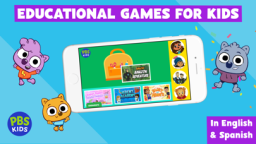
The visual style of PBS KIDS Games is one of its biggest strengths. The design uses bright colors, friendly characters, simple shapes, and welcoming environments that immediately communicate safety and fun. The interface avoids unnecessary complexity, which is important because younger players need to understand where to tap, what to do, and how to continue without constant adult help.
I enjoy how each game feels connected to the personality of its featured characters. The worlds are not just backgrounds behind activities. They create a sense of familiarity. A child who already knows a character from a PBS KIDS show can immediately feel comfortable entering that character’s environment.
The animation style is warm and approachable. There is no pressure to make everything look intense or competitive. Instead, the visuals support imagination and discovery. Every button, character reaction, and small animation is designed to encourage exploration rather than create stress.
The Characters Become Friendly Learning Guides
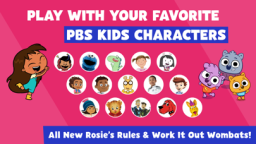
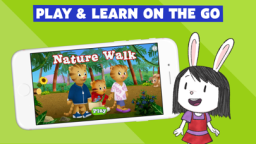
The main characters in PBS KIDS Games are the familiar faces that guide children through different activities. Characters from shows like Daniel Tiger, Wild Kratts, Sesame Street, Curious George, and others bring their own personalities and educational themes into the games.
I like that these characters are not just decorations. They often explain tasks, encourage players, and provide context for what is happening. A child is not simply solving a puzzle or completing an activity. They are interacting with a familiar companion who makes the experience feel more personal.
This approach is especially effective for younger players because familiar characters reduce the learning curve. A child who already trusts a character from a show may be more willing to try a new activity. The emotional connection becomes part of the learning process.
Mini-Games Turn Learning Into Play
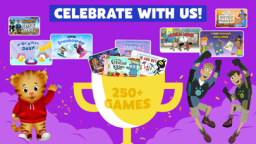
The biggest appeal of PBS KIDS Games is the variety of activities. Instead of offering one repeated mechanic, the collection includes different types of games that focus on different skills. Some activities encourage problem-solving, some support creativity, some involve numbers or letters, and others focus on observation and memory.
I appreciate that the games usually avoid making learning feel separate from fun. A child is not presented with a lesson followed by a reward. The activity itself is designed to be enjoyable. The learning happens naturally through interaction, experimentation, and repetition.
This structure works well because children often learn best when they are actively involved. Moving objects, making choices, exploring environments, and receiving immediate feedback can make concepts easier to understand. PBS KIDS Games uses play as the main teaching tool.
Simple Controls Make It Accessible for Young Players
The controls are designed with younger users in mind. Most activities rely on simple taps, swipes, dragging objects, or basic interactions. This accessibility is important because a child should be able to focus on the activity itself rather than struggling with complicated controls.
I like that the games generally provide clear visual feedback. When a child taps something, moves an object, or completes a task, the response is immediate. That creates a sense of connection between action and result, which is essential for early learning experiences.
The simplicity also makes PBS KIDS Games useful for independent play. Younger children may still need guidance at times, but the design allows many activities to be explored without constant instructions from adults.
Educational Value Comes Through Natural Practice
One of the strongest aspects of PBS KIDS Games is how it integrates educational ideas without making them feel forced. A child may practice counting while completing a challenge, improve memory while searching for objects, or develop creative thinking while building and designing.
I like this approach because it respects the difference between learning and testing. The games are not constantly asking children to prove what they know. Instead, they create situations where children can practice skills repeatedly while enjoying the activity.
The best educational games understand that confidence matters. A child who feels successful is more likely to continue exploring. PBS KIDS Games often creates that feeling through encouragement, friendly characters, and manageable challenges.
Creativity Has Space Alongside Structured Activities
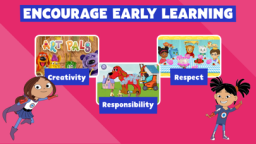
Not every child learns the same way, and I like that PBS KIDS Games includes activities that are not only about finding the correct answer. Creative tasks allow children to experiment, make choices, and express themselves.
Creative play is important because it develops imagination and decision-making. When a child creates something, arranges objects, designs a scene, or explores possibilities, they are practicing skills that go beyond memorization.
The balance between structured learning and creativity makes the collection more engaging. Some moments provide clear goals, while others allow more freedom. That variety helps prevent the experience from becoming repetitive.
A Safe Digital Space for Younger Players
Safety is one of the most important considerations for children’s apps, and PBS KIDS Games benefits from the trust associated with its educational brand. The experience is designed specifically for young audiences, with a focus on age-appropriate content and child-friendly interaction.
I appreciate that the environment feels calmer than many entertainment apps aimed at children. There is less emphasis on competition, aggressive rewards, or overwhelming notifications. The overall tone encourages exploration rather than constant urgency.
For parents, this type of experience can feel more comfortable because the focus is on educational entertainment. Of course, digital play is still best when balanced with other activities, but a thoughtfully designed app can be a useful part of a child’s learning environment.
Sound and Music Create a Friendly Atmosphere
The audio design supports the welcoming feeling of PBS KIDS Games. Character voices, cheerful music, and simple sound effects help children understand what is happening while keeping the mood positive.
I like how sound feedback makes small achievements feel meaningful. Completing a task, finding an object, or solving a problem often receives a response that encourages continued exploration. These small moments help children understand that their actions matter.
The music is usually supportive rather than distracting. It creates energy without making the experience overwhelming. For younger players, that balance is important because too much stimulation can make an app tiring instead of enjoyable.
Replay Value Comes From Variety Rather Than Competition
PBS KIDS Games does not depend on intense competition to encourage replay. Instead, children return because they enjoy familiar characters, different activities, and the feeling of discovering something new.
I like this design philosophy because it matches the purpose of the collection. The goal is not to create endless pressure to achieve higher scores. The goal is to create positive interactions that encourage learning and curiosity.
The amount of replay value depends on the individual child. Some players may return often because they love specific characters or activities. Others may explore everything quickly and move on. The variety helps, but the experience is naturally different from a traditional game built around constant progression.
Where PBS KIDS Games Feels Strongest and Where It Is Limited
PBS KIDS Games feels strongest when it combines familiar characters, simple controls, and meaningful activities. The best moments happen when a child is focused on playing and does not even notice that they are practicing useful skills at the same time.
The main limitation is that older children may eventually find many activities too simple. The collection is designed for younger audiences, and that focus is a strength, but it also means the challenge level may not satisfy players looking for deeper mechanics or complex systems.
The experience also depends on personal preference. Children who already enjoy PBS KIDS characters may connect immediately, while others may need more time to discover which activities they enjoy most. The strongest appeal comes from the combination of familiarity, comfort, and playful learning.