Khan Academy Kids: Free educational games & books
All trademarks belong to their respective owners.
Khan Academy Kids: Free educational games & books Summary
Get From the Official Digital Markets
All trademarks belong to their
respective owners.
Khan Academy Kids is one of the rare educational apps that does not make me immediately search for the fine print. It is free, it is built for young children, it has no ads or subscriptions, and it focuses on early learning through games, books, videos, songs, and friendly characters instead of turning a preschooler into a tiny subscription funnel. That alone makes it stand out in a crowded kids’ app market. But the bigger reason it works is that it treats early learning as something warm, playful, and repeatable. It does not feel like a digital worksheet wearing cartoon stickers. It feels like a small learning world designed for children who are still figuring out letters, numbers, feelings, routines, and why tapping everything on the screen is apparently a life philosophy.
The Product List Places It Clearly in Education
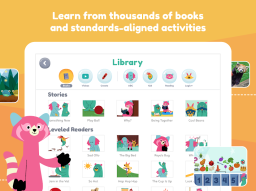
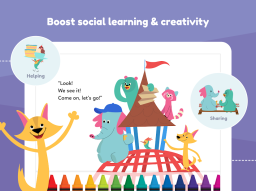
Your product list identifies Khan Academy Kids: Free educational games & books as an active Education app, with both Google Play and App Store links and a Combine type. That positioning is accurate. This is not simply a casual kids’ game with educational decoration. It is a full early-learning app built around reading, math, phonics, storybooks, videos, creativity, social-emotional learning, and classroom-friendly tools.
I like that the app’s value proposition is very clear. It is made for children ages 2–8, and the official Khan Academy Kids page describes it as 100% free forever, with no ads and no subscriptions. That matters because many children’s apps start cute and then slowly reveal a paywall, ad wall, or “parental patience test.” Khan Academy Kids feels more mission-driven from the beginning.
-
The product is listed as an active Education app in your table;
-
It has official Android and iOS store links;
-
The app is built for early learners, especially ages 2–8;
-
Its strongest promise is free access without ads or subscriptions;
The Free Model Is a Huge Advantage
Khan Academy Kids is 100% free with no ads or subscriptions, according to both the official Khan Academy Kids website and Google Play listing. In the children’s app space, that is not a small detail. It changes the whole trust level. Parents do not have to worry that a child will be pushed toward purchases, distracted by ads, or blocked halfway through a learning path by a subscription screen.
I appreciate this because early childhood learning should not feel like a checkout process. The absence of ads also makes the app feel calmer and safer. Children can explore lessons, games, and books without being interrupted by unrelated promotions. For parents, teachers, and caregivers, that simplicity is a major relief.
The App Is Built for Ages 2–8
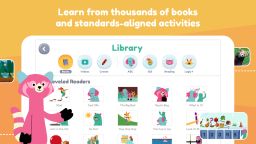
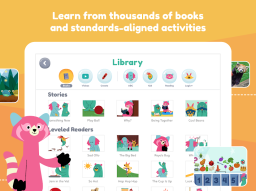
The official Khan Academy Kids page calls it a free learning app for kids ages 2–8, and the App Store listing describes it as offering 5,000+ learning games, books, and videos for that age range. That age span covers toddlers, preschoolers, kindergarten learners, first graders, and second graders, which gives the app a broad early-learning role.
I like that the app grows with the child instead of feeling useful for only one narrow stage. A two-year-old may respond to songs, simple stories, and playful exploration. A five-year-old may need phonics, early math, and story comprehension. A seven-year-old may benefit from reading practice, problem-solving, and independent learning routines. The app’s range makes it practical for families with more than one young child too.
-
Ages 2–8 covers toddlers through early elementary learners;
-
The app can support preschool, kindergarten, first grade, and second grade skills;
-
Different activity types help children at different developmental stages;
-
The broad age range makes it useful for families, classrooms, and homeschool routines;
Reading and Phonics Are Core Strengths
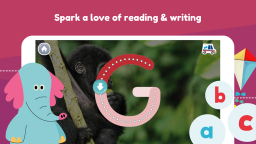
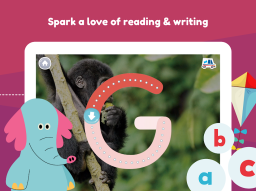
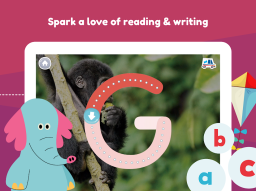
Google Play describes Khan Academy Kids as packed with standards-aligned reading games, math games, phonics lessons, and interactive storybooks. This reading focus is one of the app’s most important strengths because early literacy is not one skill. It is a bundle: letter recognition, sounds, vocabulary, comprehension, listening, sequencing, and confidence.
I like how a playful app can make those skills feel less intimidating. A child may not think, “I am developing phonemic awareness.” They think, “I am playing with Kodi the Bear and friends.” That disguise is useful. Good early education often works best when the learning is visible to the adult but feels like discovery to the child.
The Storybooks Make Screen Time Feel More Useful
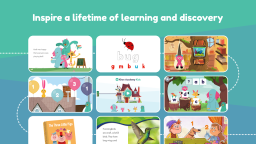
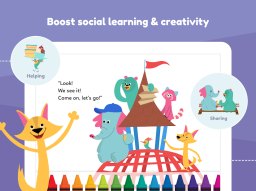
The App Store listing says Khan Academy Kids includes 5,000+ learning games, books, and videos, while Google Play highlights interactive storybooks as part of the learning experience. Books are important because they balance the app’s game-like side with slower language exposure. Children need more than tapping and matching. They need stories, sentences, characters, and listening practice.
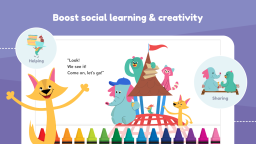
I enjoy that the app includes books because it helps screen time feel less empty. A storybook can support vocabulary, attention span, imagination, and parent-child interaction if used together. The best version of Khan Academy Kids is not a child silently disappearing into a screen forever. It is a tool that can support reading routines, questions, conversations, and shared learning moments.
-
Interactive storybooks support listening, vocabulary, and comprehension;
-
Books help balance fast games with slower learning moments;
-
Read-aloud features can support children who are not yet independent readers;
-
Story content makes the app feel richer than a basic drill tool;
Math Practice Feels Gentle and Playful
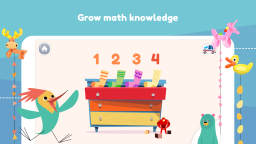
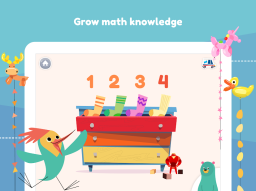
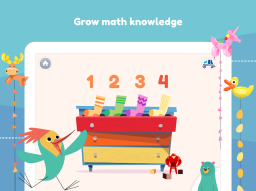
Khan Academy Kids includes math games alongside reading and phonics activities, according to Google Play and the App Store descriptions. For early learners, that usually means foundational number sense rather than intense calculation. Counting, comparing, shapes, patterns, simple problem-solving, and early operations all need repetition, but repetition works better when it feels friendly.
I like educational apps that introduce math without making it feel cold. Young children often build confidence before accuracy becomes consistent. Khan Academy Kids uses playful characters and small tasks to make practice less threatening. A child can try, miss, repeat, and improve without the atmosphere of a formal test.
Kodi the Bear and Friends Give the App a Friendly Identity
Google Play says children can join Kodi the Bear and friends on educational adventures that spark curiosity, build confidence, and inspire a lifelong love of learning. That character layer matters. Early-learning apps need emotional warmth. Children are more likely to return when the app feels like a friendly place rather than a cold skill machine.
I like Kodi and the companion-character approach because young learners often connect with personalities before subjects. A bear guide, cheerful voices, and animated friends can soften the learning process. The characters give continuity across activities, so the app feels like one learning environment rather than a random pile of mini-games.
-
Character guides make the app feel warmer and more approachable;
-
Kodi the Bear gives children a recognizable companion inside the app;
-
Friendly characters can reduce anxiety around new skills;
-
The app feels more cohesive when activities share a consistent cast and tone;
The App Is Standards-Aligned Without Feeling Stiff
Google Play describes the app’s content as standards-aligned, and another Google Play listing notes alignment with Head Start and Common Core Standards. That is valuable for adults because it means the app is not only cute. It is trying to support real early-learning goals.
I like that balance. Children should not feel like they are being marched through standards, but parents and teachers need to know the activities are meaningful. Khan Academy Kids works because it hides structure inside play. The adult sees reading, math, phonics, and problem-solving. The child sees songs, characters, puzzles, books, and small victories.
Teacher Tools Make It Useful in Classrooms
Google Play notes that in-app Teacher Tools help preschool and elementary school teachers create assignments, track student progress, and use the app for small-group and whole-group learning. That expands Khan Academy Kids beyond home use. It can support classroom routines, independent centers, and targeted practice.
I like this because teachers need more than a nice app. They need tools that help organize learning. Assignments and progress tracking make the app more practical. A teacher can use it for early finishers, small groups, individual practice, or reinforcement after a lesson. The fact that it remains free makes that classroom value even stronger.
-
Teacher Tools support assignments and progress tracking;
-
The app can work for preschool and early elementary classrooms;
-
It can support small-group, whole-group, or independent practice;
-
Free access makes it more realistic for classrooms with limited budgets;
It Also Fits Home and Homeschool Routines
The Google Play listing says Khan Academy Kids can be used at home, for homeschool, and at school, with learning at home, on road trips, and in classroom settings. That flexibility is one of the app’s strongest practical features. It is not tied to only one learning environment.
I like it for home use because it can provide meaningful screen time without requiring parents to create a full lesson plan every day. For homeschool families, it can become a supplement rather than a complete curriculum. For busy households, it can provide a reliable educational option during short windows: after breakfast, before dinner, while traveling, or when everyone needs ten peaceful minutes and a snack strategy.
The Content Mix Keeps Children From Getting Stuck in One Mode
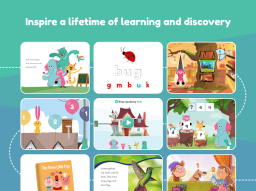
Khan Academy Kids includes games, books, videos, phonics lessons, math activities, and other early-learning experiences, according to Google Play and App Store descriptions. This variety matters because young children do not all learn the same way. Some respond to songs. Others like stories. Others like puzzles. Others want to tap, drag, match, and repeat until the tablet begs for mercy.
I appreciate that the app does not rely on only one format. Books can slow learning down. Games can add motivation. Videos can model concepts. Interactive activities can reinforce skills. That variety helps keep the experience fresh and supports different attention spans.
-
Games support active practice and repetition;
-
Books support vocabulary, listening, and comprehension;
-
Videos and songs can make concepts memorable;
-
Interactive activities help children practice through touch and feedback;
The App’s Safety Positioning Is Strong
The App Store description calls Khan Academy Kids safe, joyful learning and emphasizes that it is always free with no ads or subscriptions. Google Play also says the app is COPPA-compliant, 100% free, and created by education experts. For a children’s app, safety and trust are not bonus features. They are core product features.
I like that there are no ads because children’s apps with ads can create all kinds of problems: distraction, accidental taps, inappropriate promotions, and broken learning flow. Khan Academy Kids feels calmer because the child is not constantly pulled out of the experience. Parents can focus more on the learning and less on monitoring pop-ups.
The Nonprofit Background Matters
Khan Academy describes itself as a nonprofit with the mission to provide a free, world-class education to anyone, anywhere, and Google Play repeats that mission in relation to Khan Academy Kids. That nonprofit identity helps explain why the app can be free without ads or subscriptions.
I think this matters emotionally as well as practically. Parents have become very used to children’s apps monetizing attention. Khan Academy Kids feels different because its purpose aligns with access. The app is not perfect, but its mission makes it easier to trust than many products in the same category.
-
Khan Academy’s nonprofit mission supports free educational access;
-
No ads and no subscriptions make the app easier to recommend;
-
The model reduces pressure on families and classrooms;
-
The mission-driven approach fits early education especially well;
The Duck Duck Moose Connection Adds Early-Learning Credibility
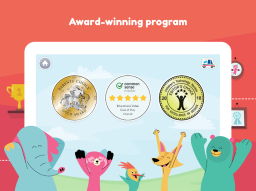
Google Play notes that Khan Academy Kids was created by early learning experts from Duck Duck Moose, a team associated with preschool games and multiple educational app awards. That background matters because early childhood app design is not only about adding cute animals. It requires understanding pacing, feedback, age appropriateness, and how children interact with screens.
I like that the app feels designed by people who understand young users. Buttons need to be clear. Instructions need to be simple. Feedback needs to be encouraging. Activities need to be short enough to hold attention but meaningful enough to teach. Khan Academy Kids generally feels thoughtful in that way.
Offline and Device Flexibility Help Real Families
Khan Academy’s educator resources state that Khan Academy Kids is available on iOS, Android, Amazon, and Chromebook devices, and Google Play notes learning can happen at home, school, and even offline. That flexibility matters because families and schools do not all use the same devices or have perfect internet.
I like educational apps that understand real life. A learning tool should not collapse the moment Wi-Fi gets dramatic. Offline access and broad device support make the app more practical for road trips, classrooms with inconsistent connections, shared family tablets, or homeschool routines.
-
The app is available on iOS and Android, matching your product-list links;
-
Khan Academy also references availability on Amazon and Chromebook devices;
-
Offline use can help with travel, school settings, and unreliable internet;
-
Broad device support makes the app easier to fit into family and classroom routines;
The App Helps Make Screen Time More Meaningful
Google Play uses the phrase “Make screen time more meaningful” when describing Khan Academy Kids. That is exactly the role I would give this app. It does not erase the need for outdoor play, physical books, conversation, sleep, movement, art, or human interaction. But when a child is using a screen, Khan Academy Kids is one of the better ways to make that time useful.
I like it as a replacement for random passive scrolling or noisy ad-heavy games. A child can still enjoy the screen, but the content is directed toward reading, math, stories, songs, and problem-solving. It turns screen time into a learning opportunity without making it feel like punishment.
It Is Not a Babysitter, Even Though It Is Convenient
Khan Academy Kids is convenient, and that is helpful. But it works best when adults stay involved at least some of the time. Parents and teachers can ask questions, repeat vocabulary, discuss stories, celebrate progress, and connect app activities to real life. A learning app is strongest when it becomes part of interaction, not a complete replacement for it.
I think this distinction matters. The app can occupy a child productively, but early learning is social too. Children learn through conversation, play, explanation, routines, and emotional connection. Khan Academy Kids supports that process, but it should not become the whole process.
-
The app is useful for independent practice;
-
Adult involvement can deepen learning through questions and conversation;
-
Screen learning should be balanced with physical play, books, and real-world interaction;
-
The app works best as a supplement, not a full replacement for teaching or parenting;
The Design Feels Gentle Rather Than Hyperactive
Many kids’ apps try to hold attention through noise, speed, flashing rewards, and constant stimulation. Khan Academy Kids feels softer. It uses friendly characters, simple activities, positive feedback, and age-appropriate pacing. That gentler tone makes it easier to recommend for younger children.
I like that the app does not feel like it is trying to hijack attention at all costs. It is still colorful and engaging, but it does not need to shout every second. For early learners, calm design can be just as important as fun design. Children should feel invited, not overwhelmed.
The Learning Path Can Build Confidence
Google Play says Khan Academy Kids is designed to spark curiosity, build confidence, and inspire a lifelong love of learning. Confidence is a major part of early education. Children who feel successful are more likely to keep trying. Children who feel confused or judged may avoid practice.
I like how low-pressure digital activities can support confidence. A child can repeat tasks, hear instructions again, try a different activity, or move at their own pace. The app’s friendly feedback helps learning feel less like failure management and more like exploration.
-
Positive feedback helps children feel safe while practicing;
-
Self-paced activities reduce pressure;
-
Repeated practice can strengthen early literacy and math skills;
-
Confidence building is especially important for preschool and early elementary learners;
The App Is Especially Useful for Pre-K to 2nd Grade
Google Play’s description says Khan Academy Kids grows with a child from age 2 through 8 and includes preschool learning games, kindergarten activities, and 1st and 2nd grade lessons. That makes the app especially relevant for Pre-K through second grade.
I like this school-readiness focus. Preschoolers can build foundational reading, math, and life skills. Kindergarten learners can practice phonics, sight words, writing, and early math. First and second graders can strengthen comprehension and problem-solving. The app has enough range to support gradual development rather than feeling like a one-grade tool.
The Books and Videos Add Subject Variety
Google Play mentions nonfiction books from National Geographic and Bellwether Media, read-aloud storybooks in English or Spanish, and sing-along videos from Super Simple Songs. That content variety helps the app feel broader than basic math and reading drills.
I like the inclusion of nonfiction because children are often deeply curious about animals, dinosaurs, science, nature, and real-world facts. Storybooks build language, but nonfiction builds knowledge. Songs also help because rhythm and repetition can make vocabulary and concepts easier to remember.
-
Nonfiction books support curiosity about animals, dinosaurs, science, and the world;
-
Read-aloud books can support English and Spanish listening experiences;
-
Songs and videos add rhythm, movement, and memory support;
-
Subject variety keeps the app from feeling like only phonics and counting practice;
The Interface Needs to Serve Very Young Users
An app for ages 2–8 has to be designed for children who may not read independently, may tap unpredictably, and may need immediate visual feedback. Khan Academy Kids generally understands this. The interface is friendly, character-led, and simple enough for young users to explore without constant adult rescue.
I like that because frustration can end a learning session quickly. If a child cannot understand what to do, the app stops being educational and becomes a tiny emotional weather event. Clear icons, gentle narration, and predictable navigation help children feel capable.
The App Can Support Routine
Khan Academy Kids can be used in small daily sessions: a story after breakfast, a math activity before school, phonics practice in the afternoon, or a calm learning activity during travel. Because it is free and widely available, it can become a low-pressure part of a routine.
I like educational tools that do not require a huge setup ritual. Parents and teachers are busy. Children are children. A useful app should be easy to open, easy to continue, and easy to stop. Khan Academy Kids fits that practical need well.
-
Short sessions can fit naturally into home routines;
-
Teachers can use the app for centers or small groups;
-
Parents can use it during travel or quiet learning time;
-
Consistency matters more than long sessions;
The Main Limitation Is That It Is Still Screen-Based
Even a good educational app is still screen time. Khan Academy Kids is more meaningful than many alternatives, but children still need hands-on play, physical books, outdoor movement, social interaction, drawing, building, singing, talking, and rest. The app should be part of a balanced routine.
I think this is the most honest limitation. Khan Academy Kids can support learning, but it cannot replace a parent reading aloud, a teacher guiding a lesson, a child building with blocks, or a playground argument about who had the shovel first. Real childhood needs real-world mess too.
The App May Feel Too Young for Advanced Learners
Because Khan Academy Kids is designed mainly for ages 2–8 and early elementary skills, advanced readers or older children may outgrow it. That is not a flaw. It is focus. Khan Academy’s broader learning platform exists for older students, but Khan Academy Kids is specifically an early-learning app.
I like when products know their audience. The app does not need to serve every grade level. It needs to serve early learners well. For children beyond the app’s range, families can transition toward standard Khan Academy resources or other age-appropriate tools.
-
The app is strongest for preschool through early elementary learners;
-
Older or advanced children may need more challenging resources;
-
The early-learning focus keeps the app age-appropriate;
-
Khan Academy’s wider ecosystem can support older students separately;
The Best Audience Is Parents, Teachers, and Young Learners
Khan Academy Kids is easiest to recommend to parents of children ages 2–8, preschool and early elementary teachers, homeschool families, caregivers, and anyone looking for a safe educational app without ads or subscription pressure. It is especially useful for early literacy, math practice, storytime, and independent exploration.
It is less ideal for families who want a complete offline curriculum with no screen involvement, or for children who already need more advanced academic challenge. But within its intended age range, the app offers unusually strong value because it combines quality, safety, accessibility, and cost-free access.
Where Khan Academy Kids Feels Most Effective
Khan Academy Kids feels most effective when it turns small learning moments into something a child wants to repeat. A phonics task becomes a character activity. A counting skill becomes a game. A book becomes a read-aloud moment. A video becomes a song the child repeats later in the kitchen for no clear reason but with great confidence.
The app also succeeds because it reduces adult friction. Parents do not need to compare subscription plans. Teachers do not need to worry about ads. Children do not need a complicated login process just to start learning. That combination makes the app feel unusually generous.
Where Khan Academy Kids Feels Less Strong
Khan Academy Kids feels less strong if it is treated as the only learning tool a child needs. It is a strong supplement, but early education also requires conversation, real books, hands-on play, physical movement, creativity, social learning, and adult guidance.
It may also feel too gentle or too young for children who are already reading fluently or ready for more advanced academic content. That is natural. Khan Academy Kids is best understood as an early-learning foundation, not a permanent all-grade solution.