

Gacha Nox Summary
Get From the Official Digital Markets
All trademarks belong to their
respective owners.
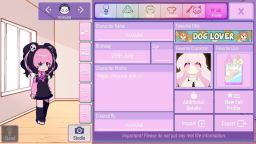
Gacha Nox feels like a moodier, more polished creative studio built on the familiar Gacha formula. I did not approach it as a game where I needed to chase levels, complete missions, or follow a fixed storyline. I opened it expecting a character creator, and that is exactly where it impressed me most. It gives me a wide set of visual tools, stylish outfits, expressive faces, accessories, poses, and backgrounds, then lets me build characters that feel personal rather than generic.
What I liked almost immediately was the atmosphere. Gacha Nox has a darker and more detailed personality than some other Gacha-style releases. It still keeps the cute anime-inspired foundation, but it adds more dramatic fashion choices, stronger color contrast, and a slightly more mature visual mood. The result is a creative space that feels especially good for players who enjoy original characters, fantasy groups, emotional scenes, roleplay edits, and stylish visual storytelling.
A Darker Creative Mood With Plenty of Style
The first thing that caught my attention in Gacha Nox was the aesthetic. It does not rely only on soft cuteness. It has sharper fashion, deeper colors, layered accessories, and a more dramatic sense of presentation. Characters can still look adorable, but they can also look mysterious, elegant, magical, rebellious, or theatrical depending on how I combine the available parts.
I enjoy this visual direction because it gives the game more range. Some Gacha creators feel limited to cheerful designs, but Gacha Nox lets me create characters with stronger emotional tones. A dark outfit, serious eyes, and carefully chosen accessories can suggest an entire backstory before I write a single line of dialogue.
The design options also make screenshots feel more polished. When I place a character against the right background and adjust their expression, the result can look like a small poster or a still frame from a visual story. That makes the game satisfying not only as a creator but also as a tool for making shareable scenes.
The Main Characters Are Built From My Own Ideas
Gacha Nox does not give me one fixed hero to follow. The main characters are the ones I design myself, and that is the biggest reason the game works. I decide who looks confident, gentle, mysterious, dramatic, shy, elegant, cheerful, or distant. Every hairstyle, outfit, color, and expression becomes part of that personality.
I liked how quickly a character concept starts forming. Sometimes I begin with a color palette. Other times I start with a hairstyle or a specific outfit piece. After a few changes, the character begins to feel like someone with a role in a larger world. That is when the creative process becomes genuinely engaging.
Gacha Nox is especially good for building casts. I can design a group of friends, rivals, fantasy siblings, school characters, performers, magical guardians, or characters from completely original stories. Once several characters share a theme while still looking distinct, the game starts to feel less like a dress-up app and more like a personal character universe.
Customization Feels Rich and Flexible
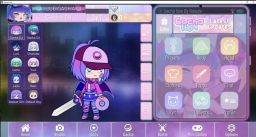
The customization system is the center of Gacha Nox. The game gives me plenty of control over the way each character looks, from hair and eyes to outfits, accessories, poses, colors, and facial expressions. The variety makes it easy to build characters that feel different from one another, even when they share the same general art style.
I appreciate how much the small details matter. A different eye shape can make a character look softer or more intense. A slight color change can turn an outfit from playful to elegant. A new accessory can suggest a fantasy theme, a school setting, or a more fashionable personality. Gacha Nox rewards careful visual decisions.
The best part is how fast experimentation feels. I can test one idea, reject it, try another, and keep adjusting until the design finally clicks. That smooth creative loop is what kept me engaged. I was not waiting for the game to entertain me; I was using its tools to entertain myself.
Scene Building Turns Designs Into Story Moments
Character creation is fun on its own, but Gacha Nox becomes more interesting when I start arranging scenes. Poses, expressions, backgrounds, and character placement allow me to create small story moments without needing complex animation or advanced art skills.
I like using the scene tools almost like a comic panel. One character can look worried, another can appear calm, and a third can stand apart with a serious expression. Even without dialogue, the scene begins to suggest tension, friendship, conflict, or mystery. That kind of visual storytelling is where Gacha Nox feels strongest.
The backgrounds help shape the mood. A classroom can make a character feel ordinary and relatable. A fantasy-style setting can make the same character seem magical or important. A darker backdrop can make a simple pose feel dramatic. The game gives me enough scene-building freedom to make characters feel alive rather than isolated.
A Relaxed Experience That Rewards Imagination
One of the reasons I enjoyed Gacha Nox is that it does not pressure me. There is no need to react quickly, win a match, or follow strict objectives. I can take my time adjusting colors, comparing outfits, rebuilding designs, or creating entire groups at my own pace.
This relaxed structure makes the game feel comfortable. It is the kind of experience I can open when I want to create rather than compete. I can spend five minutes making a quick character or much longer refining a full scene. The game adapts well to both casual play and more focused creative sessions.
Because there is no heavy pressure, the quality of the experience depends strongly on imagination. If I bring ideas into the game, it gives me plenty of ways to express them. If I want the game to provide a strict challenge by itself, it may feel too quiet. For me, its strength is that it gives me space to build something personal.
The Fashion Options Make Characters Stand Out
Fashion is one of the most enjoyable parts of Gacha Nox. The outfits feel stylish, detailed, and varied enough to support many different character types. I can create casual characters, fantasy designs, elegant looks, school outfits, darker styles, performance-inspired characters, or soft pastel personalities.
I especially like how clothing can change the entire role of a character. A long coat makes someone feel mysterious. A detailed dress can make them look royal or magical. A simple hoodie can make them seem more relaxed and modern. The outfit system gives each design a clear visual direction.
Accessories add even more personality. Hats, wings, masks, glasses, hair pieces, and decorative items help finish a design. Sometimes a character does not feel complete until I add one small detail that ties everything together. Gacha Nox gives me enough of those finishing touches to make the creative process satisfying.
Menus Are Packed, But That Comes With the Territory
The interface in Gacha Nox is fairly easy to understand if I already know the Gacha format. Most tools are arranged by character part, so I can move from hair to face to clothing without too much confusion. The overall flow supports quick experimentation, which is important for a game focused on creation.
Still, the number of options can make the menus feel crowded. When I am searching for one specific item, I sometimes need to scroll through many similar choices. That can slow down the process, especially when I already have a clear image in my mind and want to find the exact piece that matches it.
Even so, I would rather have a crowded toolkit than a thin one. The variety is part of the appeal. Once I learn where my favorite pieces are, the creation process becomes smoother, and the large selection starts to feel like a strength instead of an obstacle.
Best for Original Characters and Visual Storytelling
Gacha Nox works best for players who enjoy making original characters. It is not built around fast action or complicated mechanics. It is built around expression. The game becomes more rewarding when I use it to design personalities, relationships, groups, and scenes.
I can see it being especially useful for roleplay creators, story editors, social media posts, profile visuals, and character concept planning. It gives enough freedom to create many styles without requiring drawing skills. That makes it approachable for beginners while still being flexible enough for players who care about details.
What makes Gacha Nox stand out is its mood. It has a slightly more dramatic visual identity than many similar creators, and that helps it feel distinct. I found it most enjoyable when I leaned into that personality and created characters with stronger themes, deeper colors, and more expressive scenes.