

Poppy Playtime Summary
Get From the Official Digital Markets
All trademarks belong to their
respective owners.
Poppy Playtime feels like a horror experience built around the idea that something familiar can become deeply unsettling. I went into it expecting a simple scary adventure with creepy toys, puzzles, and dark corridors, but what interested me most was how the game transforms childhood imagery into something mysterious and threatening. The colorful factory, oversized toys, abandoned rooms, and strange sounds create an atmosphere where every corner feels like it is hiding a secret.
What makes Poppy Playtime stand out is the contrast between appearance and emotion. Toys are usually connected with comfort, imagination, and childhood memories. Here, those same ideas are twisted into something uncomfortable. Bright colors and playful designs exist alongside empty hallways, forgotten machines, and a constant feeling that I am being watched.
The game does not rely only on sudden surprises. Its strongest moments come from anticipation. Walking through the factory, hearing distant noises, solving a puzzle, and wondering what might appear next creates a slow-building tension. The fear comes from the environment as much as the creatures themselves.
A Toy Factory That Turns Into a Nightmare
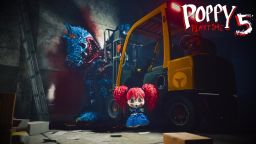
The setting is one of the strongest parts of Poppy Playtime. An abandoned toy factory is a simple idea, but the game uses it effectively. The location feels like a place that once represented happiness and creativity but has become empty and disturbing.
I like how the factory tells a story through its design. Broken equipment, old posters, colorful decorations, production areas, storage rooms, and hidden spaces all suggest that something went wrong long before I arrived. The environment feels less like a normal level and more like a place full of forgotten memories.
The contrast between the cheerful toy theme and the abandoned industrial atmosphere creates a unique mood. A room filled with bright colors should feel welcoming, but instead it feels suspicious. The game constantly makes me question what happened and who was responsible.
The Toys Become the Main Characters
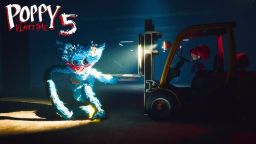
The creatures in Poppy Playtime are the center of attention because they combine recognizable toy designs with horror elements. Characters like Huggy Wuggy, Kissy Missy, and other experiments from the factory are memorable because their appearances create an uncomfortable mix of friendliness and danger.
I like how these characters are designed to be visually recognizable. A good horror creature needs an identity, and Poppy Playtime understands that. The creatures are not just random monsters. They have shapes, colors, personalities, and designs that make them easy to remember.
Huggy Wuggy especially became a symbol of the game because of the contrast between the simple toy-like appearance and the threatening presence. The character works because the design creates curiosity first and fear second. I want to understand what this creature is, but I also want to stay away from it.
The GrabPack Creates a Unique Way to Interact
The GrabPack is one of the most interesting gameplay ideas in Poppy Playtime. Instead of giving me traditional weapons or complex tools, the game provides a device that lets me interact with the environment in creative ways.
I enjoy how the tool changes the way I think about puzzles. I can reach distant objects, activate mechanisms, connect systems, and solve environmental challenges. The device makes the factory feel interactive because I am constantly looking for ways to use the surroundings.
The GrabPack also fits the theme perfectly. A toy factory should have strange machines and unusual inventions, so a tool built around experimentation feels natural. It becomes part of the identity of the game rather than just a random gameplay mechanic.
Puzzles Create Moments of Discovery
The puzzles in Poppy Playtime are designed around observation and interaction. I explore rooms, search for clues, activate systems, and figure out how different parts of the factory work together.
I like puzzles that make me pay attention to the environment. A color pattern, a machine, a hidden object, or a strange detail can become important later. This encourages me to explore instead of simply running from one objective to another.
The difficulty is generally approachable, which helps maintain the horror atmosphere. The game is more interested in creating tension and curiosity than becoming an extremely complicated puzzle challenge. The best moments happen when solving something reveals another mystery.
The Horror Comes From Atmosphere More Than Action
Poppy Playtime works because it understands that horror is not only about what appears on screen. It is also about what I imagine might appear. Empty hallways, strange noises, abandoned rooms, and unclear threats create a feeling of uncertainty.
I appreciate the slower approach. The game gives me time to explore, but it also makes that exploration uncomfortable. A quiet room does not feel peaceful because I start expecting something unusual to happen.
The factory itself becomes part of the horror. The walls, machines, toys, and decorations all contribute to the feeling that something is wrong. The environment creates tension before the creatures even appear.
The Story Builds Mystery Through Hidden Details
The story of Poppy Playtime is presented through exploration, notes, recordings, environmental clues, and discoveries. I like this style because it encourages me to search for information instead of simply receiving a complete explanation.
The mystery around the factory and its experiments creates a strong reason to continue. I want to understand what happened, why the toys changed, and what secrets are hidden inside the building.
This storytelling approach works well for horror because unanswered questions create curiosity. A completely explained mystery can lose some of its power, while a carefully controlled amount of uncertainty keeps me interested.
The Visual Design Balances Cute and Creepy
The art style of Poppy Playtime is one of its biggest strengths. The game uses bright toy-inspired visuals but places them in dark industrial spaces. This combination creates a unique atmosphere that feels different from traditional horror games.
I like how the designs are memorable without becoming complicated. A strong silhouette, unusual colors, and exaggerated features are enough to create recognizable characters. The game understands that horror creatures need to stay in my mind even after I stop playing.
The environments also benefit from this contrast. A colorful toy display beside a dark hallway creates more tension than a completely frightening environment because it suggests that something innocent has been damaged.
Sound Design Makes Every Room Feel Dangerous
The sound design plays a major role in building tension. Footsteps, machine noises, distant sounds, music changes, and creature effects all help create the feeling that the factory is alive.
I especially like how silence is used. Quiet moments give me time to become uncomfortable. When the game suddenly introduces a sound after a period of silence, the impact feels much stronger.
The creature sounds also add personality. A monster should not only look threatening; it should have an audio identity. Poppy Playtime uses sound to make encounters more memorable and intense.
The Episodic Format Keeps the Mystery Growing
Poppy Playtime’s episodic structure gives the story room to expand. Each chapter can introduce new locations, creatures, puzzles, and information about the factory. This approach creates anticipation because every new part can reveal another piece of the mystery.
I like the feeling of discovering the story gradually. Instead of explaining everything immediately, the game lets questions build over time. This makes each new chapter feel like another step deeper into the factory’s secrets.
The challenge of this approach is maintaining quality. When a story depends heavily on mystery, every new chapter needs to provide meaningful discoveries. If reveals feel too slow, the excitement can decrease.
Where Poppy Playtime Feels Strongest and Where It Has Limits
Poppy Playtime feels strongest when it combines exploration, mystery, puzzle-solving, and atmosphere. The game’s biggest success is creating a world that feels recognizable and strange at the same time. The toy factory idea works because the developers understand how to turn comfort into discomfort.
The experience may feel less impressive for players who want complex combat, deep character development, or long-term gameplay systems. Poppy Playtime is focused on atmosphere and discovery rather than endless mechanics.
For me, the most enjoyable part is the feeling of entering a place where every object has a hidden story. The game creates curiosity, tension, and a strong visual identity that makes the abandoned factory memorable.