













Secret Neighbor Summary
Get From the Official Digital Markets
All trademarks belong to their
respective owners.
Secret Neighbor feels like a game that turns a simple idea — working together to escape a mysterious house — into a tense social experience where trust becomes just as important as teamwork. I entered the game expecting a horror adventure focused only on hiding and escaping, but what interested me most was the uncertainty created by other players. The biggest danger is not always the dark rooms, strange sounds, or locked doors. Sometimes the biggest problem is the person standing right next to me.
What makes Secret Neighbor stand out is the hidden role mechanic. A group of children must explore a suspicious house, find keys, unlock doors, and discover a way forward, while one player secretly takes the role of the Neighbor. This creates a constant feeling of doubt because every action from another player can be questioned.
I like how the game combines horror, strategy, and social interaction. It is not only about reacting quickly. It is about observing, making decisions, communicating, and trying to understand what other players are planning.
A Familiar House Turned Into a Mystery
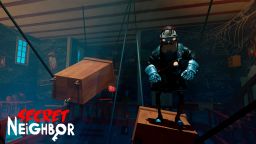
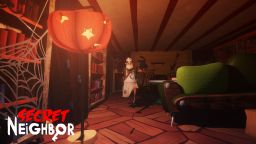
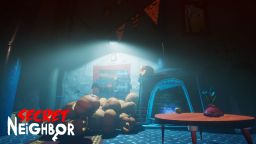
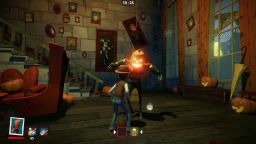
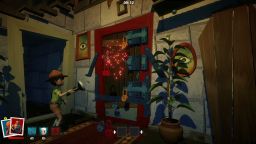
The setting of Secret Neighbor is one of its strongest elements. A normal-looking house becomes a place filled with secrets, hidden areas, locked rooms, and unexpected dangers. The familiar environment creates a strange contrast because a place that should feel safe becomes suspicious.
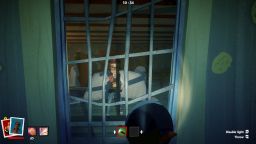
I enjoy exploring the house because every room feels like it might contain something important. Searching for keys, discovering hidden paths, and trying to understand the layout creates a feeling of investigation rather than simple movement from one objective to another.
The design encourages curiosity. The house is not just a background. It becomes part of the gameplay because understanding the environment helps players survive and complete their goals.
The Children Create a Unique Team Dynamic
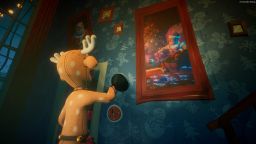
The playable characters in Secret Neighbor are not traditional horror heroes. They are children trying to work together against a dangerous situation. This creates a different atmosphere from many horror games because the characters rely on cooperation, creativity, and quick decisions rather than direct power.
I like how different characters can bring different advantages to the team. Choosing a role changes how I approach the situation and how I help others. Some players may focus on exploration, while others may prefer supporting the group or distracting danger.
The child characters also create an interesting contrast with the horror setting. Their colorful designs and personalities make the game feel less like pure fear and more like a mysterious adventure with frightening moments.
The Neighbor Creates Constant Suspicion
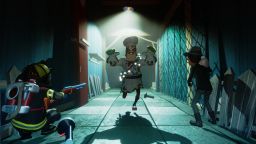
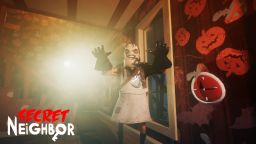
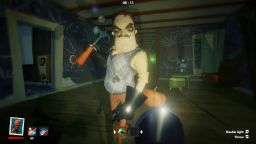
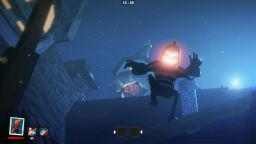
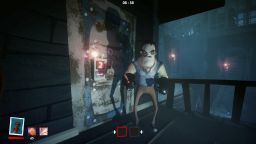
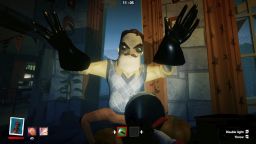
The Neighbor is the main source of tension because the role changes the entire experience. A player who appears friendly may secretly be working against the team, and that uncertainty creates some of the best moments in the game.
I enjoy how the hidden role mechanic affects communication. Players must decide when to trust others, when to stay cautious, and when to question suspicious behavior. A simple mistake in judgment can completely change the outcome.
The Neighbor is not only a threat because of abilities. The psychological element is equally important. Knowing that someone is hiding their true role creates pressure throughout the entire match.
Teamwork Becomes the Key to Escape
Secret Neighbor works best when players cooperate. Finding keys, opening doors, protecting teammates, and sharing information all require coordination. A group that communicates well has a much better chance of success.
I like how teamwork feels meaningful because every player can contribute. Even a small action, such as finding an item or warning others about danger, can affect the entire match.
The challenge is that teamwork becomes complicated when trust is uncertain. Players need cooperation, but they also need awareness. The game creates an interesting balance between depending on others and protecting yourself.
Puzzles Add More Than Simple Searching
The puzzle elements in Secret Neighbor give the escape objective more depth. Finding keys and unlocking areas requires exploration and attention rather than simply moving toward an exit.
I enjoy how puzzles encourage players to spread out and investigate. This creates opportunities for teamwork but also creates risk because being alone makes someone more vulnerable.
The best moments happen when a group solves a problem while trying to avoid danger. The puzzle itself is only part of the challenge. The real difficulty comes from completing it while uncertainty surrounds the team.
The Visual Style Mixes Cartoon and Horror
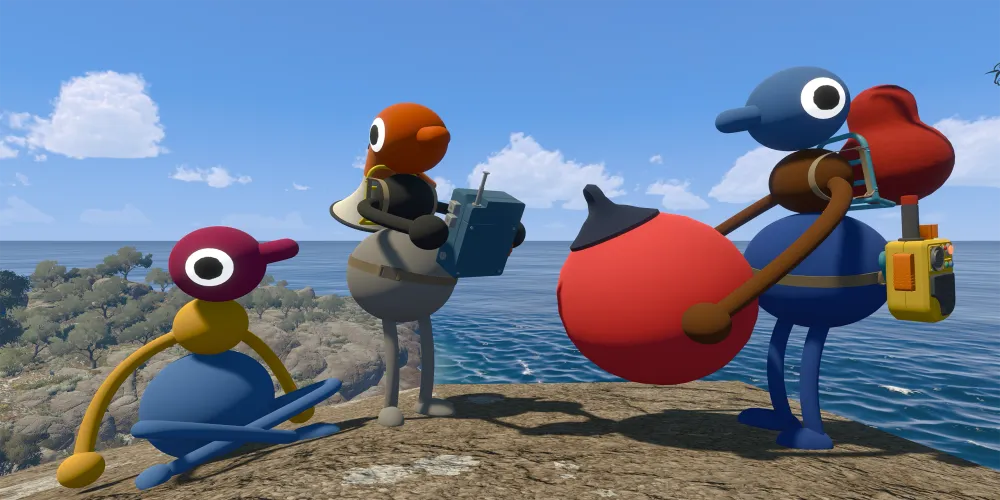
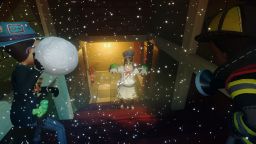
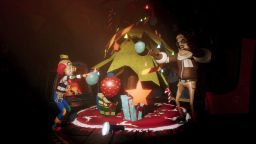
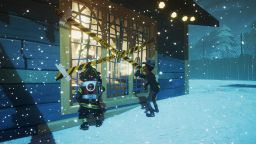
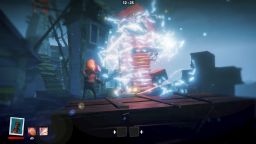
The art direction of Secret Neighbor is one of its most recognizable features. The game uses a colorful cartoon style instead of a realistic horror appearance, which makes the experience feel unique.
I like this combination because it allows the game to create tension without becoming overly dark. Bright colors, exaggerated characters, and unusual environments create a world that feels mysterious rather than purely frightening.
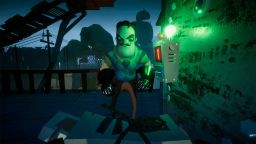
The visual style also makes the characters memorable. The Neighbor’s design especially creates a strong identity because it combines humor, mystery, and danger in one appearance.
Sound Design Builds Suspense
Sound plays an important role in making the house feel alive. Footsteps, environmental noises, music changes, and character reactions all help create tension during exploration.
I enjoy how sound encourages careful movement. Hearing something nearby immediately changes my behavior. I become more cautious, communicate with teammates, and rethink my next decision.
The audio does not need to be constantly dramatic. Quiet moments are often effective because they create anticipation. The possibility of danger can sometimes be more interesting than immediate action.
Multiplayer Creates Different Stories Every Match
The biggest advantage of Secret Neighbor is that every match can create a different story. The outcome depends on player decisions, communication, mistakes, and strategies.
I like games where the community creates memorable moments naturally. A suspicious teammate, a surprising escape, a clever plan, or a complete failure can become the reason a match is remembered.
This replay value comes from people rather than only from content. The same house and objectives can feel completely different depending on the players involved.
The Horror Works Best Through Uncertainty
Secret Neighbor understands that horror is not always about constant danger. Sometimes the most effective feeling is uncertainty. Not knowing who to trust, where the Neighbor is hiding, or what will happen next creates tension.
I appreciate this approach because it makes players active participants in creating suspense. The game does not need to control every scary moment. The players themselves create fear through decisions and suspicion.
This social horror style gives Secret Neighbor a different identity compared with traditional horror games focused on a single enemy or fixed story.
Where Secret Neighbor Feels Strongest and Where It Has Limits
Secret Neighbor feels strongest when the social mechanics, teamwork, and hidden role system work together. The game creates situations where communication becomes part of survival, and every player decision matters.
The main limitation is that the experience depends heavily on the player community. Matches with active and engaged players can be exciting, while weaker communication can make the experience less interesting.
For me, Secret Neighbor succeeds because it transforms a simple escape idea into a game about trust, strategy, and unexpected moments. The house is important, but the real story is created by the people inside it.