
R.E.P.O. Summary
Get From the Official Digital Markets
All trademarks belong to their
respective owners.
R.E.P.O. feels like a horror game that understands one important truth: fear becomes much more memorable when something goes wrong with friends watching. I went into it expecting another cooperative horror experience built around exploration and survival, but what surprised me was how much comedy naturally appears from the chaos. The game creates situations where I can be genuinely nervous one second and laugh uncontrollably the next.
What makes R.E.P.O. different is that the main objective is not simply escaping danger. The game revolves around collecting valuable objects, carrying them carefully, and trying to complete the mission while strange creatures and unpredictable situations create problems. That simple idea creates a lot of tension because even the smallest mistake can ruin a successful run.
I like that R.E.P.O. does not depend only on traditional horror tricks. The fear comes from the combination of pressure, teamwork, physics, communication, and the knowledge that everything can fall apart quickly. A heavy object, a narrow hallway, a strange noise, or a teammate making the wrong decision can completely change the situation.
A Strange World Where Every Object Matters
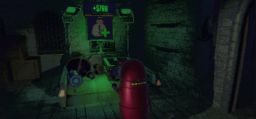
The environments in R.E.P.O. work because they turn ordinary spaces into dangerous playgrounds. The locations feel mysterious, abandoned, and unpredictable. Instead of simply moving through a level looking for enemies, I am constantly thinking about movement, positioning, and how to transport important objects safely.
I enjoy how the game makes the environment part of the challenge. A room is not just a room. It is a place where I might need to carry something valuable, hide from danger, communicate with teammates, or create a plan before moving forward.
The physics-based design gives these areas personality. Objects do not always behave exactly how I expect, and that unpredictability creates memorable moments. A careful plan can suddenly become a disaster because something falls, gets stuck, or creates unexpected noise.
The Main Characters Are the Players Themselves
R.E.P.O. does not rely on a traditional hero with a detailed backstory. The real characters are the players. My personality, my decisions, my communication style, and my ability to cooperate become the story.
I like this approach because every group creates a different experience. One team might move slowly and carefully. Another might run through every area with complete confidence. Another might spend half the mission joking around and accidentally creating problems.
The game understands that cooperative horror is often about the people playing it. The creatures and locations create the situation, but the players create the memories. The funniest moments usually come from unexpected mistakes rather than planned jokes.
Physics Creates Horror and Comedy at the Same Time
The physics system is one of the strongest parts of R.E.P.O. Carrying objects becomes a gameplay challenge because weight, movement, and environment all matter. A valuable item is not simply something I collect. It is something I must physically manage.
I enjoy how this creates tension without requiring constant combat. Moving through a dangerous area while holding an important object creates pressure. I have to think about speed, safety, teamwork, and whether taking a shortcut is worth the risk.
The same physics that create tension also create comedy. An object can fall at the wrong moment. A teammate can accidentally make a situation worse. A carefully planned movement can turn into complete confusion. These unexpected moments are often what make sessions memorable.
Cooperative Gameplay Is the Real Source of Fun
R.E.P.O. is strongest when played with friends because communication becomes part of the gameplay. I need to explain where I am, warn others about danger, decide who carries what, and react quickly when something unexpected happens.
I like how teamwork feels necessary without becoming overly complicated. Players do not need a professional strategy. They simply need to cooperate, pay attention, and avoid making decisions that put everyone at risk.
The best moments happen when a team succeeds after a difficult situation. Carrying a valuable object through a dangerous area, saving a teammate, or escaping after everything goes wrong creates a strong feeling of achievement.
The Monsters Create Unpredictable Pressure
The creatures in R.E.P.O. are important because they interrupt the careful planning. Without them, collecting objects would simply become a physics puzzle. With them, every action becomes more stressful.
I like that the monsters are not only obstacles. They change how I approach the environment. A route that looks simple may become dangerous. A safe-looking area may suddenly require a completely different plan.
The uncertainty is what creates tension. I do not always know exactly what will happen next, and that makes exploration exciting. The game encourages caution while constantly tempting me to take risks for better rewards.
Communication Turns Small Problems Into Big Stories
One of my favorite parts of R.E.P.O. is how much the experience depends on communication. A simple sentence from a teammate can completely change the situation. Someone notices danger, someone drops an object, someone suggests a new plan, and suddenly the entire mission changes.
I enjoy games where conversation becomes part of the mechanics. In R.E.P.O., talking is not only social interaction. It is a survival tool. Good communication can prevent mistakes, while confusion can create hilarious disasters.
This makes every group session feel different. Even the same map can produce completely different stories depending on who I play with and how the team reacts.
The Visual Style Supports the Strange Atmosphere
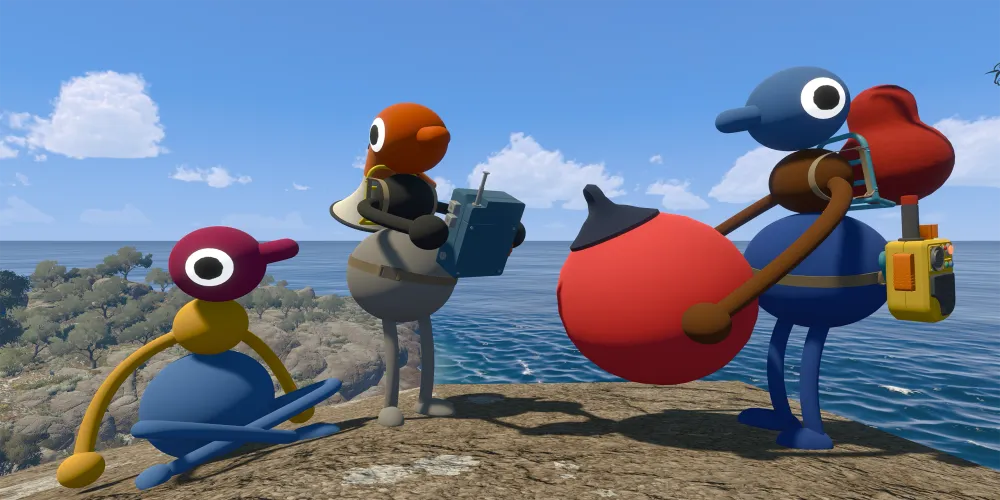
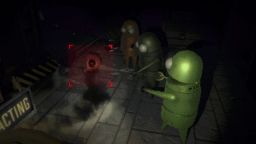
The visual design of R.E.P.O. helps create its unusual balance between horror and humor. The game does not try to look like a realistic nightmare. Instead, it uses a style that allows strange situations to feel both creepy and funny.
I like this because the atmosphere would not work as well if the game were completely serious. The unusual character designs, environments, and physical interactions create a tone where fear and comedy can exist together.
The visual simplicity also helps keep attention on gameplay. The most important moments come from movement, teamwork, and unexpected events rather than only graphical detail.
The Sound Design Builds Suspense
Sound plays an important role in creating tension. Distant noises, creature sounds, movement effects, and environmental audio help me understand that something may be nearby even before I see it.
I like how sound encourages awareness. A quiet area does not necessarily feel safe. Sometimes silence creates more tension because I start wondering what might appear next.
The audio also helps with teamwork. Hearing another player, reacting to warnings, and noticing environmental changes all become part of the survival process.
Replay Value Comes From Unpredictable Sessions
R.E.P.O. gains replay value through unpredictability rather than a traditional story campaign. Every session can create different situations because player decisions, physics, and encounters interact in unexpected ways.
I enjoy returning because I know the next run will not be exactly the same. Even familiar locations can produce new memories when a different team, different mistakes, or different decisions change the outcome.
The game works especially well as a social experience. Its strongest moments are often the stories I tell afterward: the impossible rescue, the failed plan, the strange encounter, or the ridiculous mistake that ruined everything.
Early Access Means the Experience Can Still Grow
R.E.P.O. has a strong foundation because the core idea is already entertaining. The combination of cooperative horror, physics, and teamwork creates a clear identity. The game has the kind of structure where additional locations, creatures, items, and improvements could expand the experience significantly.
The challenge with an evolving game is that players may notice missing features or areas where the experience could become deeper. Early versions can sometimes feel limited compared with the potential of the idea.
For me, the important part is that the foundation works. A strong cooperative concept can remain enjoyable because the players themselves create variety. More content can improve the game, but the social chaos is already a major strength.
Where R.E.P.O. Feels Strongest and Where It Has Limits
R.E.P.O. feels strongest when it combines teamwork, physics, and unpredictable horror moments. The game understands that the funniest and most memorable situations often happen naturally. It creates a framework where players generate their own stories.
The main limitation is that the experience depends heavily on having people to play with. Solo players may not get the same level of entertainment because much of the magic comes from communication and shared reactions.
It also may not satisfy players looking for a deep single-player horror story, complex character development, or a traditional campaign structure. R.E.P.O. is built around cooperative moments, and that focus defines both its biggest strengths and its biggest limitations.