
MultiVersus Summary
Get From the Official Digital Markets
All trademarks belong to their
respective owners.
MultiVersus feels like someone took a giant box of pop culture characters, shook it until everything collided together, and turned that chaos into a fast platform fighter. I went into it mostly because of the unusual idea behind the roster: seeing characters from completely different worlds sharing one arena is naturally appealing. The game does not rely only on traditional fighting mechanics. A large part of its charm comes from the feeling that every match is a strange crossover event where anything can happen.
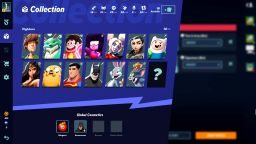
What I enjoyed most is how MultiVersus creates personality through its fighters. The gameplay is built around recognizable characters, but it does not simply place them into a basic fighting system. Each fighter has unique moves, different strengths, special mechanics, and a play style that tries to reflect their original identity. The result is a game where choosing a character feels like choosing a different way to think about combat.
A Crossover Arena Full of Unexpected Matches
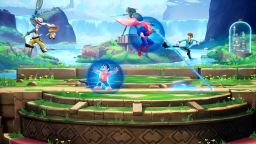
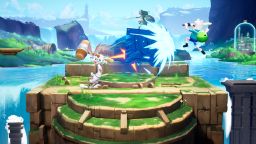
The biggest attraction of MultiVersus is the concept itself. I can imagine a match where Batman faces Bugs Bunny, where a cartoon character fights a superhero, or where personalities from completely different genres collide. That contrast creates a constant sense of novelty because every matchup has a strange energy.
I like how the game understands that the roster is part of the experience. In many fighting games, the characters are important because of their mechanics. Here, the characters are also the reason I want to press the start button. The curiosity of seeing how different personalities interact is a major part of the appeal.
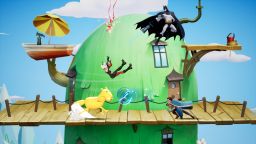
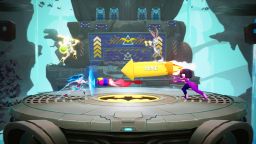
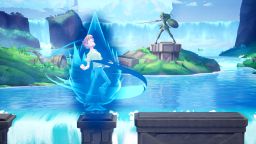
The stages support this idea well. Arenas inspired by different universes give fights more atmosphere, and each location helps reinforce the feeling that I am inside a giant crossover event. A good stage does not just provide a place to fight; it adds another layer of identity to the match.
The Fighters Are the Heart of the Experience
The playable characters are easily the strongest part of MultiVersus. Each fighter feels designed around a personality rather than just a weapon type. Some characters are aggressive and direct. Others focus on control, support, mobility, traps, or defensive options. This variety gives the roster a lot of personality.
I enjoy experimenting because switching characters changes the entire rhythm of the game. A fighter with fast movement encourages constant pressure. A heavier character makes me think about positioning and timing. A support-focused character changes how I view team fights. Learning a new fighter often feels like learning a completely different game.
The animations are also important. A character’s movement, attacks, reactions, and special abilities need to feel connected to who they are. MultiVersus succeeds when the mechanics and personality match. The best fighters feel like playable versions of their original selves rather than simple skins placed into a generic arena.
Combat Focuses on Movement and Team Decisions
The combat system has a strong emphasis on movement, positioning, and recovery. Unlike traditional fighting games that rely heavily on health bars and rounds, platform fighters are about controlling space and sending opponents away from the stage. That creates a different type of tension.
I like how much movement matters. Jump timing, air control, dodges, attacks from different angles, and recovery options all affect the outcome. A player who understands movement can often outperform someone who only knows attack combinations.
The two-versus-two format is especially interesting because it adds another layer. A match is not only about my own actions. I have to consider my teammate, enemy positioning, assists, and openings. A smart partner can create opportunities that would never appear in a solo fight.
Team Battles Create the Most Interesting Moments
MultiVersus feels particularly strong when two-player teamwork becomes the focus. The best moments happen when abilities combine naturally, when one fighter creates an opening and another takes advantage, or when a teammate saves a dangerous situation at exactly the right moment.
I enjoy the unpredictability of these matches. A player can be struggling for a minute and then completely change the flow with one smart decision. Because two fighters are sharing the arena on each side, the match constantly changes. There is always another ability, another movement option, or another surprise waiting.
The downside is that teamwork can also expose weaknesses. A coordinated team can feel incredibly difficult to handle, while a group without communication can quickly fall apart. Like many team-based games, the quality of the experience depends heavily on the people involved.
The Controls Feel Accessible but Reward Practice
One of MultiVersus’ strengths is that it is easy to start playing. The basic controls are understandable, and new players can quickly jump into a match and have fun. I do not need hours of practice before I can enjoy seeing characters move, attack, and use special abilities.
However, the simplicity at the beginning hides deeper layers. Once I start learning advanced movement, attack timing, recovery options, and character-specific tricks, the game becomes much more demanding. The difference between a casual player and an experienced player becomes obvious through positioning and decision-making.
I appreciate games that allow both types of enjoyment. I can play casually because the characters and chaos are entertaining, but I can also spend time improving if I want a more competitive experience.
The Visual Style Balances Cartoon and Action
The art direction fits the concept well because it allows completely different characters to exist in the same space. The game needs to make a cartoon character, a comic hero, and a fantasy figure look like they belong together, and the visual style generally succeeds.
I like the expressive animations because they preserve the personalities of the fighters. A serious character should not move exactly like a comedic one. A playful fighter should feel different from a dramatic one. These details help the crossover concept work.
The effects are also designed for readability. In a game with multiple characters, attacks, and movement options happening at once, visual clarity is extremely important. The player needs to understand what is happening quickly. MultiVersus usually keeps the action understandable even when the screen becomes busy.
Modes Give Different Ways to Enjoy the Game
I like that MultiVersus does not depend on only one type of experience. Some players will enjoy competitive matches, while others may prefer casual battles, experimenting with characters, or exploring different combinations. The variety helps the game feel more approachable.
The strongest mode for me is the one that focuses on direct matches because that is where the character design shines. Every fight becomes a small experiment. How does this fighter handle this opponent? Which abilities work together? What happens when two completely different styles collide?
Extra modes can add value because they give players reasons to return. A crossover fighter benefits from variety because the roster itself is such a major attraction. The more ways I can interact with these characters, the more interesting the overall experience becomes.
Progression and Unlocks Add Long-Term Motivation
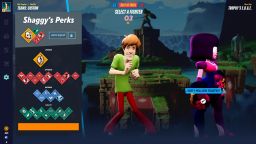
Progression systems give MultiVersus a reason to keep playing. Unlocking characters, improving familiarity with fighters, earning rewards, and customizing the experience create a sense of growth. Even small improvements can feel meaningful because they represent more time spent understanding the game.
I like when progression supports experimentation. A new fighter is not just another option on a menu. It is a completely new way to approach matches. Learning that character becomes its own small journey.
The challenge is that progression systems in competitive games can sometimes distract from the core experience. The most important thing is still the fighting itself. Rewards are useful, but the game is strongest when I am enjoying the match rather than only chasing the next unlock.
The Competitive Side Rewards Patience
MultiVersus has a competitive foundation because the combat system gives room for improvement. Players who understand spacing, timing, movement, and character matchups can find a lot of depth. A simple-looking battle can become a complicated exchange of decisions.
I enjoy competitive games where improvement is visible. After spending time with a character, I begin noticing better movement, smarter choices, and more confidence during fights. Those small improvements make victories more satisfying.
The competitive side can also be demanding. Losing repeatedly against experienced players can feel discouraging, especially when I am still learning basic systems. Like most fighting games, MultiVersus rewards patience and practice more than quick success.
Sound Design Adds Personality to Every Match
The audio helps make the crossover idea feel energetic. Character voices, attack sounds, stage music, and match effects all contribute to the feeling that these worlds are colliding. A good fighting game needs strong audio feedback, and MultiVersus uses sound to make hits and abilities feel impactful.
I especially like when character-specific sounds remind me who I am controlling. A fighter should not only look different; they should feel different. Small audio details help reinforce that identity during fast matches.
The music also supports the playful tone. MultiVersus is not trying to create a dark competitive atmosphere. It wants excitement, humor, and spectacle. The soundtrack fits that goal by keeping matches energetic and entertaining.
Where MultiVersus Feels Strongest and Where It Can Improve
MultiVersus feels strongest when its crossover idea, character design, and team combat all work together. The joy comes from seeing unexpected fighters interact and discovering how each one translates into a competitive system. That combination gives the game a personality that many fighting games do not have.
It can feel less impressive when the novelty of the roster fades and the focus shifts entirely to mechanics. At that point, the quality of balance, matchmaking, and long-term systems becomes much more important. A crossover can attract players, but the fighting has to keep them interested.
For me, MultiVersus works best when I approach it as a celebration of characters first and a competitive fighter second. The strongest moments come from the absurdity of the concept: seeing familiar personalities clash, learning their unique styles, and creating matches that feel impossible anywhere else.