

Limbus Company Summary
Get From the Official Digital Markets
All trademarks belong to their
respective owners.
Limbus Company feels like a game that does not politely invite me into its world. It drags me onto a bus, hands me a group of damaged literary disasters, points toward a corporate nightmare, and expects me to keep up. I went into it expecting a stylish gacha RPG with dark visuals, but what I found was stranger, denser, and much more specific. This is not a game trying to please everyone with simple fantasy comfort. It is grim, theatrical, complicated, funny in a harsh way, and fascinated by the broken machinery of people, cities, companies, trauma, and obsession.
What immediately stood out to me is how much identity Limbus Company has. Many mobile RPGs feel built from familiar systems first and personality second. Here, the personality is unavoidable. The world is bleak, the dialogue is sharp, the characters are unstable, and the combat system has its own language of clashes, sins, skills, identities, E.G.O, stagger states, and chained decisions. The result can be intimidating at first, but it also makes the game feel unusually memorable.
A Dystopian City That Feels Hostile by Design
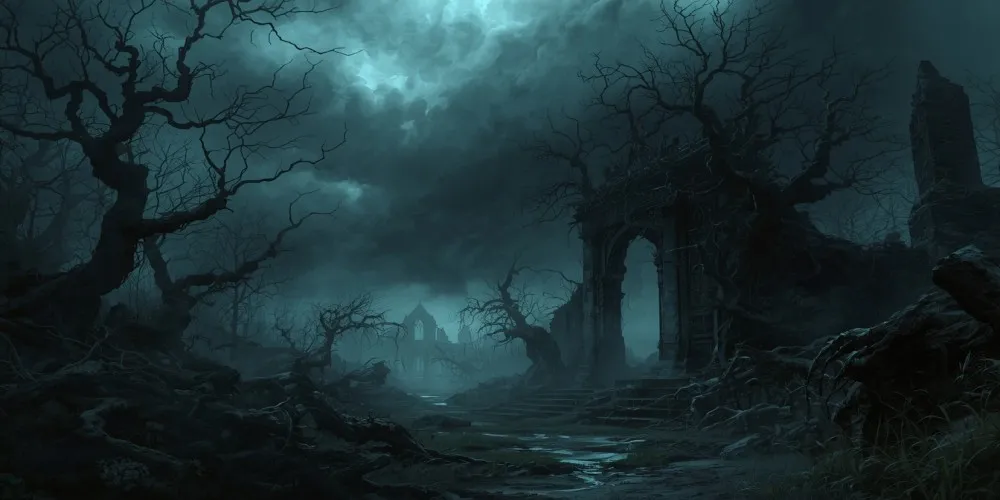
The setting is one of the strongest parts of Limbus Company. The City is not a cozy fantasy world waiting to be saved. It is a massive corporate dystopia divided into districts, each shaped by strange rules, brutal customs, and technological extremes. The official site describes the City as a metropolis divided into 26 Districts, each with its own technological developments and culture, and that structure gives the world a frightening sense of scale.
I like how the game makes the setting feel morally rotten without turning it into plain darkness. There is absurdity, bureaucracy, violence, class division, corporate ritual, and strange humor all mixed together. It feels like a world where terrible things have become normal because everyone has learned to survive by accepting systems that should be impossible to accept.
The visual direction supports that atmosphere beautifully. Industrial spaces, ruined facilities, unsettling interiors, monstrous distortions, and sharply dressed characters make the world feel stylish but unsafe. The game has a bleak elegance to it. Even when the interface is crowded or the environments are harsh, the art direction gives everything a distinct Project Moon flavor.
The 12 Sinners Are the Real Emotional Engine
The main cast is built around 12 Sinners, and they are the reason I kept paying attention even when the systems felt heavy. These are not clean heroic archetypes. They are messy, damaged, theatrical, selfish, loyal, cruel, funny, pathetic, and occasionally moving. The official description places the journey around these 12 Sinners and the search for Golden Boughs, but the actual appeal comes from how much psychological texture the cast brings to that journey.
I enjoy how each Sinner has a strong voice and recognizable rhythm. Dante acts as the strange manager figure, but the Sinners themselves often dominate the emotional space. Don Quixote brings absurd idealism. Faust feels cold and unreadable. Heathcliff carries anger like a second language. Ishmael, Sinclair, Rodion, Yi Sang, Gregor, Outis, Ryōshū, Meursault, and Hong Lu each add their own kind of instability or mystery.
The game’s character writing works because it does not flatten them into simple collectible units. They argue, suffer, misunderstand each other, and reveal pieces of themselves through story chapters. I do not always like them as people, but I almost always want to understand them. That is a powerful quality in a story-heavy RPG.
Combat Looks Chaotic Until the Logic Starts Clicking
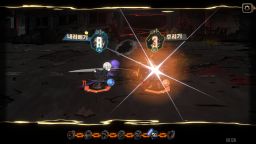
The combat system is one of the most unusual parts of Limbus Company. It combines turn-based planning with simultaneous action resolution. During combat, units from both sides act at the same time, and characters targeting each other can Clash, creating a direct contest between skills.
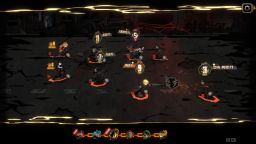
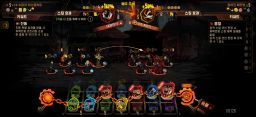
At first, this felt overwhelming to me. The screen presents skill colors, coins, speed values, targeting lines, resistances, sanity, stagger thresholds, sin affinities, and enemy behavior. It is easy to feel as if the game is speaking in a dialect I have not learned yet. But once the basics start making sense, the combat becomes much more engaging.
I like the tension of choosing which clashes to take and which risks to accept. A good turn is not only about dealing damage. It is about redirecting danger, breaking enemy momentum, triggering the right sin resources, preparing E.G.O options, and preventing a fragile character from being overwhelmed. The game makes me feel like I am managing a group that can win spectacularly or collapse horribly depending on a few decisions.
Sin Resonance Gives Strategy a Strange Flavor
The sin system gives Limbus Company its own tactical identity. Skills are tied to sin colors, and connecting or matching them can create resonance effects. The Korean official page describes strategic combat around linking sins, using speed, clashes, stagger, and resonance to redirect targeting, maximize damage, or cancel enemy actions.
I enjoy how this system makes team building feel different from standard RPG party construction. I am not only asking who has the biggest numbers. I am also asking which colors they generate, what resources they feed, what E.G.O they support, and how their skills fit into a turn’s chain. That gives every identity more context.
The system can be confusing for new players, especially because the game has many overlapping terms. But I prefer this kind of confusing ambition over a battle system that becomes automatic after ten minutes. Limbus Company asks me to learn it, and that learning process becomes part of the appeal.
Identities Turn Characters Into Alternate Possibilities
The identity system is one of the smartest ways the game handles gacha mechanics. Instead of simply collecting unrelated characters, I collect alternate versions of the same Sinners. Each identity changes a Sinner’s role, skills, visuals, and tactical purpose while keeping the core cast intact.
I like this because it gives the collection system a stronger narrative flavor. A new identity is not just a random unit with a different name. It feels like another possible version of someone I already know. That fits the game’s themes of fractured selves, alternate roles, and the strange relationship between personhood and systems.
It also helps team building stay interesting. The same Sinner can play very differently depending on identity. One version may support bleed, another may work with sinking, another may bring defensive value, and another may become a main damage option. This gives the roster depth without constantly needing entirely new characters.
E.G.O Makes Power Feel Dangerous and Personal
E.G.O abilities are visually and mechanically important. They feel like special attacks, but they also carry psychological weight because they connect to the inner world of the characters and the broader Project Moon setting. Using E.G.O can shift a fight dramatically, but it also depends on resources, sanity, and timing.
I enjoy how E.G.O abilities feel theatrical. They are not just bigger numbers with brighter effects. They often arrive with unsettling imagery, voice lines, and emotional intensity. In a game so concerned with distorted minds and unstable selves, these abilities feel like a natural extension of the world.
The best E.G.O moments happen when I have been carefully building resources and finally release an ability at the exact moment a difficult battle begins to turn. It feels powerful, but not effortless. The game makes special actions feel earned through preparation.
Storytelling Is Dense, Literary, and Occasionally Brutal
Limbus Company is deeply story-driven, and that story is not always easygoing. It draws from literature, mythology, Project Moon’s previous works, and its own grim corporate universe. The Steam page notes that this is another tale in the same unique world as Lobotomy Corporation and Library of Ruina, and that connection is important because the game feels like part of a larger intellectual and emotional ecosystem.
I like how the writing mixes tragedy, absurd comedy, philosophical tension, and character-specific trauma. A chapter can move from ridiculous dialogue to genuinely painful revelation without feeling completely disconnected. The tonal swings are part of the game’s identity.
That density can also be a barrier. Limbus Company is not always generous to players who want a simple story they can skim. Names, factions, metaphors, and systems pile up quickly. But when I give it attention, the writing rewards that attention with a world that feels layered and unusually bold for a mobile RPG.
The Art and Music Create a Distinctive Psychological Mood
The presentation is one of the reasons Limbus Company feels so different. The character art has sharp personality, the enemy designs can be disturbing, and the interface leans into the game’s mechanical and emotional harshness. It does not always prioritize softness or comfort. It prioritizes identity.
I especially like the way battles look when clashes unfold. The action has a rough, energetic quality that makes turns feel more alive than static menu combat. Animations, impact effects, and skill sequences give the game a sense of violence without making it feel like a generic action title.
The music adds a lot to the experience. It can be tense, melancholic, grand, or strange depending on the scene. Limbus Company often feels like it is one step away from psychological collapse, and the soundtrack supports that mood. The audio does not simply decorate the story; it helps define the emotional temperature.
Free-to-Play Structure With a More Focused Cast
Limbus Company uses gacha systems, but its fixed core cast gives it a different feeling from many character-collection RPGs. I am not constantly being asked to learn completely new protagonists. Instead, I keep returning to the same Sinners through different identities and E.G.O options.
I find that structure appealing because it keeps the emotional focus tighter. The game can expand mechanically while still deepening attachment to the same central group. That makes progression feel less scattered than in some games where every update throws a new unrelated character into the pile.
Still, the free-to-play structure can create pressure. Limited banners, resource planning, upgrade materials, and team optimization all matter. I enjoy the game most when I treat collection as long-term planning rather than a constant chase. The systems are more satisfying when I build around characters and strategies I actually enjoy.
Where Limbus Company Feels Strongest and Where It Pushes Back
Limbus Company feels strongest when its story, combat, and atmosphere are all working together. A difficult fight against a thematically important enemy, supported by tense music and character-specific stakes, can feel excellent. The game has a rare ability to make mechanics and narrative feel like they come from the same disturbed machine.
It pushes back hardest through complexity. New players may struggle with terminology, combat flow, team building, and the larger Project Moon context. The game does not always explain itself as cleanly as it could. Some systems become clear only after repeated play, reading, failure, and experimentation.
For me, that roughness is part of the game’s personality, though not always part of its comfort. Limbus Company is not the smoothest RPG I have played, but it is one of the more distinctive ones. It is a dark, strange, literary, tactical bus ride through a city that feels like it was designed to grind people down and turn their damage into systems.