


Garena Free Fire: Kalahari Summary
Get From the Official Digital Markets
All trademarks belong to their
respective owners.
Garena Free Fire: Kalahari is the kind of mobile battle royale experience that understands players do not always have thirty calm minutes, a perfect connection, and the patience of a monk with a sniper scope. Free Fire is built for fast survival matches, quick decisions, and constant pressure, while Kalahari adds a dry, exposed, desert-flavored map identity where positioning matters almost as much as aim. It is not trying to be the biggest or most realistic shooter in the world. It is trying to be fast, readable, competitive, and playable on phones without turning every match into a technical endurance test.
The Core Free Fire Formula Is Still Fast and Effective
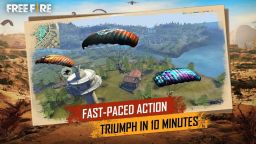
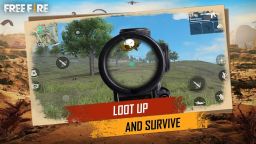
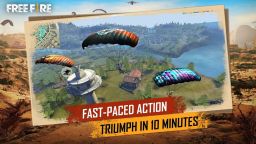
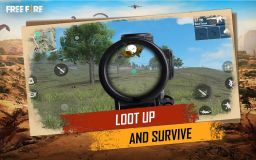
Free Fire’s official site describes it as a free-to-play survival shooter for Android and iOS, with Battle Royale, Clash Squad, and other modes, where each 10-minute match is about fighting in style and being the last survivor. That short-match design is the foundation of the whole game. Free Fire does not ask players to commit to long battle royale sessions. It compresses the genre into something sharper and more mobile-friendly.
I like that pacing because it fits the way many people actually play on phones. A match can happen during a break, after school, between tasks, or when there is just enough time for one more “quick” game that absolutely becomes five. The short structure also keeps pressure high. There is less wandering, less downtime, and less chance to forget that every other player is trying to end the match with your backpack on the ground.
-
10-minute matches make the battle royale loop more mobile-friendly;
-
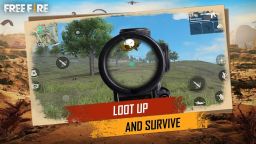
The goal is clear: loot, survive, rotate, fight, and be the last player standing;
-
Fast pacing reduces downtime compared with longer battle royale games;
-
The formula works well for quick sessions and repeated play;
Kalahari Gives the Game a Harsher Tactical Flavor
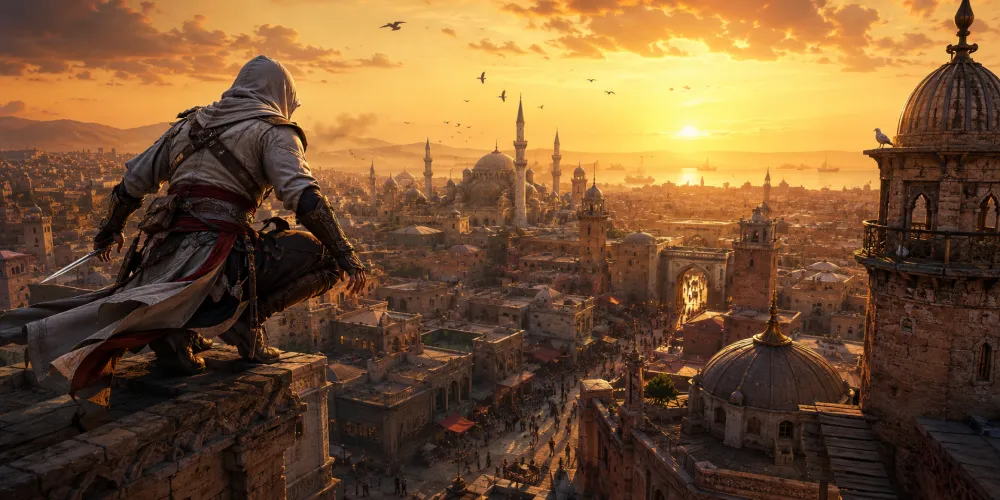
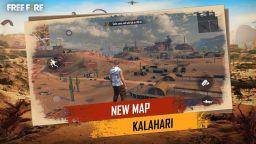
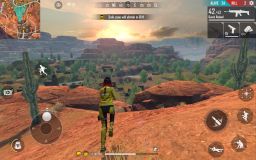
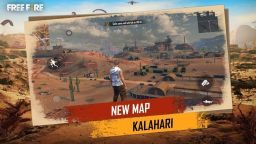
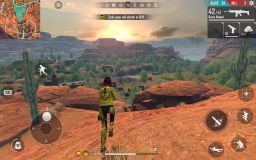
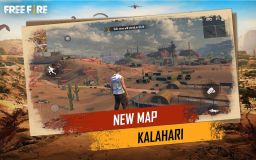
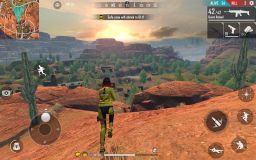
Google Play’s editorial guide describes Kalahari as Free Fire’s desert-based map, with advice on landing locations and strategies. That desert identity matters because Kalahari feels different from greener or more urban-focused maps. It has open spaces, harsh sightlines, elevated positions, dry terrain, and areas where bad movement can make a player feel very visible very quickly.
I enjoy Kalahari because it punishes lazy rotation. On some maps, it is easier to hide behind vegetation, buildings, or soft terrain transitions. Kalahari often makes movement feel exposed. Crossing the wrong area at the wrong time can turn a player into a very motivated target. That makes the map feel tense even before the final circles.
The Map Rewards Players Who Think Before They Sprint
Kalahari is not only about aim. It is about when to move, where to land, when to take high ground, when to avoid a fight, and when to let other players make loud mistakes first. The desert setting creates more moments where route choice matters. A reckless sprint across an open section can be more dangerous than a direct duel.
I like maps that make patience useful. Kalahari does not remove aggressive play, but it makes aggression smarter when it is planned. A strong player can use cover, elevation, vehicles, and timing to control engagements. A careless player can collect good loot and still lose because they crossed the map like they were late for a bus.
-
Open terrain makes positioning more important;
-
High ground can give strong control over fights;
-
Bad rotations are easier to punish in exposed areas;
-
The map rewards awareness, not only fast shooting;
The 50-Player Match Size Keeps the Pressure Manageable
Google Play describes Free Fire as a survival shooter where each 10-minute game places the player on a remote island against 49 other players seeking survival. That 50-player structure is a smart fit for mobile. It keeps the match populated enough for action but not so crowded that every landing feels completely impossible.
I like the balance because it gives each match a readable shape. There is an early landing phase, a looting phase, a rotation phase, and a final fight phase, but they all move quickly. Kalahari benefits from that structure because the map’s danger is not only in close combat. It is in how quickly the safe zone and enemy positions turn a comfortable spot into a mistake.
Landing Choices Matter More Than They First Appear
In Free Fire, the match starts before the first shot. Choosing a landing spot affects loot quality, early fights, rotation path, and survival odds. Kalahari makes that choice especially meaningful because some areas invite instant combat while others allow quieter starts. Google Play’s Kalahari guide specifically frames the map around best landing locations for both aggressive players and those who prefer quieter starts.
I enjoy that strategic fork. Some players want immediate action. They land hot, grab the first weapon, and accept chaos as breakfast. Others want to build a loadout first, observe rotations, and enter fights with better odds. Kalahari supports both styles, but it also punishes players who do not understand what kind of landing they chose.
-
Hot drops create fast fights and early eliminations;
-
Quieter landings give players time to collect gear and plan rotations;
-
Landing near strong loot can also attract stronger competition;
-
A good starting point can shape the entire match;
Weapons Feel Best When They Match the Terrain
Kalahari’s terrain makes weapon choice feel important. Long sightlines favor rifles and scoped pressure. Tight structures and sudden corners reward shotguns and close-range reactions. Mid-range fights are common enough that flexible loadouts matter. A player who carries only one combat plan can feel limited quickly.
I like how the map pushes me to think about range. On Kalahari, a weapon that feels great in one zone may feel awkward in another. Moving from open desert to clustered buildings changes the whole fight. The best loadout is not always the flashiest one. It is the one that lets me survive different kinds of trouble.
Vehicles Add Speed but Also Attention
Free Fire’s Google Play description mentions using vehicles to explore the vast map. On Kalahari, vehicles can be useful because open terrain and shrinking zones make fast rotation valuable. They can help a squad escape danger, reach safer ground, or push into a better position before rivals arrive.
But vehicles also announce confidence, and sometimes confidence is just another word for “everyone can hear me.” I like using vehicles when the zone demands it, but I also feel the risk. A loud rotation can draw enemies, expose direction, and turn a travel tool into a moving target. Kalahari makes that trade-off feel meaningful.
-
Vehicles help with fast rotations across exposed terrain;
-
They can save squads from bad zone movement;
-
Vehicle noise can reveal position to nearby enemies;
-
Using transport well requires timing, not just speed;
Clash Squad Gives Free Fire a Different Kind of Intensity
Free Fire’s official site highlights Clash Squad alongside Battle Royale as one of the major modes. This is important because not every player wants the full survival arc every time. Clash Squad focuses more directly on round-based team combat, economy decisions, and fast engagements.
I like that Free Fire has both moods. Battle Royale is about survival, looting, and rotation. Clash Squad is more immediate and tactical in a smaller team-fight sense. Together, they keep the game from feeling locked into only one rhythm. When I want the full map story, I play Battle Royale. When I want faster team pressure, Clash Squad fits better.
Characters and Skills Give Free Fire Its Own Identity
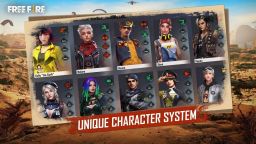
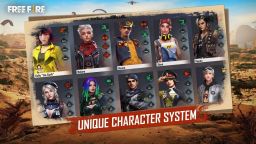
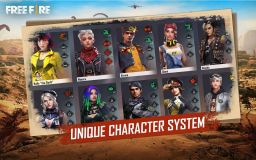
Free Fire is not just a plain weapon-and-map shooter. Character abilities, pets, loadouts, and player choices create a stronger identity than a generic battle royale clone. Google Play’s anniversary editorial also highlights pets as part of the Free Fire experience, noting that players can choose a pet that suits them and fight alongside a companion.
I like this because it adds personality to the competitive loop. Two players with similar aim can still approach fights differently depending on abilities, squad composition, pets, and preferred tactics. The risk is balance: strong abilities need careful tuning so skill expression does not become only character selection. But when it works, Free Fire feels more colorful and personal.
-
Characters and abilities add tactical identity beyond weapons;
-
Pets can support different playstyles and give the game extra personality;
-
Squad composition can affect how a team approaches fights;
-
Balance matters because ability power should not overwhelm player skill;
Kalahari Makes Squad Communication More Valuable
In squad play, Kalahari rewards clear communication. Calling enemy positions, sharing loot, marking rotations, warning about snipers, and deciding when to push can change the match. The desert setting makes information feel especially valuable because danger may come from distant angles.
I enjoy Kalahari most with a squad that talks. A silent team can still win, but the map becomes much easier when everyone understands the plan. One player spots movement, another watches the flank, another prepares cover, and someone else makes the brave decision to not run directly into open ground for once. Team discipline matters.
The Mobile Controls Are Accessible but Still Demanding
Free Fire’s popularity comes partly from making battle royale action accessible on mobile devices. The official site calls it accessible to almost all smartphones across the globe. That accessibility is a major strength. The game is built for touchscreen play, short matches, and quick readability.
Still, mobile shooting has a skill curve. Aiming, movement, recoil control, quick looting, ability use, and camera movement all happen on a small screen. I like that Free Fire makes entry easier, but good players still stand out. The best mobile shooters are easy to start and hard to master, and Free Fire fits that category.
-
Touchscreen controls make the game easy to access on phones;
-
Good movement and aim still require practice;
-
HUD layout and sensitivity settings can affect performance;
-
The game’s mobile-first design keeps matches quick and readable;
The Game’s Lightweight Philosophy Is a Real Advantage
Free Fire has always benefited from being less demanding than many heavier battle royale alternatives. Its official positioning emphasizes accessibility across smartphones, while Free Fire MAX exists for players who want a more premium visual experience. The official site describes Free Fire MAX as designed for premium Battle Royale gameplay with Ultra HD resolutions and improved effects, while still connecting players through Firelink technology.
I think this split is smart. The standard Free Fire app focuses on accessibility and broad reach. Free Fire MAX gives users with stronger devices a flashier version. For a global mobile shooter, that flexibility matters. Not every player has the newest phone, and a battle royale game becomes stronger when more friends can actually run it.
Kalahari Can Be Brutal for Beginners
Kalahari is exciting, but it can be rough for new players. Open sightlines punish poor movement. Experienced players know popular landing spots, strong angles, and rotation routes. Beginners may feel like they are being removed from the match by enemies they barely saw.
I do not think that makes the map bad. It means Kalahari teaches harsh lessons. New players should start by learning safe landing spots, common fight zones, cover routes, and where high-ground threats usually appear. The map becomes more fun once it stops feeling random and starts feeling readable.
-
New players may struggle with exposed terrain;
-
Learning common landing zones makes survival easier;
-
Understanding cover routes reduces sudden eliminations;
-
The map rewards experience and awareness over blind aggression;
The Safe Zone Creates the Real Match Story
Like every battle royale map, Kalahari becomes more intense as the safe zone shrinks. Early areas may feel open and flexible, but late-game circles force players into difficult choices. Moving too early can expose a squad. Moving too late can trap them. Holding a strong position can win the game, unless another team has the angle first.
I like how the safe zone turns geography into drama. The map is not static. It becomes more dangerous every minute. A strong landing means little if the late zone pulls far away. Kalahari’s terrain makes those rotations feel especially tense because every ridge, road, and structure can become a deciding factor.
Cosmetics and Style Are a Big Part of the Free Fire Mood
Free Fire’s official slogan “Battle in Style” is not accidental. The game has long leaned into outfits, skins, characters, pets, events, and expressive identity. Players do not only want to survive. They want to look recognizable while doing it.
I like that style layer because it makes the game feel energetic and personal. Free Fire is not a dry military simulator. It is loud, colorful, event-driven, and character-heavy. That tone helps it stand apart from more grounded shooters. The downside is that the screen can sometimes feel busy, especially for players who prefer cleaner visual design.
-
Cosmetics help players express identity;
-
Events keep the game visually fresh;
-
Characters and pets make the world more colorful;
-
The style-heavy approach may feel too flashy for players who prefer realism;
Events Keep the Game Moving
Free Fire has a strong live-service rhythm, with seasonal updates, collaborations, anniversaries, rewards, and limited-time content. Garena’s official 8th anniversary announcement in 2025 described a month-long celebration with rewards and collectibles. That event-driven structure is central to why the game keeps returning to players’ phones.
I enjoy live events when they give casual players a reason to check back without making the game feel like a chore. Free Fire’s events can add cosmetics, modes, missions, and social energy. The risk is overload. A player who returns after a break may feel surrounded by banners, currencies, rewards, and menus. Still, active updates are important for a multiplayer game’s health.
Official Downloads Matter
Because Free Fire is so popular, players should be careful with modified clients, unofficial APKs, and third-party downloads. Garena’s official ecosystem points players toward legitimate Android and iOS downloads, and recent reporting around Free Fire warns that unofficial or modified clients can risk permanent bans and device safety.
I would always stick to official store links for Free Fire. Your product list includes Google Play and App Store links, which is exactly the right direction. A battle royale account can contain progress, purchases, skins, and social history. Risking that for a suspicious download is not worth it.
-
Use official Google Play or App Store downloads whenever possible;
-
Avoid modified clients, cheats, or unofficial APKs;
-
Unofficial versions can create account and device risks;
-
Fair play matters because battle royale depends on competitive trust;
The Visuals Are Built for Clarity More Than Realism
Free Fire’s visual style is bright, readable, and mobile-friendly. It does not aim for the grounded realism of a high-end console shooter. Instead, it prioritizes clear characters, visible movement, fast recognition, and performance across many devices.
I like this approach for a mobile battle royale. Realism can look impressive, but clarity wins fights. On Kalahari especially, spotting movement, understanding cover, and reading terrain quickly matter more than admiring tiny texture details. Free Fire succeeds when the action remains understandable on a phone screen.
The Sound Helps With Awareness
Sound is important in Free Fire because footsteps, shots, vehicles, and nearby combat can reveal danger before it appears on-screen. On Kalahari, where distance and angle matter, listening can make the difference between an ambush and a prepared fight.
I like playing with sound because it turns the map into more than a visual space. A distant fight can suggest where enemies are rotating. A vehicle can warn that a squad is nearby. A sudden shot can reveal a sniper angle. Good audio awareness turns survival into information management.
-
Footsteps help identify nearby enemies;
-
Gunfire can reveal fights and rotation paths;
-
Vehicle sounds warn players about incoming movement;
-
Audio awareness is especially useful on exposed maps like Kalahari;
The Game Is Best With Friends
Free Fire works solo, but squad play often brings out its best personality. Coordinating drops, revives, ability use, flanks, and rotations makes each match more social. Winning alone is satisfying. Winning with a squad after someone almost ruined everything by looting too long is a different kind of joy.
I think Kalahari benefits from teamwork because the map can punish isolated players. A squad that spreads too far apart may get picked off. A squad that moves together too blindly may become an easy target. Good team spacing is the middle ground, and finding that rhythm is part of the fun.
The Main Weakness Is Competitive Friction
Free Fire’s biggest weakness is the same problem that affects many live-service competitive games: balance, matchmaking, ability tuning, and event pressure can all affect the experience. A match feels great when players believe the fight was fair. It feels worse when the outcome seems shaped by imbalance, lag, or unfamiliar systems.
I do not think this ruins Free Fire, but it is part of the package. A game this active will always be changing. New characters, weapons, pets, events, and map updates can refresh the game, but they can also make returning players feel behind. Free Fire rewards players who keep up.
-
Live updates can make the game feel fresh but also harder to follow;
-
Character and ability balance matters for fair competition;
-
Matchmaking quality affects player satisfaction;
-
Returning players may need time to relearn the current meta;
The Best Audience Is Mobile Battle Royale Fans
Garena Free Fire: Kalahari is easiest to recommend to players who want fast mobile battle royale action, short matches, squad play, character abilities, cosmetics, and tactical map movement. It is especially strong for players who like aggressive pacing but still want enough strategy to make each match feel different.
It may be less appealing to players who want ultra-realistic shooting, long tactical simulations, slow pacing, or a premium console-style presentation. Free Fire is mobile-first, stylish, fast, and built around accessibility. Kalahari adds a desert map identity that makes survival feel sharper and more exposed.
Where Garena Free Fire: Kalahari Feels Most Effective
Garena Free Fire: Kalahari feels most effective when a match becomes a chain of fast decisions. I choose a landing spot, grab just enough loot, rotate before the safe zone traps me, avoid an exposed crossing, win a mid-range fight, revive a teammate, and enter the final circle with barely enough resources. That compressed battle royale story is what Free Fire does well.
The Kalahari map adds its own pressure by making terrain feel dangerous. The desert setting is not just visual flavor. It changes how I move, when I fight, and how much I respect open space. The best matches feel like survival, strategy, and panic all sharing one phone screen.
Where Garena Free Fire: Kalahari Feels Less Strong
The game feels less strong when the action becomes too chaotic or cluttered. Characters, pets, cosmetics, events, abilities, and fast fights can make the experience busy, especially for new players. Kalahari’s exposed spaces can also feel punishing before players understand the map.
It also depends heavily on fair play and stable performance. Competitive mobile shooters need trust. Lag, suspicious opponents, unofficial clients, or balance issues can damage the fun quickly. Free Fire is strongest when downloaded officially, played fairly, and treated as a fast tactical shooter rather than a shortcut-hunting playground.