





ELDEN RING Summary
Get From the Official Digital Markets
All trademarks belong to their
respective owners.
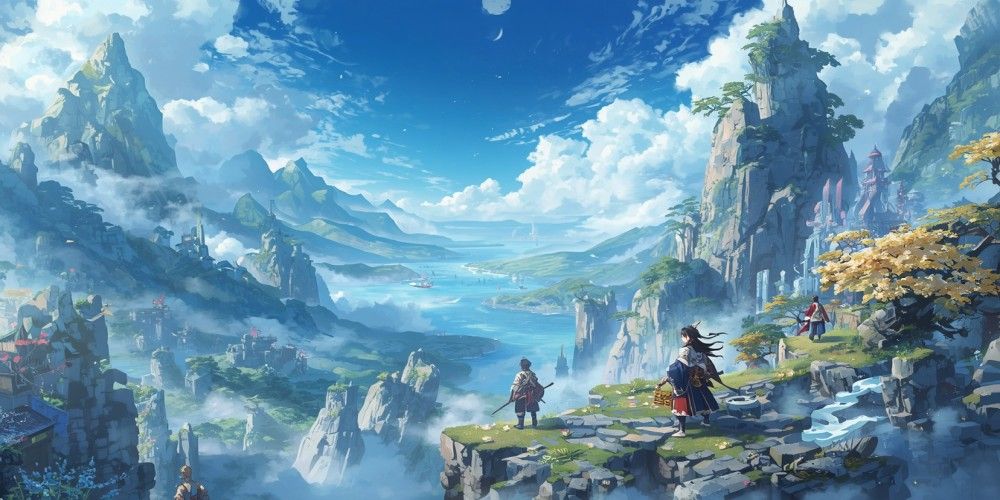
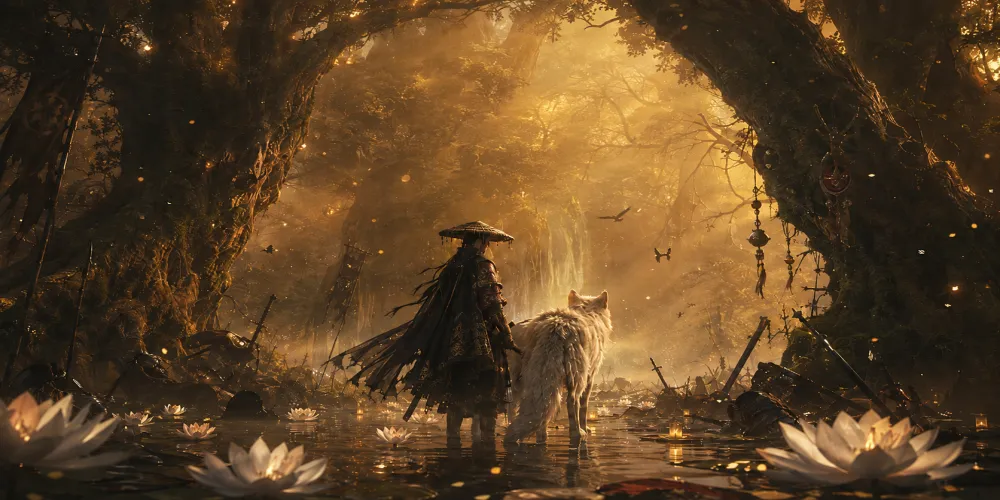
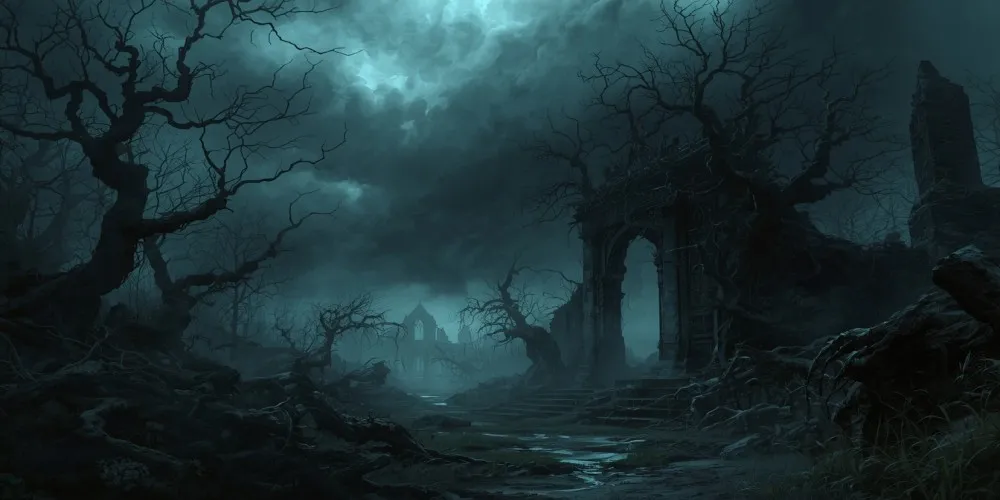
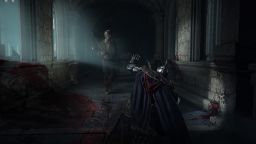
ELDEN RING feels like being dropped into a myth after the disaster already happened. Nobody gives a warm welcome, the world barely explains itself, and the first thing I learned was that confidence is not armor. The Lands Between are huge, strange, hostile, and beautiful in a way that makes exploration feel both inviting and dangerous. This is not an open-world game that fills the map with tidy errands. It feels more like a dark fantasy continent full of ruins, half-buried stories, impossible towers, poisonous swamps, proud knights, strange gods, and doors that probably should have stayed closed.
The Lands Between Make Exploration Feel Dangerous Again
The biggest reason ELDEN RING works is that the open world feels mysterious rather than over-managed. Bandai Namco describes the game as an epic fantasy title created by FromSoftware and Bandai Namco Entertainment, and Steam frames it as an open world fantasy action RPG. Those labels are accurate, but the real appeal is how little the world feels like a checklist.
I like that ELDEN RING trusts me to wander badly. I can follow golden guidance, ignore it completely, ride toward a suspicious castle, fall into a cave, find an elevator, enter a region I am absolutely not ready for, and somehow leave with a story. The map does not only show where to go. It invites bad decisions, and many of those bad decisions become the best memories.
-
The world rewards curiosity more than strict objective-following;
-
Ruins, caves, towers, castles, and hidden paths make exploration feel layered;
-
The map is large but still full of authored surprises;
-
Danger gives discovery a stronger emotional payoff;
Combat Is Precise, Punishing, and Deeply Satisfying
ELDEN RING’s combat is not built around button mashing. It is built around spacing, timing, stamina, weapon commitment, enemy reading, and learning when not to be greedy. Every swing matters because many animations carry risk. Every dodge matters because panic rolling usually becomes a very educational mistake.
I enjoy how the game makes improvement feel physical. At first, a boss can seem impossible. Then I begin to understand the rhythm: the delayed attack, the fake opening, the punished heal, the safe side, the one greedy hit I should not take. The victory is satisfying because the game usually makes me earn it through attention rather than raw numbers alone.
The Build Variety Is One of the Game’s Biggest Hooks
ELDEN RING gives players many ways to express themselves through builds. Strength weapons, dexterity setups, sorcery, incantations, bleed-focused gear, shields, dual wielding, bows, summons, status effects, and hybrid styles all change the feel of a run. A massive sword and a cautious mage do not experience the Lands Between in the same way.
This variety matters because the game is long. If combat had only one flavor, the journey would become exhausting. Instead, a new weapon can change my whole attitude. Suddenly I am not just exploring the same castle. I am testing a new identity: cautious spellcaster, stubborn shield user, aggressive blade dancer, or someone who has clearly invested too much faith in a ridiculous hammer.
-
Weapons and magic support many different playstyles;
-
Stat choices make character growth feel personal;
-
A new weapon can make familiar areas feel fresh again;
-
Build experimentation gives the game strong replay value;
Bosses Are Spectacle, Skill Checks, and Personality Tests
FromSoftware’s boss design is one of the main reasons ELDEN RING became so discussed. Bosses are not only obstacles. They are performances. Some are tragic, some grotesque, some majestic, some deeply annoying in a way that becomes funny only after the controller is safely placed on a table.
The best bosses teach through rhythm. They punish impatience, reward observation, and make the player feel the difference between surviving and understanding. I do not love every encounter equally, but the major fights have a scale and theatricality that fit the world. They feel like legends that still know how to ruin an evening.
Spirit Ashes Make the Challenge More Flexible
Spirit Ashes are one of ELDEN RING’s smartest accessibility-adjacent systems. They do not make the game simple, but they give players another way to handle pressure. A summon can distract a boss, create breathing room, or help a fragile build survive long enough to learn the fight.
I like that Spirit Ashes let players tune the emotional temperature of the game without turning it into a completely different experience. Some players will avoid them for a stricter solo challenge. Others will use them proudly because the Lands Between are already rude enough. Both approaches feel valid.
-
Spirit Ashes give players more tactical options during difficult fights;
-
Summons can support weaker builds or newer players;
-
Players can ignore them for a more traditional solo challenge;
-
The system makes difficulty feel more flexible without removing danger;
The Lore Feels Like Archaeology With Monsters
ELDEN RING’s story is not delivered like a normal fantasy campaign. It is scattered through item descriptions, ruined architecture, NPC dialogue, boss names, environmental clues, and strange visual details. The result can feel confusing, but it also makes the world feel old and damaged.
I enjoy this style because it lets the player feel like an investigator rather than a tourist. The game does not stop every few minutes to explain the family tree of every demigod. It leaves fragments everywhere and trusts the player to care enough to connect them. That makes lore discovery feel earned.
The George R. R. Martin Influence Adds Mythic Weight
ELDEN RING’s worldbuilding has often been connected to George R. R. Martin’s contribution, while FromSoftware shaped that foundation into its own ruined fantasy structure. The result feels grander and more dynastic than many earlier Soulslike worlds. Families, demigods, inheritance, corruption, power, and broken order all shape the world’s mood.
I think that mythic family-drama feeling gives the game a stronger fantasy identity. The Lands Between do not feel like random danger zones stitched together. They feel like a kingdom after sacred politics, divine ambition, and personal failure have all gone terribly wrong.
-
The lore rewards players who enjoy piecing together fragments;
-
Demigods and ruined dynasties give the world mythic scale;
-
Item descriptions make equipment feel tied to history;
-
The story can feel opaque for players who prefer direct narrative;
Torrent Changes the Open-World Formula
Torrent, the spectral steed, is essential to why ELDEN RING’s world works. The horse is not just a faster travel tool. Torrent makes exploration smoother, lets the player escape danger, supports mounted combat, and gives vertical spaces more freedom. Riding across Limgrave or climbing strange cliffs would feel very different without him.
I like how Torrent makes the world feel large without making travel tedious. The game still has danger, but movement has rhythm. I can cross fields, jump through ruins, avoid certain threats, or rush toward a distant landmark because it looks interesting. That freedom makes the world feel less like a map and more like a place.
Dungeons and Legacy Areas Offer Two Different Kinds of Discovery
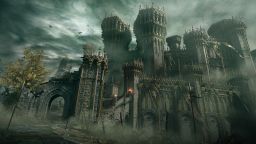
ELDEN RING balances small optional dungeons with massive legacy areas. The smaller spaces provide quick rewards, bosses, materials, and surprises. The legacy dungeons, such as major castles and capital-scale locations, feel closer to classic FromSoftware level design: complex routes, shortcuts, traps, vertical layers, and tightly crafted danger.
This combination is one of the game’s strongest structural choices. Open-world wandering gives freedom, while legacy dungeons give density. When I want mystery and distance, I ride. When I want interlocked level design, I enter a castle and slowly regret every staircase.
-
Small dungeons give short bursts of risk and reward;
-
Legacy dungeons provide dense, interconnected level design;
-
The game balances wide exploration with crafted challenge spaces;
-
Optional areas make progression feel player-driven;
The Art Direction Is Astonishing
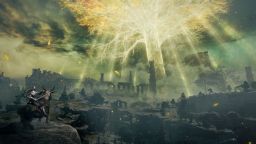
ELDEN RING has one of the most memorable visual identities in modern fantasy games. The Erdtree dominates the skyline. Castles twist into impossible silhouettes. Underground cities glow with ancient magic. Scarlet rot regions feel diseased and beautiful at the same time. Even quiet landscapes often carry a sense of threat.
I like that the game does not chase ordinary realism. It wants awe, decay, scale, and strangeness. The Lands Between are beautiful because they feel spiritually damaged. The world is full of images that stay in memory: golden skies, broken towers, silent lakes, giant hands, star-filled underground spaces, and bosses who seem designed by someone who had a nightmare and took excellent notes.
The Music Knows When to Step Back
ELDEN RING’s music is powerful during major encounters, but the quieter exploration is just as important. Many open spaces do not overwhelm the player with constant melody. Instead, the world breathes. Wind, footsteps, distant enemies, and environmental sound make exploration feel lonely and tense.
When the score does rise, it gives the moment weight. Boss music can feel sacred, tragic, or terrifying depending on the fight. I appreciate that contrast. The silence makes the big musical moments feel larger.
-
Quiet exploration makes the world feel lonely and ancient;
-
Boss themes add scale and emotional weight;
-
Environmental sound supports tension during travel;
-
The audio design helps the world feel hostile without constant noise;
The Difficulty Is Harsh, but the Freedom Helps
ELDEN RING is difficult, but its open-world structure makes that difficulty feel less like a locked door. If a boss is too much, I can leave. I can explore another region, find upgrade materials, change weapons, level up, discover a summon, improve flasks, or simply return later with less panic in my hands.
This freedom is a major difference from more linear Soulslike games. The game still demands patience, but it gives players many ways to build confidence. ELDEN RING does not always become easier. The player becomes more prepared, which feels better than the game simply lowering the bar.
Shadow of the Erdtree Expands the Game in the Right Direction
Shadow of the Erdtree is the major expansion for ELDEN RING. Bandai Namco confirmed its release for June 21, 2024 on Xbox Series X|S, Xbox One, PlayStation 5, PlayStation 4, and PC, while Steam describes it as an expansion with a new story set in the Land of Shadow, full of mystery, perilous dungeons, and new enemies.
I like that the expansion feels like a natural continuation rather than a decorative add-on. The Land of Shadow brings new visual ideas, new threats, new lore questions, and more of the harsh exploration that made the base game so memorable. It is not gentle bonus content. It is ELDEN RING looking at players who survived the main game and politely asking whether they would like to suffer with better scenery.
-
Shadow of the Erdtree adds the Land of Shadow as a major new area;
-
The expansion includes new enemies, dungeons, weapons, and story material;
-
Its tone fits the base game’s mystery and danger;
-
Players should expect a demanding continuation rather than a casual side trip;
Nightreign Shows the Universe Can Stretch
ELDEN RING NIGHTREIGN is not the same product as the base game. Steam describes it as a standalone adventure within the ELDEN RING universe, built to offer a new experience by reimagining the game’s core design, and lists its release date as May 29, 2025. That makes it important context, but not a replacement for the original.
I see Nightreign as proof that the setting has become larger than one game format. The original ELDEN RING remains the core open-world RPG experience. Nightreign takes the universe elsewhere. For this review, the base game still matters most because it established the Lands Between as one of modern gaming’s most influential fantasy worlds.
The Game Can Feel Overwhelming
ELDEN RING’s scale is impressive, but it can also be exhausting. There are many stats, weapons, upgrade materials, quests, NPCs, endings, hidden areas, optional bosses, and systems that the game does not explain in a friendly modern tutorial voice. New players can easily feel lost.
I do not think this is entirely negative. Being lost is part of the experience. But there is a difference between mystery and confusion, and ELDEN RING occasionally lands on the rougher side of that line. Some questlines are especially easy to break, miss, or misunderstand without outside help.
-
The scale can intimidate new players;
-
Questlines are often obscure and easy to miss;
-
Stats and upgrade paths may require research for beginners;
-
The game’s mystery is powerful, but it can become confusing;
The PC and Platform Experience Has Matured Over Time
ELDEN RING is available on PC and major PlayStation and Xbox platforms, with Steam listing the PC release on February 24, 2022. Bandai Namco’s official site also lists PC system requirements, including Windows 10 or 11 and 60 GB of available storage.
I would still recommend checking performance expectations before buying on PC, especially for players with older hardware. ELDEN RING’s combat depends on responsiveness, and a smoother frame rate makes a real difference when dodging, parrying, or reacting to boss attacks. This is a game where technical comfort supports emotional survival.
The Best Audience Is Patient Explorers
ELDEN RING is best for players who enjoy mystery, challenge, exploration, build experimentation, and worlds that do not explain themselves too neatly. It is especially strong for people who like the feeling of improving through repeated attempts rather than being carried by constant objective markers.
It may be less appealing to players who want direct storytelling, easy combat, clear quest logs, or a relaxed fantasy tour. ELDEN RING can be beautiful, but it is rarely comfortable. The game’s respect for the player includes the freedom to make terrible choices and learn from them.
Where ELDEN RING Feels Most Effective
ELDEN RING feels most effective when discovery and danger arrive together. A distant tower becomes a journey. A cave becomes a secret. A boss becomes a lesson. A strange item description changes how I understand a character I met ten hours earlier. The game is at its best when it makes curiosity feel risky and rewarding at the same time.
It also succeeds because the open world supports FromSoftware’s strengths rather than diluting them. The combat remains tense. The lore remains fragmented. The atmosphere remains lonely. The difference is scale. ELDEN RING takes that familiar intensity and spreads it across a world that feels truly worth exploring.
Where ELDEN RING Feels Less Strong
The biggest weakness is that the game can be opaque to a fault. Some players will enjoy researching builds, questlines, endings, and hidden mechanics. Others may feel pushed outside the game too often for answers. ELDEN RING’s mystery is part of its beauty, but it can also become a wall.
The second weakness is uneven repetition in optional content. Many small dungeons are enjoyable, but some caves and minor bosses can feel familiar after dozens of hours. The best content is extraordinary. The weaker optional content is still playable, but not always equally memorable.