





Backrooms: Escape Together Summary
Get From the Official Digital Markets
All trademarks belong to their
respective owners.
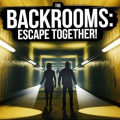
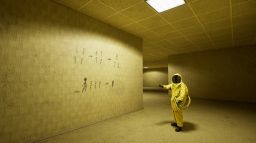
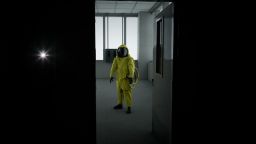
I went into Backrooms: Escape Together expecting another spooky maze game built around yellow walls, buzzing lights, and internet horror nostalgia. What I found was more interesting because the game understands that the Backrooms are not frightening only because something might chase you. They are frightening because the spaces feel wrong before anything happens. Empty rooms stretch too long. Corridors repeat until memory starts feeling unreliable. Fluorescent light makes every surface look tired. The game works best when it lets that atmosphere breathe, then adds co-op panic on top. Playing alone can feel tense, but playing with friends turns the fear into a strange social experiment where every whisper, footstep, bad direction, and sudden scream becomes part of the experience.
The Liminal Spaces Do Most of the Heavy Lifting
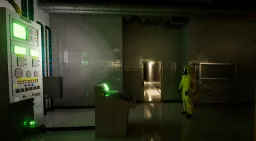
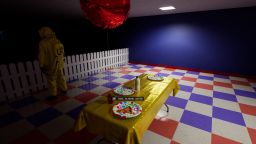
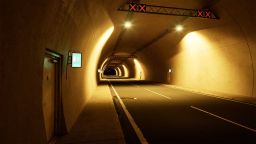
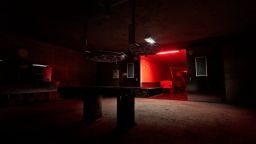
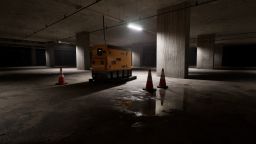
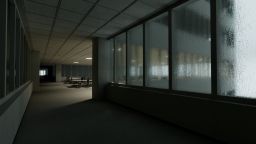
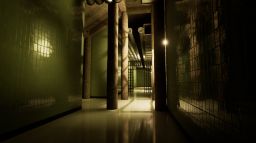
The strongest part of Backrooms: Escape Together is the environmental mood. The game does not need every room to be packed with detail. In fact, emptiness is the point. Blank walls, repeated patterns, office-like textures, pools, industrial corners, and strange transitional areas create the feeling of being trapped inside a place that was never meant for people to stay in.
I liked how the game uses familiarity against the player. The Backrooms are not alien in the usual sci-fi sense. They look almost recognizable, like spaces behind malls, offices, storage areas, hotels, and forgotten building interiors. That almost-normal quality is what makes them uncomfortable. The game understands that liminal horror works best when the player thinks, “I have seen a place like this,” then immediately wishes they had not.
Co-Op Changes Fear Into Group Confusion
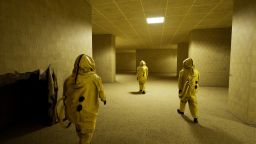
Backrooms: Escape Together supports 1–6 players, and that player count is central to its identity. The game is not only about personal fear. It is about what happens when a group tries to stay organized in a place built to disorient everyone. Someone says they remember the way back. Someone else disagrees. A third player hears something and suddenly the plan falls apart.
I enjoyed the co-op structure because it creates natural drama without needing constant scripted scenes. The group becomes its own problem. Friends split up by accident, talk over each other, lose track of directions, or panic at the wrong time. Even when nothing major happens, the fear of being separated keeps the session tense.
-
Co-op play makes navigation feel more social and chaotic;
-
Group decisions can become tense when nobody trusts the route;
-
Splitting up creates useful risk but also immediate anxiety;
-
The game feels strongest when players communicate under pressure;
Proximity Voice Chat Makes Distance Matter
The Steam page highlights proximity voice chat as one of the game’s core horror features, and I think it is one of the smartest choices in the design. Voice chat is not just a convenience here. It becomes part of the fear. When a friend’s voice fades, the space suddenly feels bigger. When someone shouts from another room, it is hard to know whether to run toward them or away from whatever found them.
This feature makes communication physical. Players are not all safely connected in the same clean audio space. They have to stay close, call out locations, and manage panic while the environment interrupts them. That makes the horror more personal. Losing a teammate is not only visual. It happens through sound, and that can be surprisingly effective.
Procedural Generation Keeps the Maze From Feeling Memorized
Backrooms: Escape Together uses procedurally generated levels, which is important for replay value. Steam describes the game as having 11 fully procedurally generated levels, while the official site highlights procedurally generated liminal spaces and 12 levels. The exact content count may vary by current build, but the design goal is clear: players should not feel completely safe just because they remember one layout.
I liked this because Backrooms horror loses power if the map becomes too familiar. The fear depends on uncertainty. Procedural layouts help preserve the feeling that the place is shifting around the group. Even when I understand the general style of a level, I cannot always rely on memory to solve it cleanly.
The Entities Work Best When They Interrupt Silence
The hostile entities are important, but I think the game is strongest when it does not overuse them. Backrooms horror needs space for dread before the chase arrives. If creatures appear too often, they can become ordinary game obstacles. When they interrupt long stretches of uneasy quiet, they feel much more effective.
I enjoyed the moments where the group knows something is nearby but cannot immediately identify where it is. That uncertainty creates better tension than a simple jump scare. The official site mentions 8 entities, and that variety gives the game enough threat diversity to avoid feeling like one repeated monster pattern.
-
Entities add urgency to otherwise slow exploration;
-
Different threats make players adjust their behavior;
-
The best scares come when silence has already built tension;
-
Creature encounters feel stronger when the group is already disorganized;
Puzzles Give the Fear a Practical Shape
The game is not only about wandering through empty spaces. The official site describes puzzle-solving as part of the experience, and that gives the horror a useful objective structure. Players need something to do besides panic. Puzzles create that pressure because they force the group to slow down in places where slowing down feels unsafe.
I like horror puzzles when they make players communicate. In Backrooms: Escape Together, the best puzzle moments happen when one person finds an object, another notices a clue, someone else gets impatient, and the group has to decide whether to stay together or search separately. The puzzle is not just mechanical. It becomes a reason for teamwork to either function or collapse.
The Game Looks Best When It Feels Almost Real
Steam describes Backrooms: Escape Together as visually lifelike, and that visual approach matters. The more real the surfaces feel, the stranger the emptiness becomes. Carpet, walls, tiles, lights, water, and industrial textures all gain power when they look close enough to ordinary life. The horror does not need gothic castles or dramatic shadows. It needs the dead feeling of a place with no clear purpose.
I found the visual style effective because it keeps the player slightly uncomfortable. The world is not beautiful in the usual sense. It is stale, artificial, damp, fluorescent, and lonely. That makes the occasional threat feel like it belongs to a place already wrong at the architectural level.
Survival Feels Better When Resources Are Limited
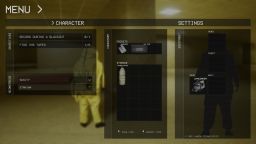
The Steam description notes that players use what is available to survive and progress deeper into the Backrooms. That kind of survival structure helps the game avoid becoming a simple walking simulator. Items, tools, routes, and decisions matter because the group cannot rely only on courage.
I liked the feeling of having to make practical choices inside an irrational space. Do we keep moving or check another room? Do we use an item now or save it? Do we follow a sound or avoid it? The survival layer gives players enough agency to feel responsible when things go wrong, which makes the fear more satisfying.
-
Limited tools make planning feel important;
-
Resource decisions create tension between safety and progress;
-
Exploration can reward the group or expose it to danger;
-
Survival systems make each run feel more active;
The Backrooms Theme Is Familiar, but Still Effective
The Backrooms idea has become very crowded in games, videos, memes, and horror discussions. That means any new Backrooms-inspired game has to fight the risk of feeling like another copy of a copy. Backrooms: Escape Together avoids that problem partly through co-op structure, procedural levels, proximity voice, and realistic atmosphere.
I do think the theme can feel familiar if a player has already tried many liminal horror games. Yellow rooms, empty halls, entities, and escape objectives are no longer shocking by themselves. The game’s advantage is not that the idea is brand new. Its advantage is that it turns the idea into a social horror experience where the people beside you make the fear less predictable.
The Pacing Depends Heavily on the Group
Backrooms: Escape Together can feel tense, funny, or frustrating depending on who is playing. With a communicative group, the game becomes a memorable horror session full of bad plans and sudden panic. With quiet or careless players, it can feel slower because so much of the experience depends on shared reaction and coordination.
This is not necessarily a flaw. Many co-op horror games depend on group chemistry. Still, it is worth noting. The game’s best moments come from people talking, warning each other, getting separated, and reacting honestly. If everyone treats it like a solo maze with background noise, some of the magic disappears.
Where Backrooms: Escape Together Feels Most Effective
The game works best when atmosphere, voice chat, procedural confusion, and entity danger all overlap. A good session can move from quiet exploration to frantic shouting in seconds. That rhythm is exactly what I want from co-op horror. The fear is not only in the monster. It is in realizing the group no longer knows where it is.
I also think the game benefits from being easy to understand conceptually. Players do not need a long explanation. They know the goal: explore, solve, avoid danger, and escape. The complexity comes from the environment and the people playing, not from an overloaded ruleset. That makes it approachable for horror fans who want a strong session with friends.
Where Backrooms: Escape Together Feels Less Strong
The weakest moments come when the Backrooms formula starts to feel too familiar or when a run slows down without enough tension. Liminal horror needs atmosphere, but it also needs pacing. If the group wanders too long without meaningful progress or threat, the mood can turn from scary to tiring.
The game may also frustrate players who prefer handcrafted map design. Procedural generation helps replay value, but it can sometimes make spaces feel less authored. That tradeoff is part of the design. I liked the unpredictability, but I can understand why some players might prefer more carefully staged horror sequences.