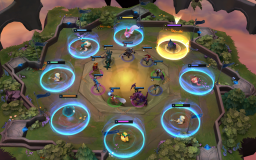
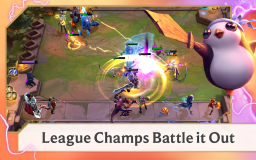
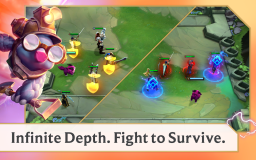
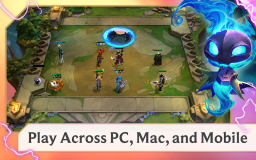
Teamfight Tactics feels like a game that transforms familiar strategy ideas into a constantly changing puzzle where every decision matters. I entered it expecting a simple auto-battler experience, but what impressed me most was how much planning, adaptation, and creativity are required to succeed. The game may look calm because units fight automatically, yet the real strategy happens before each battle through team building, resource management, and careful choices.
What makes Teamfight Tactics special is the balance between accessibility and depth. I can understand the basic idea quickly, but improving requires learning combinations, understanding different strategies, and adapting to situations that change every match.
I like games where every round feels different. Teamfight Tactics creates this feeling because no two matches develop in exactly the same way. The units I find, the decisions other players make, and the strategy I choose all influence the final result.
A Strategy Arena Built Around Decisions
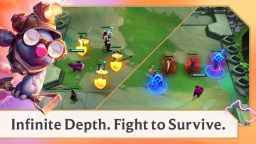
The main appeal of Teamfight Tactics comes from decision-making. Unlike traditional strategy games where I directly control every movement, here I prepare my team and watch how my choices perform.
I enjoy this different style because it focuses on planning rather than quick reactions. Every purchase, upgrade, and positioning choice can affect future rounds.
The game rewards players who think ahead. A strong strategy is not only about having powerful units but also about understanding how different parts of a team work together.
The Champions Become the Heart of Each Team
The champions in Teamfight Tactics are the main building blocks of every strategy. Each unit has unique abilities, roles, and connections with other champions.
I like how assembling a team feels like creating a puzzle. Finding the right combination of units can completely change how a match develops.
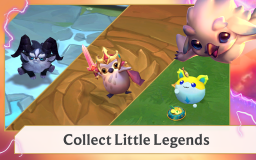
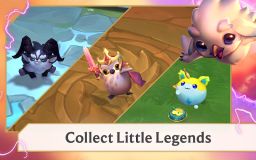
The variety of champions gives the game personality. Different sets introduce new characters, themes, and mechanics, making each version feel like a fresh experience.
Synergies Create Strategic Possibilities
One of the strongest systems in Teamfight Tactics is the synergy system. Combining certain champions creates additional advantages and encourages players to think creatively.
I enjoy experimenting with different combinations because there is rarely only one correct approach. A successful team can be built in many ways depending on the situation.
This flexibility makes the game more interesting because I need to adapt instead of following the same plan every time.
Every Match Feels Like a New Challenge
The replay value of Teamfight Tactics comes from unpredictability. Each match presents different opportunities and requires different decisions.
I like how the game forces me to adjust my strategy. Sometimes the units I planned to use are unavailable, so I need to find another solution.
This creates a feeling of improvisation. Strong players are not only those who know powerful strategies but also those who can adapt when things do not go according to plan.
Economy Management Adds Another Layer
Managing resources is one of the most important parts of Teamfight Tactics. Deciding when to spend, save, or invest creates meaningful strategic choices.
I enjoy this because it makes every action feel connected to the future. A decision that helps immediately may create problems later, while patience can create stronger opportunities.
The economy system separates casual decisions from advanced strategy. Understanding resource timing can greatly improve performance.
Positioning Turns Preparation Into Strategy
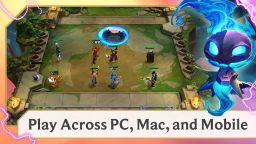
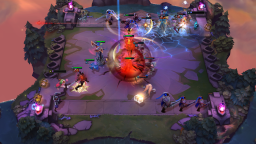
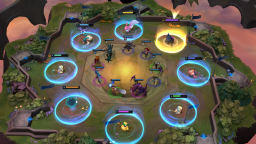
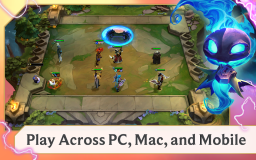
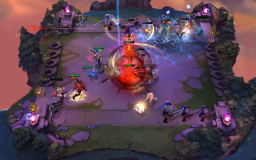
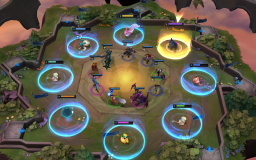
Although battles happen automatically, positioning creates an important tactical element. Where I place my units can influence how a fight develops.
I like this because it gives me control over the outcome without requiring constant movement. A well-planned position can allow a team to perform better against specific opponents.
Small changes in placement can create major differences, which makes each round feel like a strategic experiment.
The Auto-Battle Format Creates a Unique Experience
The auto-battle structure is what makes Teamfight Tactics different from many other strategy games. The challenge is not controlling every second of combat but creating the strongest possible conditions before the fight begins.
I appreciate this because it rewards preparation and understanding rather than only reaction speed.
The format also makes the game easier to watch and analyze. I can focus on why a strategy succeeds or fails instead of only trying to execute actions quickly.
The Visual Design Gives Each Set Its Identity
The presentation of Teamfight Tactics changes with different sets, allowing the game to constantly refresh its style. New themes, environments, and champion designs create different atmospheres.
I enjoy how each set feels like a new chapter. The visual changes help make returning to the game feel exciting.
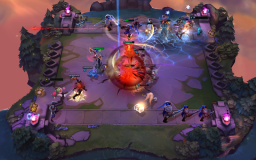
The animations and effects also help make battles easier to follow. Even with many units on screen, the game maintains a clear presentation.
The Sound Design Supports the Strategy Atmosphere
Sound plays a supporting role in Teamfight Tactics by adding energy and personality to matches. Abilities, effects, and music help create a more engaging experience.
I like when audio helps communicate what is happening. Important moments during battles feel more impactful when the sound matches the action.
The music also contributes to the identity of different sets and themes.
The Competitive Environment Encourages Improvement
Teamfight Tactics has a strong competitive side because players are constantly trying to improve their understanding of the game.
I enjoy how progress comes from learning rather than simply playing more. Understanding strategies, recognizing patterns, and making better decisions are what create improvement.
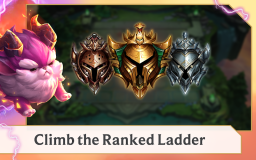
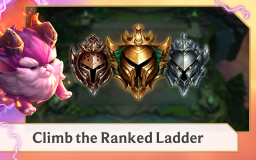
The ranking system gives players additional motivation to test their skills and compare their progress.
The Learning Curve Creates Both Depth and Difficulty
One of the biggest strengths of Teamfight Tactics is also one of its biggest challenges. The game has a lot of depth, but new players may feel overwhelmed by the number of systems.
I appreciate that there is always something new to learn. However, understanding champions, combinations, and strategies requires time.
This creates a difference between casual players and those who want to deeply study the game.
The Community Adds Value to the Experience
The Teamfight Tactics community contributes greatly to the game’s long-term appeal. Players share strategies, discuss updates, and discover new approaches together.
I like how strategy games create conversations around ideas. A new discovery or creative team combination can influence how many people approach the game.
This community activity helps the experience continue evolving.
Where Teamfight Tactics Feels Strongest and Where It Has Limits
Teamfight Tactics feels strongest when it combines creativity, strategy, and adaptation. The game succeeds because it gives players many possible paths to victory.
The main limitation is that the complexity can be difficult for newcomers. Players who prefer simple mechanics or direct control may need time to adjust to the auto-battle format.
For me, Teamfight Tactics works because it turns every match into a strategic story. The decisions I make before battle are what create the excitement.
Pros
- Champion synergies create creative decisions
- Resource management adds meaningful planning
- Positioning creates tactical depth
- Regular updates refresh the experience
- Competitive systems encourage improvement
Cons
- Those who prefer direct control may not enjoy the format
- Advanced strategies require significant practice