











State of Survival: Zombie War feels like a mobile strategy game that combines survival themes, base management, and character-driven storytelling into one large experience. I entered the game expecting a familiar post-apocalyptic strategy formula, but what interested me most was how it mixes long-term planning with a world built around rebuilding after a disaster.
What makes State of Survival: Zombie War stand out is the combination of different gameplay systems. I am not only managing a base or upgrading units. I am also exploring the world, developing characters, collecting resources, forming strategies, and making decisions about how my settlement grows.
I like games where progress feels connected to many small improvements. In State of Survival, every upgrade, new building, and stronger character contributes to the feeling that my community is becoming more capable of surviving in a dangerous environment.
A Post-Apocalyptic World Full of Challenges
The setting of State of Survival: Zombie War immediately creates a strong atmosphere. A world damaged by a disaster provides the foundation for exploration, conflict, and rebuilding.
I enjoy how the game combines the feeling of danger with the satisfaction of development. The goal is not only to survive difficult situations but also to create something stronger from the remains of the old world.
The environment supports the main theme well. Ruined locations, abandoned areas, and constant threats create the feeling that every improvement matters.
The Commander Becomes the Center of the Story
The player character in State of Survival: Zombie War represents leadership and decision-making. Instead of controlling only a single fighter, I take responsibility for a larger community and its future.
I like this approach because it creates a different type of connection. My role is not just to win battles. It is to organize, plan, and decide how the settlement develops.
The commander identity fits the strategy genre because every choice influences the growth of the entire group rather than only one character.
Base Building Creates a Sense of Progress
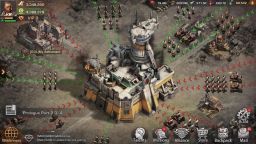
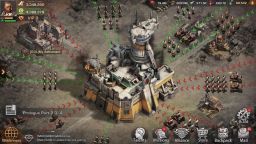
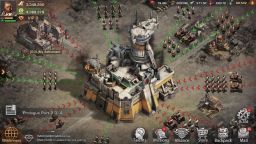
One of the strongest parts of State of Survival: Zombie War is the base-building system. Developing a settlement from a small beginning into a stronger location creates a satisfying feeling of achievement.
I enjoy planning upgrades because each building has a purpose. Some improvements increase production, others support defense, research, or future expansion.
The base becomes a visual representation of progress. Looking at a developed settlement creates a sense of accomplishment because every structure represents time and planning.
Resource Management Adds Strategic Decisions
Resources are an important part of the gameplay loop. Managing materials, planning upgrades, and deciding what to improve first creates constant strategic choices.
I like that resource management encourages thinking ahead. A player who plans carefully can develop more efficiently and prepare for future challenges.
At the same time, resource systems are common in mobile strategy games, so players who are not interested in long-term management may find the routine structure less exciting.
Heroes Bring Personality to the Survival Theme
The heroes are one of the most noticeable parts of State of Survival: Zombie War. They add personality to the world and make the story feel more character-focused.
I enjoy how different heroes bring different abilities and styles. Building a team becomes another strategic layer because choosing the right combination can influence success.
The characters also help make the post-apocalyptic world feel more personal. Instead of only managing buildings and resources, I become connected to individual figures within the story.
Combat Requires Planning and Preparation
The combat systems in State of Survival: Zombie War focus more on strategy than direct control. Before entering a battle, I need to consider my team, available resources, and overall preparation.
I like this because it rewards planning. Victory often depends on making smart choices before the fight begins rather than only reacting during the action.
The strategic approach fits the survival theme because preparation is an important part of overcoming difficult situations.
The Zombie Theme Creates Constant Pressure
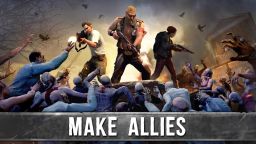
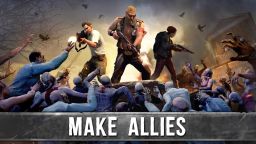
The zombie setting gives the game a clear identity. The constant presence of danger creates motivation to improve the settlement and strengthen the community.
I enjoy how the theme connects different gameplay systems. Building, researching, training, and exploring all feel connected to the larger goal of survival.
The challenge is that zombie themes are common in games, so the unique elements come from the combination of strategy, characters, and management rather than the idea alone.
Story Events Expand the Experience
Story events add variety by introducing new situations, challenges, and character moments. They help prevent the experience from feeling like only a sequence of upgrades.
I like when strategy games include narrative elements because they give meaning to the decisions I make. A stronger base feels more important when there is a reason behind the progress.
Events also create additional goals and encourage players to return regularly.
The Visual Style Supports the Survival Atmosphere
The visual design of State of Survival: Zombie War focuses on creating a recognizable post-apocalyptic world. Characters, environments, and buildings work together to create the feeling of a society trying to rebuild.
I appreciate the attention to details because atmosphere is important in survival games. The world needs to feel like there are consequences behind every decision.
The combination of ruined locations and developed settlements creates a strong contrast between danger and hope.
The Mobile Format Makes Progress Convenient
The mobile design allows State of Survival: Zombie War to fit into short and regular play sessions. I can check my base, collect resources, start upgrades, and return later.
I like this structure because it works well for players who enjoy gradual progress. The game is designed around building something over time rather than completing everything in one session.
However, players who prefer continuous action may find the waiting and management elements slower.
Alliance Features Add a Social Element
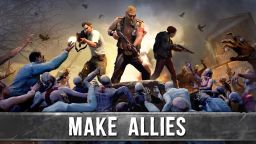
Working with other players adds another layer to the experience. Alliances create opportunities for cooperation, shared goals, and larger strategic decisions.
I enjoy how multiplayer elements make the world feel more active. A settlement is not only about individual progress; it can also become part of a larger community.
Social systems can make long-term engagement stronger because players have reasons to return and interact with others.
Where State of Survival: Zombie War Feels Strongest and Where It Has Limits
State of Survival: Zombie War feels strongest when it combines base development, character progression, and survival atmosphere. The game creates a clear sense of growth by connecting many different systems together.
The main limitation is that the mobile strategy structure may feel familiar to players who have already played similar games. Long-term progress also requires patience because development happens gradually.
For me, State of Survival: Zombie War succeeds because it creates a satisfying survival fantasy. Building a stronger community while facing constant threats gives the game a clear purpose and identity.
Pros
- Strong combination of strategy and survival themes
- Base-building system creates satisfying progression
- Heroes add personality and tactical variety
- Resource management encourages planning
- Story events provide additional goals
- Alliance features create social interaction
Cons
- Gameplay structure may feel familiar to strategy fans
- Progression can require significant time investment
- Some upgrades rely on waiting systems