Clash Royale looks simple until the first bad decision costs the whole match. Two players enter a compact arena, towers wait on both sides, cards rotate through a small hand, and every move spends elixir that cannot be taken back. That tiny structure is what makes the game so effective. It does not need a huge battlefield to create pressure. It only needs one mistimed Hog Rider, one wasted spell, one overconfident push, or one defensive card placed half a second too late. I like Clash Royale because it turns mobile strategy into something immediate and readable. A match can be short, but the decisions inside it feel sharp.
The Arena Format Is Small, but the Pressure Is Huge
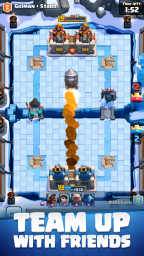
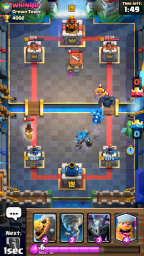
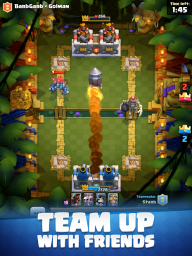
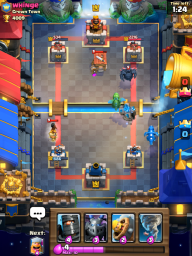
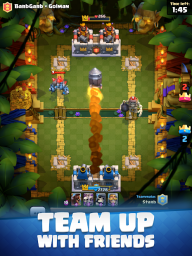
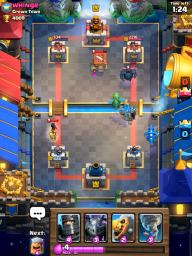
Clash Royale is built around a brilliant competitive layout. Each player has two Princess Towers and one King Tower, and the goal is to destroy more towers than the opponent before time runs out or win outright by taking the King Tower. That structure is easy to understand, but it creates constant tension because every lane matters. A player can attack left, pressure right, defend center, or wait for the opponent to make the first mistake.
Supercell describes Clash Royale as a real-time multiplayer game built around collecting and upgrading cards featuring familiar Clash troops, spells, defenses, and Royale characters, then using them to defeat enemy towers in the Arena. That description captures why the game works: it combines card strategy with real-time battlefield placement. I am not only choosing what to play. I am choosing where, when, and why.
Elixir Is the Real Heartbeat of Every Match
The most important resource in Clash Royale is not just the cards themselves. It is elixir. Every card costs elixir, and that cost creates the rhythm of the entire battle. If I spend too much too quickly, I may have no answer to a counterattack. If I wait too long, I give the opponent space to build pressure. The best players do not only know their cards. They feel the tempo of elixir.
I enjoy how elixir makes even quiet moments tense. When both players are waiting, it is not empty time. It is calculation. Who has enough elixir for a push? Who is holding a spell? Who is trying to bait a response? The game becomes a conversation where every card is a sentence and every overcommitment is an invitation to be punished.
-
Elixir limits how quickly a player can attack or defend;
-
Cheap cards help cycle back to important win conditions;
-
Expensive cards can create powerful pushes but leave the player vulnerable;
-
Elixir advantage often matters more than emotional aggression;
The Card System Gives the Game Its Long-Term Depth
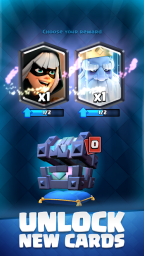
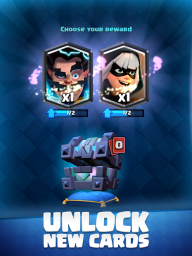
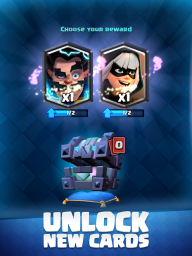
Cards are the identity of Clash Royale. Google Play highlights collecting and upgrading 100+ cards featuring Clash of Clans troops, spells, and defenses, then progressing through Arenas to unlock more options. That wide card pool gives the game its strategic variety. A match between two beatdown decks feels different from a cycle mirror, a control deck, a siege setup, or a bait strategy.
I like that each card has a clear purpose but can still interact with the rest of the deck in flexible ways. A small spell can finish a tower, clear swarm units, or support a push. A building can distract a win condition, control the center, or buy time. A tank can lead an attack, absorb damage, or force the opponent to reveal their defensive plan. The cards are simple individually, but the combinations create depth.
Deck Building Is Where Strategy Begins Before the Match
A good Clash Royale match begins before the first card is played. The eight-card deck decides what kind of game I am trying to play. Do I want fast pressure, heavy pushes, defensive control, spell cycle, bridge spam, bait, or a balanced ladder deck? Each choice creates strengths and weaknesses. A deck with too many expensive cards can feel powerful but slow. A deck with cheap cards can cycle quickly but struggle against heavy pushes.
Deck building is satisfying because it makes identity visible. Some players like aggressive, constant pressure. Others prefer patient defense and counterattacks. Some want a single clear win condition. Others enjoy flexible decks with several paths to tower damage. The best deck is not always the one with the strongest individual cards. It is the one where every card has a job.
-
Win conditions define how a deck plans to damage towers;
-
Spells support pushes, finish towers, and punish grouped troops;
-
Buildings can control enemy movement and protect towers;
-
Cycle cards help the player return to key cards faster;
Timing Matters More Than It First Appears
Clash Royale is full of tiny timing decisions. A defensive troop placed one tile too high can fail. A spell used too early can miss the real threat. A push started before double elixir can run out of support. A card played at the bridge can become brilliant pressure or a complete donation of elixir.
This is why the game remains interesting after many matches. I may know what my deck is supposed to do, but execution still matters. I need to recognize patterns quickly. I need to count the opponent’s cards, predict their response, and decide whether a small advantage is worth turning into a push. The arena may be small, but the mental tempo is fast.
The Towers Make Defense Feel Active
Clash Royale is not only about attacking. Defense is often the difference between a decent player and a strong one. Towers provide steady damage, but they need support. A good defensive card can pull enemy troops into the center, split pressure, or turn an opponent’s expensive push into an opportunity for a counterattack.
I like that defending well feels creative. It is not just blocking damage. It is using the arena geometry, tower targeting, card placement, and elixir trades to survive efficiently. A beautiful defense can feel even better than a flashy attack because it creates the chance to punish the opponent immediately afterward.
The Short Match Length Keeps Losses Bearable
One reason Clash Royale works so well on mobile is match length. Games are short enough to fit into a break, but intense enough to feel meaningful. A loss hurts, but it does not trap me for twenty minutes. A win feels satisfying, and the next match is always close enough to tempt another round.
This short format helps the game build momentum. I can play one match and stop, or I can accidentally play ten because every result feels like it needs a response. A close loss makes me want revenge. A lucky win makes me want to prove it was skill. A clean win makes me want to keep the rhythm going. That is dangerous design, but very effective.
-
Short matches fit mobile play naturally;
-
Quick losses make retrying less painful;
-
Close games create strong “one more match” motivation;
-
The format supports both casual sessions and competitive grinding;
Arenas Turn Progress Into a Visible Journey
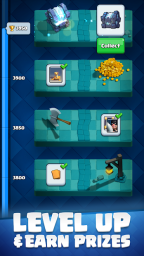
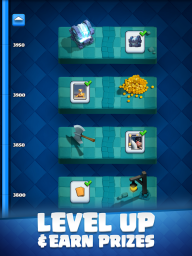
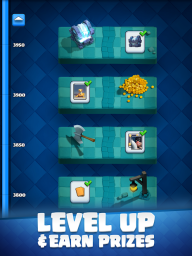
Arenas give Clash Royale a clear sense of progression. Winning trophies moves players upward, unlocks new cards, and changes the visual setting around the competition. Google Play describes progressing to new Arenas to unlock powerful new cards for the collection. This gives players a simple ladder fantasy: climb, unlock, upgrade, improve, and prove that the deck can survive stronger opponents.
I think Arenas are useful because they make progress easy to understand. Even if a player is not deeply invested in ranked systems, moving into a new Arena feels like a milestone. It also gives the game a better early rhythm, because new cards arrive gradually instead of overwhelming beginners with the full card pool at once.
Clans Add a Social Layer Without Overcomplicating the Core
Clans are important because Clash Royale can otherwise feel like a series of isolated duels. Google Play mentions joining a clan to share cards and battle in Clan Wars for rewards. That social layer gives players a reason to return beyond personal trophies. A clan can help with card requests, friendly battles, advice, and shared progress.
I like the clan system most when it supports learning. Friendly battles are a great way to test decks without the emotional cost of losing trophies. Card sharing can help progression feel less lonely. Clan Wars add group stakes. The feature does not replace the core 1v1 arena, but it makes the game feel more connected.
League Play and Global Tournaments Give Competitive Players a Goal
For players who want more than casual ladder matches, Clash Royale offers competitive structures. Google Play describes battling through multiplayer PvP League games and Global Tournaments for rewards and glory. These modes matter because they give strong players somewhere to push after the basic Arena climb becomes familiar.
I appreciate that Clash Royale can be played casually or seriously. A casual player can enjoy opening chests, upgrading cards, and playing short sessions. A competitive player can study matchups, follow balance changes, enter tournaments, and chase high-level ladder results. The same game supports both habits, even though the emotional pressure is very different.
-
League play gives long-term players a competitive ladder goal;
-
Global Tournaments create event-based pressure and rewards;
-
Friendly battles help players practice without trophy risk;
-
Competitive modes reveal how deep the card interactions can become;
The Visual Style Keeps Strategy Readable
Clash Royale uses a bright, cartoonish style that fits the Clash universe, but its biggest visual strength is readability. Cards drop quickly, troops are recognizable, spells have clear effects, and towers communicate damage immediately. In a real-time strategy-card hybrid, visual clarity is essential. If I cannot read what is happening instantly, the match becomes frustrating.
I like how the art style makes the game feel playful even when the strategy is intense. A Baby Dragon, Hog Rider, Skeleton Army, Princess, Knight, or Goblin Barrel can be understood visually almost immediately. The game’s personality helps soften the competitive stress. Losing a tower is painful, but the world still looks silly enough that the pressure does not become too heavy.
The Sound Design Makes Every Move Feel Punchy
Sound plays a bigger role than it first seems. Card drops, troop attacks, tower hits, spell impacts, crowd sounds, and victory cues all help the match feel alive. A Rocket landing, a tower falling, or a sudden swarm hitting the field creates instant feedback. That feedback keeps the small arena feeling energetic.
I think the audio also helps players understand momentum. A tower under pressure sounds urgent. A spell impact feels decisive. The final seconds become louder emotionally because the game uses sound to push tension. The effects are exaggerated, but that exaggeration fits the mobile format.
Card Upgrades Are Satisfying, but They Create Friction
Upgrading cards is one of the main progression hooks. It feels good to improve a favorite deck, strengthen a win condition, and see cards become more reliable. The problem is that upgrades can also create frustration, especially when card levels affect matchups. Strategy matters, but progression can influence how fair a battle feels.
This is the classic tension in Clash Royale. The collection system gives long-term goals, but competitive balance feels best when players believe skill is the main factor. I enjoy upgrades when they feel like steady progress. I enjoy them less when I feel stuck because a key card is underleveled compared with opponents on ladder.
-
Upgrades give players long-term collection goals;
-
Improving favorite cards makes deck identity feel stronger;
-
Level differences can make some ladder matches feel uneven;
-
Competitive formats with fixed levels can feel cleaner for pure strategy;
Seasonal Updates Keep the Game Alive
Clash Royale is a live-service game, and that means it keeps changing. Supercell’s June 2026 update included a new Evolution for Princess, a new Hero Tombstone, a new game mode called Princess Gambit, a new event called Victory Run, and progression changes. Earlier in 2026, Supercell also added Quickplay QR-code friendly battles with modes such as 1v1, 3x Elixir and Sudden Death capped at Level 11.
This update rhythm is important because the game has been around for years. New cards, Evolutions, modes, events, and balance changes help prevent the meta from becoming completely frozen. The downside is that returning players may feel slightly lost after long breaks. A deck that once felt safe can suddenly need changes because the environment has moved on.
Balance Changes Can Make or Break the Mood
Balance is central to Clash Royale because small changes can reshape the meta. A buff can revive an ignored card. A nerf can weaken a popular deck. A rework can force players to rebuild habits. For competitive players, these updates are exciting. For casual players, they can be confusing or annoying if a favorite deck suddenly performs worse.
I think regular balance attention is necessary for a game like this. Without it, dominant decks would make the ladder stale. But balance changes also remind players that Clash Royale is never completely stable. It is a living game, and living games ask players to adapt even when they liked things the old way.
Events Add Variety Beyond Standard Ladder
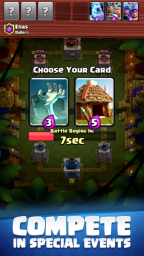
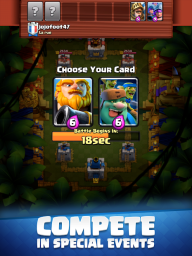
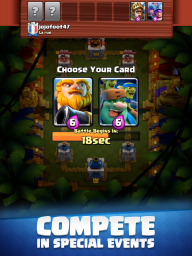
Events help Clash Royale escape the feeling of endless ladder matches. Special modes, limited-time rules, seasonal challenges, and unusual formats can make familiar cards behave in new ways. Google Play mentions seasonal events and the chance to unlock new season items such as tower skins, emotes and magic items with the Season Pass.
I enjoy events most when they let the game be playful. A strange modifier or unusual deck-building rule can make me use cards I normally ignore. That is healthy for a game where players can become too attached to one deck. Events remind me that Clash Royale can be experimental, not only competitive.
-
Seasonal events create reasons to return beyond ladder climbing;
-
Special modes encourage players to try unfamiliar cards;
-
Emotes and tower skins add cosmetic personality;
-
Event rewards can make short sessions feel more purposeful;
The Game Is Easy to Learn and Hard to Stay Calm In
Clash Royale’s emotional design is intense. Because matches are short and mistakes are obvious, frustration arrives quickly. Losing a tower because I overcommitted feels personal. Watching an opponent win with one final spell can be maddening. Getting hard-countered by a deck that seems built to punish mine can test patience.
That emotional pressure is part of the appeal, but it is also a warning. Clash Royale is best when I treat losses as information. What did the opponent punish? Did I waste a spell? Did I push without elixir? Did I defend too expensively? When I think that way, the game becomes a learning loop. When I only chase trophies, it can become stressful fast.
The Monetization Is Present in the Progression Loop
Clash Royale is free-to-play, and that makes it easy to try. But the progression system includes cards, upgrades, chests, passes, cosmetics, and limited-time rewards. Google Play mentions season pass items including tower skins, emotes and magic items, which shows how the game blends progression and monetization into the live-service structure.
I do not think spending is required to enjoy the basic strategy, especially in modes where levels are equalized. But progression can feel slower if a player wants to upgrade many decks. The best way to enjoy Clash Royale is to focus on learning cards, improving decision-making, and building one or two reliable decks before chasing every new option.
The Best Matches Feel Like Tiny Mind Games
Clash Royale is at its best when both players understand each other’s plans and start predicting moves. If I know the opponent has a building, I may bait it before using my win condition. If I know they are holding a spell, I may spread out troops. If they know I rely on one defensive card, they may pressure when it is out of cycle. That invisible layer is where the game becomes excellent.
I love when a match feels like a sequence of reads. The arena is small, but the psychological space is large. A player can bluff pressure, punish a cycle mistake, hide a card until the final minute, or save a spell for the exact moment the opponent thinks they are safe. Those moments make Clash Royale much deeper than it looks.
Where Clash Royale Feels Most Effective
Clash Royale feels most effective when a match is balanced on one decision. A perfectly timed defense, a smart counterpush, a spell saved for the final second, or a split-lane pressure play can turn the result. The game’s genius is that these moments happen inside a very small structure. Nothing feels wasted. Every card matters because the deck has only eight slots and the arena punishes carelessness.
The game also succeeds because it is built for mobile without feeling shallow. It respects short sessions, touch controls, and quick matchmaking, but it still offers real strategic depth. That combination is rare. Many mobile games are accessible but thin. Clash Royale is accessible, sharp, and emotionally dangerous in the best and worst ways.
Where Clash Royale Feels Less Strong
The biggest weakness is frustration around progression, matchmaking, and card levels. Losing to a better player is one thing. Losing because an opponent’s cards feel stronger can be much more annoying. The game’s strategy is strongest when both sides feel like they are fighting on equal terms.
The live-service structure can also feel tiring. New updates, events, balance changes, passes, Evolutions, and meta shifts keep the game alive, but they can also make it feel like there is always something else to chase. Clash Royale is great when played with focus. It becomes stressful when every trophy, reward, and season goal feels urgent.
Pros
- Brilliant real-time card battle format that is easy to learn and strategically deep
- Short mobile matches create strong tension without requiring long sessions
- Deck building, elixir management, card rotation, and tower defense create meaningful decisions
- Clans, friendly battles, League play, Global Tournaments, and events add long-term variety
- Regular updates, new modes, card Evolutions, balance changes, and seasonal rewards keep the game active
Cons
- Card levels and upgrade progression can make some ladder matches feel uneven
- Free-to-play systems, passes, chests, cosmetics, and limited-time rewards can create spending pressure
- Losses can feel frustrating because small mistakes are punished very quickly
- Balance changes may weaken favorite decks and force players to adapt often
- The live-service structure can feel tiring for players who prefer a finished, stable strategy game