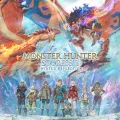
Monster Hunter Stories 3 feels like the point where the Stories branch of Monster Hunter stops behaving like a smaller companion series and starts carrying itself with the confidence of a full fantasy RPG. I came to it expecting the familiar pleasure of bonding with monsters, hatching eggs, exploring colorful regions, and using turn-based battles instead of traditional hunting action. What surprised me most was how much more dramatic and politically charged the adventure feels this time. It still has the warmth of raising monsties, but it also places that bond inside a world divided by fear, environmental disaster, and old wounds between kingdoms.
What I enjoyed immediately is how different this experience feels from mainline Monster Hunter while still belonging to the same universe. I am not simply tracking creatures, studying attack patterns, and crafting gear after tense real-time fights. I am becoming a Rider, forming bonds with monsters, building a party, reading enemy tendencies, and treating each creature as a partner rather than only a target. That shift gives Monster Hunter Stories 3 a very different emotional texture. It is still about monsters, but the heart of the game is companionship.
A Brighter RPG Lens on a Dangerous Monster World
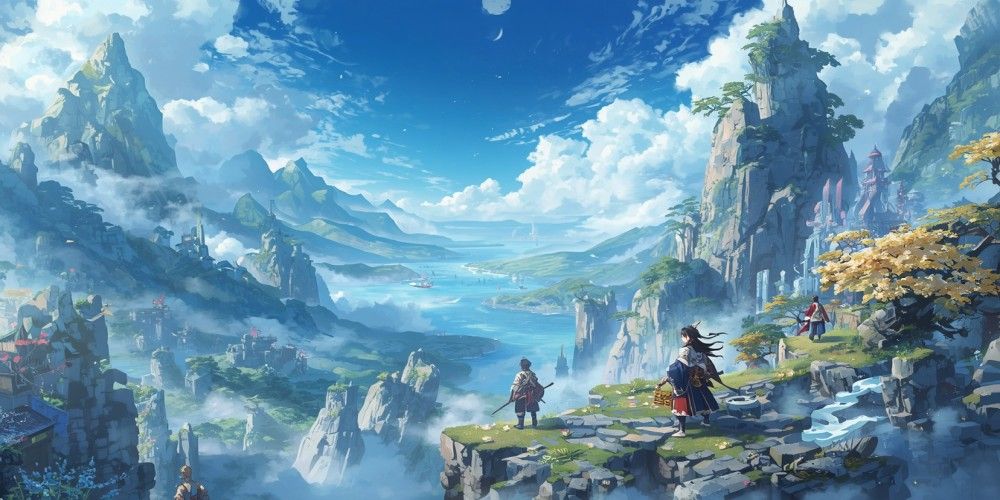
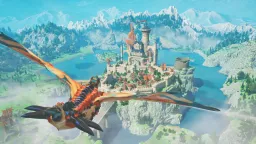
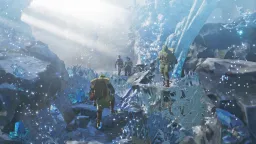
The visual style of Monster Hunter Stories 3 keeps the series’ colorful RPG identity while giving the world more scale and drama. The environments feel adventurous rather than grim. Fields, towns, monster dens, ruins, coastlines, cliffs, and fantasy kingdoms all carry that animated storybook quality that separates Stories from the heavier tone of mainline Monster Hunter.
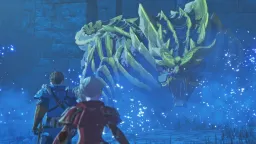
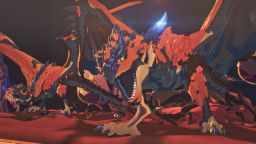
I like how the game uses familiar monster designs in a softer but still impressive way. Rathalos, Zinogre, Mizutsune, Tigrex, Nargacuga, and other creatures can feel fierce in a traditional hunt, but as monsties they also become expressive partners. Their designs still have power, claws, wings, armor, tails, and elemental personality, but the RPG framing makes me see them differently.
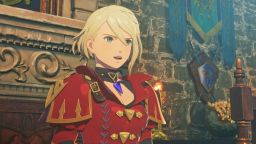
The setting around Azuria and Vermeil gives the game a stronger dramatic frame than a simple monster-collecting adventure. Two countries facing destruction, a mysterious crisis, and the appearance of Rathalos connected to fate give the story a clear sense of urgency. The world is bright, but it is not weightless.
The Rider Fantasy Is the Main Emotional Hook
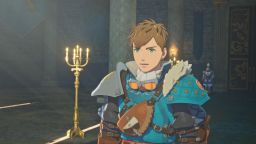
The main character works best as a Rider because the role changes my relationship with the Monster Hunter universe. Instead of entering the world mainly as a hunter, I step into a tradition built around trust. That makes every egg, every new monstie, and every battle feel more personal.
I enjoy how the Rider identity turns collection into companionship. A new monster is not only a unit with stats. It is a creature I raise, name, train, ride, and bring into battle. That creates a sense of attachment that ordinary loot progression cannot fully replace.
The Rider also gives the story a useful contrast with political conflict. When kingdoms argue, fear spreads, and monsters become symbols of danger, the Rider stands for another possibility: coexistence. That theme has always been central to Stories, but in Monster Hunter Stories 3 it feels larger because the stakes around the twin Rathalos and the two nations make trust feel politically dangerous as well as emotionally meaningful.
Twin Rathalos Give the Story a Strong Mythic Center
The twin Rathalos concept gives Monster Hunter Stories 3 a powerful central image. Rathalos has always been one of the defining monsters of the franchise, so building the story around a species thought to be extinct immediately creates mystery and tension. The official premise points to an egg discovered when hope seems lost, with a Rathalos inside despite the species being believed gone.
I like this setup because it makes the monster at the center of the story feel more than collectible. A Rathalos is already iconic, but twin Rathalos suggest fate, reflection, division, and balance. That fits the subtitle Twisted Reflection well. The monsters feel tied to the world’s larger conflict rather than simply appearing because the franchise needed a recognizable mascot.
The best part of this idea is how it connects personal bonding with mythic consequence. Raising or protecting a legendary monstie is exciting on its own, but when that creature represents fear, hope, and political tension, every story beat around it feels more important.
Turn-Based Combat Makes Monster Knowledge Feel Different
Combat in Monster Hunter Stories 3 keeps the turn-based RPG identity of the sub-series, which means battles feel more like reading patterns than reacting with twitch timing. I enjoy this because it translates Monster Hunter’s creature knowledge into another language. Instead of dodging a tail sweep in real time, I am predicting attack types, choosing the right response, and planning my team’s actions.
The rock-paper-scissors structure of Power, Speed, and Technical attacks gives battles a clear foundation. It is easy to understand, but it becomes more interesting when monsters change patterns, use special moves, or force me to adapt. A good fight feels like a memory test, a strategy puzzle, and a monster duel at the same time.
I especially like when the game makes me feel that I am learning a creature’s personality. A monster that favors direct Power attacks feels different from one that uses tricky Technical moves or fast Speed pressure. That personality matters because predicting correctly can turn a dangerous exchange into a satisfying advantage.
Monstie Collection Gives Exploration a Constant Reward
Egg hunting remains one of the most addictive parts of the Stories formula. Exploring dens, searching nests, finding rare eggs, and wondering what will hatch creates a strong loop. I like that sense of anticipation. Even before a new monstie joins the party, the egg itself already feels like a promise.
What makes this system work is that each monster can change how I explore and fight. A new monstie may bring a different riding action, elemental strength, combat role, or gene setup. That means collection is not only about filling a list. It changes what my team can do.
The hatching process also gives the game a softer emotional rhythm between battles. After fighting through dangerous spaces, returning with an egg and seeing what comes out feels rewarding in a quieter way. It gives the adventure a cycle of risk, discovery, and care.
Team Building Has More Personality Than Standard Party Management
Building a team in Monster Hunter Stories 3 is satisfying because every party member is a monster with a clear identity. I am not only comparing numbers. I am thinking about attack tendencies, elemental strengths, riding actions, kinship skills, genes, and how each creature fits my preferred style.
I enjoy having a balanced group. One monstie may be great for raw pressure, another for speed, another for elemental coverage, and another for exploration utility. The team starts to feel like a traveling stable of partners rather than a set of interchangeable RPG units.
The gene and progression systems add deeper customization. I can strengthen favorite monsties, adjust builds, and make certain creatures more useful for longer than their first appearance might suggest. That matters because attachment is part of the point. I do not want to replace every companion the second a higher number appears. I want my favorites to remain viable through smart investment.
Exploration Feels Better When Monsters Change the Map
One of the pleasures of Monster Hunter Stories is riding monsters through the world, and Stories 3 continues to benefit from that fantasy. A monstie is not only a battle partner. It is also a mount, a tool, and a way to interact with the environment. Jumping, flying, swimming, climbing, breaking obstacles, or reaching hidden areas makes the world feel connected to the creatures I raise.
I like when exploration abilities give me reasons to return to older areas. A place that seemed fully explored can suddenly contain a new path once I bring the right monstie. That structure makes the world feel layered without requiring a completely open-ended design.
The best exploration moments happen when the game rewards curiosity. A hidden nest, rare material, chest, side route, or environmental clue can turn a simple trip into something useful. Monster Hunter Stories 3 works best when riding through the world feels like part of the adventure rather than only a way to move faster.
The Story Has More Political Weight Than I Expected
The conflict between Azuria and Vermeil gives the game a larger narrative stage. Instead of focusing only on a personal journey, Monster Hunter Stories 3 places the Rider within a troubled world where nations, fear, tradition, and disaster all collide. Capcom’s announcement framed the game around the two countries and a crisis threatening both, which gives the adventure a broader dramatic direction.
I liked this added weight because it gives the bond with monsters more consequence. In a divided world, trusting a monster can become a statement. Protecting a Rathalos can become political. Helping people understand monsties can become more difficult when fear and survival pressure shape everyone’s decisions.
The story works best when it balances big kingdom conflict with smaller character moments. Large threats create urgency, but the heart of Stories is still the bond between Rider and monstie. When the game remembers that, the political drama supports the emotional core instead of drowning it out.
Music and Monster Animation Give the Adventure Warmth
The presentation helps Monster Hunter Stories 3 feel lively. Monster animations are especially important because they need to communicate both power and companionship. A monstie should look strong in battle, but also expressive enough outside combat to feel like a partner. When the animation finds that balance, the game becomes much more charming.
I enjoy the way kinship skills turn battles into dramatic little performances. These moments are flashy, colorful, and emotionally satisfying because they show the Rider and monstie acting together. They are not just special attacks. They are visual proof of the bond the game keeps talking about.
The music gives the adventure a classic RPG feeling. Calm town themes, exploration tracks, tense battle music, and dramatic story moments all help shape the journey. Monster Hunter already has a strong musical identity, and the Stories branch uses that identity in a more emotional, character-driven way.
Where Monster Hunter Stories 3 Feels Strongest and Where It May Divide Players
Monster Hunter Stories 3 feels strongest when the monster-bonding fantasy, turn-based combat, and exploration loop all support each other. I hatch a monstie, build a team, learn enemy patterns, ride through the world, uncover new areas, and grow attached to the creatures traveling with me. That loop is warm, strategic, and easy to return to.
It may divide players who come directly from mainline Monster Hunter expecting action-heavy hunts. Stories 3 is not about precision dodging, weapon combos, or real-time boss pressure. It is an RPG about prediction, party building, collection, and narrative adventure. I think it works beautifully on those terms, but it requires accepting a very different pace.
The game also carries some familiar RPG friction. Egg hunting, gene optimization, leveling, and team planning can become repetitive if I chase perfect builds too aggressively. I enjoy the systems most when I let myself bond with favorite monsties instead of treating every creature as a spreadsheet problem.
Pros
- Egg hunting and hatching create a satisfying discovery loop
- Team building feels personal thanks to monstie identities and genes
- Exploration benefits from riding actions and monster-based traversal
- Azuria and Vermeil conflict adds more political weight to the adventure
- Colorful art direction and kinship animations give battles charm and energy
Cons
- Egg farming can slow the story rhythm when chasing rare monsties
- Some RPG progression systems may feel grind-heavy over long sessions