Knighthood feels like a mobile RPG that puts a bright, oversized gauntlet on the fantasy hero formula and asks me to punch my way through monsters, loot, upgrades, and heroic ambitions. I went into it expecting a simple knight-themed battler, but the game has more personality than that. It mixes turn-based combat, collectible heroes, equipment progression, colorful medieval fantasy, and a strong sense of forward motion into something that feels easy to start and surprisingly sticky once the upgrade loop gets moving.
What I liked first was how direct the game feels. Knighthood does not make me wait too long before I am fighting, collecting, improving gear, or moving toward the next challenge. It understands the rhythm of mobile play: short sessions, clear goals, visible rewards, and enough character style to make the world feel more alive than a plain menu-based RPG. I can play a few battles, upgrade a weapon, check a hunt, adjust my heroes, and still feel like I made progress.
A Bright Fantasy World With Comic-Book Muscle
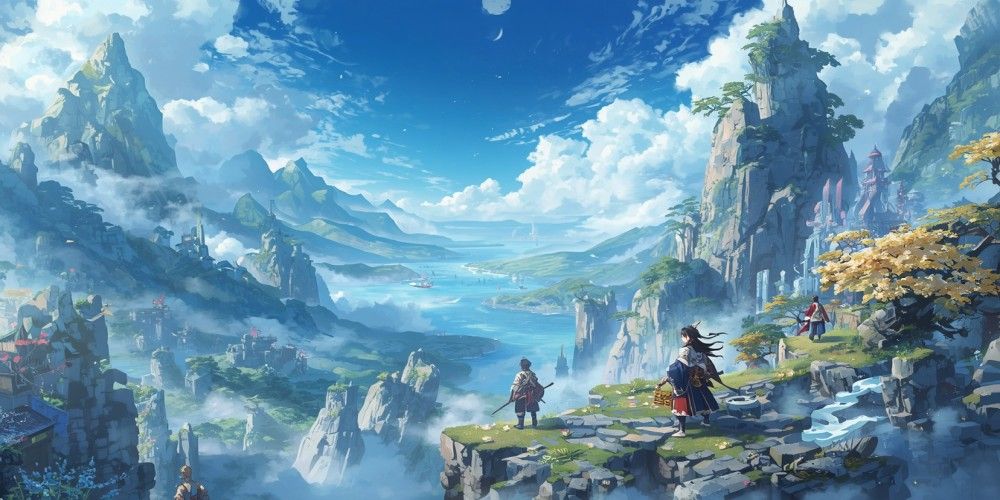
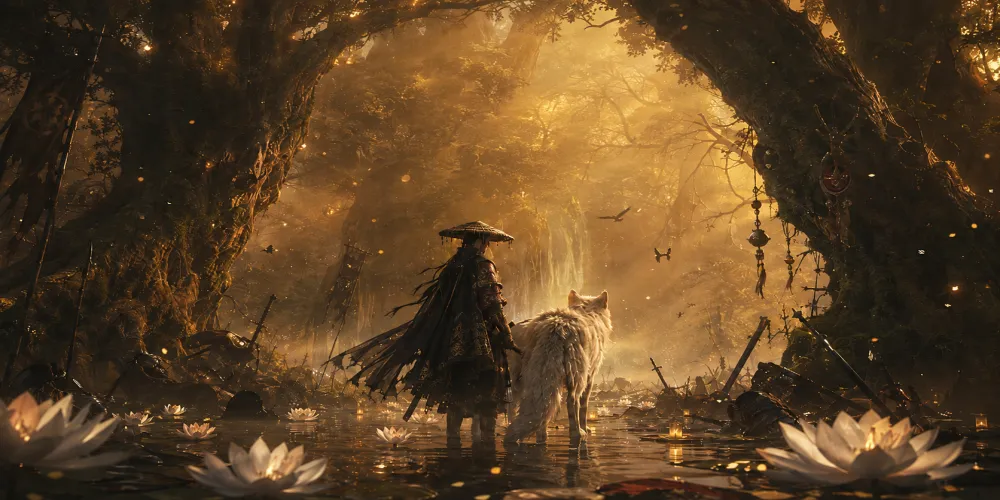
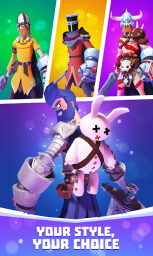
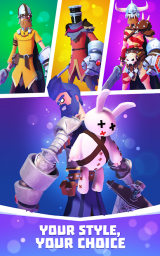
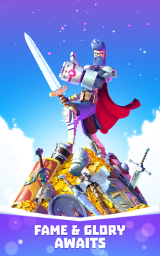
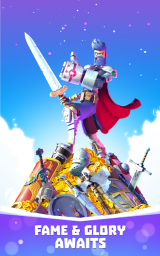
The aesthetic of Knighthood immediately stands out because it does not chase grim realism. The game has a bold, stylized fantasy look with chunky armor, dramatic enemies, glowing effects, and characters who feel slightly larger than life. It looks like a medieval adventure filtered through a mobile-friendly comic-book lens, and that gives it a confident visual identity.
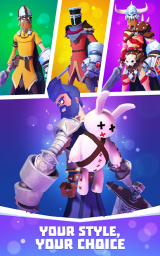
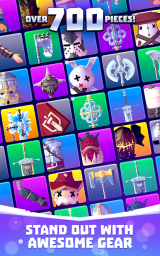
I enjoy how readable the designs are. Knights, monsters, weapons, armor sets, and heroes all have clear silhouettes, which matters during quick battles. The world feels colorful without becoming childish, and the exaggerated style helps every upgrade feel visible. When I change equipment, my knight looks different enough for the improvement to feel satisfying.
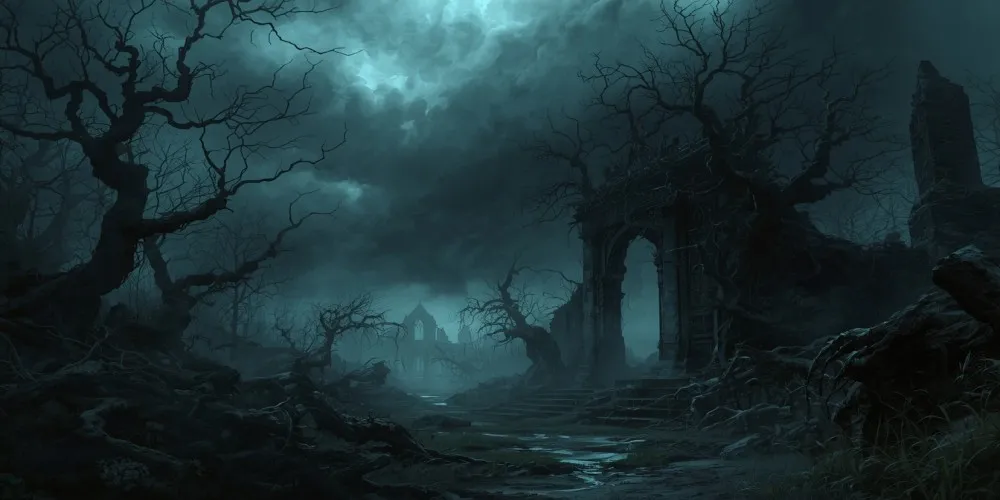
The fantasy environments also support the feeling of progression. Each area gives me the sense that I am moving through a larger land rather than repeating the same empty arena. Forests, roads, ruins, camps, and enemy-filled routes give the adventure a board-game-like rhythm. The world is not an open landscape to freely wander, but it has enough visual variety to make the campaign feel like a journey.
The Rage Knight Is My Personal Hero Project
The main character in Knighthood is not a fixed hero with one rigid identity. The knight becomes my own project, shaped through equipment, upgrades, cosmetics, and combat decisions. That makes the game feel more personal than a standard RPG where I only watch a named protagonist follow a script.
I liked how the knight’s identity comes from the build. A new helmet, stronger armor, a better weapon, or a different gauntlet setup changes how I see the character. The customization does not turn the game into a deep role-playing simulator, but it gives me enough ownership to care about improvement.
The Rage Gauntlet is especially important because it gives the character a signature. Instead of being only another sword-and-shield warrior, my knight has a powerful artifact that makes punching enemies feel central to the combat style. That one detail gives the game a more memorable personality than a generic medieval battler.
Combat Feels Simple, Punchy, and Carefully Paced
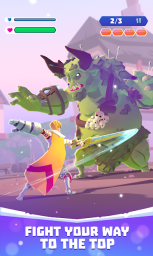
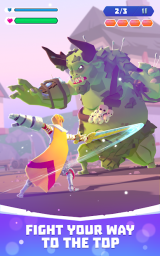
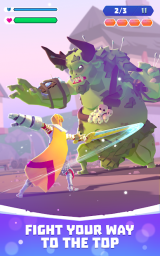
The combat system is turn-based, but it has a lively rhythm. I choose attacks, use the gauntlet, call on heroes, manage enemy threats, and decide when to spend stronger abilities. The battles are not slow in the way some mobile RPGs can be. They feel snappy and physical, partly because the animations have strong impact.
I enjoy the choice between weapon attacks and gauntlet punches. It gives each turn a little tactical texture. Sometimes I want direct weapon damage. Sometimes I want to build toward hero powers. Sometimes I need to finish a weaker enemy quickly before it creates trouble. The decisions are simple, but they keep battles from becoming fully automatic.
The best fights happen when enemy types force me to think about order and timing. I pay attention to which opponents are about to attack, which hero ability will help most, and whether my current gear matches the threat. Knighthood is not the deepest tactical RPG I have played, but it gives enough choices to make victories feel earned.
Heroes Add Personality and Strategy to Every Fight
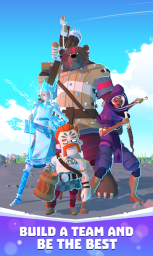
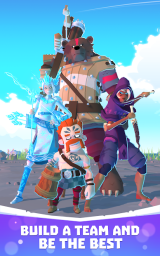
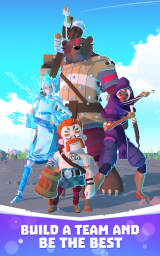
The hero system gives Knighthood much of its flavor. Heroes are not only decorative companions. They support the knight with abilities, damage types, healing, control, or situational advantages. Choosing the right pair can change how a battle feels, especially when enemies become tougher.
I like how heroes create a collection layer without completely replacing the knight. My character remains central, but the heroes add variety and tactical identity. A strong support hero can make difficult fights safer. A damage-focused hero can help clear enemies quickly. A more specialized hero may become useful against specific enemy groups.
The hero designs also add charm to the world. They make the setting feel populated by legendary figures, strange allies, and fantasy personalities rather than just faceless upgrade cards. When a hero ability lands at the right moment, it feels like calling in a trusted companion rather than simply pressing a bonus button.
Gear Progression Is the Main Long-Term Hook
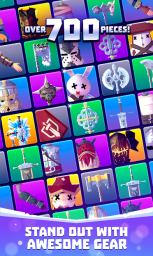
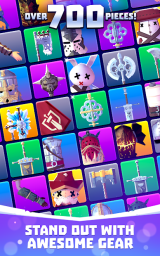
Knighthood understands the appeal of gear. Weapons, armor, rarity, upgrades, crafting, and resource gathering create a constant reason to keep playing. I often found myself checking whether a new item was worth investing in, whether my current setup matched the enemies ahead, or whether I needed to farm materials before pushing forward.
The equipment loop works because the results are visible. Better gear does not only increase numbers; it also changes the appearance and mood of the knight. That visual feedback makes upgrades more satisfying. I want my character to look stronger as well as perform better.
At the same time, gear progression can become demanding. As the game continues, resources matter more, upgrade decisions become more important, and the pace can slow down if I need specific materials. I enjoy the long-term structure, but I also notice when progression begins to feel more like routine farming than heroic momentum.
The Campaign Gives the Adventure a Clear Path
The campaign structure is easy to follow, and that helps Knighthood work well on mobile. I move from battle to battle, unlock new areas, meet stronger enemies, and gradually expand my options. The game gives me a steady sense of direction without requiring long sessions.
I like how each completed encounter feels like a small step forward. Even if a battle is short, it contributes to a larger chain of progress. This makes the game comfortable to play in pieces. I can finish a few stages and still feel like I am moving through the world.
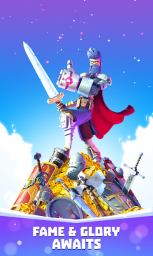
The story is not the main reason I play, but it gives enough context to support the fantasy. The idea of proving myself as a knight, facing corrupted threats, and building strength through trials fits the structure well. It does not need to be overly complex because the main pleasure comes from combat and progression.
Mobile Design That Rewards Daily Attention
Knighthood has the rhythm of a live mobile RPG. There are tasks to complete, resources to gather, hunts to run, enemies to challenge, rewards to claim, and upgrades waiting for enough materials. This gives the game a strong daily structure.
I appreciate that short sessions can still feel useful. I do not always need to play for a long time to make progress. A few battles, a quick upgrade, or a completed activity can move my account forward. That makes the game easy to fit into a routine.
The downside is that the same structure can make the game feel busy. Menus, currencies, timers, and upgrade paths can become a lot to track. I enjoy the feeling of steady progress, but I prefer when the game keeps that progress clean rather than burying it under too many systems at once.
Style and Animation Make Attacks Feel Satisfying
One of the strengths of Knighthood is how good the combat feedback feels. Attacks have weight, hero abilities have flair, and the gauntlet gives battles a strong physical identity. The game could have been a static turn-based menu, but instead it tries to make every hit feel animated and energetic.
I especially like the impact of gauntlet attacks. They give the knight a sense of brute heroic force without making the game look too serious. Weapon swings, enemy reactions, and ability effects add to the feeling that battles are quick fantasy showdowns rather than slow stat exchanges.
The sound design supports this well. Hits, ability activations, victory moments, and menu rewards all have clear feedback. It is the kind of mobile RPG presentation that keeps small actions satisfying, which matters because the game asks me to repeat many of them over time.
Where Knighthood Feels Strongest and Where It Slows Down
Knighthood feels strongest when the campaign is moving, upgrades are arriving, and combat choices are just demanding enough to keep me engaged. The game has a confident loop: fight, collect, improve, customize, and try a harder challenge. When that loop is flowing, it is very easy to keep playing.
It slows down when progression becomes more resource-heavy. Like many free-to-play RPGs, Knighthood can reach points where patience, farming, or careful upgrade planning matter more than the early rush of discovery. That does not ruin the game, but it changes the mood from adventure to management.
For me, Knighthood works best as a stylish mobile RPG I can return to regularly rather than a game I try to rush through in long sessions. Its charm comes from building a knight over time, testing new heroes, improving equipment, and enjoying the satisfying rhythm of bright fantasy combat.
Pros
- Stylized fantasy visuals give the game a strong and memorable identity
- Turn-based combat feels quick, punchy, and easy to understand
- Rage Gauntlet gives the knight a distinctive combat personality
- Gear upgrades make progression visible and satisfying
Cons
- Some activities can become repetitive during longer play periods
- Free-to-play structure may create waiting or resource pressure
- Story is functional but not the main attraction