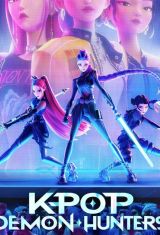
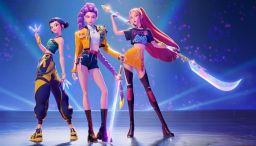
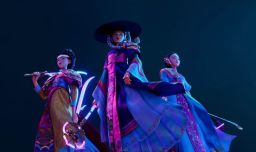
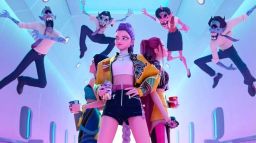
KPop Demon Hunters sounds like a title someone made by combining three things the internet already loves: K-pop idols, supernatural action, and characters stylish enough to sell out both a stadium and a secret battle arena. The surprise is that the concept actually works. The movie takes the polished performance world of pop stardom and gives it a second life underneath the stage lights, where Rumi, Mira, and Zoey are not only members of a superstar girl group but also protectors fighting supernatural threats. It is flashy, musical, funny, emotional, and very aware that fandom can feel like its own kind of magic.
The Product List Places It as a Movie Title
Your product list marks KPop Demon Hunters as an active Movies & TV Shows entry with a Movie type and a JustWatch link for the United States. That fits the current public availability: JustWatch US lists K-Pop Demon Hunters as streaming on Netflix and Netflix Standard with Ads.
I would write the title as KPop Demon Hunters because that is how Netflix and Sony Pictures Animation present it publicly. The product-list entry uses the same core name, and the JustWatch link points to the same movie. For SEO, the title has a strong built-in hook because users are likely searching for the Netflix film, the soundtrack, the characters, HUNTR/X, Saja Boys, or the songs.
-
The uploaded list marks KPop Demon Hunters as active;
-
The category is Movies & TV Shows, with Movie as the type;
-
The linked JustWatch page points to the Netflix movie;
-
The strongest search intent is around Netflix, HUNTR/X, Saja Boys, songs, and characters;
The Premise Is Instantly Understandable
Sony Pictures Animation describes the movie around K-pop superstars Rumi, Mira, and Zoey, who use secret identities as demon hunters when they are not selling out stadiums. The same official page says they must face their biggest enemy yet: an irresistible rival boy band of demons in disguise.
I like how clean that premise is. The movie does not need ten minutes of explanation before the audience understands the appeal. Pop stars by day, supernatural protectors by night. Fans to protect. Music to perform. Demons to expose. A rival boy band to make things dramatically worse and aesthetically better. It is a bright, simple engine for both comedy and action.
Rumi, Mira, and Zoey Give the Film Its Core Energy
Netflix Tudum identifies the central trio as Rumi, Mira, and Zoey, with Rumi voiced by Arden Cho, Mira by May Hong, and Zoey by Ji-young Yoo. Netflix’s plot description frames them as K-pop superstars who protect their fans from supernatural danger while facing a rival demon boy band.
I enjoy the trio because the movie’s appeal depends on chemistry. A pop group cannot feel convincing if the members seem like three unrelated character designs standing near each other. Rumi, Mira, and Zoey need to feel like performers, friends, teammates, rivals, and protectors all at once. The best parts of the film are where those identities overlap: a performance can feel like a battle, and a battle can feel choreographed like a music video.
-
Rumi gives the story emotional weight and leadership tension;
-
Mira brings style, attitude, and group dynamic friction;
-
Zoey adds energy, personality, and fan-friendly charm;
-
The trio works because pop-group chemistry and action-team chemistry support each other;
The HUNTR/X Concept Is a Strong Pop-Fantasy Hook
The fictional girl group HUNTR/X became one of the movie’s defining ideas, with the story building its identity around idols whose public performances and secret missions are connected. Netflix’s soundtrack coverage discusses HUNTR/X songs and character-driven music, including Rumi’s internal conflict through lyrics and performance.
I like HUNTR/X because it gives the movie a brand inside the story. They are not just characters who happen to sing. They feel like a group with visuals, choreography, fan energy, songs, and mythology. That makes the movie more immersive. It becomes easy to imagine fans buying lightsticks, learning dances, arguing about bias lists, and defending their favorite member online with the intensity of medieval knights.
The Saja Boys Are the Perfect Rival Threat
Netflix describes the main threat as a rival boy band of demons in disguise, and that is exactly the kind of opponent this premise needs. A normal monster would be fine. A secret demon boy band is better because it attacks the heroes through the same world they dominate: fandom, performance, attraction, image, and stage presence.
I think the Saja Boys work because they are not just physically dangerous. They are tempting. They understand performance. They understand attention. They can steal fans, manipulate image, and make evil look marketable. That turns the rivalry into more than a fight. It becomes a battle for audience loyalty, public perception, and emotional influence.
-
The Saja Boys mirror the heroes through idol culture;
-
Their disguise lets the movie mix charm with danger;
-
The rivalry gives the musical numbers extra narrative pressure;
-
The best conflict is not only physical, but also emotional and cultural;
The Music Is More Than Decoration
Netflix Tudum has covered the film’s soundtrack in detail, including songs tied to character identity, group conflict, and supernatural stakes. Its soundtrack guide explains how lyrics and performance reveal Rumi’s hidden struggle, especially as she faces parts of herself that cannot stay hidden.
I like when an animated musical uses songs as story tools rather than commercial pauses. KPop Demon Hunters works best when a track tells us something about the characters: confidence, fear, ambition, secrecy, unity, or rivalry. The music is not simply there to sound good, although that definitely helps. It is there because pop performance is part of how this world fights, hides, and confesses.
“Golden” Became the Movie’s Signature Moment
Coverage around the movie’s music has treated “Golden” as the breakout track, with Netflix Tudum publishing a feature on the song’s story and cultural impact. The song became closely associated with the emotional and fan-driven identity of the film, especially because it connects the glamour of the group with deeper character stakes.
I understand why a song like that matters. A movie musical needs at least one track that feels bigger than the scene it appears in. It needs a song fans replay, quote, cover, rank, and emotionally overuse in edits. “Golden” fills that role because it sounds like both a pop anthem and a character statement. That is the ideal combination for a film built around idols who are also supernatural protectors.
-
The soundtrack helps the movie feel like a real pop-culture object;
-
Character songs deepen emotional stakes beyond action scenes;
-
“Golden” functions as a major identity track for the film;
-
The music gives fans something to revisit after the credits;
The Animation Style Fits the Performance Fantasy
Sony Pictures Animation lists KPop Demon Hunters as one of its projects and identifies Maggie Kang and Chris Appelhans as directors, with Michelle Wong as producer. That studio context matters because the movie needs expressive action, stylish character design, concert energy, and fantasy spectacle all working together.
I like how animation lets the film exaggerate both sides of the premise. Concert stages can feel enormous. Choreography can slide naturally into combat. Magical effects can look like lighting design. Demonic threats can be frightening without breaking the pop-fantasy tone. A live-action version might collapse under the weight of its own concept, but animation gives this story room to sparkle, spin, and punch through the ceiling.
The Movie Understands Fandom as Power
The plot is built around idols protecting their fans from supernatural danger, which is a clever emotional reversal. Fans usually protect idols through loyalty, streaming, voting, defending, and showing up. Here, the idols protect fans literally. That gives the relationship between performer and audience a fantasy upgrade.
I like this because K-pop fandom is already highly organized, emotional, and participatory. The movie can exaggerate that relationship without inventing it from nothing. Lightsticks, chants, edits, bias culture, fan wars, comeback anticipation, and parasocial intensity all fit naturally into a story where attention itself feels powerful.
-
The movie turns idol-fan loyalty into supernatural stakes;
-
Concert energy becomes part of the action language;
-
Fandom is treated as emotional fuel, not just background noise;
-
The story works because pop culture and fantasy are tightly connected;
The Comedy Comes From Double Lives
The double-life setup gives the film an easy source of comedy. The girls have to manage image, rehearsals, fans, songs, and performance schedules while also handling supernatural danger. That is already funny because idol life is exhausting even before secret demon battles are added to the calendar.
I enjoy the contrast between polished public image and chaotic secret responsibility. A character can go from stage-ready perfection to battle panic in seconds. A comeback schedule can become a mission timeline. A rival group can be both chart competition and existential threat. The movie gets a lot of energy from treating fame as both glamorous and ridiculous.
The Cast Gives the Film a Strong Voice Identity
Netflix’s official title page lists Arden Cho, Ahn Hyo-seop, and Ken Jeong among the cast, while Netflix Tudum identifies the main trio and plot. Entertainment Weekly’s cast guide also highlights a broader voice lineup including May Hong, Ji-young Yoo, Yunjin Kim, Lee Byung-hun, Daniel Dae Kim, and others.
I like the cast mix because the movie needs different tones: idol charisma, comic timing, emotional vulnerability, supernatural menace, and mentor energy. A story this stylized can become shallow if the voices do not ground it. The best performances make the characters feel like more than music-video avatars. They feel like people carrying pressure beneath the glitter.
-
Arden Cho gives Rumi strength and emotional tension;
-
May Hong and Ji-young Yoo help complete the HUNTR/X trio dynamic;
-
Ahn Hyo-seop’s role connects strongly to the rival-idol threat;
-
The supporting cast gives the fantasy world more personality and scale;
The Korean Pop-Culture Layer Gives the Movie Specificity
KPop Demon Hunters is not just a generic pop-star fantasy with Korean styling pasted on top. The strongest parts of the film are where it understands idol training, image control, group chemistry, fandom intensity, stage aesthetics, and the pressure to appear flawless. That specificity gives the fantasy more texture.
I like when a movie takes a highly recognizable cultural system and turns its emotional rules into genre storytelling. K-pop already involves transformation, discipline, performance, public scrutiny, devoted fans, and carefully built group identities. Add supernatural stakes, and the metaphor practically starts dancing by itself.
The Supernatural Side Gives the Glamour a Shadow
The demon-hunting half of the film prevents the pop world from becoming too glossy. It adds danger, secrecy, and visual contrast. When the movie moves from stage lights to supernatural threat, the fantasy becomes richer because the same performers who look polished in public are also carrying hidden responsibilities.
I like this shadow because idol stories can easily become only aspirational. KPop Demon Hunters is more interesting when fame looks beautiful but also heavy. The heroes are adored, but they are also responsible. They perform, but they also protect. They are celebrated, but not fully known. That tension gives the film its emotional charge.
-
The supernatural layer adds stakes beneath the glamour;
-
Secret identities make the idol image more complicated;
-
Demon threats turn public performance into a protective act;
-
The fantasy works because the bright pop surface has darker pressure underneath;
The Netflix Release Makes It Easy to Watch
JustWatch US currently lists K-Pop Demon Hunters as streaming on Netflix and Netflix Standard with Ads. Netflix also has an official title page for the movie, describing the story around Rumi, Mira, and Zoey protecting their fans from supernatural threats.
I think the Netflix release fits the movie well because it is the kind of title that benefits from repeat viewing, song replay, subtitles, global availability, and social sharing. A viewer can watch the film, then immediately search the songs, rewatch the performance scenes, send clips to friends, and join the fandom loop. Streaming is not just distribution here. It is part of how the movie becomes culture.
The Viral Afterlife Is Part of the Product
Netflix Tudum continued publishing performance and soundtrack content after release, including exclusive performances of “Soda Pop” and “How It’s Done,” showing how the movie extended beyond a single viewing experience. That kind of post-release content matters for a musical animated movie because fans want more than the film itself.
I like this because KPop Demon Hunters behaves almost like a fictional music franchise. The film gives viewers characters and story. The songs give them something to replay. Performances give them something to share. Fandom gives them something to argue about lovingly and dramatically. In that sense, the movie is not only a movie. It is a pop package.
-
Netflix supported the movie with extra performance content;
-
The soundtrack gives fans repeatable material beyond the story;
-
The fictional groups can function like real pop acts in fan culture;
-
The film’s afterlife depends heavily on music, edits, memes, and social platforms;
The Best Scenes Blend Choreography and Action
KPop Demon Hunters is strongest when it stops separating music and combat. A performance can feel like a spell. A fight can feel like choreography. A stage can become a battlefield without losing its rhythm. That blend is the movie’s special flavor.
I enjoy action scenes that have musical timing because they feel more expressive than ordinary battles. The characters are performers, so their movement should feel stylish even when the stakes are dangerous. The best scenes make the viewer understand that HUNTR/X are not just fighting well. They are performing power.
Rumi’s Conflict Gives the Story Emotional Weight
Netflix Tudum’s soundtrack guide discusses Rumi’s struggle with a hidden part of herself and how lyrics reveal what she fears others would think if they knew the truth. That kind of internal conflict is important because the film cannot survive on style alone. It needs a character wound under the glitter.
I like Rumi’s arc because it connects naturally to idol culture. Public perfection can become a cage. A secret can become heavier when millions of people believe they know you. Rumi’s supernatural conflict works as fantasy, but it also works as a metaphor for shame, identity, and the fear of losing love if the truth appears.
-
Rumi’s hidden struggle gives the film emotional depth;
-
The soundtrack helps express what she cannot easily say;
-
Her arc connects idol image pressure with fantasy identity conflict;
-
The story works best when performance and vulnerability collide;
The Saja Boys Add Pop Temptation, Not Just Villain Energy
A demon boy band is a fun idea because it weaponizes charm. The Saja Boys are not only monsters in disguise. They are competitors in the same attention economy as HUNTR/X. That means their danger is seductive, public, and marketable.
I like this because the conflict becomes more modern. The threat is not hiding in a cave. It is on stage, trending, gaining fans, and looking excellent while doing it. That makes the villains feel more aligned with the movie’s world. The same systems that elevate idols can also disguise danger.
The Movie Is Built for Fans Who Love Style
KPop Demon Hunters is not a quiet film. It wants color, movement, fashion, effects, music, and dramatic entrances. That is exactly right for the premise. A movie about supernatural K-pop idols should not look shy. It should look like every frame is applying for main-stage lighting.
I like that confidence. Animation lets costumes, hair, light, choreography, and magical effects all become part of the identity. The heroes need to feel like icons before they feel like warriors. The movie understands that style is not decoration here. Style is one of the weapons.
-
The visual design supports idol glamour and supernatural spectacle;
-
Costumes and stage imagery help define group identity;
-
Bright animation makes the action feel musical and expressive;
-
The movie works best for viewers who enjoy stylized fantasy rather than realism;
The Biggest Risk Is Too Much Concept at Once
The premise is exciting, but it is also packed. K-pop idols, demon hunters, secret identities, rival boy bands, supernatural lore, fan culture, group conflict, music numbers, comedy, action, and emotional arcs all have to fit inside one movie. That is a lot of ingredients for one shiny pot.
I think the movie mostly benefits from that overload because the energy is part of the appeal. Still, some viewers may feel the film moves quickly or leaves certain worldbuilding questions underexplored. A concept this rich almost asks for more episodes, specials, performances, or sequels.
The Film Works Best as a Pop Fantasy, Not a Realistic Idol Drama
KPop Demon Hunters borrows from the real language of K-pop, but it is not trying to be a documentary about idol life. It is a fantasy musical action comedy. That distinction matters. The movie uses idol culture as emotional and visual fuel, then exaggerates it into supernatural adventure.
I like that approach because realism would limit the fun. The movie needs emotional truth more than literal accuracy. It should understand pressure, fandom, group dynamics, and performance, but it also has permission to turn those ideas into demons, glowing effects, dramatic reveals, and very well-styled danger.
-
The movie is fantasy first, not a documentary-style idol story;
-
Its best realism comes from emotional pressure and fandom dynamics;
-
Supernatural exaggeration makes the pop world more cinematic;
-
Viewers should expect musical action spectacle, not industry realism;
The Best Audience Is Music-Driven Animation Fans
KPop Demon Hunters is easiest to recommend to viewers who enjoy animated musicals, K-pop aesthetics, supernatural action, stylish girl-group stories, fandom culture, and high-energy Netflix movies. It also works for viewers who like fictional bands with real songs and strong character identities.
It may be less ideal for viewers who dislike musical storytelling, bright stylization, fast pacing, or fandom-heavy concepts. This is not a quiet fantasy film. It is loud, glossy, emotional, and built to be replayed in clips and songs as much as watched in one sitting.
Where KPop Demon Hunters Feels Most Effective
KPop Demon Hunters feels most effective when the pop-star fantasy and supernatural action become the same thing. The girls are not switching between two unrelated lives. They are performers whose music, image, teamwork, and fan love all become part of the battle. That is the movie’s strongest idea.
The film also succeeds when it lets the trio feel emotionally real beneath the spectacle. Rumi, Mira, and Zoey are fun because they look iconic, but they matter because they carry secrets, pressure, loyalty, and fear. The glitter works because something vulnerable is underneath it.
Where KPop Demon Hunters Feels Less Strong
KPop Demon Hunters feels less strong when the concept becomes crowded. There are moments where the movie seems to have enough mythology, music, characters, and fan-culture ideas for a longer format. Some supporting details could use more room to breathe.
It can also be overwhelming for viewers who are not interested in K-pop, short-form fan culture, or musical fantasy. The movie’s confidence is part of its charm, but it does not soften itself much for people who want a quieter story. This is a neon stage show with demons hiding behind the choreography.
Pros
- Rumi, Mira, and Zoey give the movie a strong central trio with both girl-group chemistry and action-team appeal
- The Saja Boys are a clever rival threat because they weaponize charm, performance, and fan attention
- The soundtrack gives the film replay value beyond the story, especially through major character-driven songs
Cons
- The story carries many ideas at once, so some worldbuilding and supporting character details can feel compressed
- Viewers who dislike musical storytelling or K-pop aesthetics may find the style too loud or niche