I still remember pressing play on Elf for the first time expecting a forgettable holiday comedy and walking away completely disarmed by how earnest the whole thing turned out to be. There's a strange alchemy in this movie where broad physical comedy sits right next to genuine tenderness, and somehow neither cancels the other out. Watching it again this past December, I found myself paying attention to details I'd glossed over in earlier viewings, from the production design to the way certain jokes land differently once you're older than the target demographic this film was originally aimed at.
The Snowglobe Feeling of the North Pole Sequences
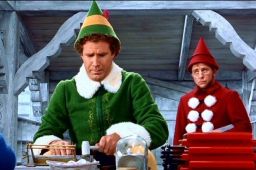
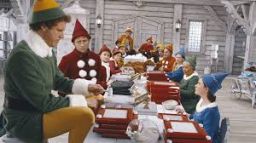
What struck me immediately on this rewatch was how tactile the North Pole workshop feels. The oversized furniture, the candy cane架构 of the sets, the deliberately handmade quality of every prop, all of it creates an environment that feels lifted from a children's picture book rather than a soundstage. There's a warmth to the lighting in these early scenes, amber and gold tones that make everything look like it's been dipped in syrup. I appreciated that the filmmakers didn't lean on computer generated effects to sell the fantasy; instead they used forced perspective and oversized set pieces, which gives the whole sequence a texture that still holds up decades later. It's the kind of aesthetic choice that ages far better than flashy digital work would have.
Buddy the Elf as a Study in Committing to a Bit
Will Ferrell's performance is the engine of this entire film, and what impresses me most is his refusal to wink at the camera. Buddy never once acknowledges that his behavior is strange; he simply believes, with total sincerity, that spinning through revolving doors for pure joy or eating spaghetti with maple syrup is normal. That commitment is what elevates the character above a simple fish out of water gag. I found myself laughing not at the jokes themselves but at the conviction behind them. There's an innocence to Buddy that never tips into saccharine territory because Ferrell plays every line as if he genuinely means it, and that sincerity is contagious for the audience too.
Manhattan Rendered Through Wide Eyed Wonder
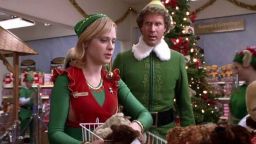
The New York City segments work as a clever inversion of the typical fish out of water formula. Usually these stories treat the big city as overwhelming and hostile, but here the city becomes almost magical simply because Buddy refuses to see it any other way. Department store escalators, greasy diners, cramped apartments, all of it gets filtered through his unshakeable optimism until mundane locations start to feel like wonders. I found this framing genuinely clever, since it lets the film comment on adult cynicism without ever becoming preachy about it. The contrast between gritty, grey toned exterior shots of the city and Buddy's bright yellow tights creates a visual joke that repeats throughout without ever feeling stale.
Walter Hobbs and the Quiet Mechanics of a Character Arc
James Caan's portrayal of Walter deserves more credit than it usually gets. He plays the workaholic father with a believable weariness rather than cartoonish villainy, which makes his eventual change of heart land with real weight. Too many holiday films rely on a lazy redemption arc where a character flips from cold to warm in a single scene without any groundwork. Here, the shift feels earned because Caan spends the earlier scenes showing small cracks in Walter's armor, brief flashes of guilt or curiosity that hint at the man underneath the deadlines and publishing pressure. By the time he finally softens, it doesn't feel like a screenwriting shortcut but the natural conclusion of a man slowly running out of excuses.
Supporting Faces That Add Unexpected Texture
Zooey Deschanel's Jovie brings a dry, understated energy that balances Buddy's manic enthusiasm nicely, and her eventual musical number in the shower is one of those small moments that reveals genuine chemistry rather than forced romantic pairing. Meanwhile, the department store manager and the various frazzled New Yorkers surrounding Buddy each get a moment or two to register as distinct personalities rather than faceless extras. Even Peter Dinklage's brief but memorable appearance as the temperamental children's author adds a jolt of unpredictability precisely because the scene refuses to play out the way audiences expect. These smaller performances give the film a sense of a lived in world rather than a hollow backdrop for one central joke.
Sound Design and the Small Details That Reward a Careful Rewatch
On this viewing I paid closer attention to the score and ambient sound choices, and there's more craft here than the film gets credit for. The orchestral cues during the Central Park scenes swell at exactly the right emotional beats without becoming manipulative, and the practical sound effects, creaking elevators, jingling bells, the crunch of snow, all add texture that keeps the fantastical elements grounded. I also noticed how many background sight gags reward pausing, from oddly labeled products in the North Pole scenes to newspaper headlines glimpsed for barely a second. These are the kind of details that only reveal themselves after multiple viewings, and they suggest a level of care in production that elevates the film beyond a simple studio comedy.
Pros
- Will Ferrell delivers a fully committed performance that avoids irony and makes the sincerity land
- the production design creates a tactile, handmade fantasy world without relying on digital effects
- James Caan's character arc feels gradual and earned rather than abrupt
- supporting performances add texture and unpredictability to smaller scenes
- sound design and background details reward repeated viewings
Cons
- the plot structure is fairly predictable once the fish out of water premise is established
- some of the physical comedy repeats itself in the middle stretch of the film
- certain side characters, like Buddy's half brother, get less development than they could have