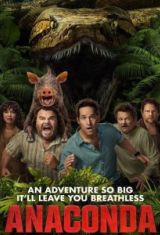
I went into Anaconda expecting a creature feature with a familiar title, but the 2025 version quickly makes it clear that it is not interested in simply replaying the old formula with shinier effects. This is a self-aware jungle comedy about people trying to remake Anaconda, which means the movie is laughing at nostalgia while also depending on it. That could have become annoying very quickly, but I found the setup surprisingly useful. It gives the film permission to be ridiculous, affectionate, messy, and openly aware of how strange the whole idea is. The movie works best when it treats its characters as grown adults chasing a childhood fantasy that suddenly becomes far more real than they expected.
The Meta-Reboot Idea Gives the Movie Its Best Hook
The smartest thing about Anaconda is that it does not pretend the franchise needs a serious modern mythology. Instead, it builds the story around Doug and Griff, two lifelong friends who loved the original Anaconda and decide to make their own version in the Amazon. That premise lets the film be both a reboot and a joke about reboots at the same time.
I liked this approach because it gives the movie an immediate reason to exist. The characters are not just wandering into the jungle because the plot needs them there. They are entering the story as fans, amateurs, and dreamers with a questionable plan. That makes the danger funnier when things go wrong, because their movie fantasy starts collapsing into an actual survival problem.
Jack Black Makes Doug Feel Like a Man Powered by Bad Confidence
Jack Black’s Doug McCallister is exactly the kind of character this version of Anaconda needs. He feels overexcited, emotional, theatrical, and completely convinced that passion can solve problems that clearly require better planning. I enjoyed how his energy makes the movie feel loose without losing its central drive.
Doug is not presented as a cool action hero. He is a fan trying to turn nostalgia into a project, and that makes him funny in a more human way. Jack Black plays him with the kind of enthusiasm that can make a terrible idea sound inspiring for at least thirty seconds. That is important because the film needs the audience to understand why these people would travel so far for something so absurd.
Paul Rudd Gives the Chaos a Softer Comic Center
Paul Rudd’s Griff works well as a counterweight to Doug. Where Doug often feels loud and impulsive, Griff brings a warmer, more hesitant comic energy. I liked that the movie uses their friendship as more than a delivery system for jokes. Their shared dream of remaking Anaconda comes from a specific emotional place: the feeling that life has narrowed, time has moved too quickly, and a foolish adventure might restore something they lost.
Rudd is very good at playing characters who seem sensible until their insecurity starts leaking out. Griff has that quality. He can look like the reasonable one, but he is still participating in the same ridiculous plan. That contradiction gives the friendship an enjoyable rhythm. Doug pushes. Griff questions. Then Griff goes along anyway because the dream is his too.
-
Doug brings reckless enthusiasm and emotional volume;
-
Griff adds hesitation, warmth, and nervous charm;
-
The friendship gives the comedy a personal foundation;
-
Their shared nostalgia makes the remake idea feel character-driven;
The Jungle Setting Works Best When It Feels Like a Bad Production Plan
The Amazon setting gives the movie the right kind of physical texture. It is humid, messy, wide, and clearly not a comfortable place for a group of unprepared would-be filmmakers. I liked that the jungle is not only a backdrop for creature moments. It also exposes how poorly equipped the characters are for the adventure they imagined.
There is a funny difference between dreaming about making a jungle movie and actually being in the jungle with cameras, egos, fear, and no real control. The film gets good mileage from that contrast. The setting keeps reminding the characters that nostalgia does not come with a safety manual.
The Anaconda Itself Is Treated Like a Monster and a Punchline
The giant anaconda has to serve two jobs here. It needs to feel threatening enough for the adventure to matter, but it also has to fit inside a comedy where the characters are constantly aware of monster-movie absurdity. I think the film is most entertaining when it balances those tones instead of choosing only one.
There are moments where the creature functions like a classic jungle threat, forcing the group to scatter, panic, and improvise. There are also moments where its presence becomes part of the joke because the characters are living through the exact kind of situation they wanted to fake for their film. That irony gives the monster scenes extra flavor.
The Comedy Depends on Cast Chemistry More Than Perfect Jokes
Anaconda is not a comedy where every line lands with perfect precision. Some jokes feel broad, some feel improvised, and some are more about the actors’ timing than the writing itself. For me, the movie works best because Jack Black, Paul Rudd, Steve Zahn, and the rest of the cast create a chaotic group rhythm.
Steve Zahn is especially useful in this kind of ensemble because he brings a strange, nervous, offbeat quality that fits the movie’s tone. Thandiwe Newton adds a sharper adult presence, while Daniela Melchior and Selton Mello help expand the jungle-adventure side of the story. The film needs that mix because if it were only Black and Rudd riffing, the concept might become too thin.
-
Jack Black gives the movie its loudest comic energy;
-
Paul Rudd keeps the friendship dynamic more grounded;
-
Steve Zahn adds anxious ensemble humor;
-
The supporting cast helps the adventure feel less like a two-person sketch;
The Midlife Crisis Angle Adds More Depth Than Expected
What surprised me most is that the film’s midlife crisis angle actually matters. Doug and Griff are not simply bored men making a bad decision. They are chasing an old dream because adulthood has made them feel smaller than they expected. That gives the comedy a slightly bittersweet layer.
I liked that the movie uses a ridiculous premise to talk about something recognizable: the fear that it may be too late to do the strange thing you always wanted to do. The Anaconda remake plan is clearly foolish, but the emotional impulse behind it is understandable. That makes the characters easier to care about even when they are making obviously terrible choices.
The Aesthetic Mixes Jungle Adventure With Comedy Disorder
Visually, Anaconda has to walk a tricky line. It needs enough jungle atmosphere to feel like an adventure, but it also needs enough looseness to support comedy. The best scenes have that sweaty, chaotic production feel, where the characters look increasingly out of place in the environment around them.
I enjoyed the contrast between movie-making fantasy and real wilderness discomfort. Equipment, costumes, plans, and self-confidence all seem weaker once the jungle begins pushing back. The aesthetic is not trying to be elegant horror. It is closer to a comedy-adventure where the setting keeps ruining everyone’s attempt to look prepared.
The Film’s Nostalgia Is Playful Rather Than Sacred
One thing I appreciated is that Anaconda does not treat the original film as untouchable scripture. It understands the old movie as a cult object: memorable, strange, pulpy, and beloved partly because of its own excesses. The 2025 version plays with that legacy instead of worshipping it too seriously.
This makes the nostalgia easier to enjoy. The movie is not just asking viewers to recognize a title. It is asking why people get attached to odd genre movies in the first place. Sometimes the films we love are not perfect. Sometimes they are messy, quotable, ridiculous, and tied to a specific moment in our lives. This Anaconda understands that kind of affection.
-
The reboot angle feels self-aware instead of overly reverent;
-
The original film’s cult status becomes part of the story;
-
Nostalgia is used for character motivation, not only brand recognition;
-
The tone makes room for both parody and affection;
The Pacing Moves Best When the Movie Stays Playful
The film is strongest when it moves quickly between friendship comedy, jungle mishaps, and creature chaos. That rhythm keeps the premise from becoming too heavy. I liked the sections where the characters are trying to preserve the illusion that they know what they are doing while the situation clearly gets worse.
There are moments where the pacing feels a little uneven, especially when the film has to manage comedy, action, meta-commentary, and character emotion at once. Still, the overall energy works because the movie rarely pretends to be more serious than it is. It stays light enough to remain watchable.
Where Anaconda Feels Most Entertaining
Anaconda works best when it lets its cast react to an absurd situation with maximum sincerity. The fun is not only in the giant creature. It is in watching adults who thought they were making a movie realize they have wandered into the kind of movie they are not qualified to survive. That idea stays funny because the characters brought the problem on themselves.
I also think the film benefits from being a comedy first and a creature thriller second. If it had tried to become a straight horror reboot, the title might have felt too familiar. By leaning into the meta setup, the movie gives itself a fresher angle. It becomes a story about fans, fantasy, ego, friendship, and the difference between loving a movie and living inside one.
Where Anaconda Feels Less Strong
The biggest weakness is that the tone may not satisfy viewers who want a serious creature feature. The film is clearly more interested in comedy and self-awareness than sustained dread. That makes it fun, but it also means the creature scenes may feel lighter than some viewers expect from an Anaconda title.
The meta jokes can also feel familiar if someone has seen many modern self-aware franchise movies. There is always a risk when a film jokes about reboots while also being one. For me, the cast helps carry it, but the concept occasionally feels like it is explaining its own cleverness too much.
Pros
- Jack Black and Paul Rudd give the movie strong comic chemistry
- The meta-reboot premise gives the familiar Anaconda title a fresher angle
- The midlife crisis theme adds a surprisingly human layer to the comedy
- The jungle setting creates funny contrast with the characters’ poor planning
- The film treats nostalgia playfully instead of taking the franchise too seriously
Cons
- Viewers expecting a serious creature thriller may find the tone too comedic
- Some meta jokes feel familiar within modern franchise culture
- The pacing can feel uneven when comedy, action, and emotion compete
- The anaconda scenes may feel less intense because the movie prioritizes laughs
- The concept depends heavily on enjoying Jack Black and Paul Rudd’s comic styles