






Spotify feels like a digital music companion that has completely changed the way I discover, organize, and enjoy audio content. I entered the app expecting a simple place to listen to songs, but what impressed me most was how easily it adapts to my personal taste. It does not feel like a static library. It feels like a constantly changing space where new music, podcasts, and audio experiences appear based on my interests.
What makes Spotify special is the combination of simplicity and personalization. I can search for a specific song, explore a new artist, create playlists, listen to podcasts, or simply press play and discover something unexpected. The app gives me control while also helping me find things I might never have searched for myself.
I like how Spotify fits different moods and situations. Whether I need background music while working, energetic songs for activity, relaxing audio before sleep, or interesting conversations through podcasts, the platform offers a wide range of options in one place.
A Giant Audio World Built Around Discovery
The biggest strength of Spotify is the size and variety of its content library. The platform brings together music from many genres, artists from different countries, podcasts covering countless topics, and audio experiences for different interests.
I enjoy the feeling of exploration. Opening Spotify does not always mean listening to something familiar. It can also mean finding a new artist, discovering an older album, or unexpectedly enjoying a recommendation.
This discovery element makes the app feel active. Instead of only storing music I already know, Spotify encourages me to expand my listening habits.
The Listener Becomes the Main Character
Spotify does not have traditional characters, but the listener becomes the center of the experience. My playlists, saved songs, listening habits, and preferences shape the way the app feels.
I like that every user can create a different version of Spotify. Two people can open the same app and have completely different experiences because their recommendations and collections are unique.
This personalization creates a stronger connection. The platform becomes not just a music service, but a reflection of personal taste and memories.
Music Discovery Makes Every Session Different
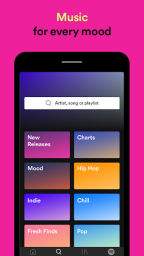
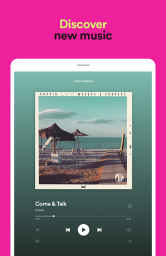
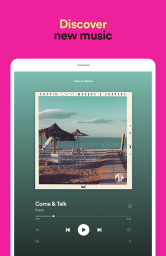
One of the most enjoyable parts of Spotify is discovering new music. The platform uses recommendations, playlists, and curated collections to introduce me to songs that match my interests.
I appreciate how discovery reduces the effort required to find something new. Instead of searching manually through thousands of options, I can explore suggestions based on what I already enjoy.
The best discoveries often happen unexpectedly. A recommendation can introduce me to an artist I would never have found through traditional searching.
Playlists Create Personal Soundtracks
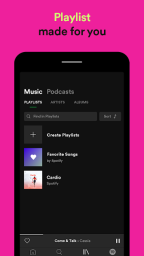
Playlists are one of the most important parts of the Spotify experience. They allow me to organize music based on moods, activities, memories, or personal preferences.
I enjoy creating playlists because they feel like personal collections rather than simple lists of songs. A playlist can represent a specific period of life, a feeling, or a particular moment.
The ability to share playlists also adds a social element. Music becomes a way to communicate interests and emotions with other people.
Podcasts Expand the Experience Beyond Music
Spotify is not only about songs. The podcast section adds another dimension by offering conversations, stories, educational content, interviews, and entertainment.
I like having different types of audio available in the same place. Sometimes I want music, but other times I want to learn something new or listen to an interesting discussion.
This variety makes Spotify useful throughout the day. The platform becomes a general audio destination rather than only a music player.
The Interface Makes Listening Easy
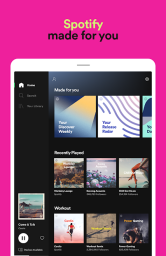
The design of Spotify is one of its strongest features. The interface focuses on helping me quickly find what I want while also encouraging exploration.
I appreciate how simple actions like searching, saving songs, creating playlists, and continuing previous listening sessions feel natural. A good music app should disappear into the background and let the audio remain the focus.
The organization of albums, artists, playlists, and recommendations helps manage a huge amount of content without making the experience confusing.
Personal Recommendations Create a Unique Experience
Spotify’s recommendation systems are a major reason the app feels personalized. Suggested songs, playlists, and discoveries help create a listening experience that changes over time.
I enjoy how recommendations can introduce variety while still staying connected to my preferences. The best suggestions feel like they understand my taste without becoming repetitive.
At the same time, recommendations are not always perfect. Sometimes the app may suggest content that does not match my mood or expectations.
Audio Quality Shapes the Listening Experience
Audio quality is an important part of any music platform. Spotify provides different listening options depending on user preferences and available settings.
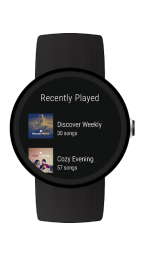
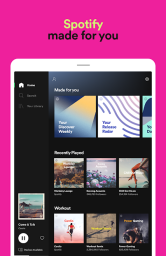
I like that the app focuses on convenience. The ability to access music across different devices makes listening flexible and practical. The experience is especially useful for people who move between phones, computers, and other devices throughout the day.
The Social Features Connect People Through Music
Music is often a shared experience, and Spotify includes features that allow people to connect through what they listen to.
I enjoy seeing how music choices can reveal personality. Sharing songs, playlists, or recommendations can become a simple way to connect with others. The social side of Spotify adds another reason to explore the platform. It is not only about individual listening but also about discovering what other people enjoy.
Podcasts and Music Create Different Daily Routines
One of the reasons Spotify works well is that it fits different parts of daily life. Music can provide energy during activities, while podcasts can make routine tasks more interesting.
I like having one place for different types of audio. Switching between entertainment, learning, and relaxation does not require changing platforms. This flexibility makes Spotify useful for many different lifestyles and preferences.
The Mobile Experience Makes Listening More Convenient
The mobile version of Spotify is important because music is often consumed while moving. The ability to carry a large audio library anywhere changes how people interact with music.
I appreciate how quickly I can access saved songs, search for something new, or continue listening from where I stopped. The mobile experience supports spontaneous discovery. A song recommendation or a podcast episode can become part of my day immediately.
Where Spotify Feels Strongest and Where It Has Limits
Spotify feels strongest when it combines a huge audio library with personalization and convenience. The platform succeeds because it helps me both enjoy familiar favorites and discover something new.
The main limitation is that the experience can depend on subscriptions, regional availability, and personal preferences. Some users may also prefer other services with different approaches to music organization or audio features.
For me, Spotify works because it transforms listening into an ongoing discovery process. It is not only a place where songs exist. It is a platform that helps create personal connections with music and audio.
Pros
- Easy interface supports quick navigation
- Available across many devices
- Podcasts expand the platform beyond music
- Social features allow sharing discoveries
- Personalized experience changes with listening habits
Cons
- Some features depend on subscription options
- Recommendations are not always perfectly accurate
- Music availability can vary by region