

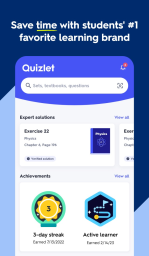
Quizlet feels like a digital study partner that tries to make learning less intimidating and more interactive. I approached it expecting a simple flashcard tool, but what impressed me was how much flexibility the platform offers. It takes a familiar idea — reviewing information repeatedly — and turns it into a collection of study methods that can fit different learning styles.
What I like about Quizlet is that it does not force one specific way of learning. Some people remember information by reading, others by testing themselves, listening, writing, or repeating concepts several times. The platform gives me different ways to interact with the same material, which makes studying feel less like a repetitive task and more like an active process.
The biggest strength of Quizlet is simplicity. I can create a study set, search for existing materials, review terms, practice questions, and track my progress without needing a complicated setup. The experience is built around one clear goal: helping me remember information more effectively.
A Clean Learning Space Designed for Focus
The visual style of Quizlet is one of its strongest features. The interface is organized around study sets, terms, definitions, questions, and progress. It avoids unnecessary distractions and keeps the focus on the information I am trying to learn.
I appreciate how quickly I can understand where everything is located. Educational tools often fail when they become too complicated, but Quizlet keeps the main actions visible. Creating cards, opening a study mode, or searching for a topic feels straightforward.
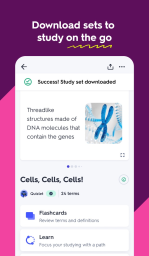
The design also works well across different devices. Being able to study from a computer, tablet, or phone makes the platform more practical because learning does not have to happen only at a desk. A quick review session can happen almost anywhere.
The Main Characters Are the Ideas I Want to Remember
Quizlet does not have traditional characters, but the real focus of the platform is the information itself. Vocabulary words, historical dates, scientific concepts, formulas, language phrases, and professional terms become the central elements of the experience.
I like that the platform turns passive information into something interactive. Instead of only reading notes, I can test myself, make mistakes, and repeat difficult areas. The information becomes something I actively work with rather than something I simply look at.
This approach is especially useful when preparing for exams or learning a new subject. A large amount of information can feel overwhelming, but breaking it into smaller study sets makes the process easier to manage.
Flashcards Remain the Core of the Experience
The flashcard system is the foundation of Quizlet, and it works because the idea is simple. One side contains a term or question, while the other side contains the answer or explanation. This format has been used for years because it encourages active recall.
I enjoy how flashcards create short moments of focus. Instead of reading an entire chapter again, I can test what I actually remember. That difference matters because recognizing information is not the same as being able to recall it independently.
The ability to create custom flashcards also makes Quizlet flexible. I can build a set based on my own notes, class materials, language goals, or personal interests. This personal connection often makes studying more effective.
Different Study Modes Change the Learning Rhythm
One of the best parts of Quizlet is that it offers more than one way to review information. Different modes create different types of practice, which helps prevent studying from becoming too repetitive.
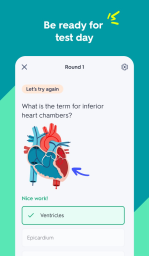
I like switching between methods depending on my goal. Flashcards are useful for quick review. Practice tests help me check my understanding. Writing-based activities encourage active memory. Audio features can support language learning by connecting words with pronunciation.
This variety matters because people learn differently. A student who struggles with one method may find another approach much more comfortable. Quizlet’s flexibility makes it easier to create a study routine that feels personal.
Language Learning Becomes More Accessible
Quizlet works especially well for language learning because vocabulary requires repetition. Memorizing hundreds of new words can feel exhausting, but flashcards and repeated practice make the process more manageable.
I like how language sets can combine written words, translations, and audio. Seeing a word, hearing it, and testing my memory creates multiple connections that can improve recognition.
The platform is also useful for smaller goals. I do not need to learn an entire language at once. I can create a set for travel phrases, professional vocabulary, difficult grammar terms, or everyday expressions and improve step by step.
User-Created Content Creates Huge Variety
One of Quizlet’s biggest advantages is the amount of available study material. Since users can create their own sets, the platform covers a wide range of subjects. I can often find resources for school topics, university courses, languages, certifications, and personal interests.
I like this variety because it saves time. Instead of always starting from zero, I can discover existing materials and adapt them to my needs.
The challenge is quality control. User-created content can vary significantly. Some study sets are excellent, while others may contain mistakes, outdated information, or unclear explanations. The platform works best when I treat shared materials as a helpful resource that still needs checking.
Progress Tracking Helps Build Study Habits
Quizlet becomes more useful when I use it regularly. The platform encourages repetition and review, which are important parts of remembering information. Seeing progress can motivate me to continue instead of abandoning a topic after one session.
I like how small improvements feel visible. A difficult set becomes easier after repeated practice. Terms that seemed impossible start becoming familiar. That gradual progress creates a satisfying learning loop.
However, tracking progress does not automatically create discipline. Quizlet can support a study routine, but the motivation still has to come from the learner. The tool is helpful because it makes studying easier, not because it removes the need for effort.
The Mobile Experience Makes Learning More Flexible
The mobile version of Quizlet is important because studying often happens outside traditional classrooms. A few minutes waiting somewhere can become a quick review session. This flexibility makes the platform useful for busy students and professionals.
I like that the app supports short study moments. Not every learning session needs to last an hour. Reviewing a small set regularly can sometimes be more effective than occasional long sessions.
The mobile format also fits modern learning habits. Many people already spend time on their phones, and turning some of that time into productive practice can be valuable.
AI Features Add New Learning Possibilities
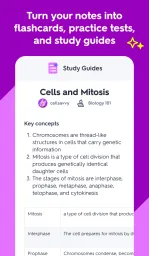
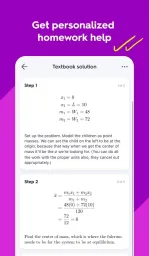
Modern versions of Quizlet have introduced more advanced learning features that aim to make studying more personalized. Tools that help generate questions, organize information, or create practice experiences can make preparation faster.
I find these features interesting because they can reduce the time spent creating study materials. Instead of spending all my energy preparing, I can spend more time actually practicing.
The important thing is balance. Automated tools can support learning, but understanding still requires active participation. The best results come when technology helps organize studying rather than replacing the thinking process.
Where Quizlet Feels Strongest and Where It Has Limits
Quizlet feels strongest when I need structured repetition, quick review, and flexible study options. It is especially useful for vocabulary, definitions, concepts, and information that benefits from frequent recall.
The main limitation is that flashcards are not the perfect solution for every subject. Some skills require deeper analysis, creative problem-solving, practical experience, or long explanations. Quizlet works best as one part of a larger learning strategy.
For me, Quizlet succeeds because it makes studying easier to start. The hardest part of learning is often beginning, and having a simple tool that turns information into manageable practice can make a significant difference.
Pros
- Simple interface makes studying easy to begin
- Flashcards support active recall and repetition
- Multiple study modes fit different learning preferences
- Large library of user-created materials provides variety
Cons
- User-created materials can vary in quality
- Flashcards are not ideal for every type of learning