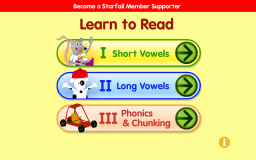
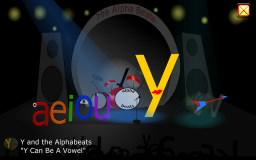
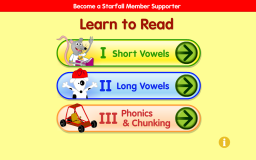
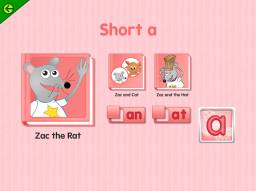
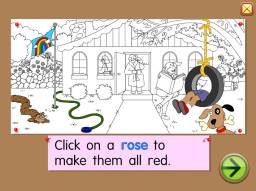
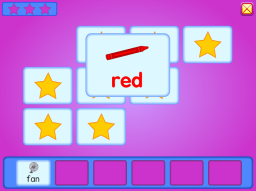
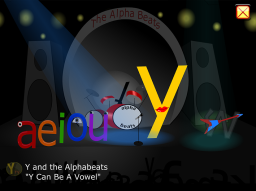
Starfall feels like an educational platform that turns learning into a playful experience rather than a traditional lesson. I entered it expecting a collection of simple learning activities, but what impressed me most was how the platform combines games, songs, animations, and interactive exercises to make basic skills more engaging. Instead of presenting information in a dry way, Starfall creates an environment where learning feels like exploration.
What makes Starfall interesting is its focus on early education. The platform is designed around helping children develop important skills through interactive activities, especially reading, language, mathematics, and basic learning concepts.
I like that Starfall understands an important part of learning: attention. For younger users, keeping interest is often just as important as the information itself. By adding visual elements, sounds, and interactive tasks, the platform creates a more engaging experience.
A Colorful Learning World Built for Curiosity
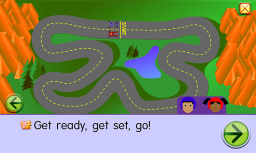
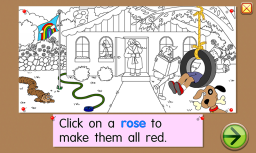
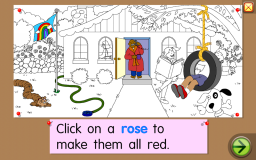
The world of Starfall is designed to feel welcoming and friendly. Instead of creating a strict classroom atmosphere, the platform uses bright visuals, simple characters, and interactive environments to encourage exploration.
I enjoy how the design makes learning feel less intimidating. A child can enter different activities, discover new topics, and practice skills without feeling like they are only completing assignments.
The colorful presentation also helps create a positive connection with education. When learning feels enjoyable, children may become more interested in returning and practicing regularly.
The Learner Becomes the Main Character
Starfall does not focus on one traditional hero. The main character is the learner using the platform. Every activity represents a small step in personal development and skill improvement.
I like this approach because it allows each child to have their own learning journey. One learner may focus on reading, while another may spend more time exploring numbers, patterns, or interactive exercises.
The absence of a fixed story allows the platform to adapt to different needs. The experience is shaped by the learner’s pace, interests, and progress.
Interactive Learning Makes Basic Skills More Engaging
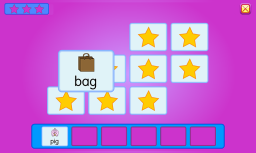
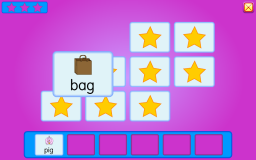
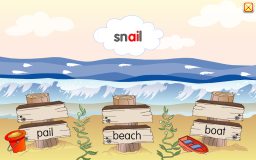
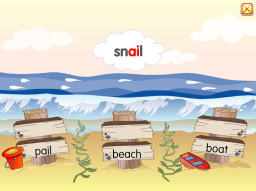
The strongest part of Starfall is the way it transforms basic concepts into interactive activities. Reading letters, recognizing sounds, practicing words, and exploring numbers become actions rather than passive information.
I appreciate how this method encourages participation. Instead of only watching or listening, children actively respond and make choices during the learning process.
This interactive approach can make repetition feel more enjoyable. Practicing the same skill multiple times becomes easier when the activity feels like a game.
Reading Activities Create a Strong Foundation
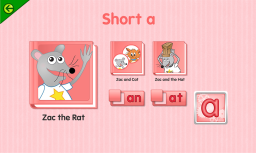
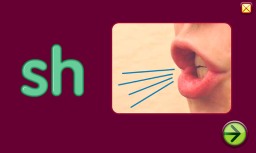
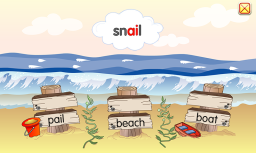
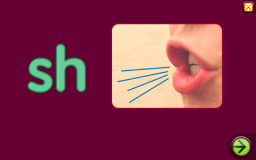
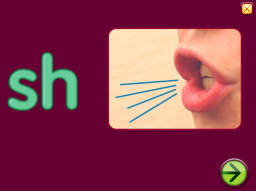
Reading development is one of the areas where Starfall feels especially focused. The platform uses sounds, words, stories, and interactive exercises to help learners build confidence.
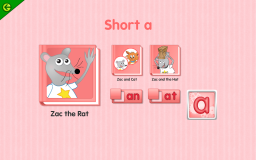
I like how early reading skills are presented step by step. Learning letters and sounds can feel challenging at first, but breaking the process into smaller activities makes progress easier to understand.
The storytelling elements also help connect learning with imagination. Words become part of stories rather than isolated pieces of information.
Math Activities Add Variety to Learning
Starfall also includes activities that introduce mathematical concepts in an accessible way. Numbers, patterns, counting, and problem-solving exercises can become more approachable through interactive formats.
I enjoy how visual examples can make abstract ideas easier to understand. For younger learners, seeing concepts represented through images and actions can create stronger connections.
The combination of games and practice helps make mathematics feel less like a difficult subject and more like a challenge to explore.
Characters and Animations Create Emotional Connection
The characters in Starfall help give personality to the learning process. Friendly designs and animations make activities feel more welcoming and create a sense of interaction.
I like how characters can guide learners through different tasks without making the experience feel too formal. They help create the feeling that the child is participating in an adventure.
Visual feedback also makes progress more noticeable. Small achievements become easier to recognize when the platform responds positively.
Songs and Audio Support Different Learning Styles
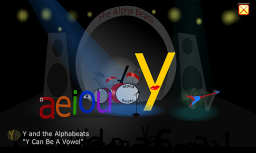
Audio plays an important role in Starfall because many early learning skills are connected with listening and pronunciation. Songs, sounds, and spoken instructions create additional ways to understand information.
I appreciate that the platform does not rely only on reading. Different children absorb information differently, and audio elements can make activities more accessible.
The combination of visuals and sound creates a richer experience. Learning becomes something children can see, hear, and interact with.
The Interface Keeps Learning Simple
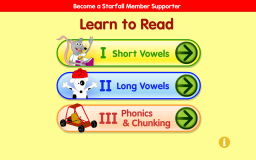
The design of Starfall focuses on accessibility. Young users need interfaces that are clear and easy to understand, and the platform generally keeps navigation simple.
I like when educational tools avoid unnecessary complexity. Children should spend more time learning and less time trying to understand how the application works.
The simple structure also helps parents and educators introduce the platform without requiring extensive explanations.
The Platform Encourages Independent Learning
One of the strengths of Starfall is that it allows children to explore activities independently. After understanding the basics, learners can choose areas that interest them and practice at their own pace.
I like this because independence can increase confidence. A child who discovers something without constant help may feel more motivated to continue learning.
At the same time, guidance from parents or teachers can make the experience even more effective by helping children choose suitable activities.
The Educational Approach Feels Friendly Rather Than Pressuring
Starfall creates an atmosphere where mistakes feel like part of learning. The platform focuses on practice and encouragement rather than making children feel unsuccessful.
I think this is important because early education should build confidence. A positive learning environment can influence how children view new challenges.
The game-like structure helps reduce pressure while still encouraging progress.
The Mobile Experience Makes Learning Flexible
Starfall’s digital format allows learning to happen in different situations. Children can practice skills at home, during free time, or as part of educational routines.
I like the flexibility because learning does not always need to happen in one specific place. Short interactive sessions can still support development.
The mobile approach also makes educational activities more accessible for families who want additional learning resources.
Where Starfall Feels Strongest and Where It Has Limits
Starfall feels strongest when it creates a connection between learning and play. The platform succeeds because it makes educational activities interactive, colorful, and approachable.
The main limitation is that it is primarily focused on early learning. Older students or advanced learners may eventually need more complex resources and deeper challenges.
For me, Starfall works because it recognizes that learning can be enjoyable. By combining education with creativity and interaction, it creates an experience that encourages curiosity.
Pros
- Interactive activities make learning more engaging
- Friendly design helps children feel comfortable
- Reading and language exercises support early skills
- Math activities add educational variety
Cons
- Some content may feel repetitive over time
- Access to certain features may depend on subscription options
- Parents may still need to guide learning choices
- Limited focus outside core educational topics