



Project Zomboid feels like a survival game that is less interested in making me feel powerful and more interested in showing me how fragile I actually am. I entered it expecting a classic zombie survival experience with scavenging, crafting, and base building, but what stayed with me was the level of detail. The game does not treat survival as a simple mission. It treats it as a collection of small decisions where every action can create a new problem.
What makes Project Zomboid special is the way it transforms ordinary tasks into meaningful moments. Finding food, closing curtains, filling water containers, organizing supplies, repairing equipment, and choosing where to sleep all become important. The game understands that survival is not only about facing enemies. It is about managing time, resources, emotions, injuries, and mistakes.
I like that Project Zomboid does not rush to make me feel successful. The first hours are often about learning through failure. A small mistake can end a long journey, but that failure usually teaches me something useful for the next attempt. Every character creates a different story, and every survival attempt feels like a new experiment.
A Zombie Apocalypse Built Around Realism
The world of Project Zomboid feels dangerous because it follows its own harsh logic. The towns, houses, stores, forests, roads, and abandoned buildings create a believable environment where survival depends on observation. The game does not place danger only in obvious locations. A quiet neighborhood can become a serious threat if I make the wrong choice.
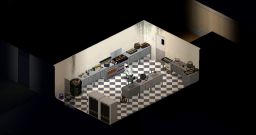
I enjoy how the environment tells stories. An empty house with supplies left behind, a crashed vehicle, a barricaded building, or a forgotten campsite can make me imagine what happened before I arrived. The world feels like it existed before my character entered it.
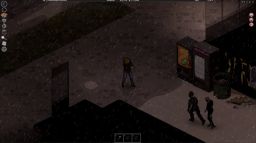
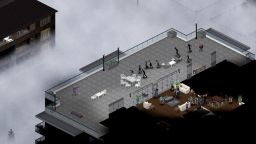
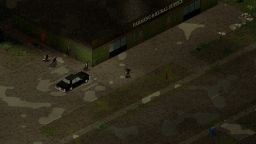
The isometric perspective creates a unique atmosphere. It may look simple compared with modern realistic games, but it allows the developers to focus on systems, interactions, and simulation depth. The result is a world where the details matter more than visual spectacle.
The Character Creator Makes Every Survivor Different
One of my favorite parts of Project Zomboid is character creation. I am not creating a superhero or an action movie protagonist. I am creating an ordinary person with strengths, weaknesses, habits, and limitations.
The trait system gives every survivor a different personality. A character who is strong and athletic may struggle with other disadvantages. Someone skilled with tools may have trouble in different situations. These choices make me think about the kind of person I want to guide through the apocalypse.
I like that weaknesses matter. In many games, negative traits are just small penalties that I ignore. Here, they can shape my entire experience. A character’s personality affects how I approach the world, which makes survival stories feel more personal.
The Zombies Create Constant Pressure
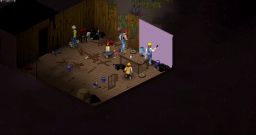
The infected creatures in Project Zomboid are not designed as simple enemies to defeat. They are a permanent environmental threat. A single mistake around a group of zombies can end everything, which creates tension even during ordinary exploration.
I appreciate that the game focuses on avoidance and planning. Running into danger is usually not a good strategy. I need to think about escape routes, noise levels, visibility, and whether I actually have enough supplies to handle the situation.
The zombies themselves are not individually complicated, but their numbers and unpredictability create the challenge. One infected creature may be manageable. A crowd can become a disaster. That simple idea creates many memorable moments.
Survival Systems Turn Small Tasks Into Big Decisions
The survival mechanics are where Project Zomboid becomes truly impressive. Hunger, thirst, tiredness, stress, injuries, temperature, illness, and mood all influence my character. These systems create a feeling that I am managing a living person rather than controlling a game avatar.
I like how every decision has consequences. Spending too much time searching one building may leave me exhausted. Carrying too much equipment may slow me down. Ignoring an injury may create a bigger problem later. The game constantly asks me to balance short-term rewards against long-term safety.
This realism can be demanding, but it is also the reason the game creates such strong stories. A successful day feels meaningful because I know how many things could have gone wrong.
Base Building Turns Any Shelter Into a Personal Story
Creating a safe base is one of the most satisfying parts of Project Zomboid. At first, a base may simply be a place with a locked door and a few supplies. Over time, it can become a carefully organized survival headquarters.
I enjoy the process of improving a location. Building defenses, storing food, arranging tools, creating farming areas, collecting water, and making the space comfortable gives the game a strong sense of progress.
The best bases are not just useful. They become memories. A house where I survived several weeks, a warehouse I repaired, or a location I protected through difficult situations starts to feel like part of my personal story.
Crafting Rewards Patience and Preparation
Crafting in Project Zomboid feels connected to survival rather than existing only as a progression system. Creating tools, repairing equipment, building structures, and producing useful items all require planning.
I like that crafting encourages me to think ahead. Instead of asking only what I need right now, I begin asking what I might need tomorrow. Do I have enough materials? Do I have backup tools? Should I save this resource or use it immediately?
The system makes preparation feel valuable. A player who plans carefully can create stability, while someone who constantly reacts to emergencies will struggle. That difference creates a satisfying survival loop.
Vehicles Change the Way I Explore
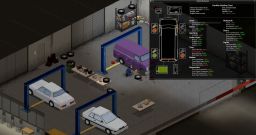
Vehicles add another layer of freedom and danger. Finding a working car can completely change my survival strategy. Suddenly, distant locations become accessible, and transporting supplies becomes easier.
I like that vehicles are not magical solutions. They require fuel, maintenance, and attention. A car can become one of my greatest tools, but it can also create new problems if I depend on it too much.
Driving through an abandoned town with limited fuel creates a unique feeling. The vehicle gives me confidence, but I still know that one mistake can leave me stranded.
The Multiplayer Experience Creates Unpredictable Stories
Project Zomboid becomes even more interesting with other players because survival turns into a shared experience. Working together, dividing responsibilities, building a community, and protecting a base can create moments that feel impossible to reproduce alone.
I enjoy how multiplayer changes decision-making. A risk that seems reasonable alone may affect an entire group. A simple mistake can create a problem for everyone. Cooperation becomes just as important as individual survival skills.
The social side of the game also creates memorable stories. Players remember the house they defended, the supplies they lost, the rescue missions they attempted, and the mistakes that changed everything.
The Sound Design Builds Anxiety Through Small Details
The audio design in Project Zomboid is extremely important because sound often determines whether I survive. A distant noise, a broken window, footsteps nearby, a door opening, or a sudden alarm can completely change my plans.
I like how the game makes me listen carefully. Sound is not just decoration. It is information. Paying attention can save my character, while ignoring a small detail can create a dangerous situation.
The quiet moments are often the most effective. Walking through an empty street with only environmental sounds creates a feeling of isolation that fits the survival theme perfectly.
The Difficulty Creates Stories Through Failure
Project Zomboid is difficult, but the difficulty is a major part of its identity. The game expects me to fail, learn, adapt, and try again. A character’s ending is not just a loss. It becomes part of a story.
I like that failure feels meaningful. Losing a survivor after many hours can be frustrating, but I usually remember the journey that led there. The places I explored, the mistakes I made, and the choices that caused the final moment all become part of the experience.
This approach makes success feel rare and valuable. Surviving for a long time is not impressive because the game rewards me with constant upgrades. It is impressive because the world constantly tries to take everything away.
Where Project Zomboid Feels Strongest and Where It Has Limits
Project Zomboid feels strongest when its systems work together. The character traits, survival mechanics, crafting, exploration, and base building create a complete simulation where every decision matters. The game succeeds because it makes ordinary actions feel important.
The biggest limitation is accessibility. New players may feel overwhelmed by the number of systems, controls, and possibilities. The game requires patience and a willingness to learn through mistakes.
For me, that complexity is also the reason Project Zomboid is memorable. It is not a simple zombie action game. It is a survival story generator where every character, base, and decision can become a unique experience.
Pros
- Deep survival systems create meaningful decisions
- Character creation makes every survivor feel unique
- Base building provides strong long-term goals
- The world creates memorable personal stories
- Crafting and preparation feel rewarding
- Sound design creates excellent tension
Cons
- Many systems require time and patience to understand
- Character losses after long runs can feel frustrating