
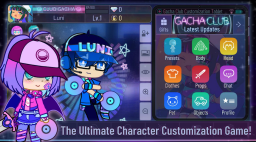

Gacha Club is the kind of game that looks simple until I open the customization menu and suddenly realize I have accidentally entered a fashion laboratory, anime character workshop, storyboarding tool, and mini RPG closet all at once. It is not really about one fixed adventure. It is about making characters, dressing them up, building scenes, imagining relationships, staging drama, and occasionally sending units into battle because apparently even cute avatars need a combat schedule. The charm is that Gacha Club gives players a huge toy box and lets them decide what kind of play matters most.
The Main Appeal Is Creative Freedom
Gacha Club’s official store descriptions introduce it as a game where players create anime-styled characters, dress them in favorite fashion outfits, choose from thousands of clothing pieces, hairstyles, weapons, and more, then enter Studio Mode to create scenes. That is the core of the experience. Gacha Club is less about winning and more about designing.
I like that the game understands how much fun character creation can be by itself. Many games treat customization as a short stop before the “real” gameplay begins. Gacha Club makes customization the main event. A player can spend a long time adjusting hair, eyes, colors, accessories, poses, pets, props, and profiles before even thinking about battles or mini-games.
-
Anime-style character creation is the main hook;
-
Players can customize outfits, hairstyles, weapons, accessories, and colors;
-
The game encourages imagination more than strict progression;
-
Character design can be satisfying even without touching battle modes;
The Character Creator Is Surprisingly Deep
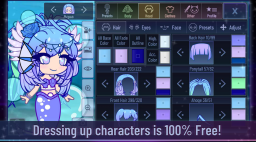
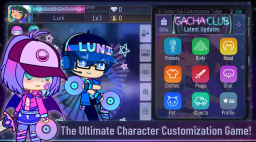
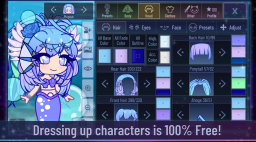
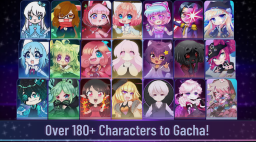
The App Store listing says players can customize 10 main characters and 90 extra characters, change colors for almost all items, choose from 600 poses, adjust hair, eyes, and items, customize pets and objects, set profiles, and import or export friends’ characters. That is a lot of room for a casual mobile game.
I enjoy how granular the creator feels. It is not only choosing a shirt and hair color. It is building a whole visual personality. A character can look shy, chaotic, royal, spooky, futuristic, soft, villainous, cute, dramatic, or like they are one accessory away from starting a music video. The system is flexible enough for children, teens, and casual creators who just want to make a cast of original characters.
Colors Make the Biggest Difference
One of Gacha Club’s smartest improvements over simpler dress-up systems is color flexibility. Being able to change colors across many items lets players make characters feel more original. A basic outfit can become something distinctive just by shifting the palette.
I like this because color is often where personality appears. A black-and-red character reads differently from a pastel-blue one, even if the clothing structure is similar. Gacha Club gives players enough control to create themes: school uniforms, fantasy teams, idol groups, magical squads, rivals, siblings, or original story casts with matching visual rules.
-
Broad color editing helps characters feel more original;
-
Players can create matching teams, clubs, families, or rival groups;
-
Color themes make simple outfits feel more intentional;
-
The creator rewards patience and visual experimentation;
Studio Mode Turns Designs Into Scenes
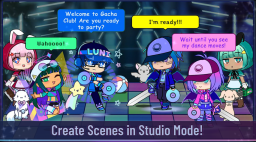
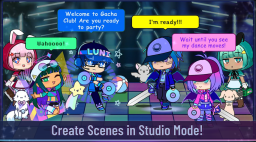
After creating characters, Gacha Club lets players enter Studio Mode and build scenes with backgrounds, foregrounds, pets, objects, custom text boxes, narration, and saved scene layouts. The App Store listing says Studio Mode allows up to 10 characters anywhere on the screen and lets players save and load up to 15 scenes.
This is where Gacha Club becomes more than a dress-up game. Studio Mode turns characters into little story pieces. A player can stage a school argument, a fantasy meeting, a concert, a friendship moment, a dramatic confession, or a scene that makes perfect sense only to the person who created twelve characters at midnight and named them all. That is not a criticism. That is the point.
Text Boxes Make It Feel Like a Storytelling Tool
Custom text boxes are important because they let players create dialogue, jokes, scenes, and mini comics. A character design can look good, but dialogue gives it personality. Gacha Club’s Studio Mode supports characters talking to each other and includes narrator options for story scenes.
I like that this gives young creators a low-pressure way to practice storytelling. They can create conflicts, friendships, introductions, skits, fantasy scenes, or emotional moments without needing animation software. It is a small visual storytelling kit, and that makes it especially appealing for players who enjoy making original characters and sharing screenshots or videos.
-
Text boxes help players turn static designs into scenes;
-
Narrator options support simple story setups;
-
Studio Mode works well for screenshots, skits, and mini comics;
-
The tool encourages original character creation and roleplay-style storytelling;
The Game Is More of a Creator App Than a Traditional Game
Gacha Club includes battle modes and mini-games, but the creative tools feel like the heart of the product. Google Play leads with character creation, dress-up, and Studio Mode before describing other systems. That ordering matches the real experience. Many players will spend most of their time designing and staging rather than fighting.
I think that is why Gacha Club has such a strong identity. It does not need a traditional campaign to be entertaining. The player’s imagination provides the structure. For some users, the game is a character creator. For others, it is a roleplay toolkit. For others, it is a casual RPG. That flexibility helps it reach different audiences.
The Battle System Adds Structure, Even If It Is Not the Star
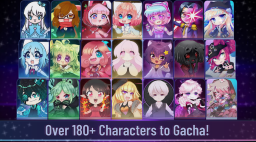
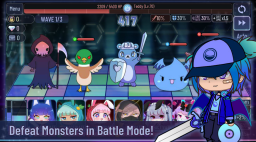
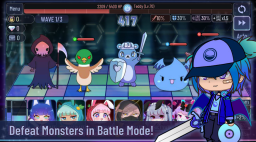
Gacha Club also includes a battle side. The App Store listing says players can gacha over 180 units, use more than 150 pets to increase stats, collect rare characters, enhance units, awaken them, increase skill levels, and choose from battle modes such as Story, Training, Tower, and Shadows of Corruption.
I like the battle system as an extra layer because it gives players something to do when they want more than design. It adds progression, rewards, units, stats, and goals. It is not the deepest RPG system on mobile, but it gives the game a broader shape. After spending time making characters, it can be satisfying to enter a mode where teams, pets, gems, and upgrades matter.
-
Battle modes give the game progression outside the creator tools;
-
Players can collect and upgrade units;
-
Pets support stat growth and team building;
-
The RPG layer is useful, though customization remains the main attraction;
The Gacha Element Feels Softer Than Many Mobile Games
Gacha mechanics often raise concerns because many mobile games tie character collection to aggressive monetization. Gacha Club feels different because the official store pages emphasize that customization is free and there are no in-app purchases, while mini-games allow players to collect gems and bytes for more units.
I appreciate that. The word “gacha” can sound expensive in many mobile contexts, but Gacha Club keeps its collection loop more casual. Players can farm resources through play instead of being constantly pushed toward spending. That makes the game feel friendlier, especially for younger audiences.
Mini-Games Help Break Up the Creative Loop
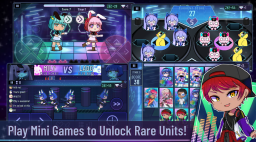
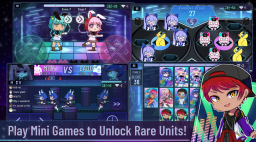
The App Store listing mentions mini-games such as Usagi vs Neko and Mascot Whack, with players collecting gems and bytes to gacha for more characters. These mini-games are not the main reason to download Gacha Club, but they help add variety.
I like mini-games as small palate cleansers. After spending a long time adjusting outfits and arranging scenes, a quick mini-game can reset the pace. They are simple, but they serve a purpose. They make resource collection feel more playful and give players another way to interact with the game when they are not in a design mood.
-
Mini-games provide quick breaks from character creation;
-
They help players earn resources for gacha pulls;
-
Their simplicity fits the casual structure of the game;
-
They add variety without distracting from the main creative tools;
Offline Play Is a Big Advantage
The App Store listing states that Gacha Club can be played offline and that no Wi-Fi is needed. Lunime’s Google Play developer page also describes the studio as making free anime dress-up games that can be played offline anytime. That is a major practical benefit.
I like offline-friendly mobile games because they feel less demanding. A player can create characters during travel, in a waiting room, or anywhere connection is weak. For a game built around creativity, offline access is especially useful. Inspiration does not always wait for stable Wi-Fi.
The No In-App Purchases Message Matters
Google Play says Gacha Club’s customization is 100% free and that there are no in-app purchases. App Store descriptions repeat the same idea. In a mobile market full of paid cosmetics, energy timers, subscriptions, and premium currencies, that stands out.
I think this makes Gacha Club easier to recommend for casual creative play. Players are not constantly being reminded that the best hair, outfit, or accessory is locked behind payment. The game still has ads and limitations, but the creative freedom feels unusually generous for a free mobile title.
-
Free customization makes the creator feel generous;
-
No in-app purchases reduce pressure around spending;
-
Players can focus on design rather than monetization gates;
-
The free model is especially important for younger players and casual creators;
The Visual Style Is Cute, Flexible, and Instantly Recognizable
Gacha Club uses a chibi anime style with large heads, expressive faces, colorful clothing, and small bodies. The style is simple, but it works because characters need to be readable and easy to modify. The designs are not trying to look realistic. They are meant to be flexible avatars for imagination.
I like that the art style gives players quick emotional signals. A mouth shape, eye style, pose, accessory, or color choice can change the entire personality of a character. That makes the creator feel efficient. Even small changes can make a character look happier, colder, cuter, angrier, or more dramatic.
The Game Is Especially Strong for Original Characters
Gacha Club is perfect for players who love making OCs. The extra character slots, profiles, poses, color choices, props, pets, and scene tools all support original character creation. The game becomes a place to build a cast rather than just one avatar.
I enjoy this because OC creation is one of the most personal forms of casual creativity. Players are not only choosing outfits. They are building personalities, relationships, conflicts, clubs, teams, and stories. Gacha Club gives that process a friendly structure without requiring drawing skills or advanced software.
-
The large character roster supports full casts and story groups;
-
Profiles help players define personality and identity details;
-
Studio scenes make characters feel connected to stories;
-
The game is useful for creators who want visual OC concepts quickly;
Import and Export Support Community Sharing
The App Store listing says Gacha Club supports importing and exporting friends’ characters. This feature matters because the game’s community culture depends heavily on sharing designs, recreating characters, building collabs, and exchanging ideas.
I like import and export systems because they make creativity social without forcing every player into live multiplayer. A user can share a character with a friend, use another design as inspiration, or collaborate on a scene. For a game like Gacha Club, community creativity is not a side effect. It is part of the ecosystem.
The Community Is Creative, but Parents Should Pay Attention
Gacha Club is popular with younger creators, and that brings a lot of harmless creativity: stories, edits, music videos, character designs, and roleplay scenes. But like many user-driven communities around kid-friendly tools, content outside the official app can vary widely. The app itself provides creation tools; what people make and share elsewhere depends on community spaces.
I think this is important for parents and guardians. Gacha Club can be a great creative outlet, but children may also encounter fan-made content on YouTube, TikTok, Discord, websites, or social platforms that is not appropriate for all ages. The game should be treated like a creative tool with an internet culture around it, not just a sealed children’s toy.
-
The official app supports harmless creative character and scene creation;
-
Fan-made content outside the app can vary in tone and age suitability;
-
Younger players may benefit from guidance around sharing and online communities;
-
Parents should distinguish between the app itself and external fan content;
The Interface Can Feel Overwhelming at First
Gacha Club has many menus, tabs, items, colors, poses, scenes, profiles, pets, objects, battle screens, and mini-games. That amount of choice is exciting, but it can also overwhelm new players. The game is not difficult, but it can feel busy.
I do not mind the busy interface because the game is built for tinkering. Still, first-time players may need time to understand where everything lives. The best approach is to start small: make one character, test poses, build one scene, then explore more menus slowly. Trying to understand every feature immediately can turn fun into homework, and nobody needs a fashion exam.
The Battle Side Is Less Polished Than the Creator Side
The battle modes add value, but they do not feel as essential as character creation and Studio Mode. The RPG systems are enjoyable for casual progression, yet the main reason to stay is still the creative toolkit. Players looking for a deep tactical RPG may find the combat lighter than expected.
I think this is fine as long as expectations are clear. Gacha Club is not trying to compete with full-scale mobile RPGs on combat depth. Its battle features are there to expand the loop and give rewards, not to replace the creative focus. The game is strongest when judged as a character creator with extra systems.
-
Battle modes add progression but are not the deepest part of the game;
-
Players focused on RPG strategy may want more complexity;
-
The creator tools feel more distinctive than combat;
-
The battle side works best as a casual companion feature;
Performance Can Depend on Device Age
The App Store notes that the game may lag on old devices and devices with 4K screens. That is worth mentioning because Gacha Club can involve many assets, layered characters, scenes, items, and effects. A simple-looking game can still become heavy when a scene is packed with characters and objects.
I would recommend keeping expectations realistic on older phones or tablets. The game is playable offline and widely accessible, but smoother performance makes creation more pleasant. Lag is especially annoying when adjusting tiny visual details or building scenes with multiple characters.
Gacha Club Has Been Followed by Gacha Life 2, but Still Has Value
Lunime’s Google Play developer page currently highlights Gacha Life 2 as another character creation title, while still listing Gacha Club among the studio’s games. That means Gacha Club is no longer the newest major Lunime creator experience, but it remains relevant because many players still enjoy its layout, familiar tools, and established community style.
I like that Gacha Club can still feel comfortable even with newer options available. Sometimes a newer app adds more features but also more complexity. Gacha Club sits in a useful middle space: deep enough to create a lot, simple enough for casual players to understand after some experimentation.
-
Gacha Life 2 exists as a newer Lunime character-creation title;
-
Gacha Club remains useful because of its familiar tools and community history;
-
Some players may prefer Gacha Club’s structure over newer, busier systems;
-
The older app still works well for quick character scenes and OC design;
The Game Is Best as a Creative Sandbox
Gacha Club is easiest to enjoy when I stop asking it to behave like a normal game. It is not mainly about beating levels, mastering combat, or reaching an ending. It is a sandbox for characters, scenes, fashion, and imagination. The player brings the goal.
That is why it can be so addictive for the right audience. One person may create a fantasy club. Another may build a school drama. Another may make edits for social media. Another may recreate favorite character archetypes. The app provides parts, and the fun comes from assembling them into something personal.
The Best Audience Is Young Creators and Anime Dress-Up Fans
Gacha Club is ideal for players who enjoy anime aesthetics, dress-up games, original characters, roleplay scenes, casual storytelling, and customization. It is also good for users who want a free, offline-friendly creative app without in-app purchase pressure.
It may be less satisfying for players who want a deep RPG, competitive multiplayer, polished animation tools, or a structured story campaign. Gacha Club is not that kind of product. It is a character playground first, and everything else comes after.
-
Anime dress-up fans are the natural audience;
-
OC creators get the most value from the customization depth;
-
Studio Mode works well for skits, screenshots, and simple storytelling;
-
Players seeking deep combat systems may find it too light;
Where Gacha Club Feels Most Effective
Gacha Club feels most effective when a character suddenly clicks. Maybe the colors finally match, the pose fits, the eyes create the right expression, and the outfit says exactly what I wanted it to say. That small creative moment is the heart of the game. It makes players want to create one more character, then another, then an entire cast with complicated relationships that somehow require 15 saved scenes.
The game also succeeds when Studio Mode turns those characters into stories. A static avatar is fun, but a scene with dialogue, background, pets, props, and expressions feels more alive. Gacha Club gives casual creators enough tools to make imagination visible quickly.
Where Gacha Club Feels Less Strong
Gacha Club feels less strong when judged as a traditional RPG. The battle system is useful, but not as memorable as the creator. The mini-games are nice, but simple. The main loop depends heavily on whether players enjoy making their own fun.
The second weakness is visual and interface clutter. With so many options, menus, and items, new users may feel overwhelmed. The game is generous, but not always elegant. It rewards exploration, patience, and a willingness to poke around until the right button finally appears.
Pros
- Studio Mode lets players build scenes with up to 10 characters, backgrounds, props, custom text boxes, narration, and saved layouts
- Customization is free, with official store pages stating there are no in-app purchases
- Battle modes, gacha units, pets, upgrades, and mini-games add extra progression beyond character creation
- Offline play makes the game easy to use anywhere, especially for casual creative sessions
Cons
- The battle system is lighter and less memorable than the character creator and Studio Mode
- Performance may lag on older devices or high-resolution screens, especially with busy scenes
- Players who need structured quests, deep RPG systems, or competitive gameplay may find the sandbox focus too loose