


Solitaire feels like one of those timeless games that proves a simple idea can remain enjoyable for generations. I entered it expecting a basic card game experience, but what impressed me was how much comfort and satisfaction can come from such a straightforward concept. There are no complicated systems, large worlds, or overwhelming mechanics. Instead, Solitaire focuses on patience, planning, and the small pleasure of creating order from a shuffled deck.
What makes Solitaire special is its balance between simplicity and strategy. Anyone can understand the basic idea quickly, but making smart decisions requires attention and careful thinking. Every move matters because one choice can open new possibilities or create a difficult situation later.
I like that Solitaire can fit different moods. Sometimes I play it when I want a relaxing break. Other times I focus on improving my decisions and completing a challenging layout. The game works because it adapts to the player rather than demanding a specific style.
A Classic Card Experience That Never Feels Outdated
The biggest strength of Solitaire is its timeless design. The rules are simple, the goal is clear, and the experience does not depend on trends or complicated features. This allows the game to remain enjoyable even after many years.
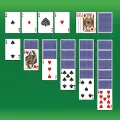
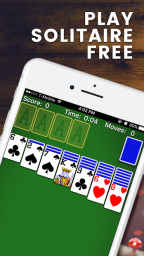
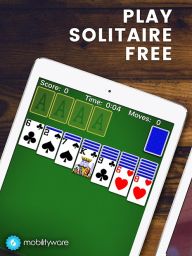
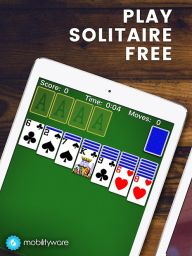
I appreciate how the familiar card layout immediately creates a sense of comfort. There is something satisfying about seeing the deck, organizing cards, and slowly building a solution.
The simplicity also makes Solitaire accessible. New players can understand the basics quickly, while experienced players can continue improving their approach and decision-making.
The Cards Become the Main Characters
Solitaire does not have traditional characters, but the cards themselves become the focus of the experience. Each card represents a decision, a possibility, or a challenge that affects the entire game.
I like how every new layout creates a different situation. The same rules can produce completely different experiences because the arrangement of cards changes every time.
This randomness creates replay value. I never know exactly what kind of challenge the next game will provide, which keeps the experience fresh.
Strategy Makes Simple Rules More Interesting
At first glance, Solitaire may look like a game based only on moving cards, but there is more strategy involved than it seems. The order of actions, the timing of moves, and the decision to reveal hidden cards all influence success.
I enjoy how the game encourages thinking ahead. A move that looks useful immediately may create problems later. Good decisions often come from understanding future possibilities rather than only focusing on the current situation.
This strategic element gives Solitaire more depth than a purely casual activity. The rules are easy, but the choices create complexity.
The Relaxing Rhythm Creates a Unique Atmosphere
One of the reasons Solitaire remains popular is its calming pace. Unlike many modern games that rely on constant action, Solitaire allows me to slow down and focus.
I like the feeling of concentration it creates. Moving cards, planning sequences, and watching the board change can become a peaceful routine.
The game works well during short breaks because it does not require a large commitment. A few minutes can still provide a satisfying experience.
Different Versions Add Variety
Over time, Solitaire has appeared in many different forms, with variations that change the rules while keeping the core idea. These versions provide new challenges for players who want something different.
I enjoy how small changes can create completely new strategies. A different card arrangement or rule adjustment can change the entire feeling of the game.
This flexibility is one reason Solitaire has remained relevant across different platforms and generations.
The Visual Design Supports Focus
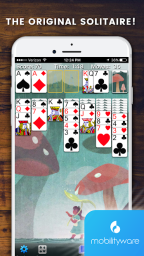
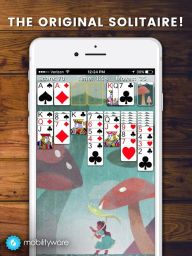
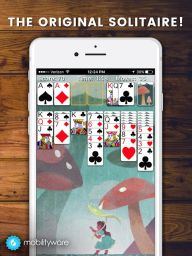
The visual style of Solitaire is usually simple, and that simplicity is one of its advantages. The cards are the main focus, so the design avoids unnecessary distractions.
I appreciate interfaces that make the important information easy to understand. A good Solitaire design allows me to focus on decisions instead of searching through complicated menus.
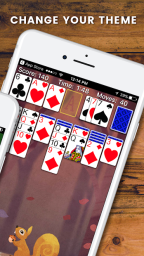
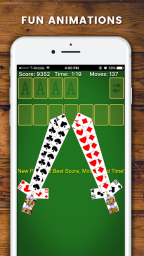
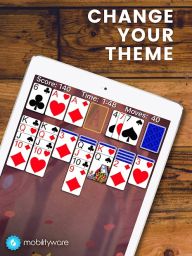
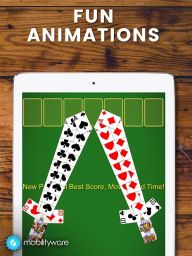
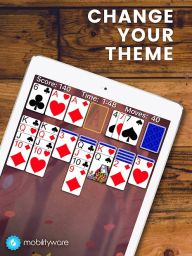
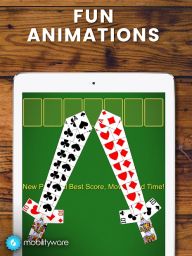
Modern versions may add themes, animations, and customization options, but the strongest experiences still respect the clarity of the original concept.
The Sound Design Adds Small Moments of Satisfaction
Sound plays a supporting role in Solitaire. Card movements, successful actions, and subtle effects help create a more enjoyable experience.
I like how small audio details can make simple actions feel more rewarding. A card moving into place or completing a section of the layout creates a sense of progress.
The sound design does not need to be dramatic because the appeal of Solitaire comes from focus and relaxation.
Solitaire Fits Modern Digital Habits
One of the reasons Solitaire continues to work well on digital devices is convenience. I can play it whenever I have a few free moments without needing special preparation.
I like that the game does not demand constant attention. It can be a quick activity during a short break or a longer session when I want something calm.
This flexibility makes Solitaire suitable for many different players and situations.
The Challenge Comes From Personal Improvement
Solitaire does not rely on character upgrades, competitive rankings, or large rewards. The motivation comes from improving my own decisions and completing more difficult layouts.
I enjoy this personal approach because success feels connected to skill and patience. Winning a difficult game feels satisfying because I understand the choices that led to that result.
The challenge is quiet but meaningful. The game encourages concentration rather than constant excitement.
The Social Side Is Different From Multiplayer Games
Unlike many modern games, Solitaire is usually a personal experience. The enjoyment comes from individual focus rather than direct competition or cooperation.
I like this because it creates a different type of entertainment. There is no pressure to perform for others. The experience is simply about solving the puzzle in front of me.
Some digital versions add statistics, achievements, or sharing features, but the core appeal remains personal achievement.
Where Solitaire Feels Strongest and Where It Has Limits
Solitaire feels strongest when I want a simple but thoughtful experience. Its greatest strength is the ability to provide relaxation and strategy at the same time.
The main limitation is that players searching for constant variety, deep stories, or advanced gameplay systems may find it too simple. Solitaire is intentionally focused, and that focus defines both its appeal and its limits.
For me, Solitaire remains enjoyable because it proves that great design does not always require complexity. A deck of cards and a few clear rules can still create a satisfying experience.
Pros
- Relaxing pace makes it perfect for short sessions
- Random layouts provide replay value
- Classic design remains enjoyable over time
- Different variations add additional challenges
- Low learning barrier allows quick enjoyment
- Personal improvement creates satisfying progress
Cons
- Long sessions can become repetitive
- Random layouts can sometimes feel unfair