




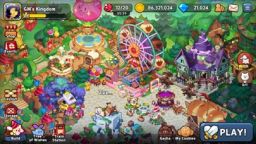
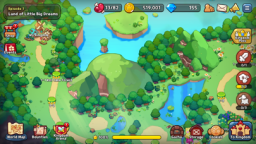
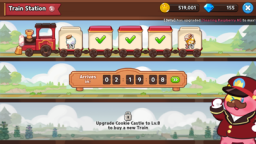
CookieRun: Kingdom looks adorable at first, but the cuteness is only the front door. Behind the smiling Cookies, soft colors, dessert-themed buildings, and cheerful kingdom music, there is a busy mobile RPG built around team composition, resource production, upgrades, story progression, PvP, guild activity, events, and collection systems. That mix is what makes the game interesting. It is not only a kingdom decorator, not only a character collector, and not only an auto-battle RPG. It keeps combining those identities until the player has a long list of things to check, improve, unlock, and rearrange. Sometimes that feels generous. Sometimes it feels crowded. But it rarely feels empty.
The Cookie Cast Gives the Game Its Biggest Personality
The Cookies are the reason CookieRun: Kingdom stands out immediately. A fantasy RPG party made of dessert characters could have felt like a joke, but the game commits to the idea with full confidence. The characters have names, voices, powers, costumes, rarities, roles, relationships, and enough visual personality to make the roster feel larger than a simple collection screen.
App Store describes the game around meeting Cookies voiced by a cast of voice actors, watching their epic skills, enjoying their voices, and dressing them in costumes. That matters because CookieRun: Kingdom depends heavily on emotional attachment. A player is not only building a strong team. They are choosing favorites, saving resources for specific Cookies, and slowly turning a roster into a personal collection.
-
Each Cookie has a distinct design, role, and combat identity;
-
Voice acting makes the characters feel more alive than basic units;
-
Costumes help favorite Cookies feel more personal;
-
The dessert-fantasy style gives the roster a memorable visual hook;
The Story Gives the Sweet World a Darker Edge
CookieRun: Kingdom’s world is called Earthbread, and the story follows GingerBrave and friends as they face Dark Enchantress Cookie and uncover the secrets of ancient Cookies and their kingdoms. Google Play presents that journey as one of the game’s central pillars. The fantasy setup is simple enough for mobile play, but it gives the game more emotional shape than a pure battle menu would have.
I like that the story balances sweetness with danger. The world looks soft, but the conflict is not completely weightless. Kingdoms have histories, heroes fall into legends, villains carry real threat, and the Cookies are often fighting for more than treasure. This contrast between cute presentation and dramatic fantasy stakes gives CookieRun: Kingdom a stronger identity than many mobile RPGs that only rely on character collecting.
Kingdom Building Makes Progress Feel Visible
The kingdom-building layer is one of the game’s smartest ideas. Google Play describes building a sweet kingdom with decorations, material production, item crafting, and daily kingdom life. That layer gives the player a home base instead of sending them only through battle screens.
I enjoy how the kingdom slowly becomes a reflection of progress. Buildings unlock, production chains grow, decorations fill empty spaces, and the kingdom starts to feel like a living hub for the Cookies. It is not the deepest city-builder in the world, but it gives the RPG systems a cozy visual center. Instead of feeling like I am only farming numbers, I can see my world becoming busier.
-
Decorations make the kingdom feel personal;
-
Production buildings give resources a practical purpose;
-
Crafting connects the peaceful kingdom layer to progression;
-
The home base gives the game a softer rhythm between battles;
The Battle System Is Easy to Watch but Still Strategic
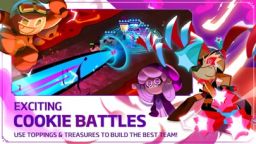
CookieRun: Kingdom uses a team-based battle system where Cookies fight in formation and unleash skills at key moments. At first, it can look like a simple auto-battler, but team building adds more depth. Frontline durability, damage output, healing, support, control effects, treasures, toppings, and timing all matter.
Google Play highlights creating the ultimate Cookie team with combinations of Treasures and Toppings, then testing battle skill in modes such as Kingdom Arena, Cookie Alliance, Super Mayhem, and Guild Battles. That is where the game becomes more strategic. A favorite Cookie may look adorable, but the team still needs balance. A strong damage dealer will not survive long without protection. A healer may need the right support. A PvE team may not work the same way in Arena.
Toppings Turn Character Building Into a Mini Optimization Game
Toppings are one of the systems that add depth to Cookie builds. They influence stats, performance, and how a Cookie behaves in different modes. A damage Cookie may need stronger attack. A fragile Cookie may need survivability. A support Cookie may benefit from cooldown reduction. These choices make the same character feel more flexible.
I like toppings because they reward players who pay attention. The game is playable casually, but improving toppings can make a noticeable difference. That gives committed players something to tune beyond simply leveling characters. The downside is that optimization can become a grind, especially when players want ideal substats or need different builds for multiple modes.
-
Toppings help shape each Cookie’s role;
-
Cooldown, attack, damage resistance, and other stats can change performance;
-
Good builds matter more in harder PvE and PvP content;
-
Optimization gives long-term players another progression layer;
Treasures Add Another Layer to Team Planning
Treasures are important because they affect the entire battle plan. A Treasure can support offense, defense, healing, cooldowns, utility, or survival depending on the setup. This means team building is not only about choosing five Cookies. It is also about choosing the tools that make those Cookies work together.
I enjoy this system because it creates another reason to experiment. A team that feels weak with one Treasure setup may perform much better with another. Treasures can also push players toward different strategies, such as burst damage, longer survival, or faster skill cycling. It is a small layer visually, but strategically meaningful.
Kingdom Arena Reveals the Competitive Side
Kingdom Arena is where CookieRun: Kingdom becomes much less casual. PvP forces players to think about meta teams, counters, speed, survivability, burst windows, defensive setups, and how their Cookies perform against real player-built teams. Google Play specifically names Kingdom Arena as one of the major places to prove battle skill.
I find Arena exciting because it turns collection and progression into a visible test. A team that clears story content may fail against an optimized PvP setup. That can be frustrating, but it also gives advanced players a reason to keep improving. Arena makes the game feel competitive without changing its cute presentation.
-
Arena rewards strong team composition and optimized builds;
-
PvP exposes weaknesses that story stages may not punish;
-
Meta shifts make players reconsider favorite teams;
-
Competitive rewards give long-term players another goal;
Guild Battles Make the Game Feel More Social
Guild Battles help CookieRun: Kingdom move beyond solo progression. Playing with a guild gives players shared goals, regular activities, rewards, and a reason to coordinate beyond their own kingdom. Google Play lists Guild Battles among the major battle modes, alongside Arena, Cookie Alliance, and Super Mayhem.
I like guild systems when they make a mobile RPG feel less lonely. A player may log in for their own dailies, but guild progress gives those actions a wider purpose. Guild Battles also encourage players to learn specific team setups and contribute consistently. The social pressure can be motivating, although casual players may prefer a low-pressure guild rather than a highly demanding one.
Cookie Alliance and Super Mayhem Add More Ways to Test Rosters
Modes like Cookie Alliance and Super Mayhem matter because they ask more from the player’s collection. Instead of relying only on one main team, these modes often push players to think about broader roster depth, different formations, and longer-term progression. That helps justify collecting and building more Cookies.
I appreciate this because character collectors can become narrow if only five units matter. CookieRun: Kingdom is more engaging when different modes reward different teams. A Cookie that is not perfect for Arena may still be useful elsewhere. A deeper roster makes the account feel more alive.
-
Multiple modes prevent one team from solving everything;
-
Roster depth becomes more valuable over time;
-
Different battle formats encourage experimentation;
-
Advanced modes give veteran players more long-term goals;
The Gacha System Is Exciting but Also the Main Caution
CookieRun: Kingdom is a character-collection game, and that means gacha-style pulls are a major part of the experience. New Cookies, rare Cookies, banners, currencies, mileage-style systems, and event rewards all shape how players build their roster. The excitement of pulling a favorite Cookie is real. So is the frustration of not getting the Cookie a player wants.
I think this is the biggest caution in the game. CookieRun: Kingdom can be enjoyed casually, especially if players accept slow progress and do not chase every release. But the collection layer is designed to create desire. Favorite characters, limited opportunities, strong meta units, and beautiful costumes can make spending feel tempting. The healthiest way to play is to treat pulls as a long-term resource decision, not an emotional emergency.
Events Keep the Kingdom Feeling Alive
CookieRun: Kingdom is a live-service game, and events are central to its rhythm. Devsisters’ official site lists CookieRun: Kingdom activity including a 5th Anniversary Fanart Contest in January 2026, earlier awards, and a global player count milestone of 60 million excluding China by December 2024. This shows how active and large the game’s community presence has become.
I like events because they give returning players new reasons to log in. A new Cookie, costume, story chapter, challenge, anniversary reward, or themed activity can make the kingdom feel refreshed. The downside is that constant events can become tiring if players feel they must complete everything. CookieRun: Kingdom is charming, but it can also be demanding when event timers are running.
-
Events introduce new Cookies, stories, rewards, and challenges;
-
Anniversary activities keep the community engaged;
-
Limited-time rewards can make sessions feel more purposeful;
-
Too many timers can create pressure for casual players;
The Art Direction Is Sweet Without Feeling Generic
CookieRun: Kingdom has a strong visual identity. The characters look edible, expressive, and instantly recognizable, but the fantasy setting gives them more personality than simple candy mascots. The kingdom buildings, UI, skill animations, costumes, decorations, and story scenes all support a cheerful dessert-world atmosphere.
I like that the game’s cuteness has range. It can be cozy in the kingdom, dramatic in battle, funny in character moments, and surprisingly emotional during story scenes. Many mobile games look colorful, but CookieRun: Kingdom has a specific flavor. It knows exactly what kind of world it wants to be.
The Voice Acting Gives the Cookies More Emotional Weight
Voice acting is a major part of why the Cookies feel memorable. App Store emphasizes that the Cookies are voiced by an “amazing cast of voice actors,” and that players can fall in love with their voices as well as their skills and designs. That is not just marketing language. Voices help character collectors build attachment.
I think the voice work makes the game feel more premium than a silent character-card RPG. A skill line, story scene, or short character reaction can make a Cookie feel like a real cast member. That matters because CookieRun: Kingdom depends on players caring about who joins the team, not only what stats they bring.
-
Voice lines make battles feel more energetic;
-
Story scenes benefit from stronger character personality;
-
Favorite Cookies become easier to remember through sound;
-
Voice acting helps the game feel more polished and theatrical;
The Kingdom Routine Can Be Relaxing or Busy
The daily kingdom routine is one of the game’s most distinctive features. Producing materials, crafting goods, collecting rewards, checking buildings, upgrading structures, and managing resources creates a softer gameplay loop between battles. It can feel relaxing because the kingdom always has something small to do.
At the same time, that routine can become busy. Production timers, crafting needs, upgrade requirements, event tasks, battle modes, daily missions, and resource farming can pile up quickly. CookieRun: Kingdom is at its best when those tasks feel like a pleasant routine. It is less enjoyable when the kingdom starts feeling like a checklist factory.
The Story Content Helps Break Up the Grind
Story chapters are important because they give emotional meaning to progression. Without story, the game could feel like a loop of farming, upgrading, and battling. The journey across Earthbread adds direction. GingerBrave, ancient Cookies, kingdoms, and Dark Enchantress Cookie create a fantasy frame that makes battles feel connected.
I enjoy story content most when it reveals more about the Cookies and their world. The game’s lore can be playful, but it also has dramatic stakes. That combination gives CookieRun: Kingdom a broader appeal than a pure management or battle game. Players who care about characters have a reason to continue beyond power growth.
-
Story chapters give battles a narrative purpose;
-
Earthbread creates a larger fantasy setting beyond the player kingdom;
-
Ancient Cookies and villains add dramatic weight;
-
Character moments make progression feel less mechanical;
The Game Can Feel Generous, Then Suddenly Demanding
CookieRun: Kingdom often gives players rewards, events, resources, pulls, and reasons to keep going. That generosity feels good, especially for new or returning players. The early experience can be exciting because unlocks happen frequently and the kingdom grows quickly.
Later, progression can become more demanding. Upgrades require more resources, stronger Cookies need better toppings, modes require more specific teams, and event goals may take more time. This is normal for mobile RPGs, but it is still worth noting. CookieRun: Kingdom begins like a cozy dessert party, then gradually reveals a serious progression machine underneath.
Mobile Access Fits the Game’s Design
Your product list includes both Google Play and App Store links for CookieRun: Kingdom, which fits the game’s mobile-first identity. The short check-in style works well on phones: collect resources, start production, clear a stage, pull on a banner, check Arena, help the guild, then return later.
I think the mobile format suits CookieRun: Kingdom because the game is built around layers of activity. Some sessions can be short and practical. Others can be longer if the player wants to push story, optimize teams, redecorate the kingdom, or participate in events. The game gives players many possible session lengths, which is useful for mobile habits.
The Community and IP Keep Growing
CookieRun has become a major IP for Devsisters, and CookieRun: Kingdom is a big part of that growth. Devsisters reported that CookieRun: Kingdom reached 60 million global players excluding China by December 2024, and noted awards such as Google Play’s 2023 Best on PC and Best Ongoing honorable mention.
This matters because live-service games depend on ongoing support and community interest. A large player base helps keep updates, fan art, guides, tier lists, events, and social discussion alive. CookieRun: Kingdom feels bigger than a single mobile app because the characters and world have become part of a broader fandom.
-
Large player milestones show strong global reach;
-
Awards and ongoing updates support the game’s long-term reputation;
-
Fan art and community events make the world feel active outside the app;
-
The CookieRun IP gives the game a stronger identity than a standalone RPG;
The Monetization Requires Self-Control
Like many mobile RPGs, CookieRun: Kingdom is free-to-play but built around purchases, currencies, banners, bundles, passes, and cosmetics. The game can be enjoyable without buying everything, but the design regularly creates reasons to want more resources. New Cookies and strong meta units are especially tempting.
I would approach the monetization carefully. It is easy to justify one small purchase during an event or when a favorite Cookie appears. But the game is strongest when spending stays optional. Players should decide their limits before the banner pressure starts. CookieRun: Kingdom is cute, but its economy is still a modern mobile game economy.
The Best Use of Time Is Focused Progress
CookieRun: Kingdom gives players many activities, and trying to do everything at once can feel overwhelming. I think the game is more enjoyable when progress is focused. Build a main story team. Improve a few strong Cookies. Keep the kingdom production running. Join a guild that matches the player’s pace. Participate in events selectively rather than treating every task as mandatory.
This approach helps the game stay fun. CookieRun: Kingdom can become a cozy daily routine or a stressful checklist depending on how it is played. The difference often comes from expectations. Casual players should not play like competitive whales. Competitive players should expect more resource management and optimization.
Where CookieRun: Kingdom Feels Most Effective
CookieRun: Kingdom feels most effective when all of its systems support each other. The story makes me care about the Cookies. The battles make me build stronger teams. The kingdom gives me resources and a personal home base. Events give me new goals. Guilds make progress feel social. When those pieces connect, the game feels rich and satisfying.
It also succeeds because its tone is unusually distinctive. A dramatic RPG about dessert characters could have collapsed into nonsense, but CookieRun: Kingdom treats its world with enough sincerity to make the jokes and emotions work together. It is cute, but not empty. It is busy, but not meaningless. It is a mobile RPG with a flavor that is very much its own.
Where CookieRun: Kingdom Feels Less Strong
The biggest weakness is overload. There are many Cookies, modes, currencies, resources, events, upgrade paths, toppings, treasures, buildings, and tasks. New players may love the amount of content at first, then feel overwhelmed once the systems start stacking. The game can become demanding if every notification feels urgent.
The second weakness is gacha pressure. Character collection is exciting, but it can also be frustrating when luck does not cooperate. Players who want a specific Cookie, costume, or meta team may feel tempted to spend or grind heavily. CookieRun: Kingdom is most enjoyable when the player accepts long-term progress instead of chasing every release immediately.
Pros
- Distinct Cookie characters, voice acting, costumes, and fantasy designs give the game huge personality
- Combines RPG battles, kingdom building, story progression, events, guilds, and collection systems in one package
- Treasures, Toppings, team roles, Arena, Cookie Alliance, Super Mayhem, and Guild Battles create strategic depth
- Kingdom decoration, production, and crafting provide a cozy home-base loop between battles
- Ongoing updates, community events, anniversary content, and a large global player base support long-term play
Cons
- The number of modes, resources, currencies, upgrades, and events can feel overwhelming for new or casual players
- Gacha-style character collection can create frustration when favorite or meta Cookies are hard to obtain
- Progression can become grindy as teams, toppings, buildings, and battle modes require more investment
- Live-service timers and limited events may create pressure to log in frequently
- Players who only want simple kingdom decoration may find the RPG systems too busy, while pure RPG fans may find production tasks repetitive