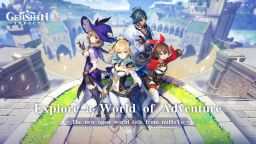
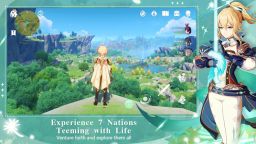



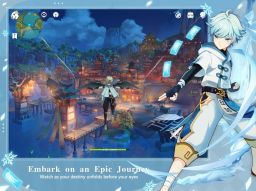

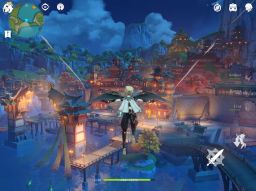
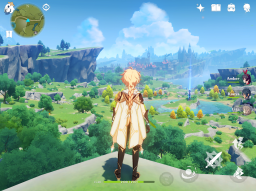
Genshin Impact feels like the kind of game that opens a door, smiles politely, and then reveals an entire world behind it. I did not go in expecting a small mobile-friendly adventure with a few scenic areas and simple combat. I found a huge fantasy journey full of regions, elemental systems, character stories, puzzles, bosses, cooking, exploration, and enough collectibles to make me forget what I originally planned to do. It is one of those games where I can log in for one daily task and somehow end up climbing a mountain because a glowing object looked suspicious from far away.
What makes Genshin Impact so easy for me to return to is its sense of discovery. The game understands the pleasure of seeing something interesting on the horizon and simply going there. A tower, a ruin, a floating platform, a cave entrance, a strange tree, or a distant island can become the start of an unexpected detour. It gives me a structured adventure, but it also lets curiosity lead the way, and that freedom is a major part of its charm.
A World That Looks Painted by Wind, Light, and Myth
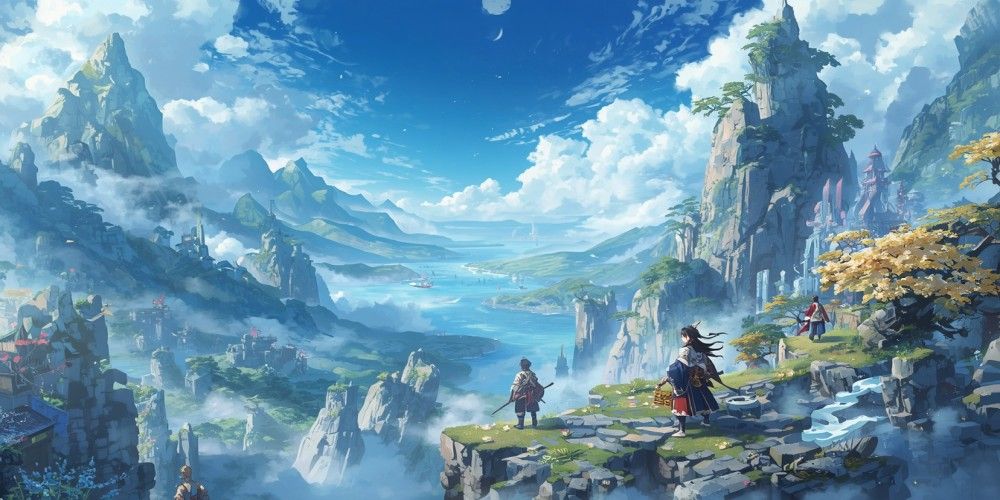
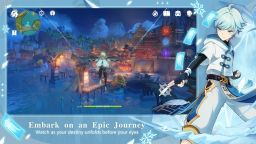
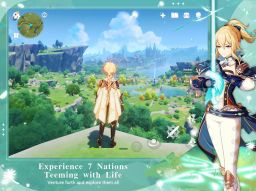
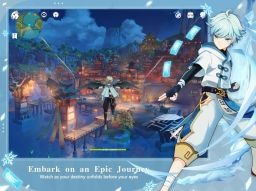
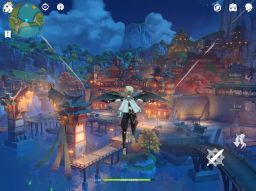
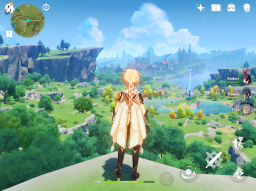
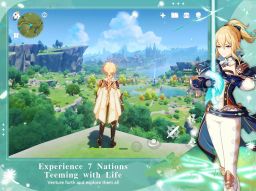
The visual identity of Genshin Impact is one of its strongest qualities. Teyvat has a bright anime-inspired style, but it does not feel flat or cheap. The landscapes are colorful, layered, and full of atmosphere. Mondstadt feels airy and green, Liyue has mountains and golden stone, Inazuma brings stormy islands and purple skies, Sumeru mixes rainforest and desert moods, Fontaine introduces elegant waterways, and every region has its own cultural flavor, music, architecture, and emotional tone.
I like how the game uses color to guide exploration. Important objects often stand out without looking artificial. Elemental monuments, treasure chests, flowers, ore, enemy camps, and puzzle devices are usually placed in ways that catch my eye naturally. The world feels designed for wandering, not just for following icons.
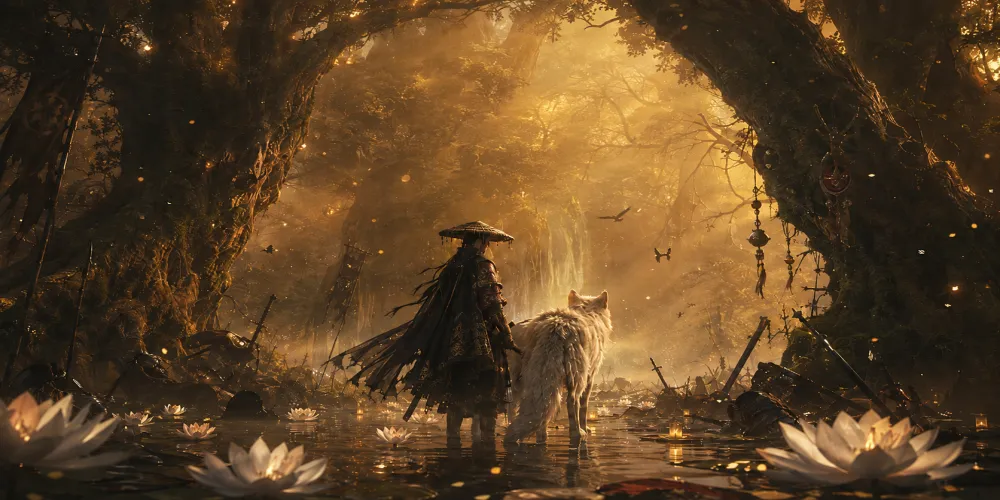
The art direction also makes the game age well. It does not chase strict realism, so the scenery keeps its charm even when compared with newer releases. Sunsets, cliffs, lakes, forests, city streets, and snowy paths all have a postcard-like beauty. Sometimes I stop moving just to look at the landscape, which is always a good sign in an open-world game.
The Traveler Gives the Journey a Personal Thread
The central character is the Traveler, and I like how the story uses them as both a player avatar and a person with a clear emotional goal. The search for the lost sibling gives the adventure a personal direction, even when the game spends long stretches exploring local conflicts, festivals, gods, political tension, ancient ruins, and regional mysteries.
The Traveler is not the loudest personality in the cast, but that works because Genshin Impact is built around meeting others. The world becomes meaningful through the people I encounter. Archons, knights, adventurers, scholars, performers, warriors, merchants, and mysterious strangers all help define the regions they come from.
Paimon is also central to the experience. She can be funny, helpful, dramatic, and occasionally too talkative, but she gives the journey a consistent companion. Her reactions often turn serious fantasy scenes into something warmer and more playful. I understand why some players find her excessive, yet I also think the adventure would feel strangely empty without her constant presence.
The Character Roster Is the Game’s Biggest Emotional Hook
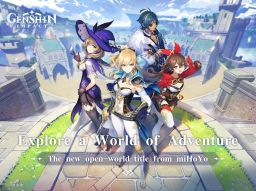
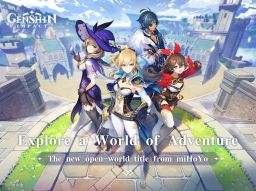
Genshin Impact’s playable characters are more than combat tools. They are the heart of the game’s long-term appeal. Each one has a design, element, weapon type, voice, personality, backstory, and role in the world. I do not only think about whether a character is strong. I think about whether I like their style, their animations, their story, and the way they fit into my team.
The character designs are impressive because they balance fantasy beauty with recognizable silhouettes. Diluc feels different from Zhongli. Hu Tao feels different from Raiden Shogun. Nahida feels different from Neuvillette. Furina feels different from Venti. Even before I test their skills, I can usually sense what kind of energy a character brings.
I enjoy how the game makes new characters feel like events in themselves. A banner does not simply offer another unit. It offers a new play style, a new personality, and sometimes a new reason to rebuild teams. That emotional pull is powerful, though it also connects directly to the game’s gacha system, which can be exciting and dangerous for anyone who struggles with limited-time rewards.
Elemental Combat Makes Team Building Feel Creative
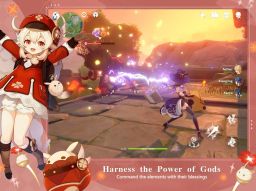
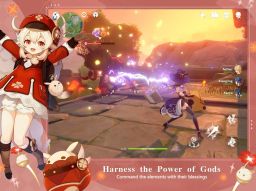
The combat system is built around elemental reactions, and that gives Genshin Impact much more depth than basic attack swapping. Pyro, Hydro, Electro, Cryo, Anemo, Geo, and Dendro interact in different ways, creating reactions that can shape an entire team strategy. I like that a good team is not only about raw strength. It is about timing, synergy, rotation, and knowing which elements support each other.
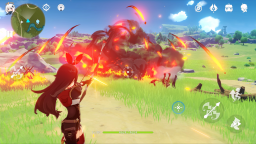
The four-character party system keeps fights active. I switch between characters, apply elements, trigger reactions, use skills, manage energy, and set up bursts. When the rotation works smoothly, combat feels elegant. A shield appears, an enemy gets marked, a support skill activates, reactions spread, and the main damage dealer takes the stage at the right moment.
What I appreciate most is that combat can be casual or highly optimized depending on how deeply I want to engage. I can explore the world with a comfortable team and not worry too much. Then, when I enter harder content, I can focus on artifacts, stats, reaction timing, energy recharge, and team roles. The system has enough layers to keep dedicated players busy.
Exploration Is Full of Tiny Rewards
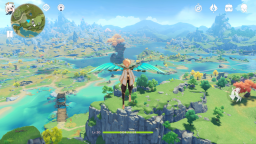
Exploration in Genshin Impact is addictive because the world constantly pays attention to curiosity. If I climb a cliff, there may be a chest. If I follow a Seelie, I may find a puzzle. If I notice a strange pattern of torches, there may be a hidden reward. If I glide toward a distant platform, the game often gives me a reason for going there.
I like how movement supports this curiosity. Climbing, gliding, swimming, sprinting, and later region-specific travel mechanics make the world feel approachable. I rarely feel fully blocked by terrain. Instead, I look for stamina routes, ledges, wind currents, teleport points, and environmental clues.
The puzzle design varies from simple to surprisingly involved. Some puzzles take only a few seconds, while others require observing symbols, using the right element, moving objects, following clues, or understanding a local mechanic. This variety helps each region feel distinct. The game does not rely only on combat to fill the map.
Storytelling Works Best When Regions Take Center Stage
Genshin Impact has a large ongoing story, but I find it most effective when each region receives time to breathe. The Archon quests often work like fantasy chapters with their own political tension, emotional stakes, and cultural identity. Mondstadt feels like a gentle opening, Liyue adds tradition and contracts, Inazuma brings isolation and authority, Sumeru explores wisdom and memory, and later regions continue expanding the world’s mythology.
The strongest story moments usually happen when personal emotion meets regional conflict. A god’s duty, a nation’s fear, a character’s grief, or a hidden truth can make the larger lore feel more human. I enjoy when the game slows down enough to let characters speak honestly rather than simply moving me from one objective marker to the next.
There are also moments where the writing feels wordy. Some quests could move faster, and dialogue occasionally repeats ideas more than necessary. Still, when the story lands well, it gives the world impressive emotional scale. The game has a way of turning a peaceful city or quiet ruin into something loaded with history.
Music Gives Every Region a Soul
The soundtrack is one of the finest parts of Genshin Impact. Each region has music that matches its identity without feeling generic. Peaceful exploration themes, dramatic boss tracks, city music, festival melodies, and character themes all help Teyvat feel alive. I often remember a place partly because of how it sounded.
Music also changes how exploration feels. A quiet piano line can make a field feel lonely. A warm city theme can make a location feel safe. A tense combat track can make a boss encounter feel grander than its mechanics alone. The audio does a lot of emotional work.
I especially appreciate that the soundtrack supports long sessions without becoming exhausting. Since the game involves a lot of travel, farming, and menu time, the music needs to remain pleasant. Genshin Impact usually succeeds, giving each area a soundscape that feels rich but not too intrusive.
The Gacha System Adds Excitement and Pressure
The character banner system is a huge part of the game’s identity. Pulling for a favorite character can be genuinely exciting, especially when I have saved resources for weeks. The anticipation, animation, and chance of getting a limited character all create a strong emotional reaction.
However, this system is also the part of Genshin Impact I treat most carefully. Limited banners, premium currency, weapon banners, constellations, and time-limited availability can create pressure. The game is playable without owning every character, but it often makes new characters look extremely tempting.
I enjoy the collection aspect when I set boundaries. Saving for a character I truly want feels satisfying. Pulling randomly just because a banner is available can feel less rewarding. Genshin Impact is at its best when I treat the gacha as a long-term planning system rather than a constant invitation to spend.
Daily Tasks, Events, and Long-Term Progress
Genshin Impact has a strong routine structure. Daily commissions, resin spending, events, artifact farming, talent materials, boss drops, exploration progress, and reputation systems all create reasons to return. I like having clear small goals because they make even a short session feel productive.
Events add variety and often bring lighter stories, mini-games, combat challenges, or character interactions. Some events are memorable because they show characters in relaxed situations outside major story drama. Others are mainly useful for rewards. The quality varies, but they keep the world from feeling static.
The downside is that long-term progression can become repetitive. Artifact farming especially can feel slow because good stats depend on luck. Building a character is satisfying, but chasing the perfect artifact set can test patience. I enjoy progression most when I focus on steady improvement instead of perfection.
Co-op Adds a Social Layer, Even If It Is Not the Main Focus
Co-op in Genshin Impact is enjoyable when I want to explore or farm with friends. Running domains, fighting bosses, or helping someone solve world puzzles can make the game feel more social. It is not the deepest multiplayer system, but it adds warmth to a game that is mostly built around solo adventure.
I like visiting another player’s world because it reminds me how personal progression can feel. Their unlocked regions, built characters, and exploration status may differ from mine, which makes the same world feel slightly different. Co-op also makes some tough fights easier and gives casual sessions a more relaxed mood.
Still, the game’s main storytelling and exploration are clearly designed for solo play. Co-op has limitations, especially around quests and certain interactions. I see it as a pleasant extra rather than the core reason to play.
Pros
- Exploration constantly rewards curiosity with puzzles and treasures
- Music gives each region a memorable emotional atmosphere
- Story quests can deliver strong fantasy drama and character moments
- Regular events keep the game active between major updates
- Playable across multiple platforms with flexible session lengths
Cons
- Building characters can require a lot of materials and time
- Co-op is useful but limited compared with full multiplayer adventures
- Inventory systems and upgrade materials can feel overwhelming for new players
- Long-term progress may feel slow without careful resource planning