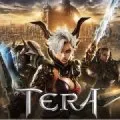
TERA feels like an MMORPG that focuses on creating a powerful sense of adventure through combat, exploration, and a large fantasy world. I entered the game expecting a traditional online role-playing experience, but what impressed me most was how much attention it gives to action-based battles and the feeling of directly controlling my character.
What makes TERA interesting is the way it combines classic MMORPG systems with more active gameplay. Instead of relying only on selecting abilities from a menu, the game encourages movement, timing, and awareness during encounters.
I like games where my actions feel connected to the outcome. TERA creates this feeling by making combat more dynamic and requiring me to pay attention to positioning, enemy behavior, and my own abilities.
A Fantasy World Built for Adventure
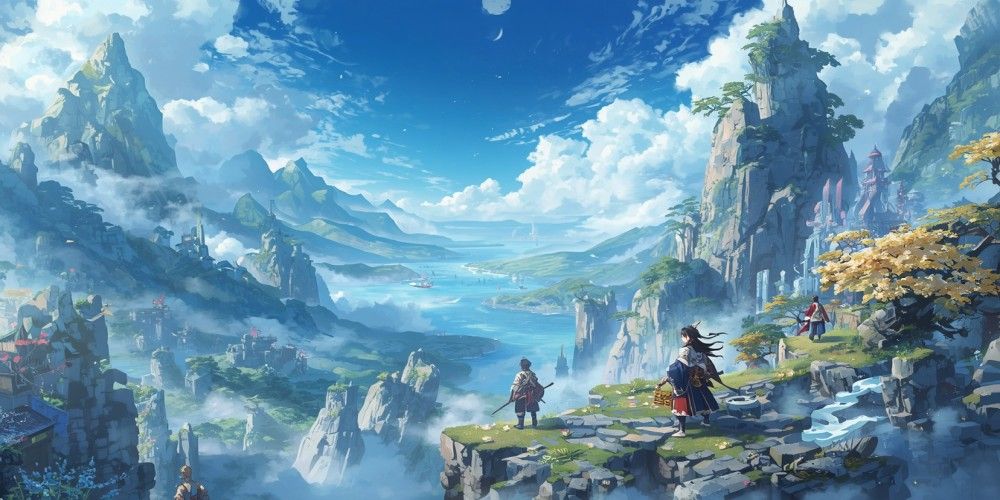
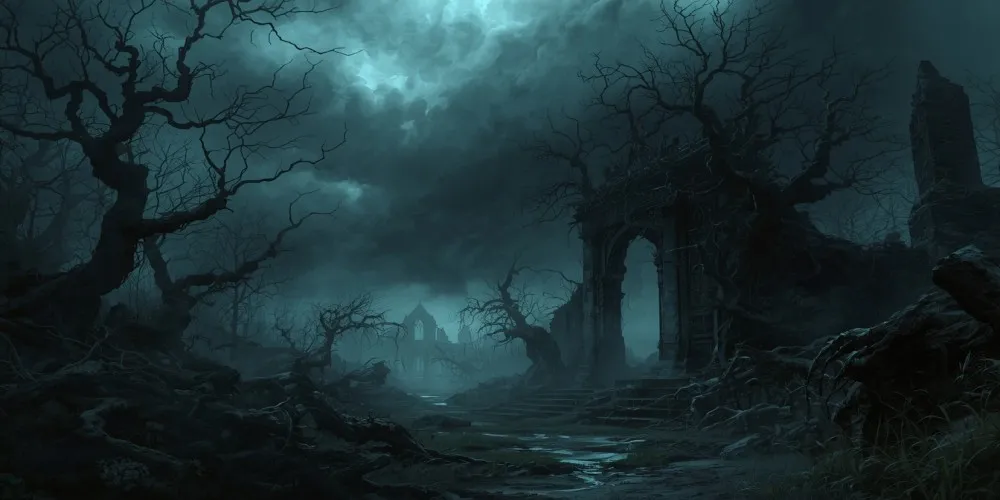
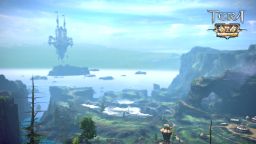
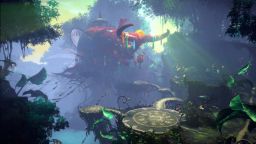
The world of TERA is one of the most important parts of the experience. The game creates a large fantasy environment filled with different regions, cities, creatures, and landscapes.
I enjoy exploring worlds that feel larger than the immediate objectives. Traveling through different areas creates a sense of discovery and makes the journey itself feel meaningful.
The variety of environments helps maintain interest. Forests, deserts, cities, and mysterious locations each create a different atmosphere and encourage exploration.
The Character Creation System Builds Personal Identity
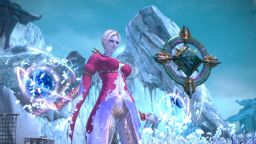
Character creation is an important part of any MMORPG because it allows players to create someone who represents their own style. TERA gives players the opportunity to choose different races, classes, and appearances.
I like how this customization creates a stronger connection with the adventure. A character is not just a tool for completing quests; it becomes my personal presence inside the world.
The different classes also influence the way I experience the game. Choosing a role changes how I approach battles and interact with other players.
Action Combat Creates a Different MMORPG Experience
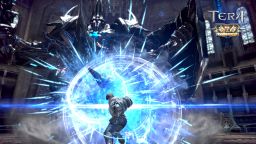
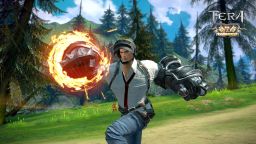
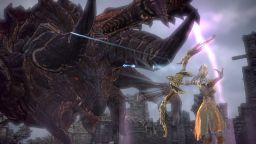
The combat system is one of TERA’s biggest strengths. The game focuses on active battles where movement and timing are important.
I appreciate this approach because it makes encounters feel more engaging. Positioning, avoiding attacks, and choosing the right moment for abilities create a stronger sense of participation.
The combat system helps separate TERA from MMORPGs that rely mostly on passive ability management. Battles feel more like direct challenges rather than simple routines.
The Classes Offer Different Ways to Play
The class system gives TERA a wide range of gameplay styles. Each class has its own strengths, abilities, and role during group activities.
I enjoy experimenting with different approaches because changing classes can create a completely different experience.
Some players may prefer direct combat roles, while others may enjoy supporting teammates or controlling battles from a different position. This variety helps the game appeal to different play styles.
Monsters Create Memorable Battles
The creatures and enemies in TERA are designed to make encounters feel impressive. Large opponents and challenging battles create moments that require attention and preparation.
I like how enemy design encourages players to understand patterns and react carefully. Strong opponents feel more interesting when success depends on strategy rather than only statistics.
The fantasy setting allows the game to create unusual creatures that make exploration more exciting.
Group Content Strengthens the MMORPG Experience
Like many MMORPGs, TERA becomes more interesting when players cooperate. Team-based activities encourage communication, planning, and understanding of different roles.
I enjoy how group content creates situations where every player contributes something important.
Working together can make difficult challenges more rewarding because success feels like a shared achievement.
The Quest System Guides Exploration
Quests help introduce players to the world and provide direction during the adventure. They encourage exploration while explaining different parts of the setting.
I appreciate when quests do more than simply provide rewards. The best ones help me understand the world, characters, and conflicts surrounding the game.
At the same time, players who prefer completely open exploration may find some objectives more structured than expected.
The Visual Design Creates a Strong Fantasy Atmosphere
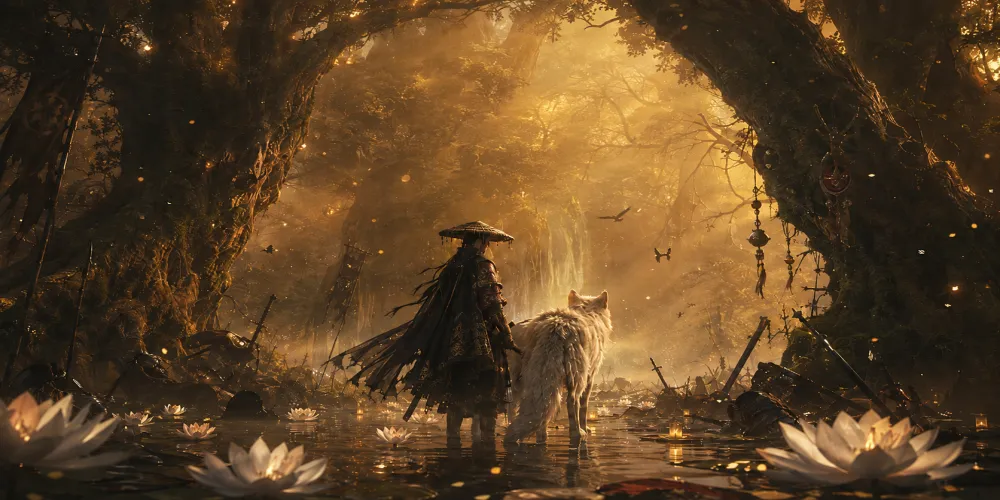
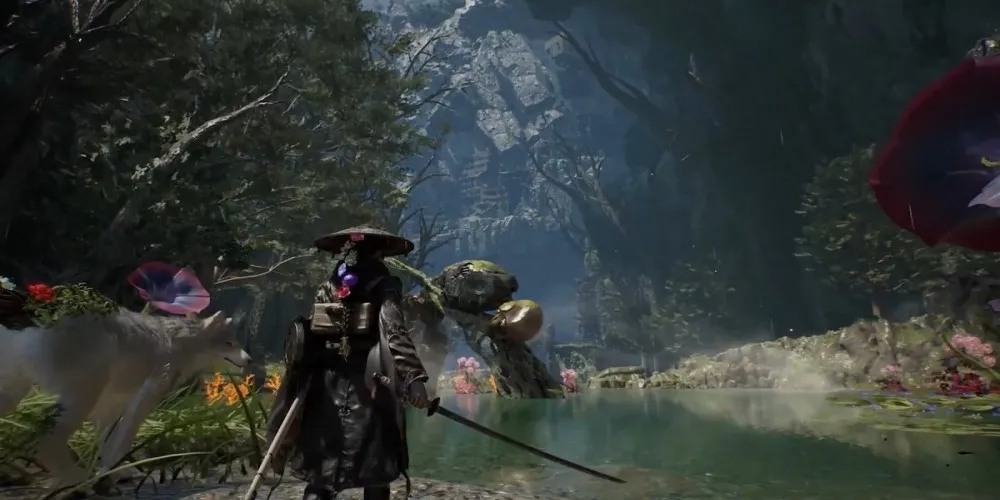
The visual style of TERA remains one of its recognizable features. Detailed environments, character designs, and fantasy creatures help create a memorable world.
I enjoy how the game uses visual elements to support the feeling of adventure. Armor designs, landscapes, and magical effects contribute to the identity of the world.
The artistic direction helps make exploration feel rewarding because different areas have their own personality.
The Music Builds the Feeling of a Grand Journey
The soundtrack plays an important role in creating the atmosphere of TERA. Fantasy adventures often depend on music to make locations and moments feel more significant.
I like how the music supports different situations. Calm exploration areas, intense battles, and important story moments all benefit from the right atmosphere.
A strong soundtrack helps make the world feel larger and more immersive.
Progression Creates Long-Term Motivation
Character development is one of the main reasons players continue exploring MMORPGs. Improving equipment, learning abilities, and becoming stronger create a clear sense of growth.
I enjoy progression systems where effort creates visible improvement. Seeing a character become more capable makes the journey feel rewarding.
Long-term progression also gives players reasons to return and continue developing their characters.
The Community Creates a Living World
An MMORPG depends heavily on its community, and player interaction is an important part of the TERA experience.
I like how online worlds become more interesting when other players are part of the adventure. Trading, cooperation, and shared activities create experiences that cannot be fully replicated alone.
The community aspect helps the world feel active rather than like a collection of scripted events.
The Balance Between Accessibility and Depth
TERA offers systems that are easy to understand at first but become deeper with experience. New players can begin exploring quickly, while experienced players can focus on improving skills and understanding advanced mechanics.
I appreciate games that allow gradual learning. Not every player wants to study every system immediately, but having depth available creates long-term interest.
This balance helps TERA appeal to both casual adventurers and dedicated MMORPG players.
Where TERA Feels Strongest and Where It Has Limits
TERA feels strongest when it combines action-based combat, fantasy exploration, and character progression. The game creates a strong sense of adventure by making players feel directly involved in battles.
The main limitation is that players who prefer simpler online experiences may find the number of systems and long-term progression requirements demanding.
For me, TERA succeeds because it focuses on the feeling of being inside a fantasy adventure. The world, combat, and character development work together to create a memorable MMORPG experience.
Pros
- Character classes provide different play styles
- Strong visual design creates memorable environments
- Group content encourages cooperation
- Character progression provides long-term goals
- Combat requires timing and positioning
- Fantasy atmosphere supports immersive adventures
Cons
- Long-term progression may not suit casual players
- Some gameplay elements can feel repetitive over time