Overwatch 2 is a game built around one simple idea: every player should feel like a hero. It is not only about aiming better or reacting faster. It is about choosing the right character, understanding a team role, creating combinations, adapting during a match, and knowing when one ability can completely change the outcome.
Few multiplayer games have built such a strong identity around character design. In Overwatch 2, heroes are not just weapons with different skins. They are personalities with unique movement, abilities, strategies, strengths, weaknesses, and playstyles. A match can feel completely different depending on whether I choose a defensive tank, an aggressive damage hero, or a support character keeping the entire team alive.
The Product List Places Overwatch 2 as an Active Action Game
Your product list marks Overwatch 2 as an active Action product, with the type Combine game and a date of 01-11-2022. This classification fits the game because Overwatch 2 is designed around competitive team-based action rather than traditional single-player progression.
Blizzard launched Overwatch 2 as a free-to-play live experience with new PvP gameplay, heroes, maps, and ongoing content updates. Steam describes it as a free-to-play team-based action game set in an optimistic future, featuring competitive battlefield matches and a large hero roster.
-
The uploaded list identifies Overwatch 2 as active;
-
The category is Action;
-
The product type is Combine game;
-
The strongest SEO intent is around heroes, gameplay, PvP, seasons, maps, roles, Battle Pass, and competitive matches;
The Hero System Is the Heart of the Game
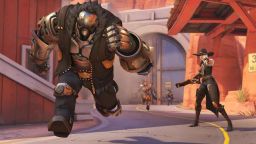
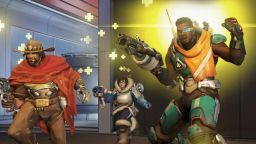
The biggest reason Overwatch 2 remains recognizable is the hero system. Instead of choosing a generic soldier, players select characters with completely different identities. A match can include a time-jumping fighter, a cybernetic ninja, a battlefield commander, a healing specialist, or a powerful frontline defender.
I like this approach because it makes every match feel like a puzzle. The question is not only “Can I aim?” It is “What does my team need right now?” A great player understands when to change heroes, support teammates, counter enemy strategies, or adjust their role.
Three Roles Create Team Structure
Overwatch 2 organizes heroes into three main roles: Tank, Damage, and Support. Blizzard describes tanks as heroes who absorb pressure and lead attacks, damage heroes as offensive specialists, and supports as characters who heal, protect, enhance allies, or disrupt opponents.
This structure is one of the game’s strongest ideas. Everyone has a purpose. A support player can completely change a fight without having the highest elimination count. A tank can create opportunities by controlling space. A damage hero can finish important targets. The game rewards cooperation more than individual statistics.
-
Tanks control space and protect teammates;
-
Damage heroes focus on pressure and offensive plays;
-
Supports keep teams alive and create advantages;
-
Successful teams depend on coordination between all roles;
The Combat Feels Fast and Dynamic
Overwatch 2’s combat is built around speed, abilities, movement, and constant decision-making. A player is always watching cooldowns, positioning, objectives, teammates, and enemy threats. A few seconds can completely change a match.
I enjoy the rhythm because it feels different from traditional shooters. A good match is not only about accuracy. It is about timing. Using an ability too early can waste an opportunity. Using it at the perfect moment can create a team victory.
Every Hero Creates a Different Experience
The strongest part of Overwatch 2 is that switching heroes genuinely changes the game. Playing a mobile damage hero feels completely different from protecting a team as a tank or controlling a battlefield as a support.
I like that experimentation is encouraged. A player can discover a favorite hero through personality, mechanics, or team value. Some characters reward aggressive play. Others reward patience and planning. The variety gives the game long-term replay value.
-
Hero abilities create different strategies;
-
Movement styles make characters feel unique;
-
Players can adapt instead of staying locked into one playstyle;
-
Learning multiple heroes improves overall understanding of the game;
The 5v5 Format Changes Team Dynamics
One of the major changes introduced with Overwatch 2 was the move toward a 5v5 PvP structure. Blizzard explained that the new format was designed to create a faster experience and give individual players more influence during matches.
I think this change makes matches feel more personal. Every player has more responsibility. A single mistake, smart decision, or impressive play can have a bigger impact. At the same time, that also means individual errors are more noticeable. There is less room to disappear inside a large team.
Maps Turn Matches Into Strategic Battles
Overwatch 2 maps are designed around objectives, movement paths, defensive positions, and team strategies. A good map creates multiple ways to attack and defend, encouraging players to think instead of simply running forward.
I like when maps become part of the strategy. A hero who dominates in one location may struggle in another. A team composition that works on one map may need adjustment elsewhere. The environment becomes another layer of decision-making.
-
Maps influence hero choices and team strategies;
-
Objectives create more depth than simple elimination-based matches;
-
Different locations reward different playstyles;
-
Map knowledge becomes an important competitive skill;
The Game Has a Strong Competitive Identity
Overwatch 2 is designed around competition. Ranked modes, team coordination, hero knowledge, and mechanical skill all matter. Unlike many shooters where individual performance can dominate, Overwatch often requires players to understand the entire team situation.
I enjoy this because victories feel earned through cooperation. A perfectly timed ultimate, a smart defensive move, or a teammate saving the group at the right moment can be more memorable than simply getting the highest number of eliminations.
The Seasonal Model Keeps the Game Moving
Blizzard positioned Overwatch 2 as an evolving live-service game with regular content updates, including heroes, maps, modes, and cosmetics. This structure means the game changes constantly instead of remaining frozen after launch.
I like the idea because multiplayer games need freshness. New heroes and balance changes can completely change strategies. However, live-service games also create pressure to keep up with updates, understand changes, and adjust constantly.
The Battle Pass System Changes Progression
Overwatch 2 uses a seasonal progression structure connected to Battle Pass rewards. Blizzard explained that the free-to-play transition introduced new systems around Battle Passes, shops, hero unlocks, and regular content delivery.
I think the Battle Pass model has both advantages and disadvantages. It gives players clear goals and regular rewards. At the same time, some players may feel pressure to complete seasonal challenges before time runs out.
-
Seasonal rewards give players reasons to return;
-
New content keeps the game changing;
-
Battle Pass progression creates additional goals;
-
Time-limited systems can feel demanding for casual players;
The Character Design Is Still Exceptional
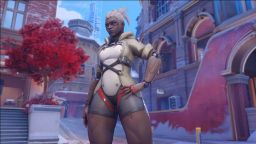
Overwatch has always been known for memorable heroes, and Overwatch 2 continues that tradition. Characters are visually distinct, mechanically different, and supported by detailed personalities and backgrounds.
I think this is where Blizzard’s design philosophy remains strongest. Even players who do not follow the story can recognize heroes instantly. The silhouette, abilities, voice lines, and animations all communicate identity.
The Story Universe Has Potential
Overwatch has one of the most interesting fictional worlds in multiplayer gaming. The characters, organizations, conflicts, and futuristic setting create a universe that feels larger than the matches themselves.
I enjoy the lore because it gives context to the heroes. A match becomes more interesting when players understand that these characters are not random fighters. They have histories, relationships, rivalries, and reasons for being on the battlefield.
The Biggest Challenge Is Team Dependence
The same teamwork that makes Overwatch 2 special can also make it frustrating. A player can perform well individually and still lose because the team composition does not work or communication breaks down.
I think this is both the game’s greatest strength and weakness. Overwatch 2 is designed around cooperation. When the team works together, matches feel incredible. When everyone plays separately, the experience can become chaotic.
-
Team coordination strongly affects match outcomes;
-
Individual skill matters, but teamwork matters more;
-
Communication can create major advantages;
-
Solo players may sometimes struggle with inconsistent teams;
The Game Has a High Learning Curve
New players face a lot to learn: dozens of heroes, abilities, counters, maps, objectives, and strategies. Unlike a simple shooter, Overwatch 2 asks players to understand a whole ecosystem.
I like the depth because it creates long-term improvement. A player can continue learning after hundreds of hours. But the first steps can feel overwhelming. The game rewards curiosity and patience.
The Visual Style Remains Timeless
Overwatch 2 uses a colorful futuristic style that separates it from many other shooters. The game does not aim for realism. Instead, it focuses on clarity, personality, and strong visual communication.
I think this choice works perfectly because competitive games need readability. Players must quickly understand abilities, enemies, effects, and environments. Overwatch’s art direction helps maintain that balance.
The Best Audience Is Competitive Multiplayer Fans
Overwatch 2 is easiest to recommend to players who enjoy team shooters, hero-based games, competitive matches, and constant improvement. It is especially appealing for people who enjoy mastering characters rather than only unlocking equipment.
It may be less suitable for players who prefer solo campaigns, slower tactical shooters, or games where personal performance matters more than teamwork.
-
Best for players who enjoy competitive team-based action;
-
Great for fans of hero shooters and strategic multiplayer;
-
Strong for players who enjoy learning multiple characters;
-
Less ideal for players who want a primarily solo experience;
Where Overwatch 2 Feels Most Effective
Overwatch 2 feels strongest when the hero system, teamwork, and fast combat work together. A coordinated team using abilities at the right time creates moments that few multiplayer shooters can match.
The game succeeds because every match tells a different story. One player becomes the unexpected hero. One ability changes everything. One strategy completely defeats another. That unpredictability is the reason people keep returning.
Where Overwatch 2 Feels Less Strong
Overwatch 2 feels weaker when team coordination fails or when players feel overwhelmed by the amount of knowledge required. The game is rewarding, but it asks for commitment.
The live-service structure also means players must adapt constantly. Balance changes, new heroes, and seasonal updates keep the game fresh, but they also require continuous learning.
Pros
- Excellent hero design with unique abilities, personalities, and playstyles
- Fast and strategic team-based combat creates memorable matches
- Free-to-play model makes the game accessible across multiple platforms
- Strong visual style improves readability and character identity
Cons
- Seasonal progression systems may feel demanding for casual players
- Competitive matches can become stressful when team coordination breaks down