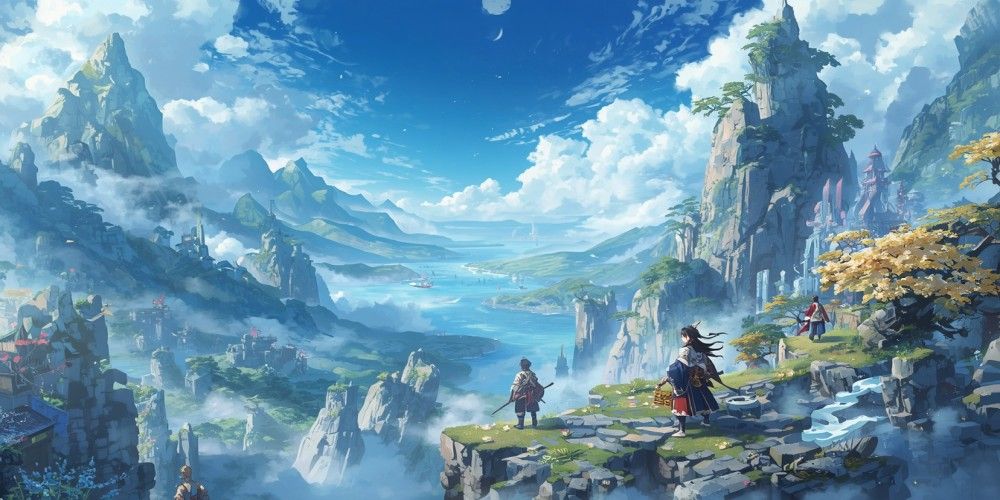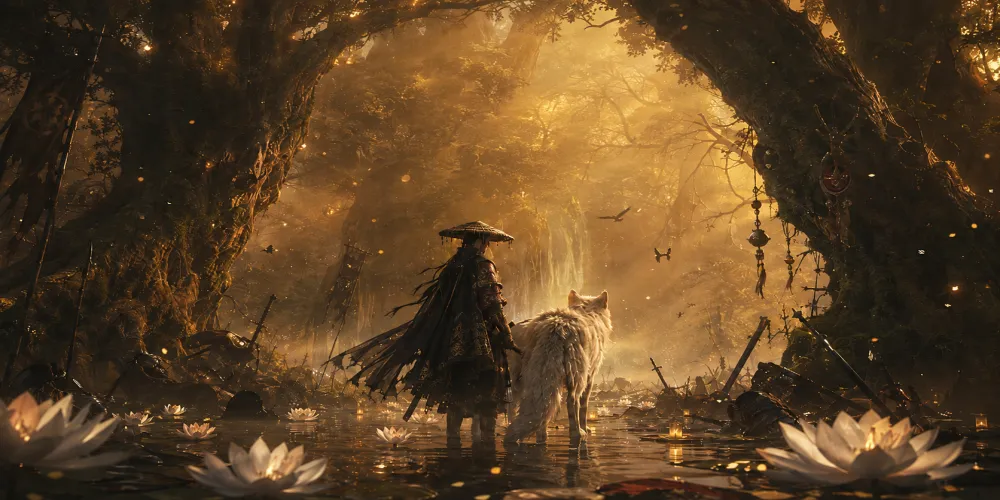


Monster Hunter Rise: Sunbreak feels like the moment a strong action RPG decides to sharpen its teeth, darken the sky, and ask whether I truly understand the hunt. I enjoyed Monster Hunter Rise for its speed, mobility, and stylish wirebug movement, but Sunbreak gives the whole experience a heavier and more dangerous flavor. It does not simply add more monsters and call it a day. It expands the world, raises the challenge, introduces a gothic new region, and pushes my hunter into fights that demand sharper timing, better preparation, and a deeper understanding of my weapon.
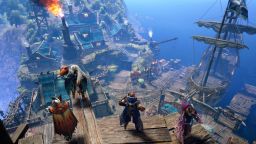
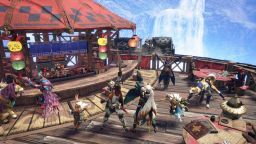
What I liked immediately is how Sunbreak changes the mood without abandoning what made Rise exciting. The base game has a bright, energetic, almost festival-like spirit in Kamura Village. Sunbreak moves me toward Elgado Outpost, a place that feels more like a frontier command center facing strange threats from distant lands. The tone becomes darker, the monsters feel more theatrical, and the hunts carry a stronger sense of escalation. It still has speed and flair, but now that speed is tested against creatures that punish careless habits.
A Darker Expansion With Gothic Monster Energy
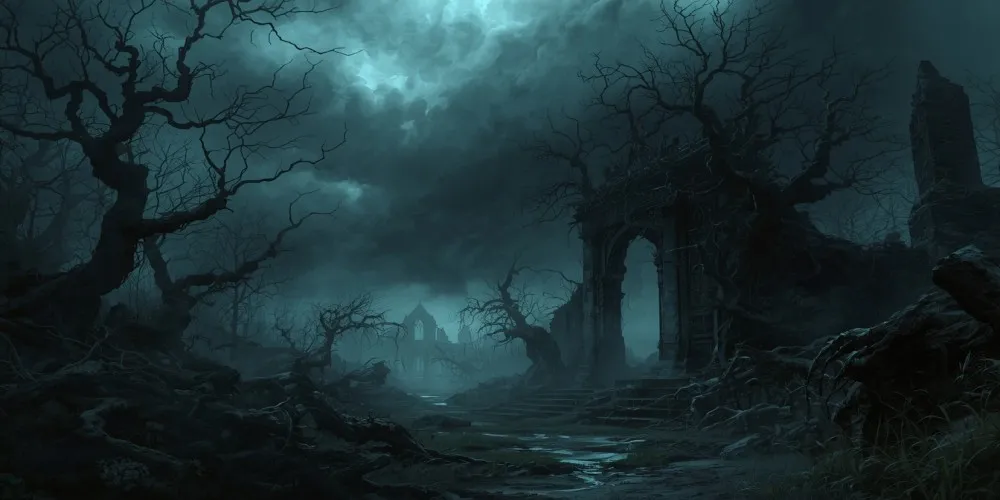
The aesthetic shift is one of Sunbreak’s best decisions. Elgado and the surrounding regions bring a more dramatic atmosphere than the base game. There is a stronger sense of old castles, distant coasts, ruined spaces, misty danger, and folklore-inspired menace. The expansion feels like it wants to move from village defense into a larger fantasy expedition.
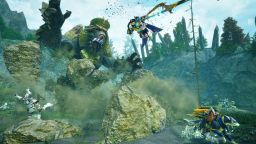
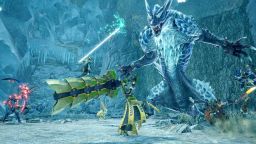
I enjoyed how the visual identity supports the new monster lineup. The Three Lords concept gives Sunbreak a clear personality, with creatures inspired by classic horror imagery. Malzeno has vampiric elegance, Garangolm feels like a massive creature of stone and force, and Lunagaron brings a cold, wolf-like intensity. These monsters make the expansion feel distinct rather than just bigger.
The environments also help. The Citadel stands out because it combines ruined architecture, forests, icy areas, and old-world mystery. It feels like a place where every corner could hide a major threat. Sunbreak’s world design keeps the hunting grounds readable, but it gives them enough drama to make exploration feel more atmospheric than before.
The Hunter Feels Faster, Smarter, and More Flexible
The main character in Monster Hunter is always partly my own creation, and Sunbreak strengthens that feeling. My hunter is not defined by a fixed personality or long speeches. The identity comes from my weapon choice, armor set, skills, movement habits, and how I behave under pressure. Sunbreak gives me more ways to express that identity through new switch skills and combat options.
I liked how the expansion encourages experimentation. A weapon I already understood suddenly feels fresh because new options open different rhythms. The Switch Skill Swap system is especially important because it lets me carry two sets of skills and change between them during a hunt. That adds a tactical layer without slowing the game down too much.
This flexibility makes my hunter feel more adaptable. I can build one setup for aggressive pressure and another for safer utility. I can react to a monster’s behavior, adjust my flow, and create a style that fits the fight. Sunbreak rewards players who know their weapons, but it also invites them to rethink familiar habits.
Combat Has More Depth Because the Monsters Push Back Harder
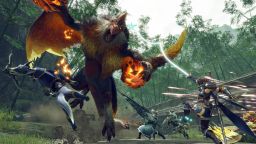
Sunbreak’s combat works because it respects the speed of Rise while making me pay more attention. The wirebug movement still gives me strong mobility, fast recovery, and stylish offensive tools, but the new and returning monsters are built to challenge that confidence. They track better, punish sloppy movement, and create openings that are shorter than I sometimes expect.
I enjoy this because it makes every hunt feel more active. I cannot rely only on flashy movement. I need to watch tells, manage wirebugs, choose when to commit, and know when to stop attacking. A greedy combo can turn into immediate punishment. A well-timed evade or counter can completely change the momentum.
The best fights in Sunbreak feel like a conversation between hunter and monster. The monster pressures me with patterns, speed, and area control. I respond with positioning, weapon knowledge, items, and timing. When that rhythm clicks, the hunt becomes thrilling. It is not just about reducing a health bar; it is about learning a dangerous creature until its chaos starts to make sense.
Malzeno Gives the Expansion a Memorable Face
Malzeno is one of the strongest additions because it has presence. A flagship monster needs more than difficulty. It needs style, identity, and a sense that the expansion would feel different without it. Malzeno delivers that with elegance, aggression, and a visual theme that fits Sunbreak’s darker tone perfectly.
I like how Malzeno moves with a strange mix of grace and threat. It does not feel like a simple beast charging forward without thought. Its attacks have rhythm, range, and theatrical flair. The fight asks me to stay alert because the monster can shift from poised to violent very quickly.
The Qurio-related elements also help make Malzeno feel tied to the wider story. Its presence is not only a cool design choice; it connects to the broader danger spreading through the expansion. That gives the flagship fight more weight and makes the creature feel central to Sunbreak’s identity.
Returning Monsters Add Nostalgia With New Pressure
Sunbreak brings back several familiar monsters, and I enjoyed seeing how they fit into Rise’s faster combat system. Returning creatures are not just fan service. They become new tests because the hunter’s mobility changes the way old patterns feel. A monster I thought I understood can still surprise me when placed inside Sunbreak’s pace.
I appreciate when returning monsters are chosen for variety. Some are aggressive and direct. Others rely on status effects, movement tricks, elemental pressure, or unusual body shapes. This helps the expansion avoid feeling like one long parade of similar fights.
The best returning encounters made me remember why Monster Hunter has such a strong creature catalogue. Each monster is not only an enemy. It is a set of behaviors, animations, materials, equipment possibilities, and memories from previous hunts. Sunbreak uses that history well while still giving the fights enough modern energy.
Elgado Outpost Gives the Journey a New Home
Elgado Outpost works well as a central hub because it feels practical, busy, and connected to the expansion’s expedition theme. It is not as cozy as Kamura, but it has its own charm. It feels like a place where hunters, researchers, merchants, and knights gather because something serious is happening beyond the walls.
I liked the atmosphere of preparation. Before each hunt, I return to a place that feels focused on response and investigation. The characters there give the expansion a different social texture, and the hub helps separate Sunbreak from the base game without making the previous setting feel irrelevant.
The follower characters also add personality to hunts. Fighting alongside certain NPCs can make the world feel more alive and less isolated. Monster Hunter is often about personal mastery, but Sunbreak’s companion-based moments give some quests a stronger sense of teamwork and story presence.
Gear Progression Becomes More Addictive at Master Rank
Master Rank is where Sunbreak’s long-term hook becomes very strong. New armor sets, weapon upgrades, decorations, skills, and build possibilities create constant reasons to hunt. I often found myself checking materials, comparing skills, and planning which monster I needed next.
I love how equipment in Monster Hunter connects directly to the creatures I face. Defeating a monster and turning its materials into armor or weapons gives progression a physical logic. I am not just gaining abstract points. I am wearing the results of difficult hunts.
Sunbreak’s build crafting can become deeply absorbing. A small skill change can alter my comfort, damage, defense, or utility. Some players will chase optimized sets, while others will build around favorite weapons or fashion. I enjoy that both approaches can feel valid, especially when a set looks good and supports the way I actually play.
The Difficulty Curve Feels Tough But Fair Most of the Time
Sunbreak is more demanding than the base game, and that is exactly what I wanted from a major expansion. Monsters hit harder, move faster, and require more respect. The game expects me to improve, not simply arrive with old habits and coast through every quest.
I like difficulty when it teaches me, and Sunbreak often does. A failed hunt usually tells me something: I used wirebugs too carelessly, ignored a status effect, picked the wrong moment to heal, misread an attack, or entered without proper preparation. The game can be punishing, but it rarely feels empty when I learn from it.
There are moments where the pressure can become exhausting, especially in longer fights or endgame systems where monsters become more intense. Still, the reward is that victories feel meaningful. When I finally master a difficult encounter, the relief is part of the pleasure.
Endgame Systems Give Dedicated Hunters a Long Road
Sunbreak’s endgame is built for players who want to keep hunting long after the main story is finished. Stronger monsters, special investigations, deeper upgrades, and long-term material goals give the expansion a lasting structure. It is not just a campaign add-on; it becomes a platform for continued play.
I appreciate this because Monster Hunter thrives on repetition when the repetition has purpose. Fighting the same monster again is not automatically boring if I am improving my approach, testing a new build, or chasing a specific material. Sunbreak understands that the hunt itself is the main reward, while gear gives that hunt direction.
The downside is that endgame progression can feel grind-heavy. Players who love optimization will find plenty to do. Players who mainly want a clean story path may feel less motivated once the strongest challenges become more repetitive. For me, it works best when I set my own goals instead of trying to chase everything at once.
Sound, Music, and Creature Design Make Each Hunt Feel Alive
The sound design in Sunbreak adds a lot to the hunting experience. Monster roars, weapon impacts, environmental sounds, companion callouts, and battle music all help each encounter feel energetic. A good monster theme can make a fight feel grander before I even understand its full pattern.
I especially like how audio cues help with combat awareness. A roar, movement sound, or attack cue can warn me before a major hit. In a game where timing matters so much, sound becomes part of survival. It keeps me connected to the monster even when the screen gets busy.
The music matches the expansion’s darker style. It gives major fights a dramatic, almost operatic quality without losing the adventurous energy of Monster Hunter. Sunbreak sounds like a journey into more dangerous territory, which fits the expansion perfectly.
Pros
- Malzeno and the Three Lords create a strong monster lineup
- Switch Skill Swap adds more flexibility to weapon play styles
- Master Rank fights provide tougher and more satisfying challenges
- Elgado Outpost feels like a distinct and practical new hub
- Gear progression remains addictive and visually rewarding
Cons
- Endgame progression can become grind-heavy over time
- Some systems may feel overwhelming for newer hunters