
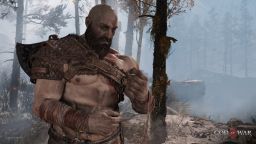
God of War feels like a game carved out of anger, grief, mythology, and fatherhood. I did not experience it as just another action adventure where a powerful warrior moves from one fight to the next. What stayed with me most was the strange quiet between the loud moments: Kratos walking through cold landscapes with Atreus beside him, trying to speak less harshly, trying not to become the same force of destruction he once was, and trying to raise a son in a world where gods rarely make parenting look easy.
The game impressed me because it balances spectacle with restraint. It has massive creatures, ancient realms, brutal combat, and mythological drama, but it also spends a lot of time on glances, pauses, short conversations, and emotional distance. Kratos is still terrifyingly strong, but the game is not only interested in what he can break. It is interested in what he can carry, what he regrets, what he hides, and what he is afraid to teach his son.
A Mythic World That Feels Cold, Ancient, and Alive
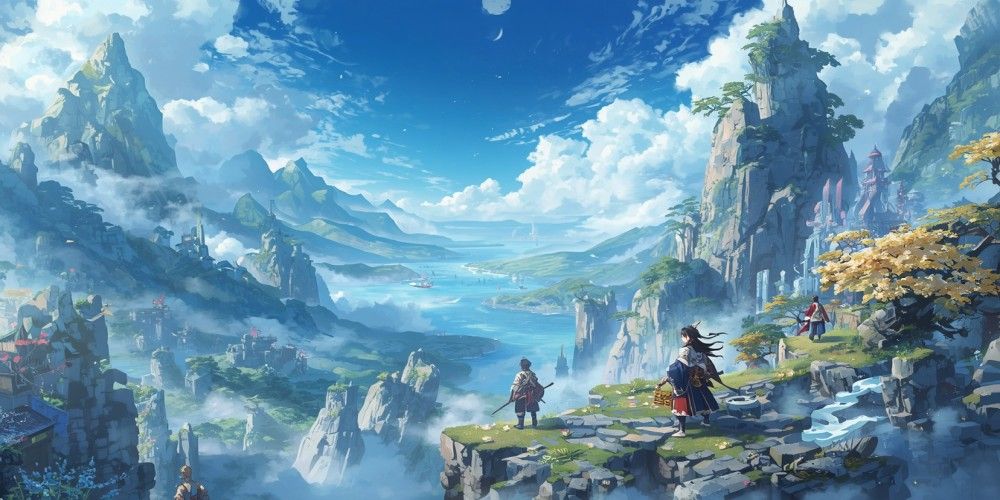
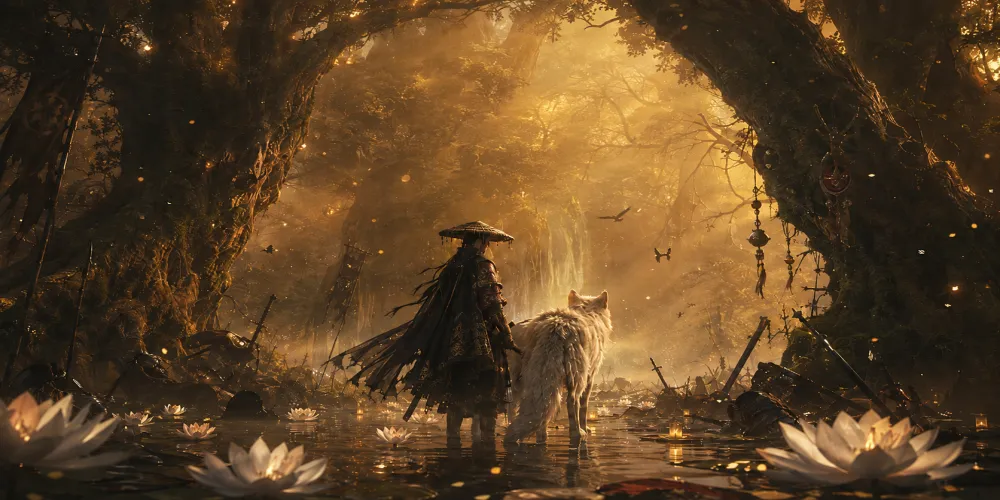
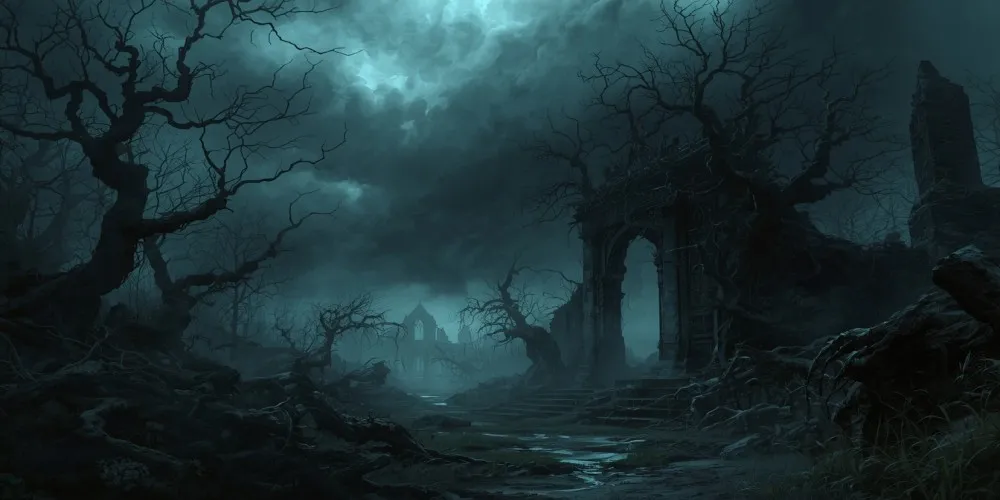
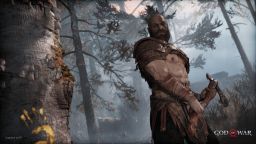
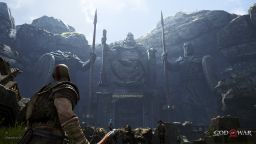
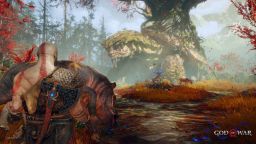
The visual identity of God of War is one of the reasons it feels so powerful. The Norse world is not presented as a clean fantasy theme park. It feels old, frozen, dangerous, and filled with things that existed long before Kratos arrived. Snowy forests, mountain paths, ruined temples, glowing realms, underground chambers, and enormous mythological structures all create a sense of scale that makes the journey feel important.
I liked how the game uses contrast. Midgard can feel harsh and quiet, while other realms bring more magical color and strange energy. Alfheim has a glowing, dreamlike quality. Helheim feels hostile and oppressive. The Lake of Nine gradually opens into a central space full of secrets, side paths, and mythic architecture. Every location feels connected to the larger world rather than placed there only for decoration.
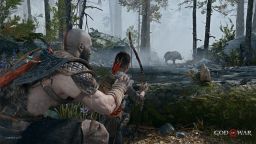
The camera also changes how I experience the world. Because it stays close to Kratos, the journey feels physical and personal. I do not feel like I am watching a distant hero from above. I feel as if I am walking directly behind him, seeing the world through a tight and grounded perspective. That makes even quiet exploration feel tense.
Kratos Is More Interesting When He Is Holding Back
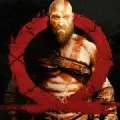
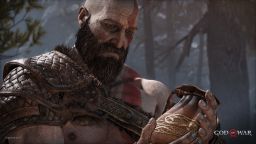
Kratos is the central force of God of War, but what makes him compelling here is not only his strength. It is his restraint. He is older, heavier, and more controlled than before. His anger is still there, but it is buried under discipline, regret, and the responsibility of raising Atreus. That tension gives nearly every scene with him a second layer.
I found this version of Kratos far more engaging because he is constantly fighting himself as much as the enemies around him. He wants Atreus to be strong, but he fears what strength without wisdom can become. He wants to protect his son, but he struggles to comfort him. He wants to leave the past behind, but the past sits inside every word he refuses to say.
The performance and writing give him surprising emotional weight. Kratos often says very little, yet his silence is rarely empty. A pause, a stern correction, or a brief moment of softness can say more than a long speech. The game understands that a character like Kratos becomes more powerful when he does not need to shout all the time.
Atreus Turns the Journey Into More Than a Quest
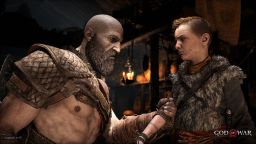
Atreus is essential because he changes everything about the game’s tone. Without him, the journey could have been another lonely mythological march. With him, every encounter becomes part of a father-son relationship. He asks questions, reacts to danger, reads runes, helps in combat, and slowly reveals his own flaws, fears, and curiosity.
I liked how Atreus is not written as a simple companion who only exists to admire Kratos. He can be brave, impatient, clever, emotional, and occasionally difficult. That makes him feel like a real child shaped by an unusual life. His relationship with Kratos develops through conflict as much as affection.
In combat, Atreus also matters mechanically. His arrows, summons, and distractions make him useful rather than decorative. I enjoyed the feeling that we were fighting together, not simply traveling side by side. As he improves, the bond between gameplay and story becomes stronger. He grows as a character, and I feel that growth in the way battles unfold.
The Leviathan Axe Changes the Whole Rhythm of Combat
The Leviathan Axe is one of the most satisfying weapons I have used in an action game. It has weight, precision, and personality. Throwing it into an enemy, freezing a target, fighting barehanded, and then calling the axe back into Kratos’s hand never stops feeling good. The recall alone gives the weapon a rhythm that makes combat feel distinct.
I appreciate how the axe changes my thinking. It is not only a melee weapon. It is also a tool for ranged attacks, puzzle solving, crowd control, and elemental interaction. The ability to throw and retrieve it creates a constant push and pull in battle. I can interrupt one enemy at distance, turn to fight another up close, then call the axe back at exactly the right moment.
The combat system feels deliberate rather than frantic. Kratos is powerful, but he is not weightless. Every strike has impact. Dodging, blocking, parrying, and choosing the right attack all matter. When a fight goes well, it feels like controlled violence rather than button-mashing. That sense of weight is one of the game’s biggest strengths.
Combat Is Brutal, Tactical, and Surprisingly Personal
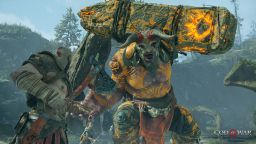
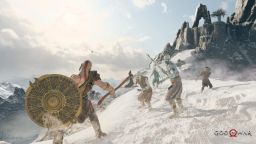
God of War’s combat works because it combines intensity with decision-making. I cannot simply rush into every fight without thinking. Enemy types, attack patterns, shield timing, positioning, runic abilities, Atreus’s arrows, and environmental awareness all shape the encounter. The close camera makes fights feel immediate, but it also demands awareness because threats can come from multiple directions.
I liked how the game gradually expands the combat toolkit. At first, I rely on basic axe attacks, blocks, and throws. Later, I start using runic attacks, talismans, upgrades, rage, companion abilities, and different combos. The system becomes deeper without losing its physical feel.
The Spartan Rage mechanic adds another layer because it feels emotionally tied to Kratos. It is not just a power mode. It feels like a controlled release of something dangerous inside him. Using it can save a difficult fight, but it also reminds me of the violent history he is trying to manage. That connection between mechanics and character is one of the reasons the game feels so carefully designed.
Puzzles and Exploration Give the Journey Breathing Room
God of War would feel exhausting if it were only combat, so I appreciated how often it slows down. The puzzles, hidden chambers, rune locks, collectibles, side paths, and environmental interactions give the journey a steadier rhythm. I get time to look around, listen to dialogue, and notice the craftsmanship of the world.
The puzzles are usually built around observation rather than extreme difficulty. I search for runes, freeze mechanisms, move objects, read the environment, or use the axe in clever ways. These moments are satisfying because they make the weapon feel useful outside combat. The axe is part of the world, not only part of the fights.
Exploration also supports the relationship between Kratos and Atreus. Many quiet conversations happen while rowing, walking, or solving problems. These moments make the world feel less like a series of arenas and more like a real journey shared by two people who are slowly learning how to speak to each other.
The Supporting Cast Adds Humor, Mystery, and Myth
The supporting characters help God of War avoid becoming too grim. Mimir, in particular, brings warmth, humor, and storytelling to the journey. His tales make the world feel bigger, and his presence changes the emotional texture of travel. Listening to him talk while crossing the lake became one of my favorite parts of the game.
Brok and Sindri add a different kind of energy. Their personalities, arguments, crafting support, and comic timing give the story moments of relief without breaking the mythic tone. They feel strange, funny, and useful at the same time, which fits the world perfectly.
The antagonistic forces also work because they are not presented as simple obstacles. Gods and monsters in this world carry history, resentment, pride, and pain. The game’s version of Norse mythology feels personal rather than distant. Every major figure seems shaped by old wounds, bad choices, and family conflict.
The Single-Shot Camera Makes Everything Feel Connected
One of the most impressive artistic choices in God of War is the continuous camera style. The game avoids obvious cuts and keeps the journey feeling seamless. This could have been just a technical trick, but it actually supports the story. I feel as if I am moving through one long, uninterrupted experience with Kratos and Atreus.
This approach makes transitions more immersive. A conversation can lead into exploration, exploration can lead into combat, and combat can flow back into a quiet walk without the game feeling fragmented. The camera stays close, which makes the world feel dangerous and the emotional scenes feel intimate.
I also think the camera helps the father-son theme. Because I am rarely pulled away from them, I stay focused on their changing relationship. The game does not constantly remind me that I am watching a constructed sequence. It keeps me inside the journey, step by step.
Music and Sound Give the Game Its Heavy Soul
The music in God of War gives the adventure a deep, ancient feeling. The soundtrack carries weight, using powerful vocals, percussion, and sweeping themes to make the world feel mythic. It does not play constantly just to fill silence. When it rises, it usually means something important is happening.
I liked how the sound design supports Kratos’s physical presence. The axe hitting an enemy, returning to his hand, striking wood or stone, and cutting through the air all have a heavy impact. Footsteps, distant creatures, wind, water, and environmental sounds also make the world feel textured.
The quieter audio moments are just as important as the loud ones. A low musical theme during a serious conversation or the sound of the boat moving across the lake can make the journey feel reflective. The game knows when to roar and when to whisper.
Pros
- Powerful father-son story gives the adventure emotional depth
- Kratos feels more complex, restrained, and compelling than ever
- Atreus adds personality, vulnerability, and useful combat support
- Leviathan Axe feels satisfying in combat, puzzles, and exploration
- Beautiful Norse-inspired world feels ancient, dangerous, and alive
- Combat has strong weight, tactical depth, and excellent feedback
- Supporting characters add humor, lore, and emotional contrast
- Music and sound design create a rich mythological atmosphere
Cons
- Enemy variety could feel limited in certain stretches
- Backtracking through familiar areas may not appeal to everyone
- Some puzzle solutions are simple once the pattern becomes familiar