
Gacha Cute feels like opening a digital sticker album where every page invites me to rearrange the world a little differently. I did not approach it as a traditional game with levels, enemies, or a strict objective. I treated it more like a character-design playground, and that is where it works best. It gives me tools, outfits, poses, colors, accessories, and backgrounds, then lets me create scenes that match whatever mood I have in the moment.
What I enjoy most about Gacha Cute is how personal it feels. The experience is not about chasing a high score or mastering a difficult system. It is about building characters, styling them, imagining personalities, and arranging them into small visual stories. Sometimes I create a bright school-themed group. Sometimes I make fantasy characters with dramatic outfits. Sometimes I just experiment with hairstyles, eyes, colors, and accessories until a design suddenly feels right. That quiet creative loop is the heart of the game.
A Soft Visual Style Made for Character Creation
The first thing that stands out to me is the aesthetic. Gacha Cute leans into a soft, anime-inspired look with big eyes, expressive faces, colorful outfits, and playful proportions. The characters are small and stylized, but they have enough visual detail to feel full of personality. A simple change in eyebrows, mouth shape, hairstyle, or outfit color can completely shift the mood of a character.
I like that the game does not try to look realistic. Its charm comes from being decorative, exaggerated, and flexible. The world feels like a paper-doll studio mixed with a visual storytelling app. Everything is designed to make customization feel immediate and satisfying. The art style is clean enough to be readable, but colorful enough to make every new character feel lively.
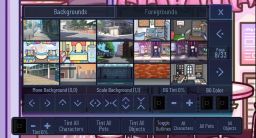
The backgrounds also support that creative mood. They give me spaces where my characters can belong, whether I want a school scene, a fantasy setting, a casual room, or something more dramatic. The visual appeal is not only in individual characters. It is in how those characters look once I place them together and create a scene around them.
The Main Characters Are the Ones I Invent
Gacha Cute does not hand me one fixed hero to follow. Instead, the main characters are the ones I create myself. That changes the entire feeling of the experience. I am not simply controlling someone else’s story. I am designing the cast, choosing their expressions, shaping their outfits, and imagining what kind of relationships or personalities they might have.
This is where the game becomes especially enjoyable for players who like storytelling. A character with pastel hair, shy eyes, and a soft sweater gives off a completely different feeling from one wearing darker colors, sharp accessories, and a confident pose. The tools are simple, but the combinations are wide enough to inspire ideas quickly.
I found myself thinking beyond appearance. After designing a character, I naturally started imagining who they were. Are they cheerful, mysterious, dramatic, calm, fashionable, awkward, magical, or mischievous? The game encourages that kind of thinking without forcing it. It gives me visual ingredients and lets my imagination do the rest.
Customization Is the Real Gameplay
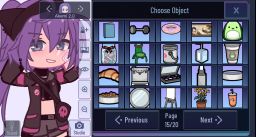
The strongest part of Gacha Cute is customization. The game gives me many ways to adjust a character, from hair and clothing to facial features, poses, accessories, and colors. This makes the experience feel less like a simple dress-up tool and more like a compact character studio.
I enjoy how quickly I can test ideas. I can change an outfit, switch a hairstyle, adjust colors, and instantly see whether the design works. There is very little delay between imagining a look and trying it on screen. That makes experimentation easy. I do not feel locked into one direction, and I can keep refining until the character has the right energy.
The large selection of style options gives the game strong replay value. Even after creating several characters, I still feel like there are combinations I have not tried. A different color palette or accessory can push a design in a new direction. This is especially useful for players who create stories, edits, roleplay scenes, thumbnails, or social content.
Scene Building Makes the Creations Feel Alive
Character design is fun on its own, but Gacha Cute becomes more engaging when I start placing characters into scenes. Poses, expressions, backgrounds, and spacing allow me to create small moments that feel like snapshots from a larger story. The game gives just enough control to make those moments expressive without making the process too technical.
I like arranging characters as if I were setting up a comic panel. One character can look surprised, another can look annoyed, and a third can stand in the background with a calm expression. That alone creates a small story without a single line of dialogue. The fun comes from how quickly a scene begins to suggest emotion.
This makes Gacha Cute appealing not only as a game but also as a creative tool. I can use it to draft character ideas, make profile visuals, design friend groups, or create scenes for short stories. It gives me a simple way to turn imagination into something visible.
A Relaxed Experience Without Heavy Pressure
One of the reasons I find Gacha Cute pleasant is that it does not pressure me in the usual way many games do. There is no urgent timer pushing me forward, no complicated combat loop, and no need to perform perfectly. I can spend as much time as I want adjusting tiny details, comparing looks, or rebuilding a character from scratch.
This relaxed pace makes the game easy to enjoy when I want something creative rather than competitive. It feels closer to drawing, decorating, or planning a story than playing a traditional challenge-based game. That slower rhythm is part of its appeal. I can open it for a few minutes or stay longer if I get absorbed in a design.
The lack of pressure also makes it welcoming. New players can understand the basics quickly, while more detail-oriented players can spend extra time refining designs. It is accessible without feeling empty, especially for anyone who enjoys visual creativity.
The Cute Style Has More Range Than It First Suggests
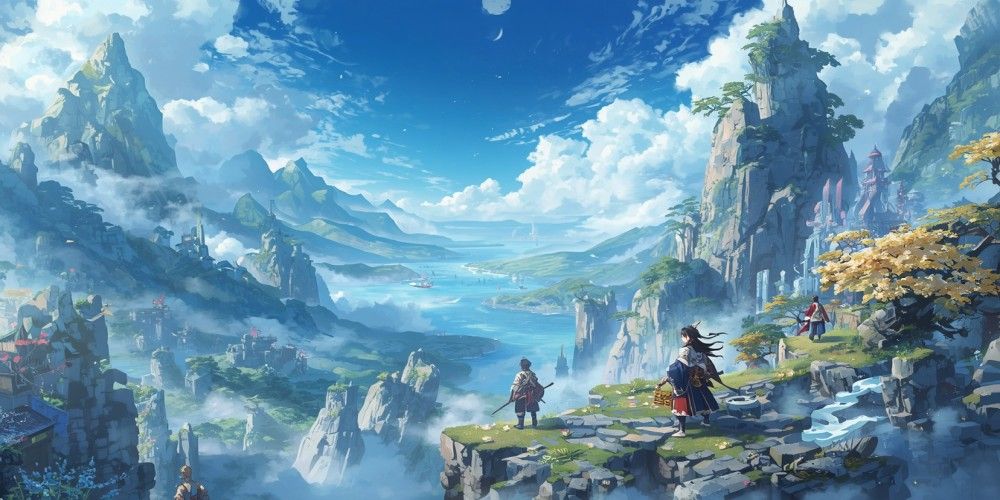
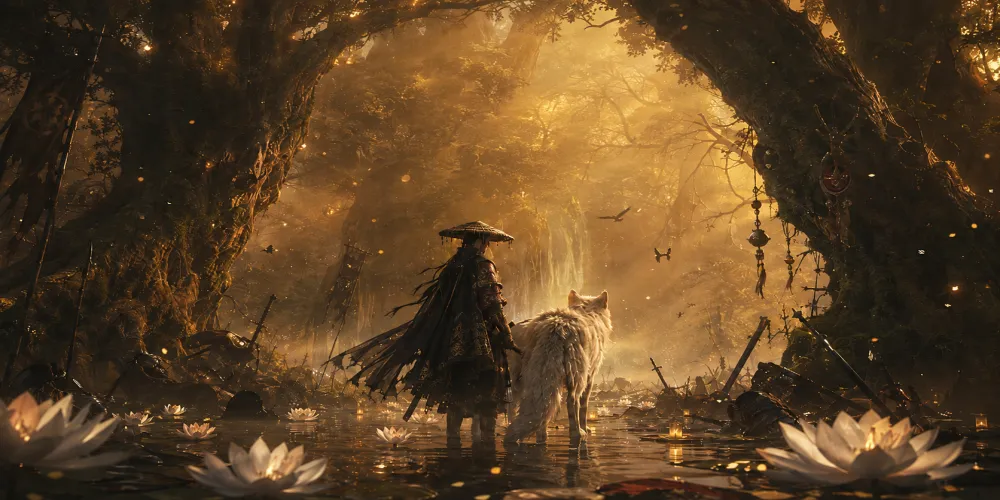
Despite the name, Gacha Cute is not limited to only sweet or cheerful designs. The cute foundation is always there, but I can push characters in many directions. I can create elegant characters, fantasy-inspired designs, school looks, casual outfits, dramatic personalities, soft pastel themes, or more mysterious styles.
That range surprised me. The game’s visual language is charming and soft, yet the customization options allow for a lot of contrast. A character can look gentle, confident, royal, magical, shy, stylish, or theatrical depending on how I combine the parts. The same base style can support many different moods.
This variety is important because it keeps the game from becoming repetitive. If every character looked equally sweet, the creative process would get old quickly. Instead, I can build a whole cast where each person feels distinct, even though they all belong to the same visual universe.
Menus and Tools Are Simple, Though Sometimes Busy
The interface is fairly easy to understand once I spend a little time with it. Most tools are arranged around character parts and visual categories, so I can move from hair to clothes to face details without much confusion. The structure supports quick experimentation, which is exactly what a game like this needs.
However, the amount of available options can make the menus feel crowded at times. When I am looking for one specific accessory or trying to compare several similar pieces, the process can become a little slow. The game offers plenty of creative freedom, but that also means I sometimes have to search through many choices before finding the exact piece I want.
Even so, I prefer having too many options over too few. The busy feeling is manageable because the reward is a stronger design toolkit. Once I learn where things are, the creation process becomes smoother and more enjoyable.
Why It Works Best for Imaginative Players
Gacha Cute is not the kind of game that creates all the excitement by itself. It works best when I bring ideas into it. The more I imagine personalities, scenes, friendships, rivalries, outfits, and story moments, the more rewarding it becomes. It gives me the pieces, but I provide the meaning.
That makes it especially appealing for players who enjoy character design, roleplay, storytelling, editing, or social media creativity. It can be used casually, but it also supports more detailed projects. I can create a cast for a fictional school, design fantasy siblings, make a themed group, or build characters for a short visual scene.
The game’s biggest strength is that it makes creativity feel easy. I do not need advanced art skills to make something expressive. I can choose, combine, adjust, and arrange until the result feels like mine. That simple sense of ownership is what kept me engaged.
Pros
- Relaxed pace makes the experience comfortable and low-pressure
- Good variety of outfits, hairstyles, expressions, and accessories
- Useful for storytelling, roleplay, edits, and social content
- Simple creative loop makes it easy to play in short sessions
Cons
- Scene creation is fun but still limited compared with full art tools
- New players may need time to learn where every option is located
- There is less structure for players who prefer clear missions or goals