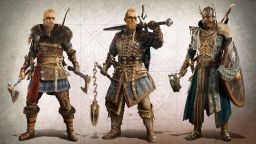
I started Assassin’s Creed Valhalla expecting a large Viking adventure, but what stayed with me was how much the game wants to be both a personal saga and a giant historical playground. It is not a compact stealth story built around one city and one clear target list. It is a broad RPG about migration, loyalty, conquest, politics, family, faith, memory, and the cost of building a new home in hostile territory. Playing as Eivor, I felt the game constantly pulling me between two moods: the intimate story of a clan leader trying to protect their people and the massive open-world fantasy of sailing rivers, raiding monasteries, forging alliances, and carving a place in ninth-century England. That scale is impressive, even when it becomes overwhelming.
Eivor Gives the Story a Strong Viking Center
Eivor is the main reason Assassin’s Creed Valhalla works as well as it does. Ubisoft frames the character as a Viking raider leading a clan from Norway to England, and that setup gives the game an immediate emotional purpose. I was not simply exploring because the map was large. I was exploring because Eivor’s people needed land, resources, security, and political influence to survive.
I liked that Eivor can feel both fierce and thoughtful. The character is shaped by pride, duty, ambition, and a deep attachment to the Raven Clan. That gives the story more texture than a simple warrior fantasy. Eivor is powerful, but they are also responsible for others. Every alliance, raid, and settlement upgrade feels connected to that burden.
England Feels Like a Land of Opportunity and Resistance
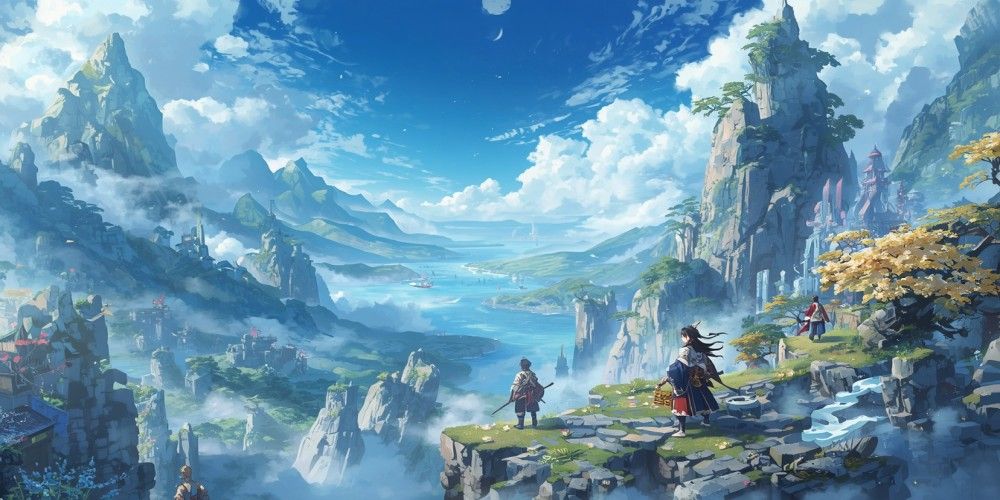
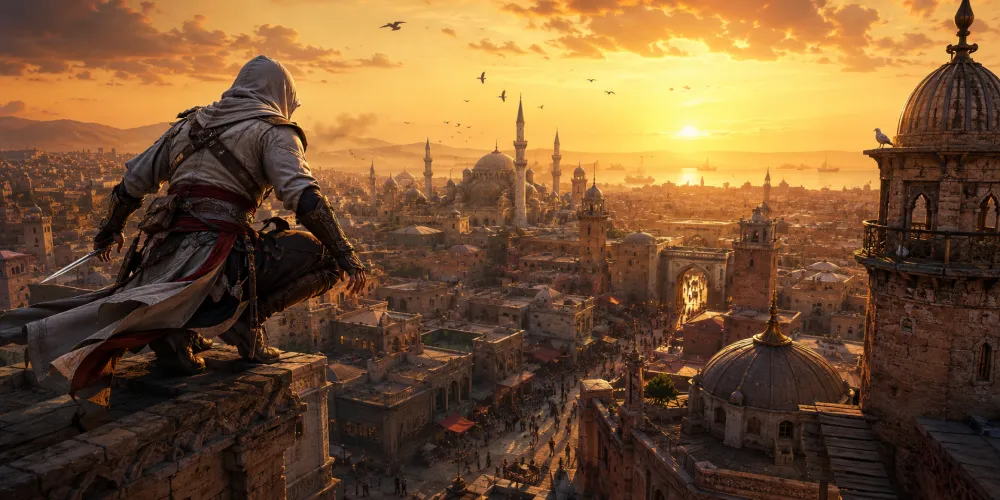
Valhalla’s England is one of the game’s strongest features. It is not just a green map with castles and rivers. It feels like a land divided by kingdoms, faiths, rulers, old traditions, and new ambitions. Ubisoft describes the world as a beautiful, mysterious open world set across the lush farmlands of ninth-century England, and that atmosphere is central to the game’s identity.
I enjoyed how the landscape changes the tone of exploration. Misty fields, ruined Roman structures, rivers, villages, forests, snowy regions, and fortified towns all create a sense of historical layering. The world feels like it existed before Eivor arrived and will continue changing after each alliance is made.
-
Norway gives the opening a cold, severe sense of origin;
-
England gives the main journey political and geographic variety;
-
Roman ruins add a feeling of older history beneath the Viking story;
-
Rivers make travel, raiding, and exploration feel connected;
The Settlement Makes Progress Feel Personal
Ravensthorpe is one of my favorite parts of Assassin’s Creed Valhalla because it gives the open-world structure a home base with meaning. Ubisoft highlights settlement growth as one of the game’s core activities, and it really does help make progression feel more personal. Instead of collecting resources only for abstract upgrades, I was building a place that represented the clan’s future.
The settlement also gives the game a calmer rhythm between violent journeys and political arcs. Returning to Ravensthorpe after a long region campaign feels satisfying because the place slowly changes. New buildings, characters, services, and small interactions make it feel like Eivor’s actions are producing something visible. That sense of home is important in a game this large.
Raids Are Loud, Direct, and Very On-Brand
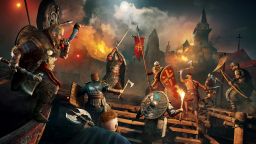
Raiding is one of Valhalla’s signature systems. Ubisoft describes the game around leading raids, fighting battles, and using strategy and alliances to gain victory. In practice, raids give the game its most immediately Viking-flavored action. I call in the crew, approach a monastery or enemy site, and the game shifts into a louder, more chaotic rhythm.
What I liked is that raids connect action to settlement growth. They are not only spectacle. They provide supplies that help improve Ravensthorpe. That gives the violence a practical loop inside the game’s structure. I did not raid simply because the map offered an icon. I raided because my settlement needed materials, and that made the activity feel integrated with Eivor’s role as leader.
-
Raids create fast, aggressive group action;
-
Supplies connect raids to settlement upgrades;
-
The longship gives travel a strong Viking identity;
-
Crew members make combat feel less solitary;
Combat Feels Heavy, Even When It Gets Repetitive
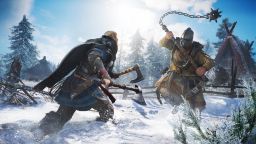
Valhalla’s combat has a heavier feel than some earlier Assassin’s Creed games. Axes, shields, spears, greatswords, hammers, bows, and abilities all give Eivor a broad set of tools. I liked the sense of physical impact when the combat system was at its best. It makes Eivor feel less like a delicate assassin and more like a battlefield survivor.
Still, the combat can become repetitive over such a long campaign. The game offers many weapons and abilities, but the sheer size of the world means some encounters start to blur together. I enjoyed testing different builds, but I also felt that the game sometimes leaned too heavily on similar enemy camps and familiar combat loops.
The RPG Systems Make Eivor Flexible
Assassin’s Creed Valhalla continues the RPG direction Ubisoft expanded in Origins and Odyssey. The official page highlights advanced RPG mechanics, choices in combat and conversation, and different ways to blaze a path across England. That flexibility is one of the game’s strengths, especially for players who like shaping a character over dozens of hours.
I enjoyed building Eivor around my preferred style. The skill tree, gear, runes, abilities, and weapon choices let me lean into stealth, direct combat, ranged attacks, or hybrid approaches. The system is not always perfectly elegant, and the skill web can feel too large, but it gives enough freedom to make progression feel steady.
-
Melee weapons support aggressive close combat;
-
Bows make scouting and ranged pressure useful;
-
Abilities add bursts of personality to combat;
-
Gear and runes help shape long-term builds;
Stealth Is Present, But Not Always the Star
As an Assassin’s Creed game, Valhalla still includes stealth, hidden movement, social blending elements, assassinations, scouting, and infiltration. Yet I rarely felt stealth was the dominant identity of the game. Valhalla is often more interested in open confrontation, leadership, raiding, and political expansion.
I did enjoy stealth when the layout supported it. Sneaking through camps, marking enemies with the raven, finding entry points, and clearing areas quietly can still feel satisfying. The issue is that the game’s Viking fantasy sometimes pushes against classic Assassin’s Creed restraint. That is not always bad, but it does make Valhalla feel different from older, more stealth-focused entries.
Alliance Arcs Give the Map a Story Structure
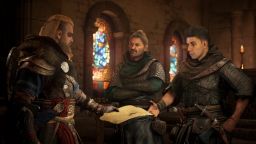
The alliance map is a smart way to organize such a huge game. Instead of one endless main questline, Valhalla divides much of its story into regional arcs where Eivor builds relationships with rulers, clans, and local factions. Ubisoft specifically mentions forging alliances with other leaders as part of the path to glory.
I liked this structure because it gives each region a self-contained flavor. Some arcs feel political, others personal, tragic, comic, or mysterious. The downside is that the formula can become predictable after many territories. Still, the idea fits Eivor’s role well. A clan leader would not conquer England through one straight road. They would negotiate, pressure, help, threaten, and earn influence piece by piece.
The Mythological Layer Adds a Stranger Energy
Valhalla is not only a historical Viking RPG. It also leans into Norse mythology, visions, gods, and dreamlike sequences that connect Eivor’s world to larger Assassin’s Creed lore. I had mixed feelings about this material, but I appreciated the ambition. It gives the game a more legendary flavor and makes Eivor’s story feel tied to belief as well as politics.
The mythological sections can be visually striking because they leave grounded England behind and move into more symbolic spaces. At the same time, they may not appeal equally to every player. Some may prefer the historical settlement and alliance material, while others may love the more supernatural scale. For me, the myth layer worked best when it deepened Eivor’s identity rather than distracting from the main clan story.
Exploration Is Rewarding, But the Map Is Enormous
Exploration in Valhalla can be wonderful. The game encourages players to chase mysteries, wealth, artifacts, viewpoints, hidden caves, world events, legendary animals, and environmental puzzles. I liked that many side activities are shorter and more focused than traditional quest markers. Some world events feel like tiny folklore stories scattered through the countryside.
But the map is huge, and that size can become tiring. Valhalla is the kind of game where abundance becomes both a selling point and a weakness. There is always something to find, but not everything feels equally meaningful. I enjoyed exploration most when I stopped trying to clear everything and let curiosity guide me naturally.
-
World events often feel like small local stories;
-
Viewpoints make the landscape feel grand and readable;
-
Hidden wealth rewards careful exploration;
-
The large map can become overwhelming for completionists;
The Visual Design Makes History Feel Mythic
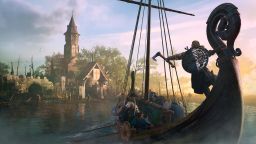
Valhalla looks strongest when it blends historical texture with mythic scale. Snowy Norway feels harsh and dramatic. England feels rich with rivers, fields, forests, villages, monasteries, and ruins. The longship, armor, weapons, tattoos, settlement structures, and regional designs all create a powerful Viking atmosphere.
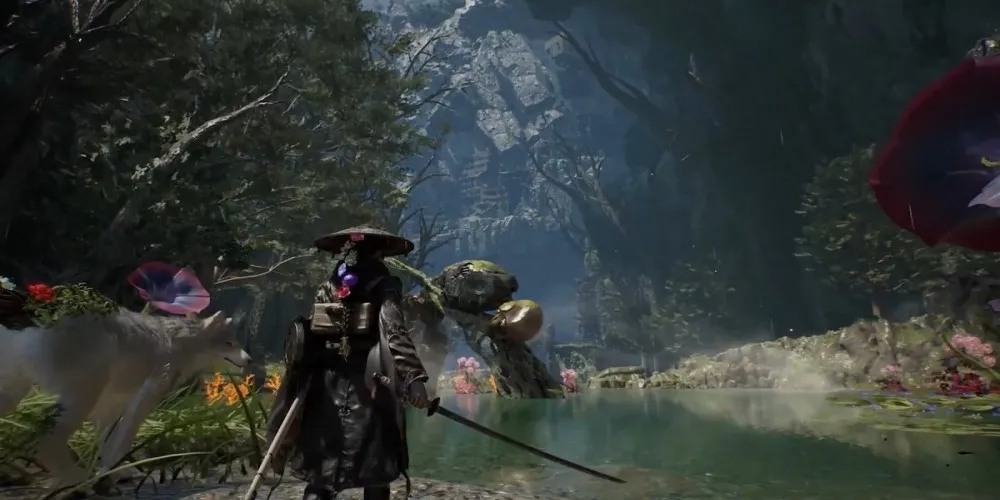
I also liked how the game uses weather and light. Fog over wetlands, low sunlight through trees, snow across mountain paths, and firelight during raids all give the world a strong mood. Valhalla is not always subtle, but it often looks beautiful. Its best images make Eivor feel like a figure moving through both history and legend.
The Post-Launch Content Made the Game Even Larger
Ubisoft supported Valhalla with a post-launch roadmap that included season pass expansions such as Wrath of the Druids and The Siege of Paris, along with other updates and modes. That support helped the game grow into an even larger RPG package over time.
For players who want hundreds of hours of content, that is a major advantage. For players who already found the base game massive, it may feel like too much. I see both sides. The expanded content makes Valhalla feel generous, but it also reinforces the sense that this game asks for a serious time commitment.
Where Assassin’s Creed Valhalla Feels Most Powerful
Valhalla works best when its systems connect: Eivor leads the clan, raids supply the settlement, alliances expand influence, exploration reveals local stories, and combat supports the Viking fantasy. In those moments, the game feels cohesive. Everything feeds the idea of building a new life through strength, strategy, and loyalty.
I also think the game succeeds when it gives Eivor quiet moments between large objectives. A conversation in Ravensthorpe, a small regional mystery, a view from a cliff, or a strange encounter in the wilderness can make the world feel more human. The giant saga works because it occasionally slows down enough to feel personal.
Where Assassin’s Creed Valhalla Feels Less Strong
The biggest issue is size. Valhalla is enormous, and not every part of it feels equally necessary. Some arcs, camps, collectibles, and activities begin to feel repetitive during a long playthrough. The game’s ambition is impressive, but it sometimes stretches its best ideas too far.
It may also disappoint players who want a tighter Assassin’s Creed experience built around stealth, urban parkour, and focused assassination missions. Valhalla is more of a Viking RPG with Assassin’s Creed elements woven through it. I enjoyed that direction, but it is important to know what kind of game it is before going in.
Pros
- Strong Viking fantasy built around Eivor, the Raven Clan, raids, and settlement growth
- Beautiful open world across Norway and ninth-century England with strong historical atmosphere
- Ravensthorpe gives progression a personal home-base feeling
- Alliance arcs make the huge map feel politically connected
- RPG systems offer flexible combat styles, gear choices, abilities, and long-term progression
Cons
- The game’s enormous size can feel overwhelming and repetitive
- Stealth is present but often less central than classic Assassin’s Creed fans may expect
- Some regional arcs and side activities feel stronger than others
- Combat can become familiar during very long sessions
- The full experience requires a major time commitment, especially with expansions