

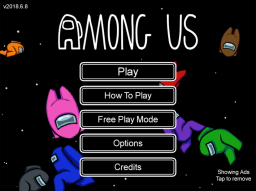
I came back to Among Us expecting a game that might feel trapped in its viral moment, but it still works because the central idea is incredibly strong. The game does not need complicated controls, cinematic combat, or a massive open world to create tension. It only needs a small group of players, a shared map, a few tasks, and the possibility that someone in the room is lying. That simplicity is what makes Among Us so effective. Every round becomes a social puzzle where movement, timing, hesitation, accusations, silence, and panic all matter. I like that the game turns ordinary behavior into evidence. Walking down a hallway can look suspicious. Reporting a body can feel suspicious. Saying too much can be suspicious. Saying nothing can be even worse.
The Core Idea Is Simple Enough to Explain in Seconds
Among Us has one of the clearest multiplayer setups I have played. Crewmates need to complete tasks and identify the Impostors. Impostors need to mislead the group, create chaos, and avoid being voted out. That basic structure is easy to understand even for players who do not usually play social deduction games.
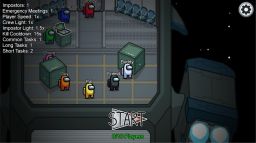
The official store descriptions highlight that matches support 4–15 players online or over local Wi-Fi, with Crewmates preparing the spaceship for departure while Impostors try to disrupt the group. That player count range is important because the game feels intimate enough for personal suspicion, but crowded enough for confusion. Too few players would make the mystery obvious. Too many would make the conversation impossible. Among Us usually finds a good middle ground.
Tasks Make Crewmates Feel Busy Instead of Passive
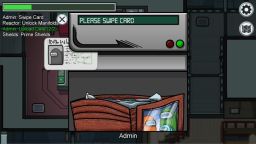
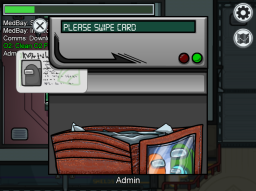
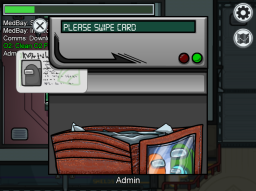
I like that Crewmates are not just waiting around to be scared. Tasks give them a reason to move across the map, split up, take risks, and build a story of where they have been. Swiping a card, fixing wiring, downloading data, clearing asteroids, or handling other small jobs may seem simple, but those actions create structure for the whole round.
Tasks also make lying more interesting. If someone claims they were in Electrical, another player might remember seeing them elsewhere. If someone says they were doing a task too quickly, the group may question it. The game turns small routines into social evidence. That is where Among Us becomes clever: the tasks are mechanically simple, but socially powerful.
-
Tasks give Crewmates a clear objective beyond discussion;
-
Task locations create movement patterns that other players can question;
-
Visual memory becomes part of deduction;
-
Simple mini-games keep downtime from feeling empty;
The Impostor Role Is Fun Because It Is Mostly Performance
Playing as an Impostor is not only about knowing when to strike. It is about performance. I have to sound believable, move naturally, avoid looking too eager, create an alibi, and react to accusations without seeming rehearsed. The best Impostor rounds feel like acting under pressure, except the audience can vote me out at any moment.
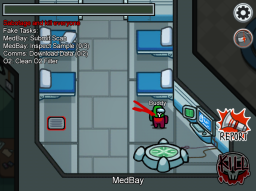
The App Store description notes that Impostors can use sabotage to create chaos and build better alibis. That is what makes the role more than simple hiding. Sabotage shifts attention, splits the group, interrupts task progress, and gives the Impostor room to manipulate the map. A good sabotage does not only cause trouble. It changes the conversation after the trouble happens.
Emergency Meetings Are the Real Battleground
The most memorable part of Among Us is often not the action between meetings, but the discussion afterward. Emergency meetings turn the game into a courtroom where everyone is both witness and suspect. Players interrupt, defend themselves, accuse others, remember tiny details, misremember larger ones, and try to sound confident even when they are guessing.
I enjoy how messy these conversations can become. One player may have perfect information but explain it badly. Another may be completely wrong but sound convincing. A quiet player may survive because nobody has noticed them. A loud player may get voted out simply because they seem too certain. Among Us understands that human communication is not clean, and it builds the fun around that messiness.
The Art Style Makes Suspicion Look Cute
Among Us has a wonderfully simple visual identity. The small astronaut-like characters, bright colors, rounded shapes, and readable maps make the game instantly recognizable. The style is cute enough to be approachable, but that cuteness makes the deception even funnier. It is hard not to laugh when a tiny bean-shaped character becomes the center of a dramatic accusation.
The clean aesthetics also help gameplay. Players can quickly identify colors, rooms, vents, doors, and task areas. That clarity matters because the game depends on memory. I need to remember who passed me, where they went, and whether their route made sense. The art style supports that without visual clutter.
-
Character colors make identification fast during meetings;
-
Simple maps keep movement readable;
-
The cute design contrasts nicely with the tense social gameplay;
-
Cosmetics add personality without making the game hard to read;
Map Design Shapes the Way Players Lie
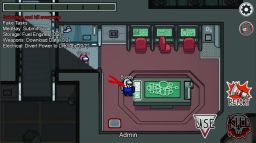
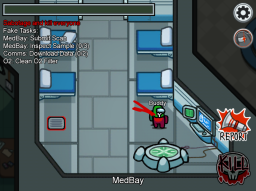
The maps in Among Us matter because every layout creates different kinds of suspicion. Narrow hallways, isolated rooms, vents, task clusters, cameras, emergency systems, and door controls all influence how players move and how Impostors plan. A good map gives both sides opportunities, but never lets either side feel completely safe.
I like maps that force risk. If tasks are too close together, Crewmates can group up too easily. If spaces are too open, Impostors struggle to create believable situations. The best layouts create tension between efficiency and safety. Should I finish a task alone in a risky room, or stay with others and slow down the team? That question keeps the round alive.
Social Deduction Gives Every Group a Different Personality
Among Us changes dramatically depending on who is playing. With quiet players, the game becomes subtle and tense. With loud friends, it becomes chaotic comedy. With experienced players, every route and timing detail gets analyzed. With beginners, the funniest moments often come from terrible excuses and accidental confessions.
This is why the game has such strong replay value. The mechanics stay mostly the same, but the people change everything. A round with strangers can feel suspicious and unpredictable. A round with friends can become personal because everyone knows each other’s habits. Someone who is usually honest suddenly sounds too calm. Someone who always jokes may hide the truth behind comedy. The game turns personality into a mechanic.
Optional Roles Add Variety Without Breaking the Formula
Among Us has expanded beyond its earliest structure with optional roles that add new wrinkles to the social deduction loop. The App Store listing mentions optional roles that create a new level of gameplay. These additions help longtime players avoid feeling like every round follows the same rhythm.
I like roles most when they complicate deduction without making the game feel too heavy. Among Us is strongest when it remains easy to understand. Extra abilities can create exciting moments, but too many layered rules can weaken the clean charm that made the game popular. The best role setups add surprise while keeping the conversation understandable.
-
Extra roles can give Crewmates more active tools;
-
Impostor-focused roles can make deception more flexible;
-
Role settings help groups customize match complexity;
-
Optional systems are best when they support discussion rather than replace it;
Local and Online Play Serve Different Moods
Among Us supports both online and local play, and those modes feel different in practice. Online matches are convenient because it is easy to join games quickly. Local or friend-based sessions can be stronger because players share voice, jokes, and history. The same accusation feels different when it is aimed at a random color in a lobby versus someone whose habits you know.
For me, Among Us is best with friends because the social tension becomes more personal and funny. I know who gets defensive, who overexplains, who stays quiet when nervous, and who enjoys causing confusion. That history makes every meeting more entertaining. Online play is useful, but the game shines when the group chemistry is strong.
The Game Became Viral Because It Is Easy to Watch
Among Us exploded culturally because it is very watchable. Viewers can understand the situation quickly: who is pretending, who is accusing, who is confused, and who might be right. The simple visuals and discussion-heavy structure made it perfect for streamers and group videos. Even people who did not play could enjoy the drama.
The game also gave internet culture a language. The word “sus” became strongly associated with Among Us, and the blank little characters became meme material. That kind of cultural reach is rare for a small social deduction game. It happened because the game’s situations are easy to understand and easy to joke about.
Where Among Us Feels Strongest
Among Us is strongest when it creates stories that last longer than the round. I remember the friend who lied too confidently, the player who solved everything from one tiny movement, the meeting where everyone voted wrong, and the moment someone accidentally revealed too much. The game is less about perfect balance and more about social memories.
It also works because rounds are short enough to invite another try. A bad round does not ruin the night. A brilliant round makes everyone want to queue again. That rhythm is important. The game creates quick tension, quick release, and quick rematches, which makes it easy to play longer than planned.
Where Among Us Can Feel Less Strong
Among Us depends heavily on the group. With players who refuse to communicate, leave early, spam chat, or ignore discussion, the experience becomes weaker. The design needs participation. A good lobby can make the game hilarious and tense, while a poor lobby can make it feel random.
The game can also become repetitive if settings are not adjusted or if the same group plays the same style every time. That is where roles, maps, house rules, and player variety help. Among Us remains simple by design, so the social layer has to stay active for the game to feel fresh.
Pros
- Simple social deduction concept that is easy for new players to understand
- Emergency meetings create funny, tense, and memorable discussions
- Impostor gameplay rewards timing, deception, sabotage, and confidence
- Clear art style makes maps, colors, tasks, and movement easy to read
- Short rounds and flexible settings give the game strong replay value
Cons
- The experience depends heavily on having a good group or active lobby
- Public matches can suffer from early quitting, weak communication, or random voting
- Core tasks may feel repetitive after many sessions
- Too many custom settings or roles can make rounds feel less clean
- The game is less enjoyable for players who dislike lying, arguing, or social pressure