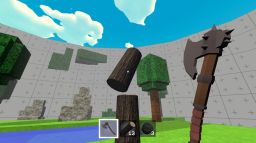
I started 99 Nights in the Forest expecting a simple Roblox survival game with a spooky skin, but it quickly felt sharper than that. The premise is easy to understand: gather resources during the day, protect the camp when darkness arrives, and keep pushing through one more night. What makes the game work is how direct that loop feels. There is very little time to overthink. The forest is always asking for something: more wood, more food, better tools, stronger defenses, smarter teamwork, or a faster decision when the night gets loud. I liked how the game turns a campfire into the emotional center of the experience. It is not just decoration. It feels like the one small piece of safety in a place that clearly does not want players to relax.
The Forest Feels Simple at First, Then Starts Watching Back
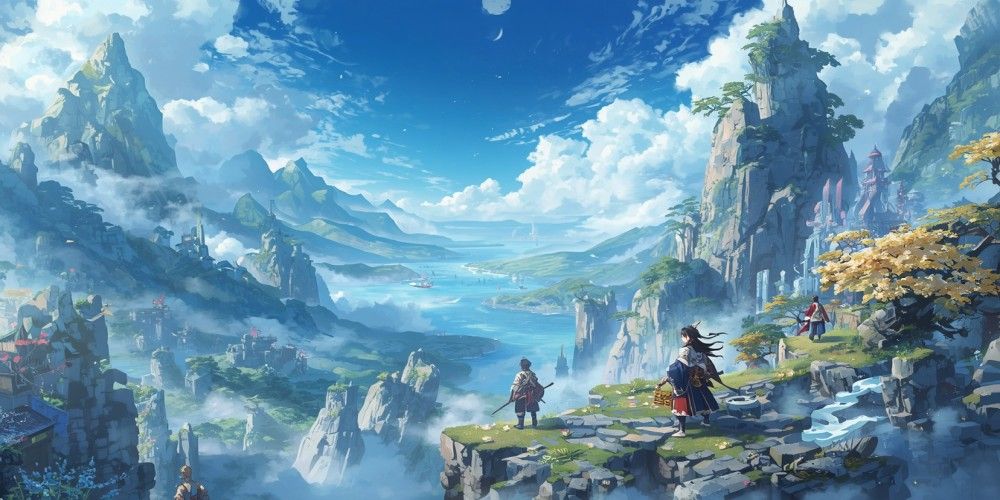
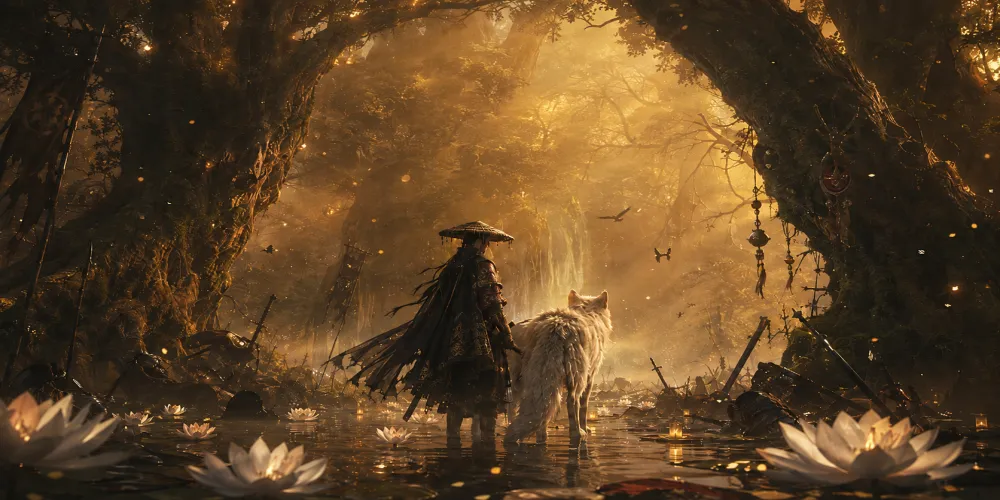
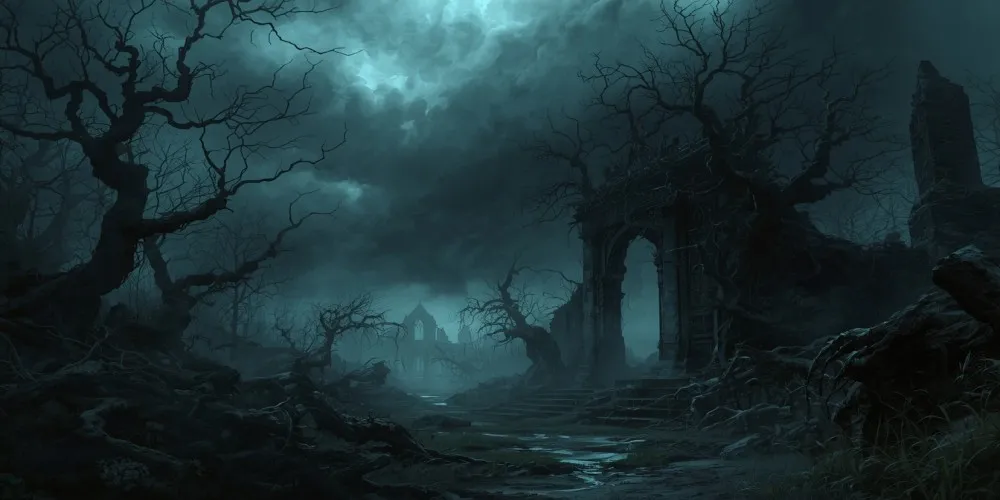
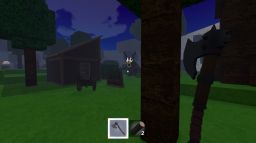
The visual style of 99 Nights in the Forest is not overloaded with detail, but that actually helps the atmosphere. The forest has enough openness to make daytime exploration feel manageable, while still leaving room for anxiety. Trees, cabins, paths, shadows, and distant shapes all start to feel suspicious after a few nights. I found myself paying attention to space differently than I do in most Roblox experiences.
During the day, the map can feel like a resource playground. At night, the same area changes personality. A route that felt harmless earlier can suddenly feel too long. A sound near the edge of the camp can pull everyone’s attention. The game understands that fear does not always need complicated visuals. Sometimes it only needs distance, darkness, and the feeling that someone wandered a little too far from the fire.
The Daytime Loop Makes Every Small Task Matter
I enjoyed the daytime sections because they give the game its practical rhythm. You are not just running around randomly. You are searching for food, collecting wood, checking buildings, gathering supplies, and trying to make sure the group is not unprepared when night arrives. The timer creates pressure without making the experience feel impossible right away.
That balance is important. If the game were constant panic, it would become tiring quickly. Instead, the daylight gives players a chance to breathe, plan, and make mistakes that may become painful later. I liked that every ordinary task carries future value. A few extra resources can mean a stronger camp. A tool upgrade can save time. A careful trip into the forest can turn into the reason everyone survives the next wave of trouble.
-
Wood gathering gives the camp its basic security.
-
Food keeps exploration from becoming careless.
-
Loot runs create risk before night even begins.
-
Crafting decisions shape how prepared the group feels.
The Campfire Is the Real Main Character
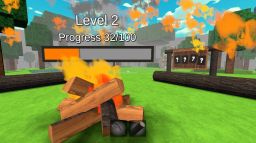
The campfire gives 99 Nights in the Forest a strong identity. Many survival games have bases, but this one makes the fire feel almost personal. It becomes the place everyone returns to, the thing everyone checks, and the object that silently judges whether the group used the day well. I liked how much emotional weight the game puts on such a simple survival symbol.
There is also something clever about making safety visible. When the camp is organized, stocked, and defended, players feel a little braver. When resources are low or the group has scattered, the same camp suddenly feels fragile. The fire turns teamwork into something you can see. It is either being protected, ignored, improved, or desperately fed at the last possible moment.
The Night Threats Give the Game Its Pulse
The night sections are where 99 Nights in the Forest becomes more than a resource management loop. The appearance of threats like The Deer, The Owl, and cultist invasions gives the game a sense of escalation. I liked that the danger does not feel like one repeated enemy pattern. Different threats ask players to react in different ways, which keeps the nights from becoming too predictable.
The Deer especially works because it gives the game a recognizable central fear. A survival game benefits from having something players talk about before it appears, and this creature has that kind of presence. Even when it is not on screen, the idea of it affects behavior. Players move more carefully. They hesitate before exploring too far. They treat the forest as a place with rules they do not fully understand.
The Owl adds a different kind of pressure because it changes how players think about visibility and reaction. I found that variety useful. A good survival experience should not only ask whether the player has enough supplies. It should ask whether they understand what kind of danger is arriving tonight.
Co-Op Makes Panic More Entertaining
99 Nights in the Forest is much more fun when played with others because the game naturally creates social drama. Someone wants to explore. Someone wants to stay near camp. Someone forgets supplies. Someone finds something useful and suddenly becomes very important. The best moments come from that messy coordination, where every player thinks they are helping until the forest proves otherwise.
I liked how co-op makes small decisions feel louder. In solo play, a mistake is just your problem. In a group, one risky choice can affect everyone. That creates a funny but tense social rhythm. Players call out resources, warn each other, argue over priorities, and rush back when night starts turning ugly. The game becomes less about perfect strategy and more about whether the group can stay organized under pressure.
-
One player can focus on gathering resources.
-
Another can defend or improve the camp.
-
Explorers can search farther, but risk leaving the base weaker.
-
Team revival and supply sharing make cooperation feel necessary.
Classes Add Personality to Survival Strategy
The class system gives 99 Nights in the Forest more depth than I expected. Different roles change how a player approaches the same basic survival loop. A resource-focused class can make early preparation smoother. A stronger late-game class can feel valuable once the nights become harsher. Support-oriented choices can matter more in team sessions than they would alone.
What I like about this system is that it encourages players to think about identity before the game begins. You are not only entering the forest as a generic survivor. You are choosing what kind of problem-solver you want to be. That gives repeat sessions more variety, especially when friends experiment with different team compositions.
The class system also helps the game avoid feeling flat after several attempts. Even when the forest is familiar, a different role can change your priorities. You may gather differently, explore differently, or depend on teammates in a new way. That is exactly the kind of replay value a Roblox survival hit needs.
Crafting and Upgrades Keep the Pressure Productive
The crafting systems make the game feel active rather than passive. I enjoyed that the game pushes players to improve their situation instead of simply waiting for the next night. Building, upgrading tools, managing supplies, planting crops, preparing healing items, and strengthening defenses all give players something useful to do between threats.
This is where 99 Nights in the Forest becomes satisfying in a practical way. The game rewards preparation, but it rarely lets preparation feel complete. There is always one more thing that could be improved. Better tools would help. More supplies would help. A smarter layout would help. That constant “almost ready” feeling is perfect for survival gameplay because it keeps tension alive without stopping progress.
Animal Taming Adds a Surprising Layer of Attachment
The animal taming feature gives the game a softer but still useful side. In a forest full of threats, the idea of gaining animal companions creates a welcome change in tone. It gives players another reason to explore and plan, especially because different animals require different resources and preparation.
I liked this feature because it makes the world feel less like a simple enemy arena. Not every creature interaction is about danger. Some can become part of the player’s survival strategy. That small shift matters. It gives the forest more texture and makes progression feel broader than just stronger tools or better defenses.
-
Taming encourages players to collect specific resources.
-
Animal allies can support survival plans.
-
The system gives explorers another long-term goal.
-
Creature variety makes the forest feel more alive.
The Roblox Format Makes the Game Easy to Return To
One reason 99 Nights in the Forest works so well is that it fits Roblox habits perfectly. It is easy to understand, quick to join, and strong enough to support repeated attempts. The game does not need a long tutorial to explain why the night matters. Players understand the danger quickly, then learn through failure, teamwork, and better planning.
The Roblox audience also helps the game feel social by default. Players share strategies, compare classes, discuss scary moments, and treat each run like a story. I can see why the game became so popular: it creates memorable situations quickly. A good Roblox experience often needs a clear hook, strong replay value, and moments that friends want to retell. 99 Nights in the Forest has all three.
Where the Game Feels Rough, It Still Has Momentum
99 Nights in the Forest is not polished in the same way a big-budget survival game might be, but I do not think it needs to be. Some of its roughness gives it energy. Roblox survival games often work best when they feel immediate, readable, and slightly chaotic. This game understands that players do not need perfect cinematic smoothness to feel tense. They need stakes, timing, and enough uncertainty to make every night feel dangerous.
There are moments where the loop can become repetitive if the group is not communicating or if players fall into the same routine. Still, the structure usually pulls things forward. New threats, better gear, class choices, animal systems, and the long promise of surviving deeper into the 99 nights create enough motivation to keep playing. The forest keeps asking for one more attempt, and that is the kind of pressure a survival game should have.
Pros
- Intricate environmental details that enhance both visuals and gameplay
- Flexible gameplay mechanics with customizable controls to suit different play styles
- Support for mods and cheats, allowing players to tailor the experience
- Availability across multiple platforms including unblocked access for schools and workplaces
- Active community contributions and regular updates enhancing replay value
- Engaging narrative that immerses players in a mysterious forest environment
Cons
- The optional use of mods and cheats can disrupt the intended game balance for purists
- The non-linear narrative may leave some players confused or seeking more direction
- Some dynamic puzzles may feel overly challenging without sufficient guidance